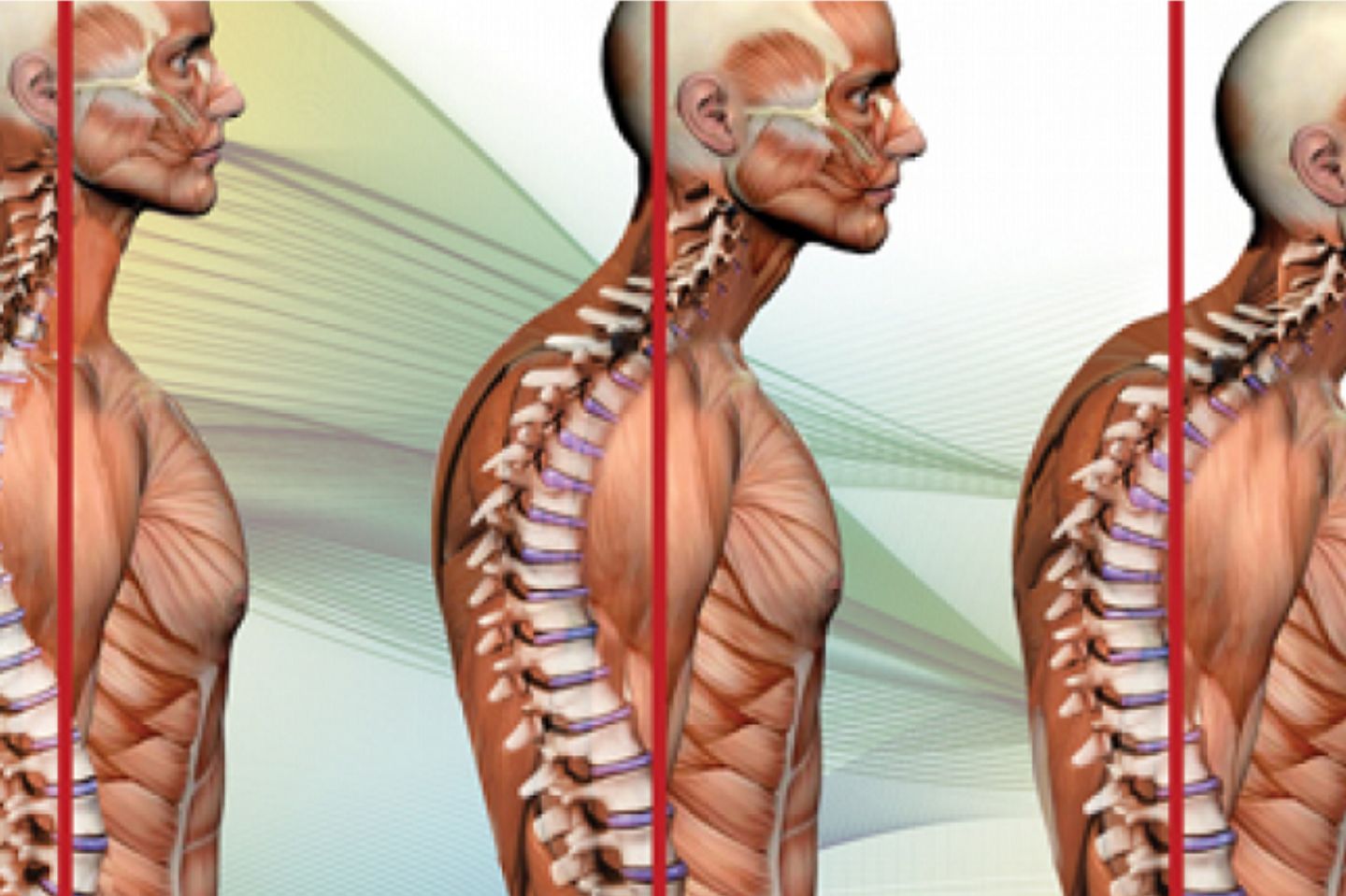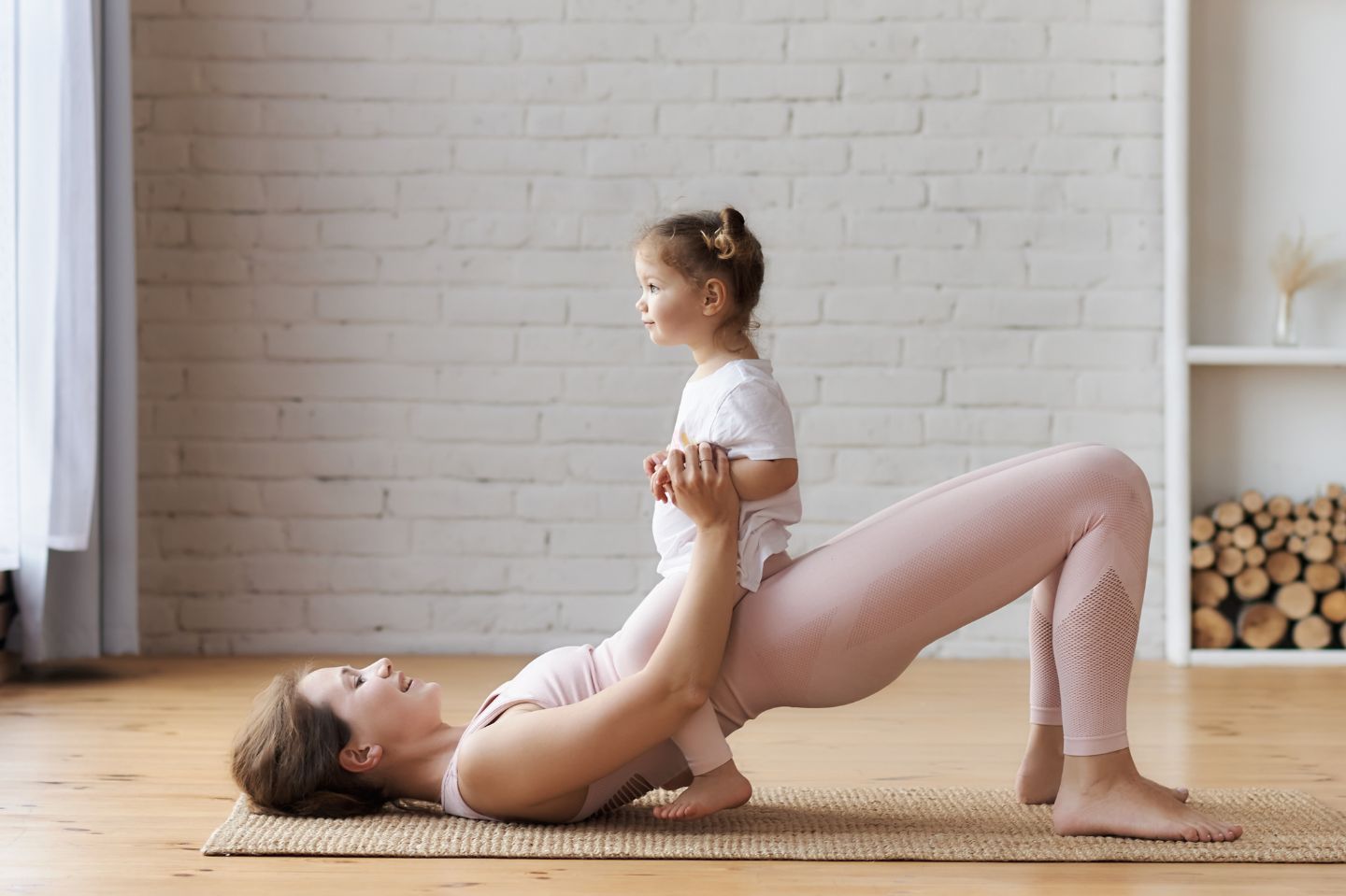
If you spend much of your day at a desk, you know that stubborn back tightness. Prolonged sitting causes the hip flexors to shorten and the glutes to “switch off,” which can place pressure on your lower spine.
The good news: a few intentional back stretches and exercises at home can decompress your spine and restore your range of motion.
In this guide, we’re breaking down 5 simple exercises to relieve lower back stiffness that you can do right in your living room. Try these gentle stretches today to reduce muscle tightness, support lower back stability, improve your posture, and help you move freely again—even after an eight-hour workday.
You’ll also like:
1. Cat-Camel
Cat-Camel, also known as cat-cow, is akin to a self-massage for the spine. This move coordinates the entire body and can improve symptoms in many different individuals.
How to Perform
- Start on hands and knees.
- As you breathe in, extend your head and look up, allowing your stomach to sag.
- Then, as you breathe out, round your back and tuck your chin to your chest.
- Continue in this manner for 15 deep breaths.
- Perform this exercise at least 5 days per week.
2. Abdominal Roll-Up
Sit-ups are a terrific exercise for the abdominals. However, when the feet are fixed, you lose some of the balance and mobility benefits offered by the move. If this is too hard for you initially, crunches work perfectly fine.
How to Perform
- Lie on your back with your knees slightly bent, or with your legs straight if you prefer.
- Perform a sit-up.
- At the top of the movement, reach for your toes to perform a brief hamstring stretch.
- Return to the starting position slowly.
- Complete 3 sets of 12-15 reps 3 or more times per week.
3. Bird Dogs Level II
Bird dogs are a mainstay of most physical therapy plans of care for back pain. This exercise works well to develop the small muscles in the back and also helps work the abs and increase overall mobility.
How to Perform
- Start on hands and knees.
- Kick your right leg back behind you as you simultaneously reach your left hand forward in front of you. There should be a straight line from your left fingertips to your right toes.
- Return to the starting position and repeat on the other side.
- Complete 10-15 reps per side, per set, for 3 sets per session, and 3 or more sessions per week.
4. Planks
Isometric exercises, such as planks, are terrific for developing endurance throughout the whole body, especially in the abs.
How to Perform
- Start on forearms and toes.
- Contract your ab muscles and ensure that your back is flat.
- Hold for 30 seconds and repeat 4 times per session.
- Complete 3 or more sessions per week.
5. Extended Side Plank
Much like standard planks, the extended side plank improves isometric strength and stability in the upper body.
How to Perform
- Start with your right hand and your feet on the ground.
- Lift your hips into the air.
- Hold this position for 30 seconds, then repeat 4 times per side per session. Complete 3 or more sessions per week.
Works Cited
- Rubin DI. Epidemiology and risk factors for spine pain. Neurol Clin. 2007 May;25(2):353-71. doi: 10.1016/j.ncl.2007.01.004. PMID: 17445733.
- Chang WD, Lin HY, Lai PT. Core strength training for patients with chronic low back pain. J Phys Ther Sci. 2015 Mar;27(3):619-22. doi: 10.1589/jpts.27.619. Epub 2015 Mar 31. PMID: 25931693; PMCID: PMC4395677.