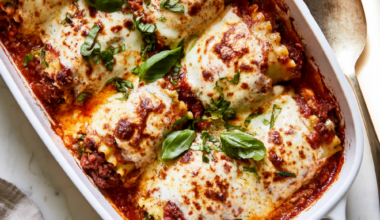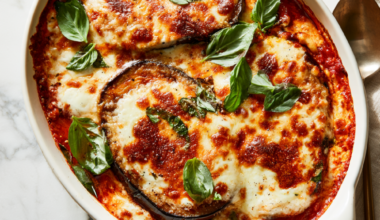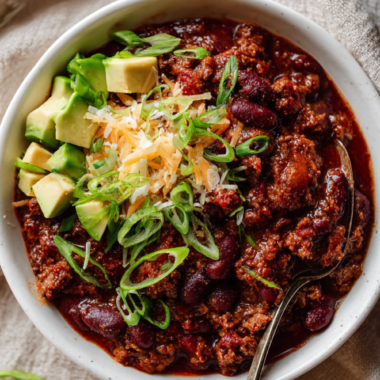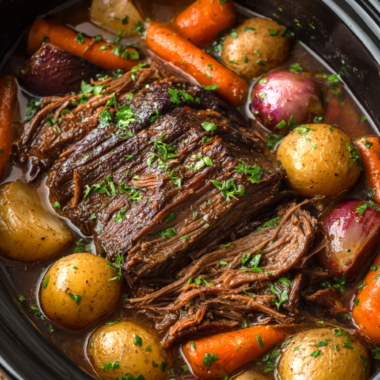
Fall cooking has a specific pull. The oven comes back on. The sheet pans come out. And suddenly you want food that feels like a blanket—roasted vegetables, warm spices, rich sauces, everything golden and caramelized.
The problem is that most fall comfort food is heavy. Cream-based casseroles, buttery gratins, and mashed everything. Delicious, but the kind of dinner that makes you want to lie down instead of finish your evening.
These five chicken breast dinner ideas solve that. Each uses fall produce—sweet potato, cabbage, Brussels sprouts, acorn squash—and each is a lighter version of something traditionally heavier: same comfort, better macros, and 34 to 40 grams of protein per serving.
They’re all one-pan or one-dish recipes. Chicken breast is the anchor, fall produce does the heavy lifting, and each one comes together in about 40 minutes with minimal cleanup.
Let’s get into them.
What Makes These Recipes Work
Fall produce does the flavor work. Sweet potato, cabbage, Brussels sprouts, and acorn squash all caramelize when roasted. They develop sweetness and depth that you don’t get from summer vegetables. Chicken breast is neutral—these vegetables make it taste like something.
Greek yogurt and cottage cheese replace cream. Where a traditional casserole uses a cup of heavy cream or mayonnaise, these use blended Greek yogurt, cottage cheese, or a lighter creamy base—same texture, more protein, less fat.
Sheet pans and skillets mean one dish. Every recipe here uses one pan, one skillet, or one baking dish.
The sauces are built on acid, not just sugar: apple cider vinegar, balsamic, Dijon, lemon. Acid cuts through the richness of fall food and makes everything taste brighter.
Chicken breast works, but thighs work too. Every recipe below is written for chicken breast, but you can swap in boneless, skinless thighs with 3–5 extra minutes of cook time.
Recipe 1: Sheet Pan Honey Garlic Chicken and Sweet Potatoes
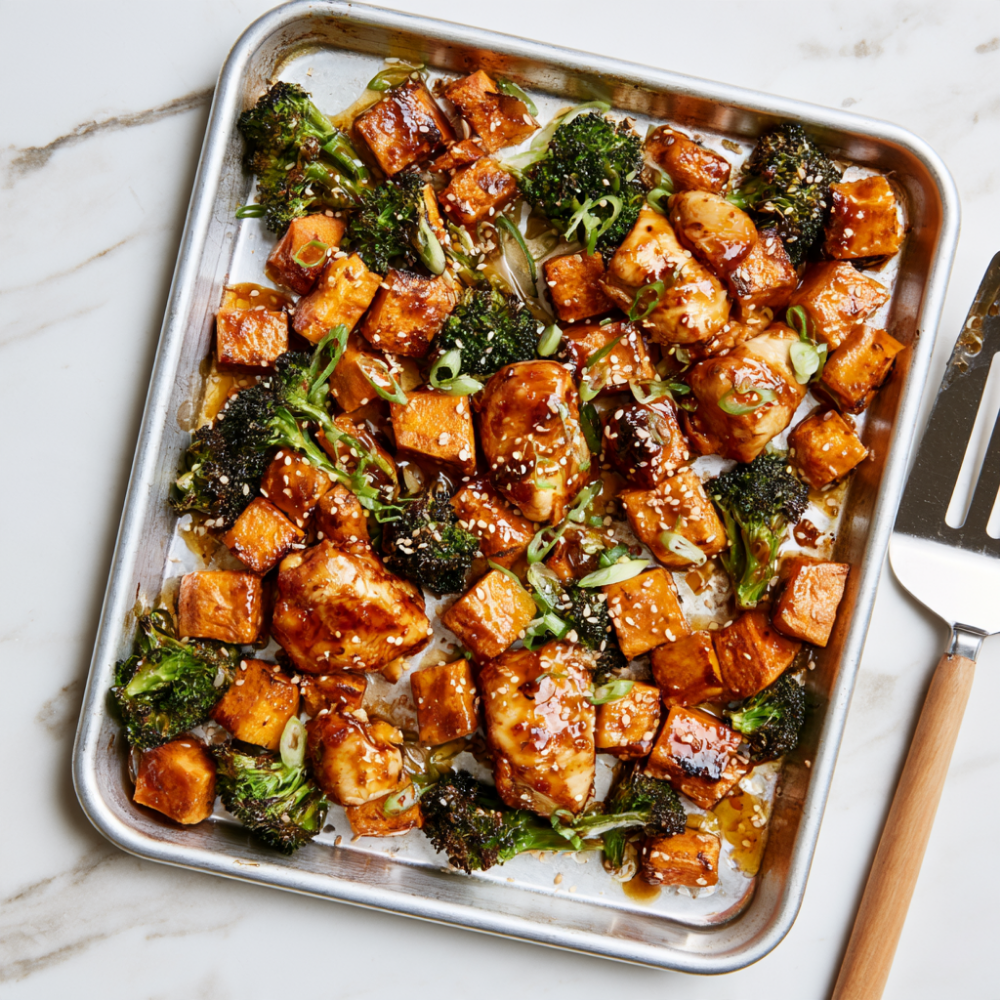
Sweet, sticky, and roasted. The honey garlic sauce gets glazed onto the chicken during the last few minutes so it caramelizes without burning. Sweet potato cubes and broccoli roast alongside.
Servings: 4
Prep Time: 10 minutes
Cook Time: 25 minutes
Protein per Serving: ~38g
Ingredients:
- 1½ lbs boneless, skinless chicken breast, cut into 1-inch cubes
- 1 large sweet potato, cut into 1-inch cubes (about 3 cups)
- 4 cups broccoli florets
- 3 tbsp olive oil, divided
- 1 tsp kosher salt, divided
- ½ tsp freshly ground black pepper
- 2 tbsp all-purpose flour (for dusting the chicken)
- For the Honey Garlic Sauce:
- ¼ cup honey
- 3 tbsp low-sodium soy sauce
- 4 cloves garlic, minced
- 1½ tbsp apple cider vinegar
- 1 tsp toasted sesame oil
- ½ tsp red pepper flakes
- 1 tbsp butter
- Sesame seeds and sliced green onions, for garnish
Instructions:
- Preheat the oven to 425°F. Line a large rimmed baking sheet with parchment.
- Toss the sweet potato cubes with 1 tablespoon olive oil and ½ teaspoon salt. Spread on the sheet pan and roast for 12 minutes.
- Meanwhile, pat the chicken cubes dry and toss with the flour, remaining ½ teaspoon salt, and pepper. Shake off the excess flour.
- Make the sauce base: Whisk together the soy sauce, garlic, apple cider vinegar, sesame oil, and red pepper flakes. Set the honey aside separately—it goes in at the end to prevent burning.
- Pull the pan from the oven and push the sweet potatoes aside. Add the broccoli tossed with 1 tablespoon of oil and the flour-dusted chicken in a single layer. Drizzle the chicken with the remaining tablespoon of olive oil.
- Roast for 12 minutes, until the chicken is almost cooked through and the vegetables are starting to caramelize.
- Glaze and finish: In a small saucepan, melt the butter over medium heat. Add the honey and the soy sauce mixture. Simmer for 2 minutes, until slightly thickened. Brush or spoon the glaze over the chicken and vegetables.
- Return the pan to the oven and roast for 4–5 more minutes, until the glaze is sticky and caramelized but not burnt.
- Garnish with sesame seeds and green onions.
Why it’s lighter and more reliable: Traditional honey garlic chicken uses ⅓ cup of honey and brushes the glaze on before roasting, which burns at high heat. This version uses ¼ cup and applies the glaze during the last 5 minutes, so the chicken caramelizes without charring. The flour dusting creates a crust that the sauce clings to—the technique from Nagi’s recipe.
Serve With: Steamed jasmine rice, cauliflower rice, or on its own.
Recipe 2: Lightened Million Dollar Chicken Bake with Butternut Squash
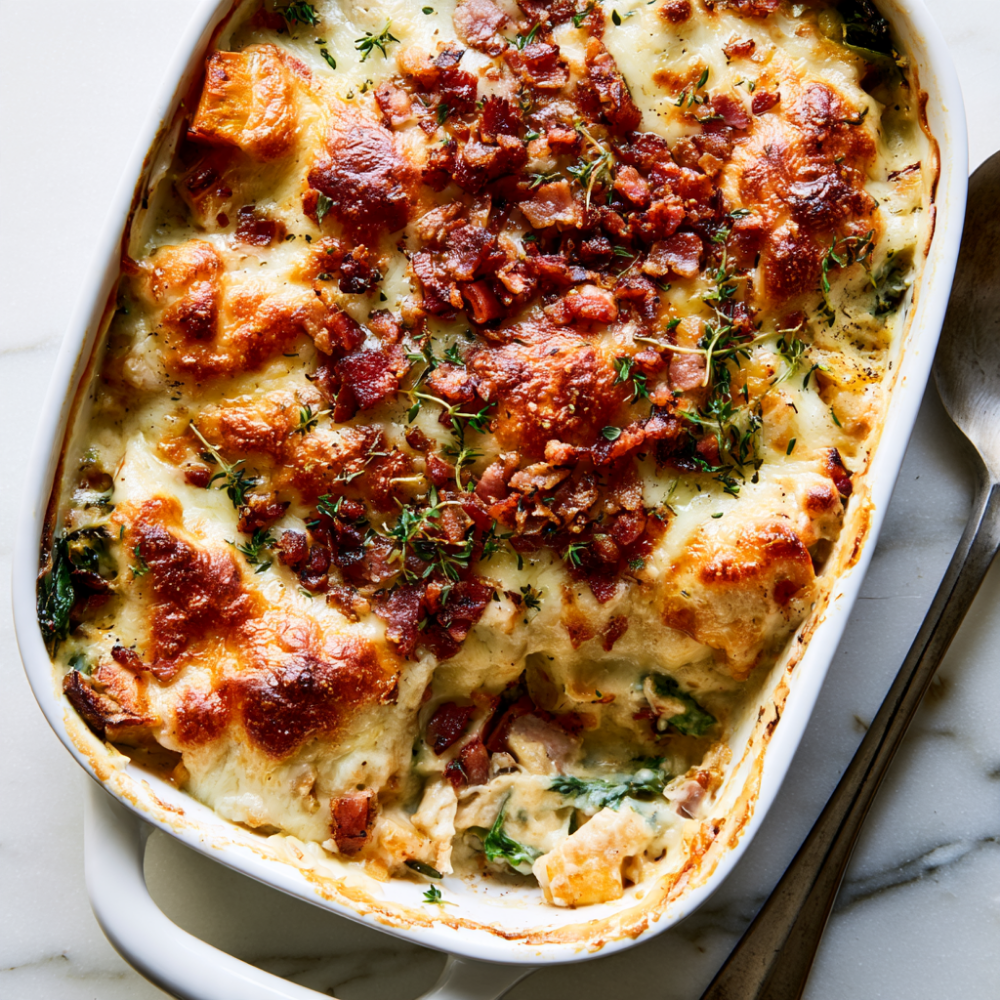
The viral creamy, cheesy chicken bake, rebuilt with cottage cheese, Greek yogurt, and a butternut squash base. Tastes decadent. Isn’t.
Servings: 6
Prep Time: 15 minutes
Cook Time: 45 minutes
Protein per Serving: ~40g
Ingredients:
- 1½ lbs boneless, skinless chicken breast, cut into 1-inch pieces
- 3 cups butternut squash, peeled and cut into ½-inch cubes
- 1 tbsp olive oil
- 1 tsp kosher salt, divided
- ½ tsp freshly ground black pepper
For the Creamy Base:
- 4 oz cream cheese, softened to room temperature
- 1 cup small-curd cottage cheese
- ½ cup plain non-fat Greek yogurt
- 2 large eggs
- ½ cup grated Parmesan cheese
- 1 cup shredded mozzarella, divided
- 3 cloves garlic, minced
- ½ tsp onion powder
- ¼ tsp white pepper
- ¼ tsp freshly grated nutmeg
- 4 slices turkey bacon, cooked and crumbled
- 1 cup fresh spinach, chopped
Instructions:
- Preheat the oven to 400°F. Grease a 9×13 baking dish.
- Toss the butternut squash with the olive oil, ½ teaspoon salt, and pepper. Spread in the baking dish and roast for 15 minutes, until just tender.
- Meanwhile, blend the creamy base: combine the cream cheese, cottage cheese, Greek yogurt, eggs, Parmesan, ½ cup mozzarella, garlic, onion powder, white pepper, and nutmeg in a food processor. Blend for 30 seconds until completely smooth. Stir in the chopped spinach and half the crumbled bacon.
- Remove the squash from the oven. Nestle the raw chicken pieces evenly among the squash. Pour the creamy mixture over the top and spread evenly.
- Sprinkle with the remaining mozzarella and bacon.
- Bake for 30–35 minutes, until the chicken reaches 165°F and the top is golden and bubbling.
- Rest for 5 minutes before serving.
Why it’s lighter and more reliable: The viral version uses a cup of mayonnaise, a cup of sour cream, and a full pound of bacon—roughly 550 calories and 42g fat per serving. This version uses cottage cheese and Greek yogurt as the base (learned from the Low-Carb Million Dollar Chicken Casserole), adds a butternut squash layer for fall flavor and fiber, and uses turkey bacon. It’s about 340 calories and 40g protein per serving.
The technique from the source recipe: Blending the cottage cheese into the egg mixture in a food processor until completely smooth is what gives the casserole its quiche-like texture instead of a grainy one. Don’t skip this step.
Serve With: Roasted green beans, a simple green salad, or cauliflower rice.
Recipe 3: One-Pan Chicken and Cabbage Skillet
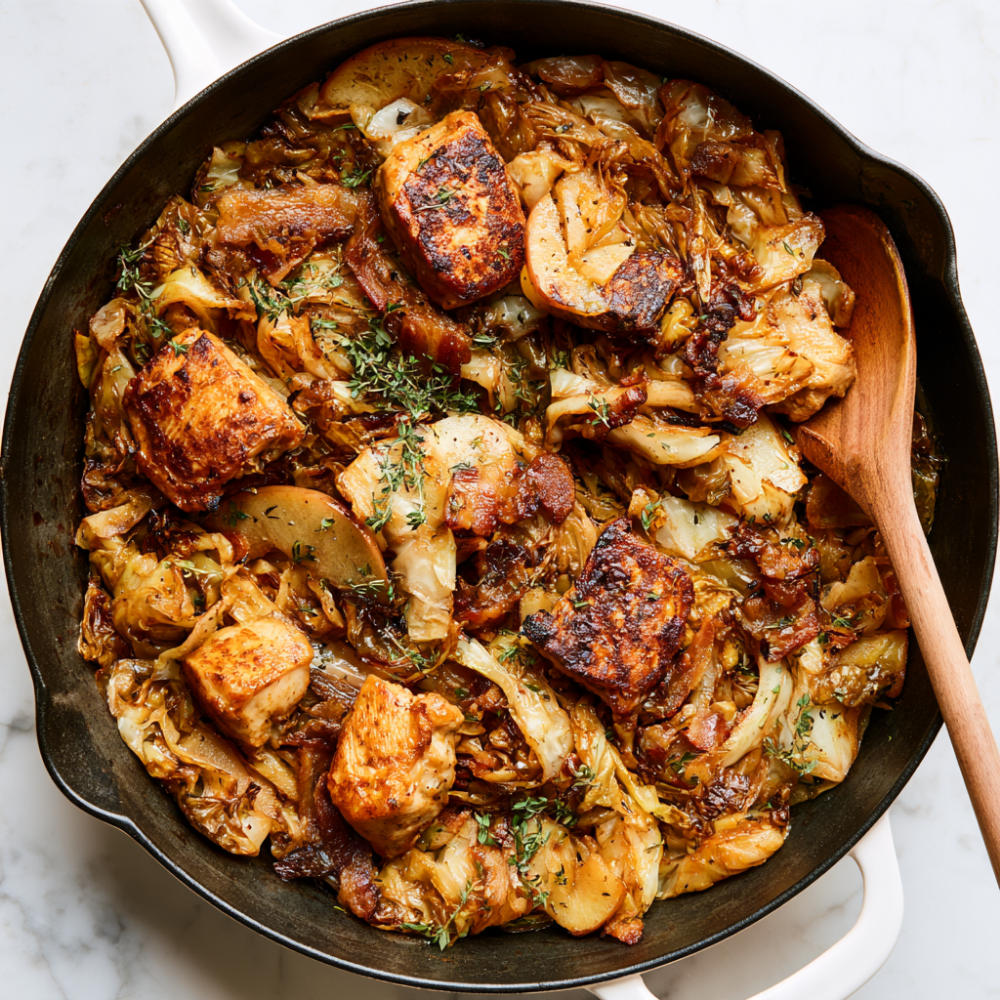
Caramelized cabbage, chicken breast, and bacon in a skillet with apple cider vinegar and apple. This recipe makes cabbage taste like something you’d order at a restaurant.
Servings: 4
Prep Time: 10 minutes
Cook Time: 30 minutes
Protein per Serving: ~36g
Ingredients:
- 1½ lbs boneless, skinless chicken breast, cut into 1-inch pieces
- 1 small head green cabbage, cored and sliced into ½-inch ribbons (about 8 cups)
- 4 slices thick-cut bacon, chopped
- 1 small yellow onion, sliced
- 1 apple, cored and sliced thin (Honeycrisp or Fuji)
- 3 cloves garlic, minced
- 1 tsp kosher salt
- ½ tsp freshly ground black pepper
- 1 tsp caraway seed
- 2 tbsp apple cider vinegar
- 1 tbsp Dijon mustard
- 1 tbsp fresh thyme leaves (or 1 tsp dried)
Instructions:
- Heat a very large, wide skillet (12-inch or larger) over medium heat. Add the bacon and cook for 6–8 minutes until crisp. Transfer to a plate, leaving 2 tablespoons of bacon fat in the skillet.
- Increase the heat to medium-high. Season the chicken with ½ teaspoon salt and pepper. Sear the chicken in two separate batches to avoid overcrowding—leave space between pieces so they brown instead of steam. Sear each batch for 3–4 minutes per side until golden and cooked through. Transfer to a plate.
- Add the onion to the skillet and cook for 3 minutes until softened. Add the cabbage, garlic, caraway seed, and remaining ½ teaspoon salt. Cook for 4 minutes, stirring occasionally.
- Add the sliced apple midway through the cabbage cooking time. Cook for another 4–6 minutes, until the cabbage is wilted and starting to caramelize and the apple is tender but still holds its shape.
- Stir in the apple cider vinegar, Dijon, and thyme. Cook for 1 minute.
- Return the chicken and bacon to the skillet and toss to combine. Taste and adjust the salt and vinegar.
- Serve directly from the skillet.
Why the searing-in-batches fix matters: Searing 1.5 lbs of cubed chicken at once in a skillet crowds the pan and drops the temperature. The chicken releases water and steams instead of browning, so you end up with rubbery, pale chicken. Working in two batches keeps the pan hot and gives each piece a golden crust.
Why the apple timing fix matters: Honeycrisp and Fuji apples soften in about 4 minutes of high heat. Adding them at the same time as the cabbage and cooking for 8–10 minutes turns them into applesauce. Adding them midway through preserves their shape and creates textural contrast between the soft cabbage and the tender apple slices.
Why it’s lighter: Traditional cabbage and bacon skillets use half a pound of bacon and a quarter cup of butter. This uses 4 slices and 2 tablespoons of the rendered fat.
Serve With: Crusty bread, mashed potatoes, or on its own.
Recipe 4: Balsamic Chicken and Brussels Sprouts Sheet Pan
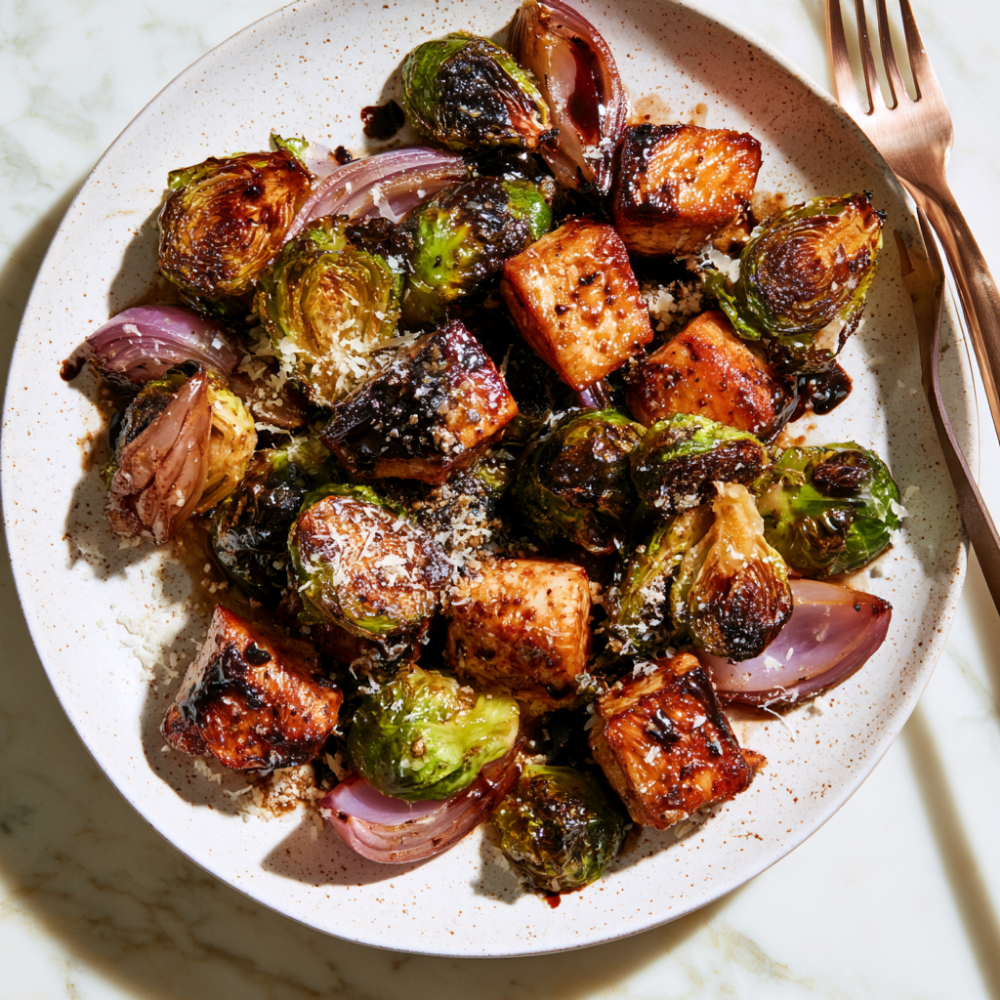
Sticky, tangy, and roasted. Cubed chicken and halved Brussels sprouts with red onion, finished with a balsamic glaze applied after roasting so it doesn’t burn.
Servings: 4
Prep Time: 10 minutes
Cook Time: 25 minutes
Protein per Serving: ~37g
Ingredients:
- 1½ lbs boneless, skinless chicken breast, cut into 1-inch cubes
- 1½ lbs Brussels sprouts, halved
- 1 small red onion, cut into wedges
- 3 tbsp olive oil, divided
- 1 tsp kosher salt, divided
- ½ tsp freshly ground black pepper
For the Balsamic Glaze (divided):
- ¼ cup balsamic vinegar
- 1 tbsp Dijon mustard
- 1 tbsp honey
- 3 cloves garlic, minced
- 1 tsp dried thyme
- 2 tbsp grated Parmesan, for serving
Instructions:
- Preheat the oven to 425°F. Line a large rimmed baking sheet with parchment.
- Toss the Brussels sprouts and onion wedges with 2 tablespoons olive oil, ½ teaspoon salt, and pepper. Spread on the sheet pan in a single layer, cut-side down. Roast for 12 minutes.
- Meanwhile, toss the cubed chicken with the remaining tablespoon of olive oil and remaining ½ teaspoon salt. Reserve half the balsamic mixture in a small bowl—this is the finishing glaze to add after baking.
- Pull the pan from the oven. Push the vegetables to one side and add the chicken in a single layer.
- Brush only half the glaze over the chicken and vegetables. This light coating will caramelize gently without burning.
- Roast for 12–15 minutes, until the chicken reaches 165°F and the Brussels sprouts are deeply caramelized.
- Finish with the reserved glaze. Pull the pan from the oven and brush or drizzle the remaining balsamic mixture over the chicken and vegetables. The residual heat warms the glaze and gives you a glossy finish without risking burnt sugar.
- Sprinkle with Parmesan and serve.
Why the reserve-the-glaze fix matters: Balsamic vinegar is high in natural sugars, and combined with honey, it blackens and turns acrid at 425°F over 15+ minutes. By reserving half the glaze for after baking, you get tangy balsamic flavor without the burnt-sugar taste. The chicken still gets a light caramelization from the initial brush, but the finishing glaze keeps it bright and glossy.
Why cutting the chicken into cubes matters: Whole chicken breasts have thin tapered ends and thick centers. At 425°F for 15–18 minutes, the thin ends overcook and dry out while the thick centers stay undercooked. Cutting the chicken into 1-inch cubes gives you uniform pieces that cook evenly in 12–15 minutes.
Why it’s lighter: Traditional balsamic chicken uses a butter-and-sugar glaze. This uses a honey-Dijon balsamic that caramelizes naturally in the oven.
Serve With: Wild rice, quinoa, or a bed of arugula.
Recipe 5: Chicken and Acorn Squash Gratin Casserole
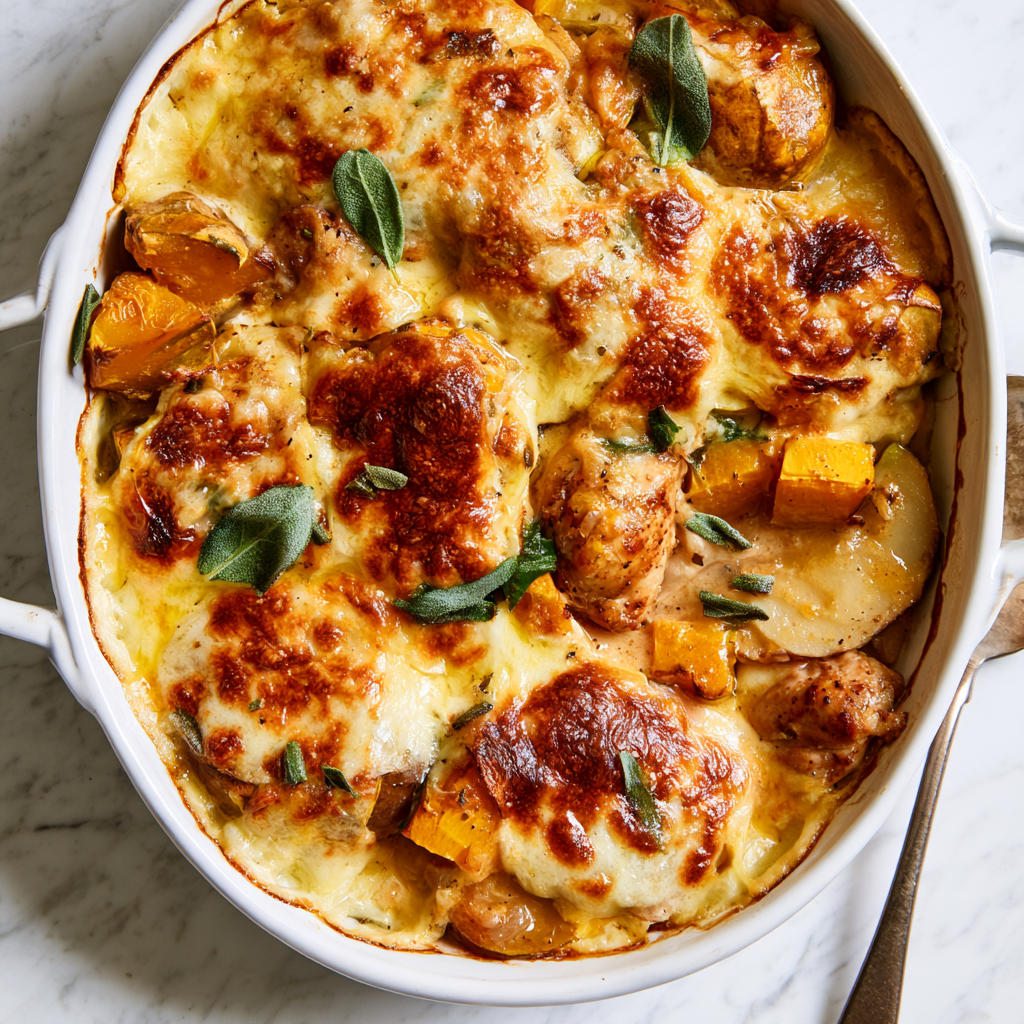
A cozy, layered fall casserole with chicken, roasted acorn squash, butternut squash, potatoes, roasted garlic, and Gruyère. Everything about this tastes like November.
Servings: 8
Prep Time: 25 minutes
Cook Time: 45 minutes
Protein per Serving: ~34g
Ingredients:
- 2 lbs boneless, skinless chicken breast, cut into 1-inch pieces
- 1 small acorn squash, peeled, seeded, cut into 1-inch cubes (about 2 cups)
- 1 small butternut squash, peeled, seeded, cut into 1-inch cubes (about 3 cups)
- 3 medium Yukon Gold potatoes, sliced ¼-inch thick
- 1 whole head garlic, roasted
- 1 large sweet onion, chopped
- 1 tbsp olive oil
- ½ tsp dried thyme
- ¼ tsp freshly grated nutmeg
- 1 tsp kosher salt, divided
- ½ tsp freshly ground black pepper
- 1 cup whole milk
- 2 cups shredded Gruyère cheese
- ¼ cup grated Parmesan
- Fresh sage leaves, for garnish
Instructions:
- Roast the garlic. Preheat the oven to 400°F. Cut the top off the garlic head and place it on a piece of foil. Drizzle with olive oil, salt, and pepper. Wrap and roast for 40 minutes, until the cloves are soft and golden. Set aside to cool.
- Cook the squash and potatoes. Bring a large pot of salted water to a boil. Add the acorn and butternut squash cubes and simmer for 15–20 minutes until fork-tender. Drain in a colander. In a separate pot, boil the sliced potatoes for 8–10 minutes until just tender. Drain.
- Sauté the onion. Heat the olive oil in a skillet over medium heat. Add the chopped onion and dried thyme. Cook for 5 minutes until soft and translucent. Squeeze the roasted garlic cloves out of the head and add them to the skillet. Break them up with a wooden spoon and stir to combine.
- Roughly mash the squash. Transfer the drained squash to a large bowl and mash roughly with a potato masher—leave some chunks for texture. Add the onion-garlic mixture, nutmeg, ½ teaspoon salt, and pepper. Stir to combine. Gently fold in the potatoes.
- Assemble the casserole. Grease a 9×13 baking dish. Spread half the squash-potato mixture in the bottom. Nestle the raw chicken pieces evenly over the top. Season with the remaining ½ teaspoon salt. Spoon the remaining squash mixture over the chicken.
- Pour the milk. Pour the milk evenly over the casserole—it will seep down into the layers as it bakes.
- Top with cheese. Sprinkle the Gruyère and Parmesan evenly over the top.
- Bake. Transfer to the preheated 400°F oven and bake for 40–45 minutes, until the cheese is bubbly and golden brown and the chicken reaches 165°F.
- Rest and serve. Let the casserole rest for 10 minutes before serving. Garnish with fresh sage leaves.
Why the milk-pour technique works: From the source recipe—pouring milk over the assembled casserole instead of mixing it into the squash creates a custardy, gratin-like texture as it bakes. It also keeps the casserole from drying out in the oven.
Why the two-squash blend matters: Acorn squash is slightly sweet and holds its shape. Butternut squash is creamier and breaks down into the mash. Using both gives you layers of texture and a deeper squash flavor than either alone.
Why it’s lighter: Traditional squash gratins use a full cup of heavy cream and a stick of butter. This uses whole milk and relies on the natural creaminess of the mashed squash and the cheese for richness.
Serve With: A simple green salad with apple cider vinaigrette.
Tips for the Best Fall Chicken Breast Dinners
Cut chicken into even pieces. One-inch cubes cook evenly and stay juicy. Whole breasts take longer and dry out at the edges before the center is done.
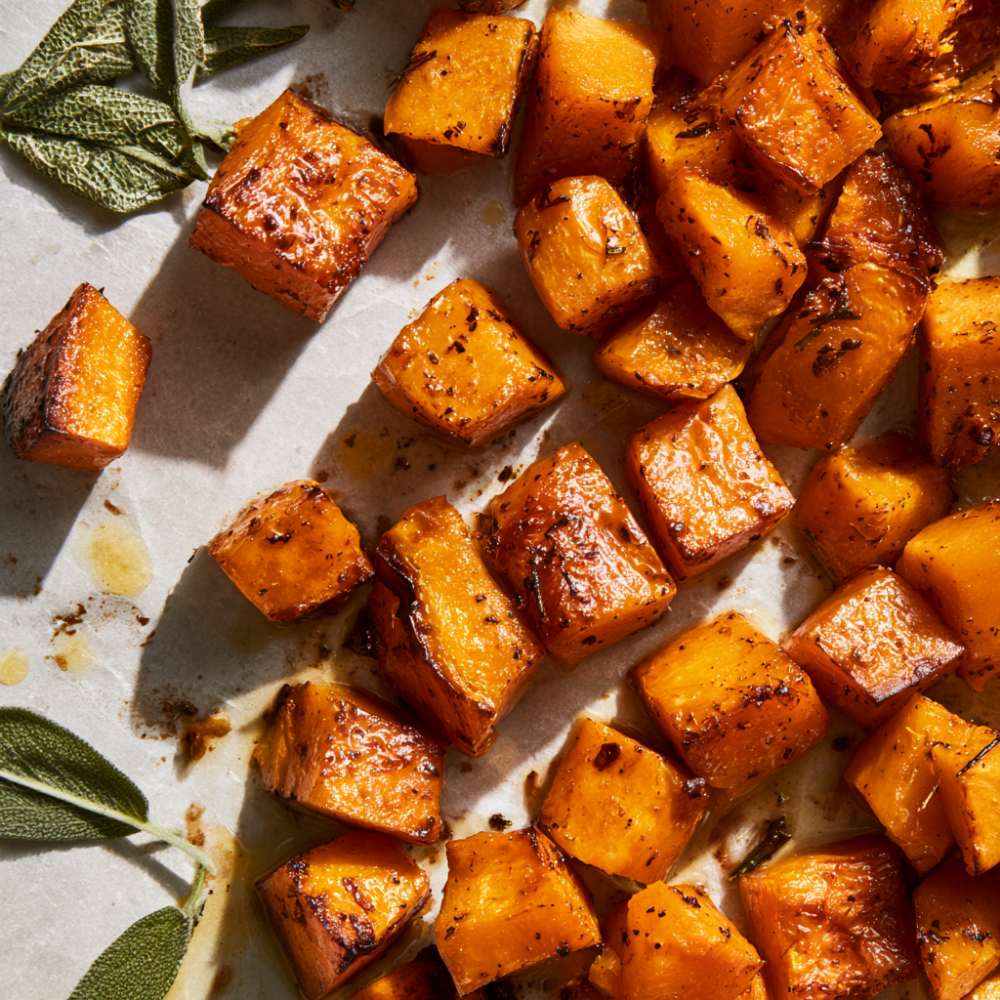
Roast the squash first. Acorn and butternut squash take longer to cook than chicken. Roasting or parboiling them before adding the chicken prevents raw squash and overcooked chicken.
Use Greek yogurt and cottage cheese at room temperature. Adding cold dairy to a hot sauce can curdle it. Let it sit on the counter for 15 minutes before mixing.
Salt the cabbage early. Salting cabbage draws out water, which helps it caramelize instead of steam.
Don’t crowd the sheet pan or skillet. Vegetables need space to roast. If they’re touching, they steam. Sear chicken in batches if needed.
Save your bacon fat. Two tablespoons of rendered bacon fat are the flavor base for the cabbage skillet. Don’t pour it down the drain.
Pull chicken at 165°F. Not a degree more. Carryover cooking will bring it to about 168°F while it rests.
Add honey glazes during the last 5 minutes. Honey burns fast at high heat. Brush it on at the end so it caramelizes without charring.
Reserve half the balsamic glaze for after baking. Balsamic vinegar is high in sugar and burns at 425°F. Finishing with a fresh drizzle gives you the tangy flavor without the burnt taste.
Rest the chicken before slicing. Five minutes off the heat lets the juices redistribute.
Troubleshooting
The chicken is dry. You overcooked it. Pull it at 165°F and let it rest. For sheet pan recipes, start checking at the minimum time listed.
The chicken is rubbery and pale. You crowded the pan. Sear in batches and leave space between pieces.
The vegetables are undercooked. Your oven runs cool, or you crowded the pan. Use an oven thermometer and spread everything in a single layer.
The cabbage is mushy. You didn’t cook it hot enough, or you covered the pan. Cook it over medium-high heat in a wide skillet and leave the lid off.
The applesauce effect happened. You added the apples too early. Add them midway through the cabbage cooking time, about 4 minutes in.
The casserole is watery. You didn’t thicken the creamy base enough, or the squash released water during baking. Blend the cottage cheese mixture until completely smooth, then let the sauce reduce until it coats the back of a spoon.
The Greek yogurt curdled. You added it to a boiling sauce. Temper it by whisking a ladle of hot sauce into the yogurt first, then stir it back in off the heat.
The Brussels sprouts are bitter. You didn’t roast them long enough. They need 20–25 minutes total to caramelize.
The balsamic glaze burnt. You brushed it on before baking instead of reserving half for after. Add the finishing glaze at the end.
The squash is hard in the center. You cut it too thick. Keep the cubes to 1 inch and parboil or roast for the full time before combining.
Storage and Food Safety
Refrigerator: Store leftovers in an airtight container for up to 4 days. Reheat individual portions in the microwave for 90 seconds or in a 350°F oven for 12–15 minutes.
Freezer: All five recipes freeze well for up to 2 months, except the gratin casserole, which can get slightly soft. Cool completely, transfer to freezer-safe containers, and freeze. Thaw overnight in the refrigerator before reheating.
Make Ahead: Assemble every recipe up to 24 hours in advance, cover, and refrigerate. Add 5–10 minutes to the cook time when baking from cold.
Food Safety: Chicken must reach an internal temperature of 165°F. Refrigerate leftovers within 2 hours. Never leave the dishes at room temperature for more than 2 hours.
Frequently Asked Questions
What are the best fall vegetables for chicken dinners?
Sweet potato, cabbage, Brussels sprouts, acorn squash, butternut squash, pumpkin, parsnips, and carrots all work beautifully.
Can I use chicken thighs instead of chicken breast?
Yes. Boneless, skinless thighs work in every recipe here. They stay juicy longer. Add 3–5 minutes to the cook time.
How do I keep chicken breast from drying out?
Cut it into even pieces, don’t overcook it, and pull it at 165°F. Resting for 5 minutes before serving also helps.
Can I make these recipes dairy-free?
You can make the sheet pan recipes dairy-free by skipping the Parmesan. The casseroles rely on dairy for texture and are harder to convert.
Can I meal prep these for the week?
Yes. All five recipes reheat well. Portion into glass containers and refrigerate for up to 4 days.
What can I use instead of Greek yogurt?
Full-fat sour cream or blended cottage cheese both work.
Why did my honey garlic sauce burn?
You brushed it on before roasting. Honey burns at high heat. Add the glaze during the last 5 minutes of roasting.
Why did my balsamic glaze turn black?
Balsamic vinegar is high in natural sugar and burns at 425°F. Reserve half the glaze and add it after baking.
Why did my apples turn to mush?
You added them at the same time as the cabbage. Add them about 4 minutes into the cabbage cooking time.
Can I double these recipes?
Yes. Use two sheet pans or a larger baking dish. Add 5 minutes to the cook time and rotate the pans halfway through.
More Chicken Breast Recipes You’ll Love
- Chicken Marinade Recipes (5 Flavors, One Sunday Prep Session!)
- High-Protein Chicken Noodle Soup (From Scratch in 35 Minutes)
- Chicken Gnocchi Soup Recipe (Creamy Olive Garden Copycat In 30 Minutes!)
- Crockpot Smothered Chicken (Creamy Gravy, 37g Protein!)
Conclusion
Fall and winter cooking doesn’t have to be heavy.
These five chicken breast dinner ideas use sweet potato, cabbage, Brussels sprouts, acorn squash, and butternut squash—all of which caramelize and develop deep flavor when roasted. The creamy recipes use Greek yogurt and cottage cheese instead of heavy cream.
The sheet pan recipes use one pan. And every single one delivers 34 to 40 grams of protein per serving.
The formula is simple: chicken breast as the anchor, fall produce for flavor, acid to brighten, and a lighter sauce that doesn’t weigh down the plate.
Glaze with honey at the end so it doesn’t burn. Reserve half the balsamic for after baking. Sear chicken in batches. Add apples midway.
Make one this week. Your kitchen will smell like fall.