Cooking your own beans at home is one of the easiest ways to stretch a grocery budget, and red kidney beans are one of the best beans to start with.
A one-pound bag of dried kidney beans costs a couple of dollars and cooks up into about 6 cups — the equivalent of four 15-ounce cans.
If you’ve been buying canned beans, that’s a real savings, and the beans you make at home are creamier, less salty, and better tasting than anything that comes out of a can.
I make a batch of these crockpot kidney beans almost every week once the weather turns cool.
They go into rice and beans, chili, soups, and stews all fall and winter, and having a container of cooked beans in the fridge means I can add protein to almost any dish without thinking about it.
The slow cooker does most of the work — you soak the beans, boil them briefly on the stovetop, and then let the crockpot take over for 6 to 8 hours.
But there’s one thing you have to know before you make kidney beans in a slow cooker, and it’s the reason most recipes for crockpot kidney beans are actually dangerous.
Raw red kidney beans contain a natural toxin called phytohaemagglutinin, and a slow cooker does not get hot enough to destroy it.
The fix is a mandatory stovetop pre-boil — 10 to 15 minutes at a full rolling boil — before the beans ever go into the crockpot.
It’s one extra step, and it’s the difference between a safe, creamy pot of beans and a pot that will make you sick. This recipe does it right.
The recipe makes about 6 cups of cooked beans and takes about 10 minutes of prep, an overnight soak, 15 minutes on the stovetop, and 6 to 8 hours in the crockpot.
It’s the kind of thing that becomes a weekly habit once you’ve made it once — and once you taste how much better homemade beans are than canned, you won’t go back.
Why This Method Works
Crockpot kidney beans go wrong in three specific ways: beans that stay hard and never soften, beans that turn mushy and fall apart, and — the most serious — beans that aren’t cooked safely. Here’s how this method solves each one.
1. The Mandatory Stovetop Pre-Boil
Raw red kidney beans contain phytohaemagglutinin, a toxin that causes nausea, vomiting, and abdominal pain. Slow cookers don’t reach the temperature needed to destroy it — the FDA and food safety authorities explicitly warn against cooking raw kidney beans in a slow cooker without a prior boil. Boiling the soaked beans vigorously on the stovetop for 10 to 15 minutes destroys the toxin completely. It’s the single most important step in the recipe, and it’s not optional.
2. Salt the Soaking Water, Not the Cooking Water (Until the End)
Salting the soaking water helps the beans soften evenly and season them from the inside out. But adding salt to the cooking water at the start can keep the beans from softening — especially older beans. Salt the soak, drain it, and add the final salt in the last 15 to 20 minutes of cooking.
3. Hold the Acid Until the Beans Are Tender
Acidic ingredients — tomatoes, vinegar, citrus — prevent beans from softening. If you’re making a dish that has tomatoes in it, cook the beans first and add the tomatoes at the end, or use already-cooked beans in the recipe. This recipe keeps the beans plain so you can use them in anything.
Ingredients That Matter
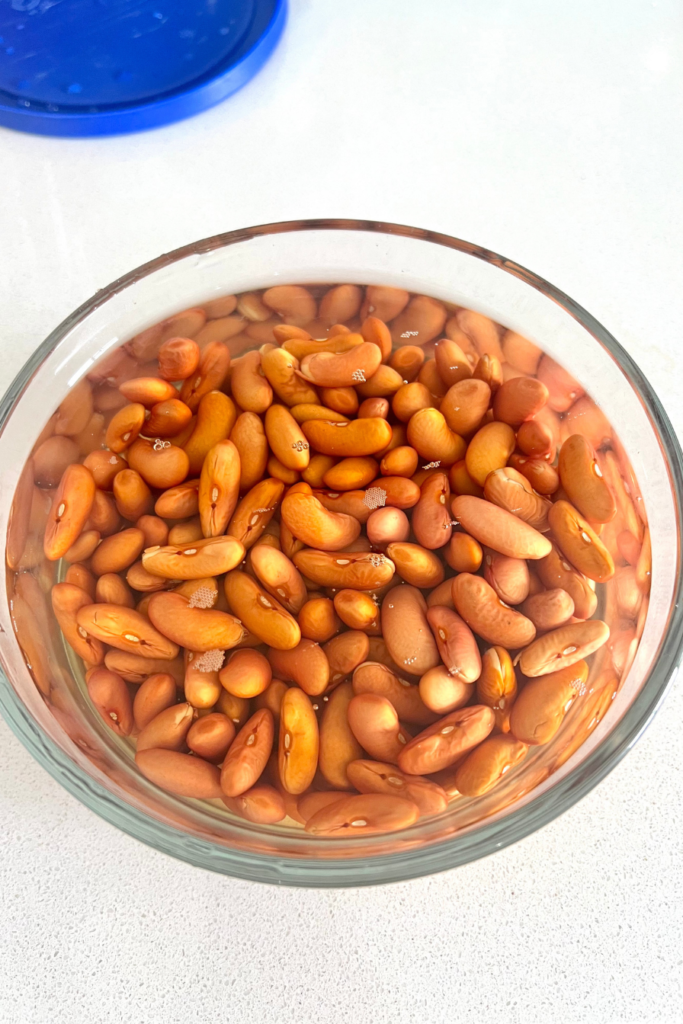
Dried red kidney beans. 1 pound, about 2½ cups dried. Sort through them and pick out any shriveled or cracked beans and any small stones. Rinse them well before soaking.
Kosher salt for the soaking water. 1 tablespoon. The salt helps the beans soften evenly and seasons them from the inside out. Use a full tablespoon — it won’t make the beans salty, because most of it gets drained away.
Fresh water or low-sodium broth for cooking. 6 cups. The broth adds flavor if you’re using it, but water works fine. The beans should be submerged by 1 to 2 inches.
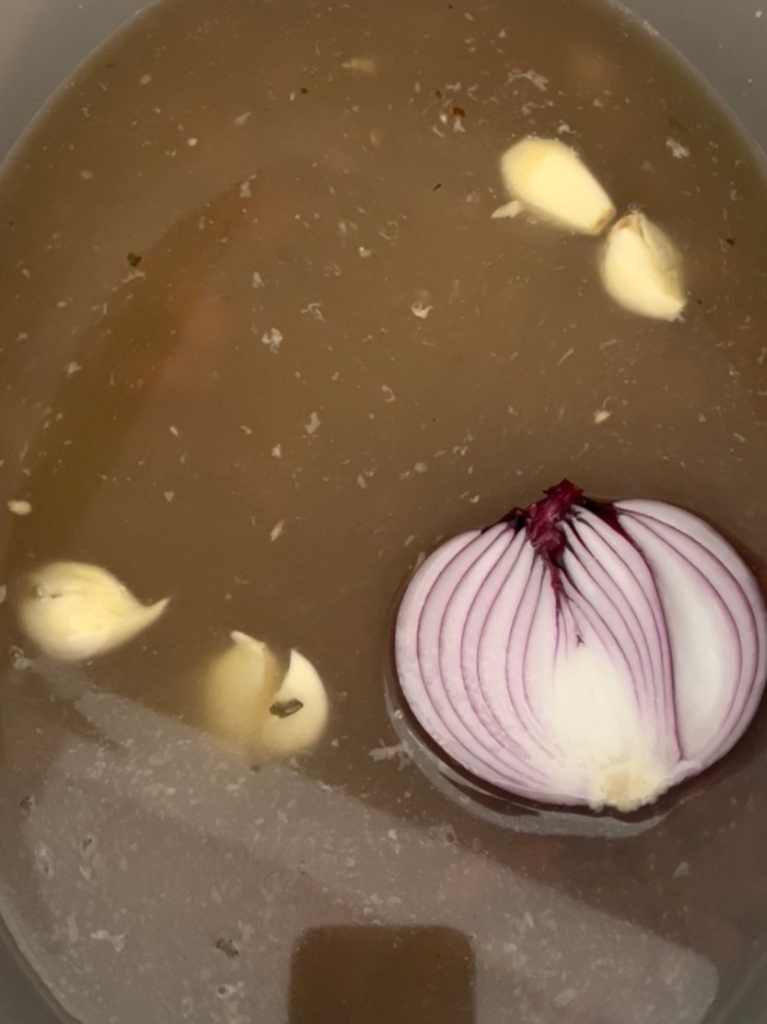
A halved yellow onion, left intact. The onion goes in whole and gets removed at the end — it adds flavor without leaving onion pieces in the beans. Yellow onion is the right choice here because it’s the most versatile.
Garlic and bay leaves. 3 cloves of garlic, smashed, and 1 to 2 dried bay leaves. The garlic adds depth and the bay leaves add a subtle herbal background.
Olive oil. 1 tablespoon. It reduces foaming during the cook and adds a silky richness to the beans.
Black pepper and kosher salt for seasoning. ½ teaspoon of black pepper, and 1 to 1½ teaspoons of kosher salt added in the last 15 to 20 minutes. The salt at the end is what seasons the beans all the way through.
How to Make Crockpot Kidney Beans
(See the recipe card below — the steps are identical and the card is the single source of truth.)
Why Cook Your Own Beans?
Budget. A one-pound bag of dried kidney beans costs $1 to $2 and makes about 6 cups of cooked beans — the equivalent of four 15-ounce cans. Four cans cost $4 to $6. That’s a real savings, and it adds up over a season of cooking.
Sodium. Canned beans are high in sodium, even after rinsing. Cooking your own beans lets you control the salt level completely. If you’re watching sodium, homemade beans can be significantly lower.
Texture and flavor. Homemade beans are creamier and more flavorful than canned. They also hold their shape better, which matters if you’re using them in a dish where you want the beans to stay intact.
No cans, no waste. Cooking from dried beans means no cans to recycle and no BPA concerns from can linings.
How to Use Crockpot Kidney Beans
Rice and beans. The classic pairing. Serve the beans over rice with a little of the cooking liquid and a sprinkle of cumin.
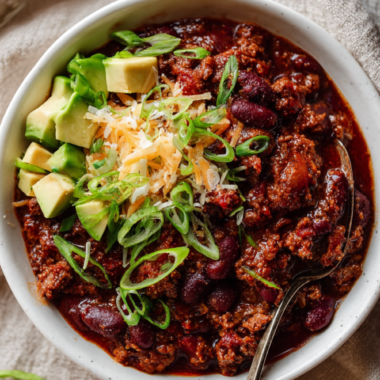
Chili. Use the beans in any chili recipe — they’re already cooked, so add them in the last 20 to 30 minutes.
Soups and stews. Add a cup or two of beans to any soup or stew in the last 20 minutes of cooking.
Bean dip. Mash the beans with garlic, cumin, and a little olive oil for a quick dip.
Salads. Toss the cooled beans with olive oil, lemon juice, red onion, and herbs for a simple bean salad.
Freezer portions. Freeze the beans in 2-cup portions (equal to one standard 15-ounce can) so you can grab a portion any time a recipe calls for a can.
Tips and Troubleshooting
The beans are still hard after 8 hours. They were old, or the acid was added too early, or the salt was added at the start. Use fresh beans, hold the acid until the end, and salt the soak — not the cooking water.
The beans turned mushy. They cooked too long, or the heat was too high. Check them at 6 hours and pull them when they’re tender but still hold their shape.
The beans aren’t creamy. They needed longer, or they needed a little more fat. The olive oil helps — don’t skip it. Older beans also take longer to get creamy.
The beans taste bland. The salt went in too late, or there wasn’t enough. Add the salt in the last 15 to 20 minutes, and taste before serving.
The beans made me sick. The stovetop pre-boil was skipped or too short. Raw kidney beans must be boiled vigorously for at least 10 minutes before going into the slow cooker. This is a food safety issue, not a preference.
The beans foamed over in the crockpot. The soaking water wasn’t drained, or the beans weren’t rinsed. Drain and rinse the beans after soaking and after the pre-boil.
The cooking liquid is too salty. The broth was salty, or too much salt went in. Use low-sodium broth and taste before adding the final salt.
The beans split open. They cooked too long, or the heat was too high. Check them at 6 hours and pull them when they’re tender.
Substitutions and Swaps
Red kidney beans → pinto beans, black beans, or cannellini beans. Same quantity and method. Note: the mandatory pre-boil is specific to red kidney beans because of the phytohaemagglutinin. Other beans don’t require it, but boiling them for 10 minutes anyway is a good habit and helps them soften evenly.
Water → vegetable broth or chicken broth. Same quantity. Broth adds flavor; low-sodium is the right choice.
Olive oil → any neutral oil. Same quantity. The oil reduces foaming and adds richness.
Yellow onion → white onion, leek, or skip it. Same quantity. The onion adds flavor but the beans work without it.
For a Mexican-style version: add 1 teaspoon of cumin and 1 teaspoon of dried oregano to the crockpot with the aromatics. Serve the beans with rice, avocado, and a squeeze of lime.
For a Southern-style version: add a smoked ham hock or a few slices of bacon to the crockpot. The smoke and fat add a depth that plain beans don’t have.
For a bean dip version: mash the cooked beans with garlic, cumin, olive oil, and a squeeze of lemon juice. Serve with tortilla chips or vegetables.
Storage and Reheat
Refrigerate cooled beans submerged in a bit of their cooking liquid in an airtight container for up to 5 days. Keeping them in liquid prevents them from drying out.
Freeze drained beans in freezer bags in 2-cup portions (equal to one standard 15-ounce can). Press out the air and freeze for up to 3 months.
Reheat in a saucepan over medium-low heat with a splash of water or broth, or in the microwave in 60-second intervals.
Food safety: store leftovers within 2 hours of cooking. Reheat to 165°F before serving. Discard anything left at room temperature longer than 2 hours.
Foolproof Creamy Crockpot Kidney Beans (From Dried)
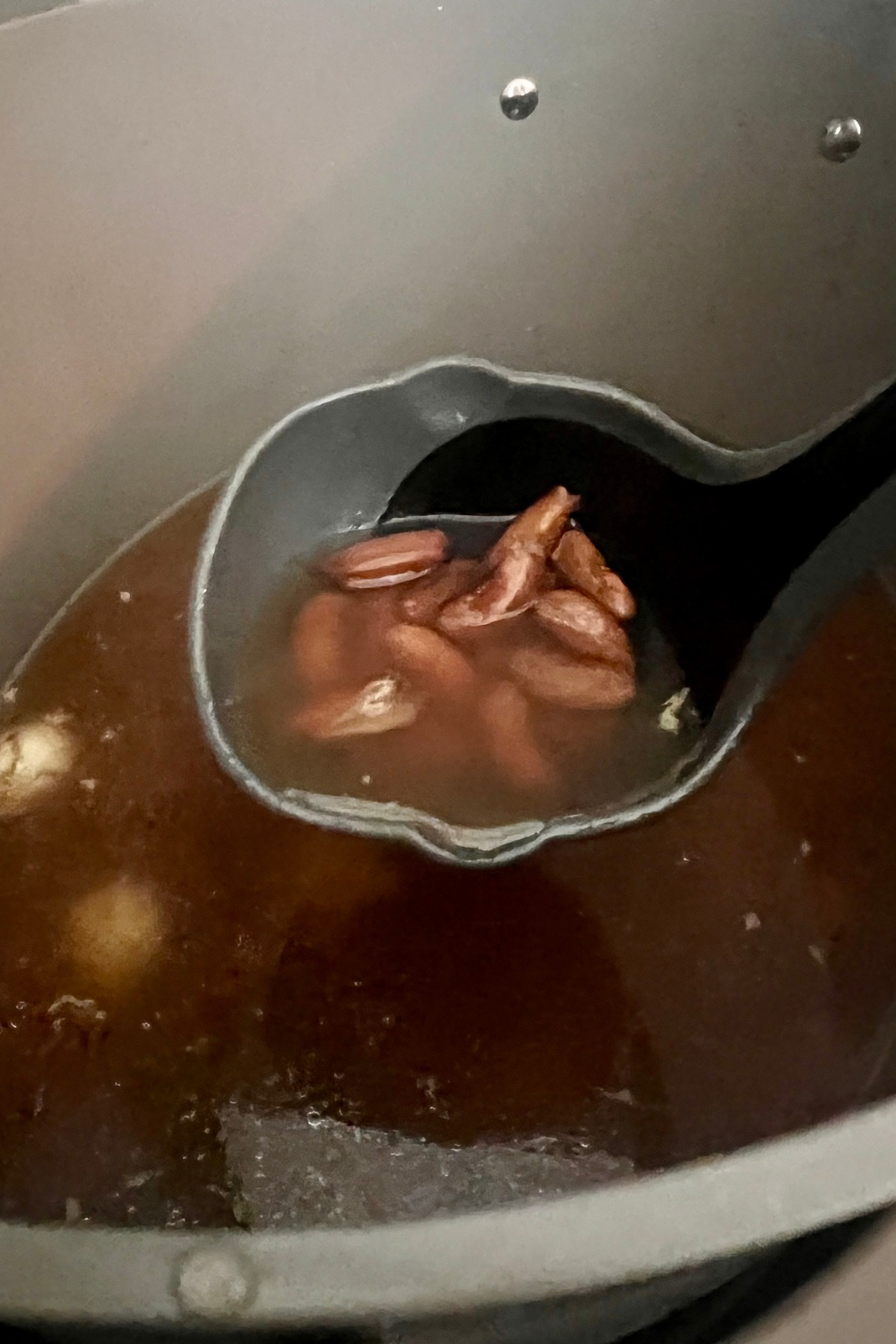
Creamy, budget-friendly crockpot kidney beans cooked from dried — with the mandatory stovetop pre-boil that makes them safe.
Ingredients
- 1 pound dried red kidney beans (about 2½ cups dried)
- 1 tablespoon kosher salt (for the soaking water only)
- 6 cups fresh water or low-sodium broth (for cooking)
- ½ medium yellow onion, peeled and left intact (easy to remove later)
- 3 cloves garlic, peeled and smashed
- 1 to 2 dried bay leaves
- 1 tablespoon olive oil (reduces foaming and adds silky richness)
- ½ teaspoon freshly ground black pepper
- 1 to 1½ teaspoons kosher salt (for seasoning at the end — or ¾ to 1 teaspoon fine sea salt)
Instructions
- Sort and Rinse: Spread the dried kidney beans on a rimmed baking sheet and pick out any shriveled, cracked beans or small stones. Transfer to a colander and rinse thoroughly under cold water.
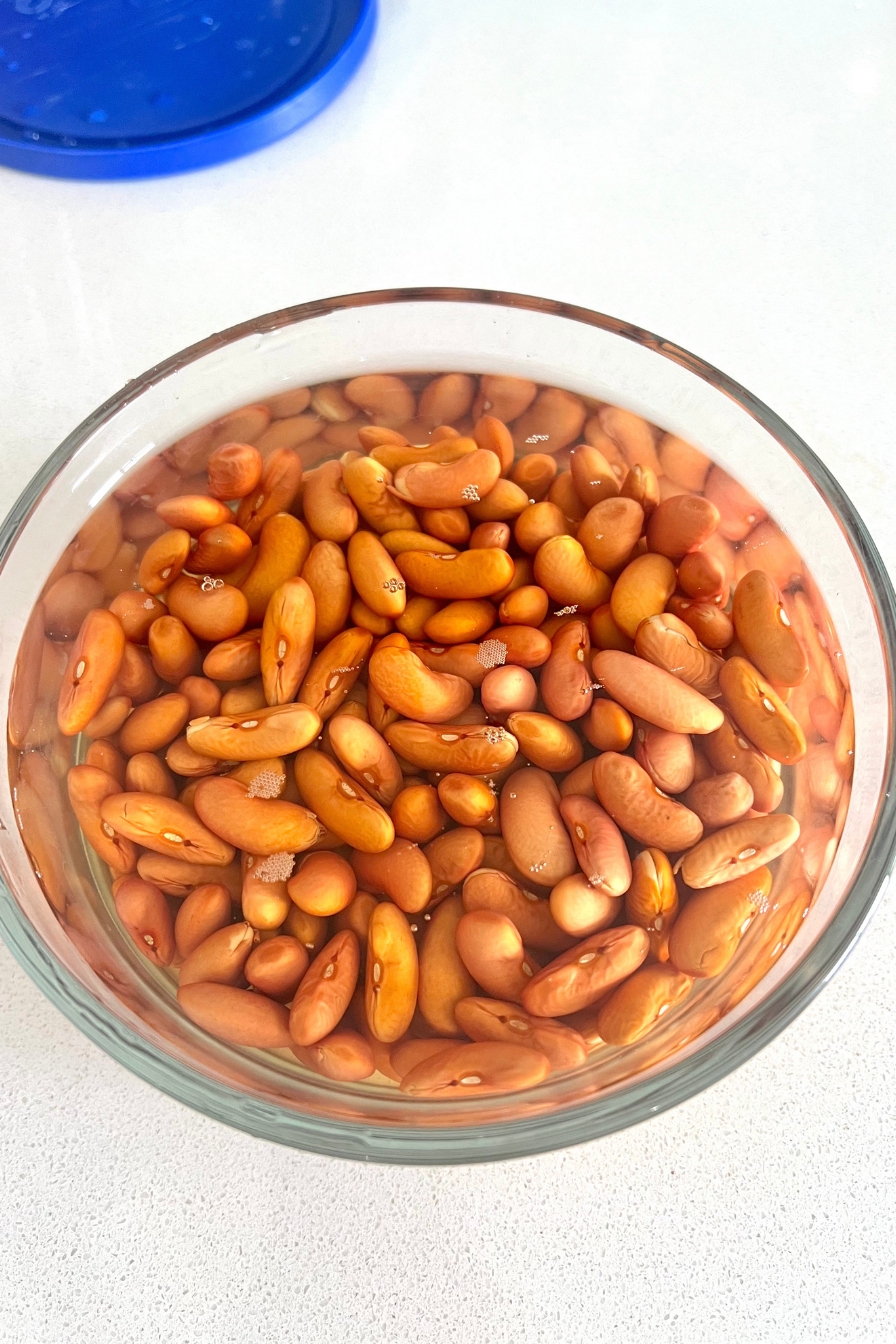
- Soak: Place the rinsed beans in a large pot, cover with at least 6 cups of cold water (the water should sit 2 inches above the beans), and stir in 1 tablespoon of kosher salt. Overnight soak: cover and let sit at room temperature 8 to 12 hours. Quick soak: bring the salted water and beans to a boil for 2 minutes, remove from the heat, cover, and let sit 1 hour.
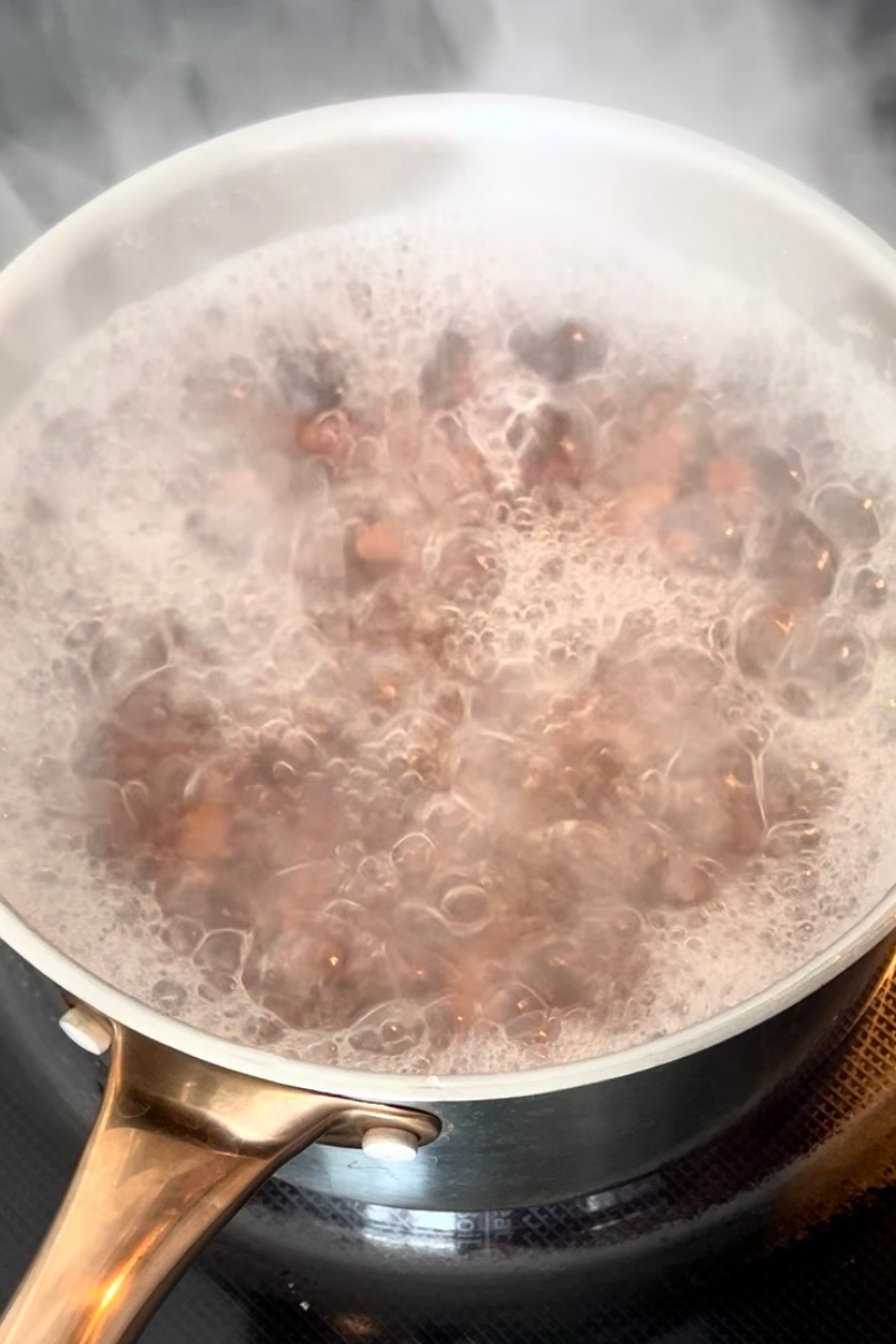
- Drain and Pre-Boil (Crucial Safety Step): Drain the salty soaking water and rinse the beans well in a colander. Return the beans to the pot, cover with 6 cups of fresh water, and bring to a full rolling boil over high heat. Boil uncovered 10 to 15 minutes, then drain completely. Discard this boiling water.
- Load the Crockpot: Transfer the pre-boiled, drained beans into a 4- to 6-quart slow cooker. Pour in 6 cups of fresh water or broth so the beans are submerged by at least 1 to 2 inches.
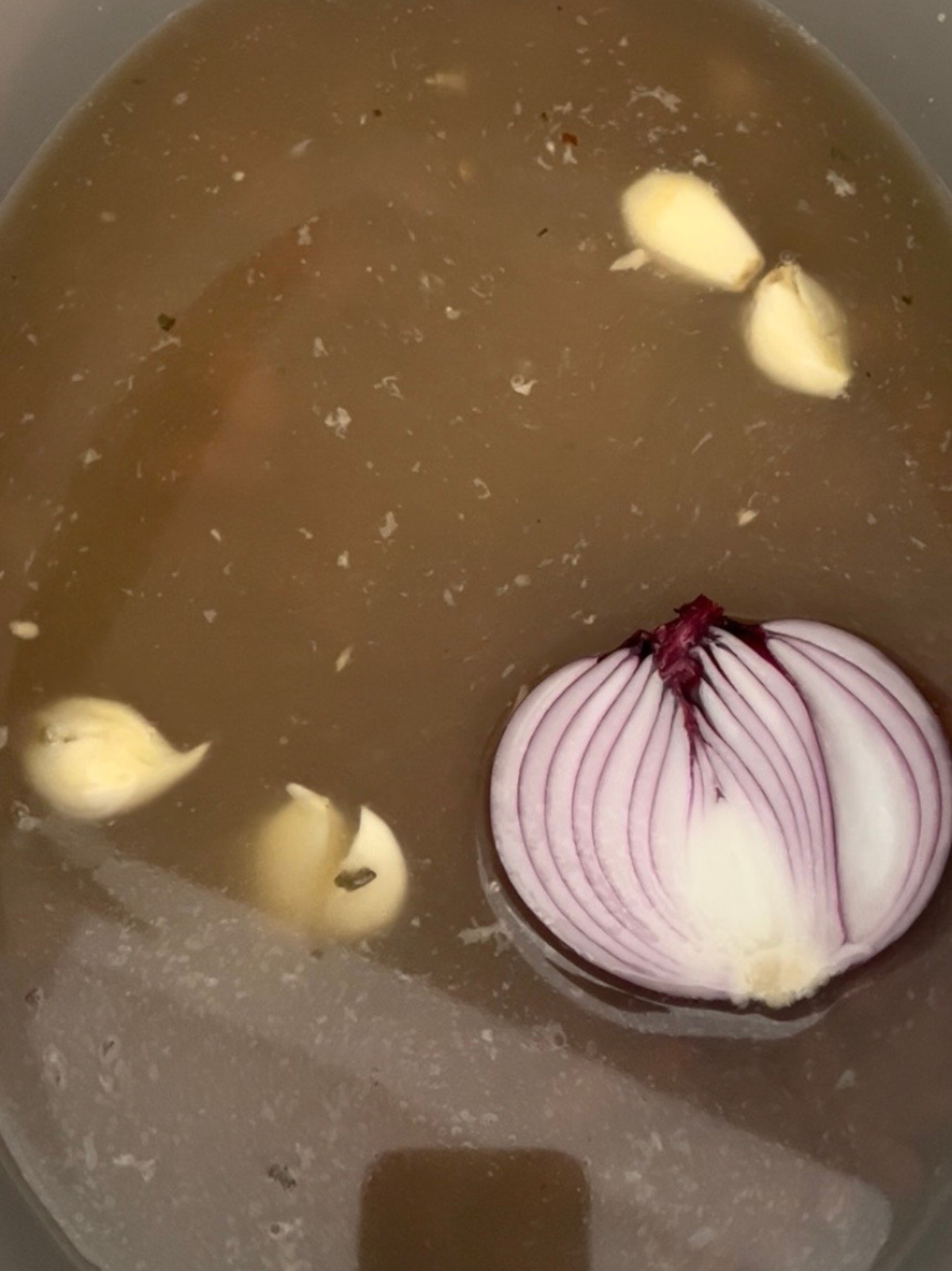
- Add Aromatics (Hold the Final Salt): Nestle the halved onion, smashed garlic cloves, bay leaves, olive oil, and black pepper into the pot. Do not add acidic ingredients (like tomatoes or vinegar) yet, as acid prevents beans from softening.
- Slow Cook: Cover and cook on LOW 6 to 8 hours or HIGH 3 to 4 hours, until the beans are completely tender and creamy when pressed against the roof of your mouth. Older beans may need an extra 30 to 60 minutes.
- Season and Finish: During the final 15 to 20 minutes of cooking, stir in 1 to 1½ teaspoons of kosher salt so the beans absorb flavor all the way through. Discard the onion halves and bay leaves. Drain, saving the rich cooking broth to use in soup or chili.
Notes
Estimated per serving (½ cup cooked beans): About 120 calories · 7g protein · 21g carbs · 1g fat · 6g fiber · 180mg sodium
Nutrition varies by bean brand and how much salt is added. Verify against your labels.
Food Safety Note: Raw red kidney beans contain phytohaemagglutinin, a natural toxin that slow cookers do not get hot enough to destroy. You must boil soaked kidney beans vigorously on the stovetop for at least 10 minutes before transferring them to a slow cooker.
Notes
The stovetop pre-boil is not optional — raw red kidney beans contain a toxin that a slow cooker cannot destroy, and the beans must be boiled vigorously for at least 10 minutes before going into the crockpot. Salt the soaking water, not the cooking water — salting at the start can keep the beans from softening. Hold any acidic ingredients (tomatoes, vinegar, citrus) until the beans are fully tender. The beans keep 5 days in the refrigerator in their cooking liquid, or 3 months in the freezer in 2-cup portions. Nutrition is an estimate and varies by bean brand and salt level.
Did you make this recipe? Leave a comment on the blog or share a photo on Pinterest.
Frequently Asked Questions
Do I really have to boil the beans before they go in the crockpot?
Yes — this is a food safety issue, not a preference. Raw red kidney beans contain phytohaemagglutinin, a toxin that causes nausea, vomiting, and abdominal pain. Slow cookers don’t get hot enough to destroy it. Boiling the soaked beans vigorously on the stovetop for 10 to 15 minutes destroys the toxin completely.
Can I cook kidney beans in a slow cooker without soaking them?
You can skip the soak and use the quick-soak method (boil 2 minutes, then sit 1 hour), but you can’t skip the pre-boil. The pre-boil is what makes the beans safe, and it also helps them cook more evenly.
Can I cook kidney beans in a slow cooker without a stovetop pre-boil?
No. The FDA and food safety authorities explicitly warn against cooking raw kidney beans in a slow cooker without a prior boil. The slow cooker doesn’t reach the temperature needed to destroy the toxin.
How long do crockpot kidney beans last in the fridge?
Up to 5 days in an airtight container, submerged in a bit of their cooking liquid. Keeping them in liquid prevents them from drying out.
Can I freeze cooked kidney beans?
Yes. Freeze drained beans in freezer bags in 2-cup portions (equal to one standard 15-ounce can) for up to 3 months.
Why are my beans still hard after 8 hours?
They were old, the acid was added too early, or the salt was added at the start. Use fresh beans, hold the acid until the beans are tender, and salt the soak — not the cooking water.
Can I use this method for other beans?
Yes. The method works for pinto beans, black beans, and cannellini beans. The mandatory pre-boil is specific to red kidney beans, but boiling other beans for 10 minutes anyway is a good habit that helps them soften evenly.
How much does this recipe save compared to canned beans?
A one-pound bag of dried kidney beans costs $1 to $2 and makes about 6 cups of cooked beans, which is the equivalent of four 15-ounce cans. Four cans cost $4 to $6. That’s a savings of $2 to $5 per batch, and it adds up over a season of cooking.
More Meal Prep and Bean Recipes You’ll Love
Hearty Taco Soup — one-pot, ready in 35 minutes.
Slow Cooker White Chicken Chili — 3 hours on LOW, thick and creamy.
Mediterranean Lentil Soup — hearty, plant-based, and budget-friendly.
Turkey Meatballs — juicy baked mini meatballs for meal prep and freezer storage.
15 Easy Chicken Crockpot Recipes for Busy Families — the full collection, organized by night-type.
High-Protein Slow Cooker Dinners — ten weeknight dinners organized by cook time.
Closing
I started making these crockpot kidney beans a few years ago when I realized how much money I was spending on canned beans, and I haven’t bought a can since.
A bag of dried beans costs almost nothing, the crockpot does most of the work, and the beans come out creamier and better tasting than anything from a can.
Once the weather turns cool, I make a batch almost every week and use them in chili, soups, and rice and beans all season long.
The one thing I’d tell anyone making this for the first time is to take the pre-boil seriously. It’s one extra step, and it’s the step that makes the beans safe. Once you’ve done it once, it becomes part of the routine, and you’ll wonder why you ever bought canned beans.
If you make the Southern-style version with a ham hock, or use the beans in a chili recipe, let me know how it turns out in the comments.