
Peanut Sauce (Peanut Butter Sesame, No Tahini)
If you love the peanut sauce you get at Thai restaurants — the one that comes in a little cup next to the spring rolls, or the one that coats a bowl of noodles so well you want to lick the plate — this is the sauce to keep in your back pocket. It’s a peanut butter sesame sauce made with ingredients you probably already have: peanut butter, soy sauce, rice vinegar, toasted sesame oil, honey, garlic, and ginger. No tahini, no special trip to the store, and it comes together in about five minutes.
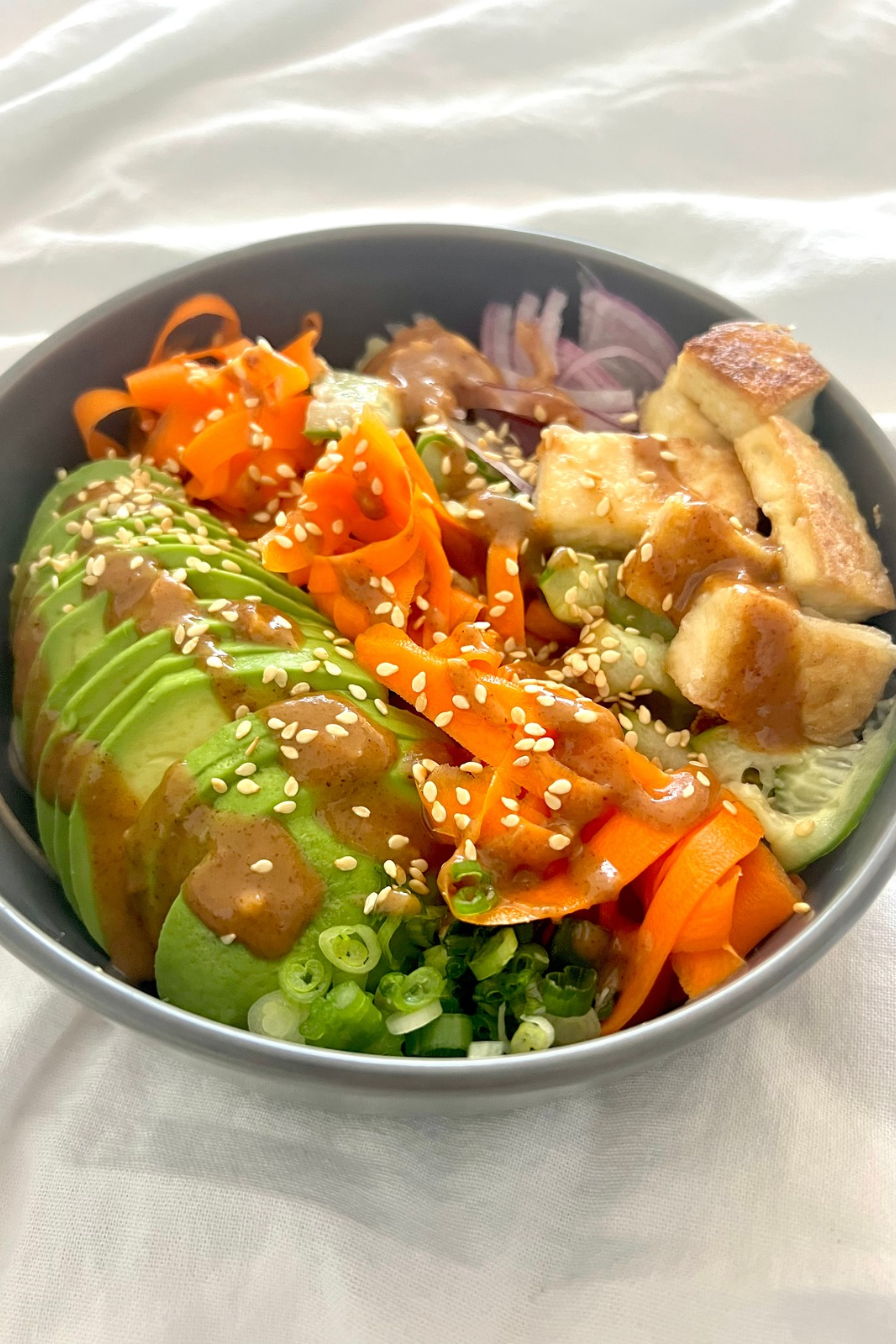
The best thing about this sauce is how many places it works. It’s a dipping sauce for spring rolls, a dressing for soba noodle bowls, a sauce for chicken or tofu bowls, a drizzle for grain bowls and salads, and a stir-fry sauce for noodles and vegetables. It’s the kind of recipe that earns a permanent spot in your fridge because once you’ve made it once, you’ll find a reason to use it every week.
The sauce is also easy to adjust. If you want it spicy, add a teaspoon of chili garlic sauce or a pinch of red pepper flakes. If you want it tangier, a squeeze of lime juice or a splash of fish sauce does the trick. If you want it sweeter, a little more honey. The base recipe is the starting point, and the adjustments are what make it yours.
The recipe makes about ¾ cup of sauce, which is enough for 4 servings of noodles or a batch of spring rolls. It takes 5 minutes to whisk together and keeps for a week in the fridge. It’s the kind of thing that turns a plain bowl of noodles into something you actually want to eat, and once you’ve made it once, you’ll understand why Thai restaurants keep it on the menu.
Why This Sauce Works
Peanut sauce goes wrong in three specific ways: a sauce that’s too thick to drizzle, a sauce that’s too thin to cling, and a sauce that tastes like nothing but peanut butter. Here’s how this version solves each one.
1. Whisk the Peanut Butter With the Wet Ingredients Before the Water
Peanut butter seizes when it hits cold liquid, and it turns into a thick paste. Whisking it with the soy sauce, rice vinegar, sesame oil, and honey first, then adding the warm water one tablespoon at a time, gives you a smooth, pourable sauce instead of a stiff one. The order matters more than the ingredients.
2. Start With 3 Tablespoons of Water and Adjust From There
The sauce thickens as it sits, so starting with a little less water than you think you need is the right call. Start with 3 tablespoons, and add more if you want a thinner sauce for drizzling or dipping. If you’re using it as a noodle sauce, you’ll want it thinner; if you’re using it as a dip, you’ll want it thicker.
3. Balance the Peanut Butter With Acid and Salt
Peanut butter is rich and slightly sweet, and without acid and salt, it tastes flat. The soy sauce brings the salt and umami, and the rice vinegar brings the acid that brightens the whole thing. The honey rounds it out, and the garlic and ginger give it depth. Every ingredient is doing a job.
Ingredients That Matter
Peanut butter. ¼ cup. The base of the sauce. Creamy peanut butter works best — natural or conventional both work, but stir natural peanut butter well before measuring. If you want a milder sauce, use 3 tablespoons instead of ¼ cup.
Warm water. 3 to 4 tablespoons. The water is what makes the sauce pourable. Add it one tablespoon at a time, starting with 3 tablespoons, and stop when the sauce reaches the consistency you want.
Soy sauce. 3 tablespoons. The salt and umami. Low-sodium soy sauce lets you control the salt level. Tamari makes the recipe gluten-free; coconut aminos are sweeter and need a pinch more salt.
Rice vinegar. 2 tablespoons. The acid that balances the peanut butter and brightens the whole sauce. Apple cider vinegar or white wine vinegar both work, but rice vinegar is the milder, more traditional choice.
Toasted sesame oil. 1 tablespoon. The nutty aroma that makes the sauce taste Asian-inspired instead of just peanut butter and soy sauce. Toasted sesame oil is a finishing oil, not a cooking oil — it belongs in the sauce, not in the pan.
Honey. 1 teaspoon. The sweetness that rounds out the acid and salt. Maple syrup works one-for-one, and it makes the sauce vegan.
Garlic and ginger. 1 clove of garlic, minced, and 1 teaspoon of freshly grated ginger. The aromatics that give the sauce its depth. Fresh, not powdered.
Optional lime juice. A squeeze of fresh lime juice brightens the sauce and adds a little more acid. It’s optional, but if you have a lime on hand, it’s worth doing.
How to Make Peanut Sauce
(See the recipe card below — the steps are identical and the card is the single source of truth.)
How to Use Peanut Sauce
Spring roll dipping sauce. The classic use. Serve it in a small bowl next to fresh or fried spring rolls.
Soba noodle bowl dressing. Toss it with cold soba noodles, vegetables, and your choice of protein.
Chicken or tofu bowl sauce. Spoon it over rice, chicken, tofu, and vegetables.
Salad dressing. Thin it with a little more water and use it as a dressing for crunchy salads.
Stir-fry sauce. Add it to a hot wok with noodles and vegetables in the last minute of cooking.
Satay skewers. Brush it over grilled chicken, beef, or tofu skewers.
Grain bowl drizzle. Drizzle it over rice, quinoa, or farro with roasted vegetables.
Tips and Troubleshooting
The sauce is too thick. The peanut butter seized, or there wasn’t enough water. Whisk in warm water a teaspoon at a time until it drizzles.
The sauce is too thin. Too much water. Add another tablespoon of peanut butter and whisk until smooth.
The sauce tastes too peanut-buttery. Use 3 tablespoons of peanut butter instead of ¼ cup, or add an extra teaspoon of rice vinegar to balance it.
The sauce tastes flat. It needs more acid or more salt. Add a squeeze of lime juice or a splash more soy sauce and taste again.
The sauce separated. The peanut butter was cold, or the water was too cold. Use room-temperature peanut butter and warm water, and whisk thoroughly.
The sauce tastes bitter. The garlic was old or the ginger was past its prime. Use fresh garlic and ginger.
The sauce is too spicy. Too much chili garlic sauce or red pepper flakes. Start with ½ teaspoon and add more if you want real heat.
The sauce tastes too salty. Regular soy sauce instead of low-sodium. Use low-sodium soy sauce, and taste before adding any extra salt.
Substitutions and Swaps
Peanut butter → almond butter or sunflower seed butter. Same quantity. Almond butter is slightly drier; sunflower butter makes the recipe nut-free.
Soy sauce → tamari or coconut aminos. Same quantity. Tamari makes the recipe gluten-free; coconut aminos are sweeter and need a pinch more salt.
Rice vinegar → apple cider vinegar or white wine vinegar. Same quantity. Both are sharper than rice vinegar, so you may need an extra half-teaspoon of honey.
Honey → maple syrup. Same quantity. Maple syrup makes the sauce vegan.
For a spicy peanut sauce version: add 1 teaspoon of chili garlic sauce or ¼ teaspoon of red pepper flakes to the sauce.
For a tangier peanut sauce version: add an extra tablespoon of rice vinegar or a squeeze of lime juice.
For a fish sauce peanut sauce version: add 1 teaspoon of fish sauce to the sauce. It deepens the umami and adds a savory note that’s closer to Thai restaurant peanut sauce.
For a vegan peanut sauce version: use maple syrup instead of honey, and make sure your soy sauce and other ingredients are vegan.
Storage and Reheat
Refrigerate the sauce in a sealed jar or airtight container for up to 1 week. The sauce thickens as it sits, so stir in a splash of warm water before using.
Freeze the sauce for up to 3 months. Thaw overnight in the refrigerator and stir well before using.
No reheating needed. The sauce is served at room temperature or cold.
Food safety: store the sauce in the refrigerator within 2 hours of making. Discard anything that smells off or has been left at room temperature longer than 2 hours.
Peanut Butter Sesame Sauce (No Tahini)
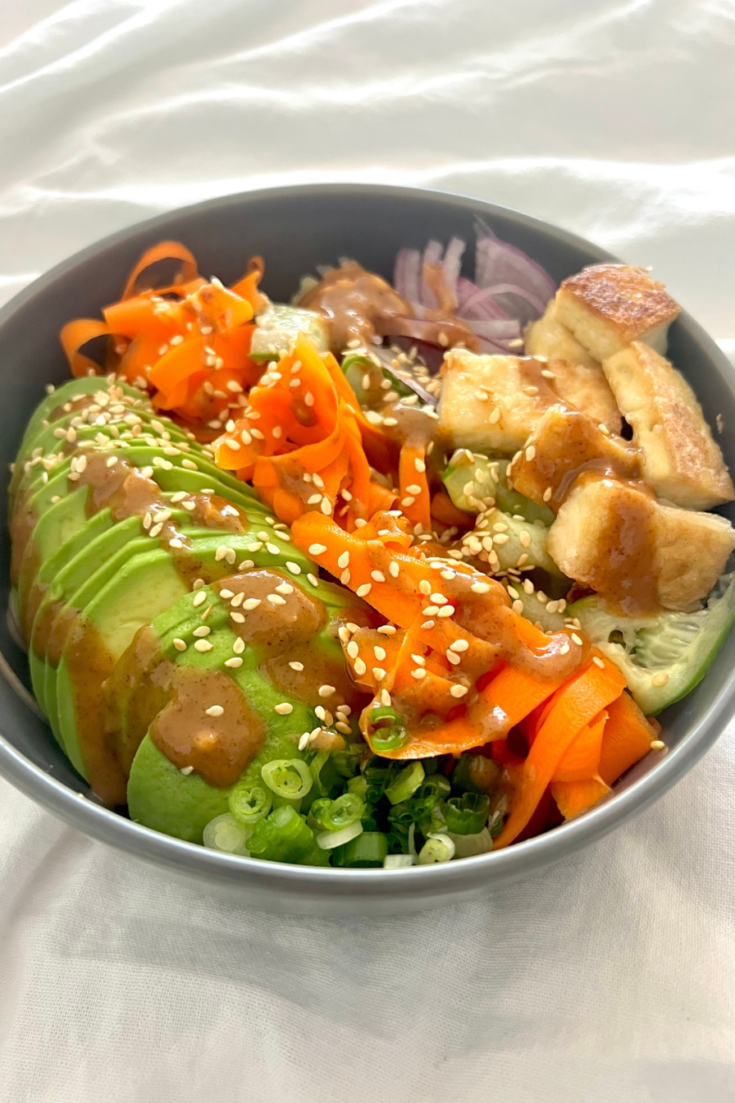
A creamy peanut sauce made with peanut butter, soy sauce, rice vinegar, sesame oil, and ginger — no tahini needed. Ready in 5 minutes for noodles, bowls, or dipping.
Ingredients
- ¼ cup peanut butter
- 3 to 4 tablespoons warm water, added gradually
- 3 tablespoons soy sauce
- 2 tablespoons rice vinegar
- 1 tablespoon toasted sesame oil
- 1 teaspoon honey
- 1 clove garlic, minced
- 1 teaspoon freshly grated ginger
- Optional: a squeeze of fresh lime juice
Instructions
- Combine the Base: Add the peanut butter, soy sauce, rice vinegar, sesame oil, and honey to a bowl.
- Whisk Until Combined: Whisk until the ingredients come together into a thick, smooth paste.
- Add the Water Gradually: Add the warm water, 1 tablespoon at a time, until you reach your desired consistency. Start with 3 tablespoons — the sauce will thicken as it sits, so you can thin it out later.
- Add the Aromatics: Stir in the garlic and ginger.
- Taste and Adjust: Add a little more honey for sweetness, rice vinegar for tanginess, or a squeeze of lime juice for brightness. Taste and adjust until the sauce is balanced.
Notes
Estimated per serving (¼ of recipe): About 130 calories · 4g protein · 7g carbs · 10g fat · 1g fiber · 480mg sodium
Nutrition varies by peanut butter and soy sauce brands. Verify against your labels.
Notes
Whisk the peanut butter with the soy sauce, rice vinegar, sesame oil, and honey before the water goes in — peanut butter seizes when it hits cold liquid, and the order is what gives you a smooth, pourable sauce. Start with 3 tablespoons of water; the sauce thickens as it sits, so you can always add more. The sauce keeps 1 week in the refrigerator in a sealed jar — stir in a splash of warm water before using. For a spicy version, add 1 teaspoon of chili garlic sauce. For a tangier version, add an extra tablespoon of rice vinegar or a squeeze of lime juice. For a fish sauce version, add 1 teaspoon of fish sauce. Nutrition is an estimate and varies by peanut butter and soy sauce brands.
Did you make this recipe? Leave a comment on the blog or share a photo on Pinterest.
Frequently Asked Questions
What is peanut sauce made of?
This peanut sauce is made with peanut butter, soy sauce, rice vinegar, toasted sesame oil, honey, garlic, and ginger. It’s a peanut butter sesame sauce without tahini — the peanut butter is the base, and the sesame oil adds the nutty aroma.
Can I make this peanut sauce without tahini?
Yes — this recipe is specifically a no-tahini peanut sauce. The peanut butter is the base, and the sesame oil provides the nutty depth that tahini would normally provide.
How long does peanut sauce last?
Up to 1 week in the refrigerator in a sealed jar. The sauce thickens as it sits, so stir in a splash of warm water before using.
Can I make this peanut sauce spicy?
Yes. Add 1 teaspoon of chili garlic sauce or ¼ teaspoon of red pepper flakes to the sauce. Start with ½ teaspoon and add more if you want real heat.
Can I make this peanut sauce vegan?
Yes. Use maple syrup instead of honey, and make sure your soy sauce and other ingredients are vegan.
Can I freeze peanut sauce?
Yes. Freeze the sauce for up to 3 months. Thaw overnight in the refrigerator and stir well before using.
What do you use peanut sauce for?
Spring roll dipping, soba noodle bowls, chicken or tofu bowls, salads, stir-fries, satay skewers, and grain bowls. It’s a versatile sauce that works as a dip, a dressing, or a cooking sauce.
Is this the same as Thai peanut sauce?
It’s inspired by Thai peanut sauce — the peanut butter, soy sauce, and sesame combination is the same. This version uses rice vinegar and honey instead of tamarind and palm sugar, which makes it easier to make at home with everyday ingredients.
More Sauce and Asian-Inspired Recipes You’ll Love
Soba Noodle Bowl — cold soba with peanut sesame sauce.
Tofu Marinade — honey soy marinade for meal prep tofu.
Teriyaki Ground Chicken Bowls — 20-minute meal prep bowls.
Creamy Chicken Penne — 25-minute pasta with garlic mushrooms.
15 Easy Chicken Crockpot Recipes for Busy Families — the full collection, organized by night-type.
High-Protein Slow Cooker Dinners — ten weeknight dinners organized by cook time.
Closing
I’ve been making this peanut sauce for years, and the thing that changed everything for me was learning to whisk the peanut butter with the wet ingredients before the water goes in.
The first batch I made was a stiff paste — the peanut butter seized, and no amount of stirring fixed it.
Once I started adding the water gradually, the sauce came out smooth and pourable, and it’s been the sauce I keep in the fridge ever since.
If you make the spicy version or the fish sauce version, let me know how it turns out in the comments.