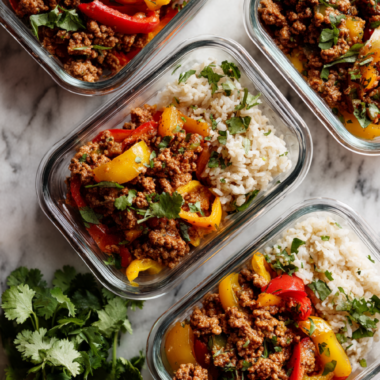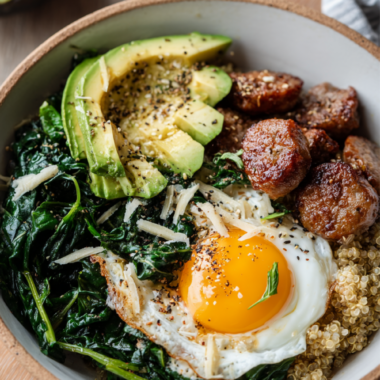
I make a lot of crockpot soups once the weather turns — beef stew, chili, lasagna soup, creamy chicken pot pie soup.
They all earn their place in the rotation. But the one that actually feels like this season, the one I start craving in October and keep making through February, is this butternut squash and white bean vegetable soup.
It’s vegetarian, it’s built on plant-based protein, and it’s full of the produce that’s actually good right now. It’s also creamy in a way that has nothing to do with heavy cream.
I’ll be honest about the protein: this isn’t going to out-protein a beef stew or a chicken pot pie soup, and I’m not going to pretend it does.
It’s a meatless dinner that still leaves you full—about 18 grams of protein per bowl from white beans, cottage cheese, and Parmesan, plus eight grams of fiber from the vegetables and beans.
When I want a meatless night that doesn’t feel like a compromise, I make this pot.
The technique that makes it work is the one I got wrong the first few times: tempering the blended cottage cheese with hot broth before it goes into the pot, and adding the vinegar last.
Cottage cheese stirred cold into hot, acidic tomato broth will separate into little white specks — it looks like the soup has gone wrong even though it tastes fine.
Tempering it first and holding the vinegar until the very end keeps the broth velvety and pale instead of grainy. I tested this in my kitchen with a 6-quart crockpot and a blender, and those two moves are the difference between a soup that looks creamy and one that just looks broken.
Why This Recipe Works
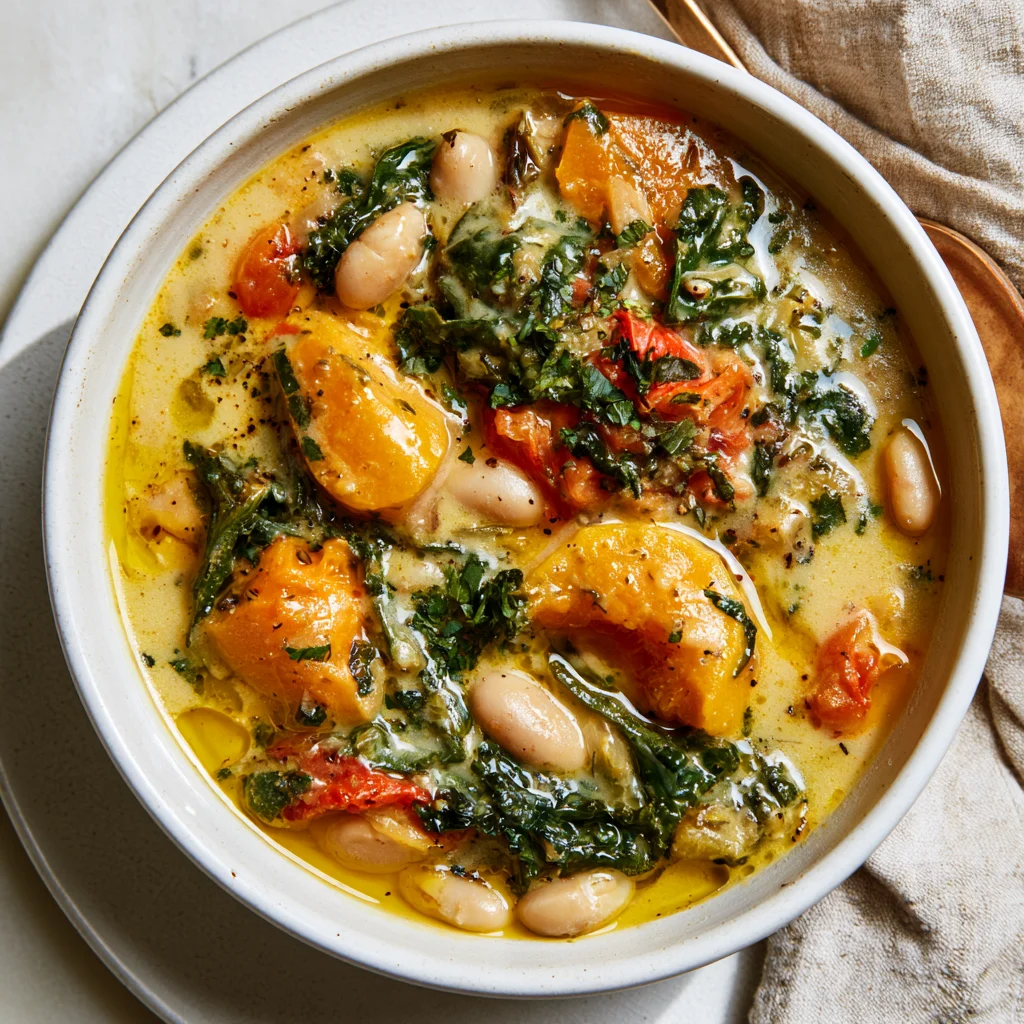
Blended cottage cheese provides the protein and creaminess, and tempering keeps it smooth. One and a half cups of 2% cottage cheese, blended until completely smooth, provides most of the protein in this pot and turns the broth velvety without heavy cream. But dairy proteins shrink and separate when they hit hot, acidic liquid. Ladling a half cup of hot broth into the blended cottage cheese and whisking hard before adding it to the pot raises its temperature gradually, so it disperses into the soup instead of curdling into specks.
Add the vinegar last, after the cottage cheese, for the same reason. Red wine vinegar is what wakes up a soup that’s been cooking for hours — four hours of heat mutes acidity, and without it the pot tastes flat. But acid is exactly what breaks a dairy emulsion. Stirring it in after the cottage cheese is fully incorporated gives the soup brightness without curdling.
Cannellini beans do double duty: protein and body. Two cans of white beans add protein and release starch as they simmer, thickening the broth before the cottage cheese even goes in. That starch is why this soup doesn’t need a roux or cream to feel substantial, and it’s why the broth coats a spoon.
Cut butternut squash into uniform ¾-inch cubes for a crockpot cook. Smaller than that and it dissolves into the broth by hour three; larger and it’s still firm when everything else is done. Uniform cubes also mean the squash finishes at the same time as the carrots, so nothing turns to mush while something else stays crunchy.
The Parmesan rind is the savory backbone. Simmering a rind in the broth for hours adds an earthy depth that no amount of salt or broth concentrate can replicate. It’s optional, but it’s the difference between a soup that tastes slow-cooked and one that tastes like vegetables in water. Whisking in a quarter cup of grated Parmesan into the cottage cheese reinforces it.
Starting with one teaspoon of salt, not two, is deliberate. The broth, the Parmesan rind, and the Parmesan in the cottage cheese all carry salt, and the soup reduces slightly as it cooks. Starting low and adjusting at the end — after the rind comes out and the acid goes in — is how you avoid a pot that’s too salty to fix.
Ingredients That Matter
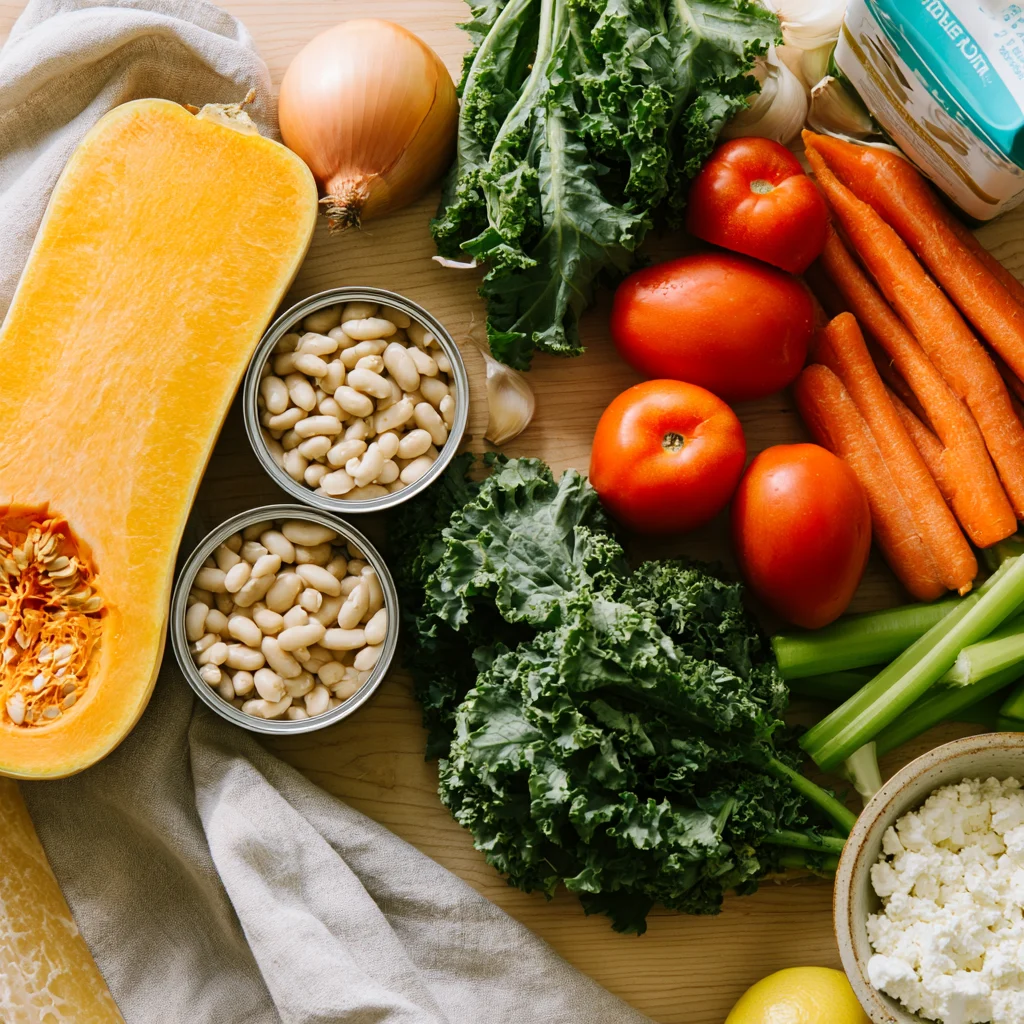
Most of this list is flexible. Three ingredients are easy to get wrong, so those are the ones worth explaining.
Cottage cheese, blended completely smooth and tempered. This is the protein source and the creamy texture, and it only works if you blend it until no curds remain, then warm it with hot broth before adding it to the pot. Use 2% or full-fat — nonfat cottage cheese tastes thin and is more likely to separate. Blend it to the consistency of heavy cream, whisk in the grated Parmesan, then temper.
Cut butternut squash into uniform ¾-inch cubes. This is the seasonal ingredient that gives the soup its identity. Pre-cubed squash from the store is usually cut smaller than you want — check the bag, and if the cubes are under half an inch, add the squash in the last hour of cooking instead of at the start.
Parmesan rind. Optional but strongly recommended. It’s the umami layer that makes the soup taste as if it cooked longer than it did. If you don’t have one, stir in a tablespoon of white miso at the end for a decent substitute, though the flavor will be different.
How to Make It
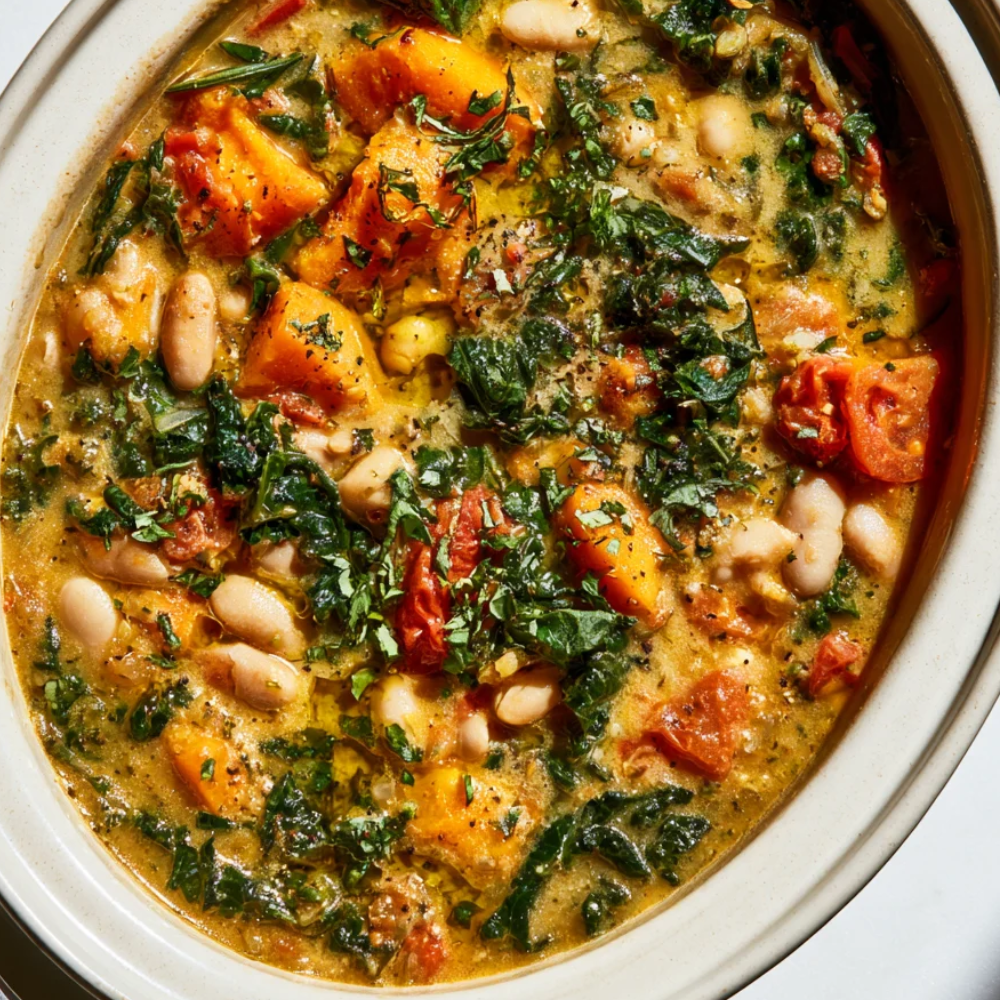
Step 1: Load the crockpot.
In a 6-quart or larger crockpot, combine 1 diced medium yellow onion, 2 carrots sliced into ¼-inch rounds, 2 chopped celery stalks, 1 pound of butternut squash cut into uniform ¾-inch cubes, 4 seeded and chopped Roma tomatoes (or one 14.5-oz can of diced tomatoes, drained), 3 minced garlic cloves, 2 cans (15 oz each) of rinsed and drained no-salt-added cannellini beans, 4 cups of low-sodium vegetable broth, 1 Parmesan rind, 1 teaspoon kosher salt, ½ teaspoon black pepper, and 1 teaspoon Italian seasoning. Stir well. The squash should be in distinct cubes, not crushed.
Step 2: Cook.
Cover and cook on Low for 6 hours or High for 3 to 4 hours, until the butternut squash and carrots are fork-tender and the beans are soft but not falling apart.
Step 3: Wilt the kale.
Turn off the crockpot and remove the insert from the heating element. Remove and discard the Parmesan rind. Stir in 3 cups of chopped kale, cover, and let sit for 5 minutes, until the kale is tender and still bright green.
Step 4: Blend and temper the dairy.
While the kale wilts, blend 1½ cups of 2% cottage cheese in a blender or food processor until completely smooth, with zero visible curds — it should look like heavy cream. Whisk in ¼ cup of freshly grated Parmesan. Ladle ½ cup of the warm soup broth into the cottage cheese mixture and whisk vigorously to temper it. The mixture should feel warm to the touch, not hot.
Step 5: Emulsify the soup.
Pour the tempered cottage cheese mixture into the crockpot in a steady stream, stirring constantly, until the broth turns rich, pale, and velvety smooth. If you see any white specks, stop and whisk harder — the mixture wasn’t tempered enough.
Step 6: Finish with acid and season.
Stir in 2 teaspoons of red wine vinegar. Taste, and add salt or black pepper as needed — this is the moment to correct the seasoning, not before. The vinegar goes in after the cottage cheese, never before.
Step 7: Serve.
Ladle into shallow bowls and top each with a small dollop of pesto or a drizzle of olive oil. The soup thickens as it sits, so loosen leftovers with a splash of broth when reheating.
Tips and Troubleshooting
The soup has tiny white specks and looks grainy. The cottage cheese wasn’t tempered, or you added it to a pot that was still simmering. Ladle hot broth into the blended cottage cheese and whisk before adding it, and make sure the crockpot is off and the insert is removed from the heat.
The soup tastes flat. It needs the vinegar, and it may need more salt than you started with. Four hours of cooking mutes acidity and the perception of salt. Stir in the red wine vinegar, taste, and add salt a quarter teaspoon at a time.
The butternut squash dissolved into the broth. The cubes were too small or the cook time was too long. Cut the squash into uniform ¾-inch cubes, and check the soup at the 3-hour mark on high — if the squash is already tender, it’s done.
The kale turned dark and soft. It cooked too long. Stir it in with the crockpot off and let the residual heat wilt it for five minutes only.
The soup is too salty. The broth, rind, and Parmesan all carry salt. Start with 1 teaspoon of salt, taste after you remove the rind, and adjust at the end. If it’s already too salty, add a splash of water or an extra half cup of unsalted broth.
The soup is too thick. The beans and squash released more starch than expected, or it sat overnight. When reheating, loosen with broth or water a half cup at a time.
The cottage cheese tastes tangy and dominates. The brand matters, and so does the fat content. Use 2% or full-fat cottage cheese and blend it fully — a grainy or thin cottage cheese reads as tangy because it never fully disperses.
A Few Honest Notes
I haven’t tested this with a dairy-free cottage cheese substitute. Most dairy-free cottage cheeses don’t blend to the same smooth texture and won’t temper the same way — the soup will likely be thinner and slightly grainy. If you try it, I’d love to hear how it turns out.
Storage and Make-Ahead
You can assemble the soup through Step 1 and refrigerate it in the crockpot insert overnight before cooking. Add 30 minutes to the cook time if you add it cold.
Leftovers keep in a sealed container in the refrigerator for up to 4 days. The soup thickens significantly as it chills; loosen with broth or water when reheating. Reheat gently on the stovetop or in the microwave, and do not boil after the cottage cheese is in — high heat can make it split. Reheat to 165°F.
I don’t recommend freezing this soup after you stir in the cottage cheese. The dairy can separate and turn grainy on thawing. If you want to freeze it, freeze the soup before adding the cottage cheese, then blend it, temper it, and stir in fresh cottage cheese when you reheat.
Store leftovers in the refrigerator within 2 hours of cooking, and discard anything left at room temperature for more than 2 hours.
Creamy Butternut Squash Vegetable Soup
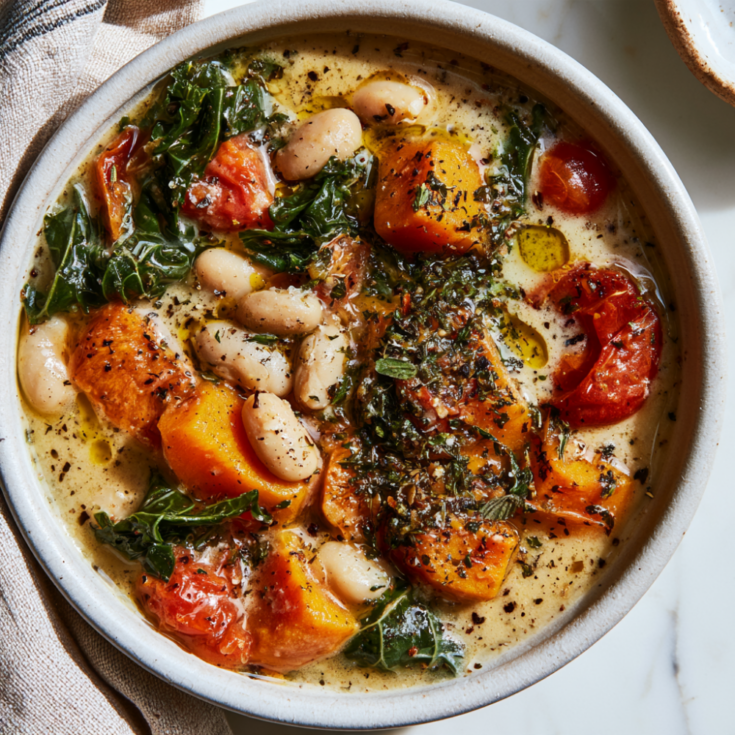
A hearty vegetarian crockpot soup loaded with tender butternut squash, cannellini beans, and kale in a velvety broth made rich with blended cottage cheese and Parmesan. 18g protein per bowl, no heavy cream, no meat.
Ingredients
- 1 medium yellow onion, finely diced
- 2 medium carrots, sliced into ¼-inch rounds
- 2 celery stalks, chopped
- 1 lb butternut squash, cut into uniform ¾-inch cubes
- 4 Roma tomatoes, seeded and chopped (or 1 can 14.5 oz diced tomatoes, drained)
- 3 cloves garlic, minced
- 2 cans (15 oz each) no-salt-added cannellini beans, rinsed and drained
- 4 cups low-sodium vegetable broth
- 1 Parmesan rind
- 1 tsp kosher salt, plus more to taste
- ½ tsp freshly ground black pepper
- 1 tsp Italian seasoning
- 1½ cups 2% cottage cheese, blended until completely smooth
- ¼ cup freshly grated Parmesan
- 3 cups chopped kale, stems removed
- 2 tsp red wine vinegar
- Pesto or olive oil, for serving (optional)
Instructions
- Combine the onion, carrots, celery, butternut squash, tomatoes, garlic, beans, broth, Parmesan rind, Italian seasoning, 1 teaspoon salt, and pepper in a 6-quart or larger crockpot. Stir well.
- Cover and cook on Low for 6 hours or High for 3 to 4 hours, until the squash and carrots are fork-tender.
- Turn off the crockpot and remove the insert. Discard the Parmesan rind. Stir in the kale, cover, and let sit 5 minutes until tender and bright green.
- Blend the cottage cheese until completely smooth with no visible curds. Whisk in the grated Parmesan. Ladle ½ cup of hot broth into the mixture and whisk vigorously to temper.
- Pour the tempered cottage cheese into the crockpot in a steady stream, stirring constantly, until the broth is rich, pale, and velvety.
- Stir in the red wine vinegar. Taste and adjust salt and pepper.
- Serve with a dollop of pesto or a drizzle of olive oil.
Notes
Notes: Leftovers keep refrigerated up to 4 days; loosen with broth when reheating and do not boil after the cottage cheese is added. Not recommended for freezing after the cottage cheese is stirred in. Nutrition information is an estimate.
Nutrition (per serving, estimated): About 280 calories, 18g protein, 38g carbs, 6g fat, 8g fiber, 580mg sodium.
FAQ
Can I make this without cottage cheese?
You can, but the protein drops to about 12g per serving, and the broth will be thinner. If you want to keep it dairy-free, the soup still works as a bean-and-vegetable soup — just adjust expectations on the protein and add an extra can of beans for body.
Why temper the cottage cheese instead of just stirring it in?
Cold or room-temperature cottage cheese hits hot, acidic broth and the dairy proteins shrink and separate into tiny white specks. Tempering — whisking hot broth into the cottage cheese first — raises its temperature gradually so it disperses smoothly instead of curdling. It works the same way as tempering eggs for custard.
Why does the vinegar go in last?
Acid breaks dairy emulsions. If you add the vinegar before the cottage cheese, it makes the broth more acidic, and the dairy is more likely to separate. Stirring it in after the cottage cheese is fully incorporated gives you the brightness without the risk.
Can I use frozen butternut squash?
Yes, but check the cube size. Most frozen squash is cut smaller than ¾ inch and will dissolve in a long cook. Add it in the last hour of cooking instead, or use fresh squash cut into larger cubes.
Can I add pasta or rice?
Yes. Add ½ cup of small pasta or rice in the last 30 minutes of cooking on high, and add an extra cup of broth. The pasta will absorb liquid as it sits, so leftovers will be thicker.
How do I make this on the stovetop?
Combine everything except the kale, cottage cheese, Parmesan, and vinegar in a large pot. Bring to a boil, reduce to a simmer, and cook 25 to 30 minutes until the squash is tender. Stir in the kale, then temper and stir in the cottage cheese off the heat, then finish with the vinegar.
More High-Protein Crockpot Recipes You’ll Love
- Crockpot Jambalaya Recipe — Chicken and Sausage, 35g Protein
- High Protein Vegan Chili Crockpot Recipe — The Meatless Chili That Actually Fills You Up
- Creamy Crockpot Chicken Corn Chowder — 20g Protein Per Bowl
Closing
Make this butternut squash vegetable soup on the first cold week of the season, when you want something that tastes like fall and actually keeps you full. The technique in the recipe card — the Parmesan rind in the pot, the squash cut large enough to survive the cook, the cottage cheese blended smooth and tempered with hot broth, and the vinegar stirred in last — is what makes it creamy instead of grainy and hearty instead of thin.
I’ve made this more times than I can count, and it’s the version I reach for when I want a meatless dinner that doesn’t feel like one. If you use frozen squash or add pasta, let me know how it turns out.