Cottage cheese flatbread has been floating around the internet for a while now, and there are so many reasons to love it. It’s high in protein, easy to make with just a few ingredients, and versatile enough to use as a wrap, sandwich base, or pizza crust.
A viral version of this recipe has been making the rounds, and I was skeptical at first—cottage cheese and eggs blended together and baked didn’t sound like bread to me—but I’m glad I tried it. It’s become one of those recipes I keep coming back to.
I love making this when I’m out of bread or get a sudden craving for pizza, and there’s no pizza crust in the house. I also reach for it when I want something high in protein that isn’t chicken or eggs on their own.
The best part is that it’s mess-free: everything goes into the blender, blends smoothly, and pours onto a sheet pan. From there, the oven does the rest, and about 35 minutes later, I have a flatbread that’s pliable enough to roll into a wrap and sturdy enough to hold sandwich fillings.
The first few times I made it, the flatbread stuck to the parchment and tore when I tried to lift it, and the texture was closer to a rubbery omelet than to a soft wrap.
The version below is the one that finally worked — the parchment gets generously greased, the oven is a little hotter, and the flatbread cools completely before I peel the paper away. Those three changes are what make the difference between a flatbread that holds together and one that doesn’t.
Why This Recipe Works
A few specific decisions make this cottage cheese flatbread work.
Generously grease the parchment paper, and dust it with Parmesan if you have it. Cottage cheese batter is high in moisture and protein, and it will stick to parchment paper that isn’t greased well enough. Generous cooking spray is your first line of defense, and a light dusting of grated Parmesan on top gives the flatbread a crispier bottom and releases even more cleanly.
Bake at 375°F instead of 350°F. The slightly higher heat browns the edges faster and drives off excess whey more efficiently, giving the flatbread a better texture. At 350°F, the flatbread takes longer to bake, and the center can end up slightly rubbery.
Blend the batter until it’s completely smooth. Cottage cheese has curds, and if you don’t blend it fully, the flatbread will have a grainy texture and won’t hold together as well. A blender or small food processor gets the batter smooth in about 30 seconds.
Tap the pan on the counter after pouring the batter. The egg in the batter creates steam as it bakes, and large steam pockets can balloon in the center of the flatbread, leaving an uneven surface. Tapping the pan twice on the counter pops large surface bubbles before they bake in, and if a bubble forms during baking, a quick knife prick fixes it.
Add a quarter teaspoon of baking powder. The baking powder gives the flatbread a lighter, more pliable crumb so it folds into a wrap without tearing. Without it, the flatbread is more likely to crack when you roll it.
Let it cool completely, and peel the parchment away from the flatbread — not the flatbread off the parchment. The flatbread is fragile while it’s warm. As it cools, it firms up and becomes pliable. When you’re ready to release it, flip the whole thing onto a cutting board and slowly peel the parchment paper back, flat. That’s what keeps the flatbread intact.
Ingredients That Matter
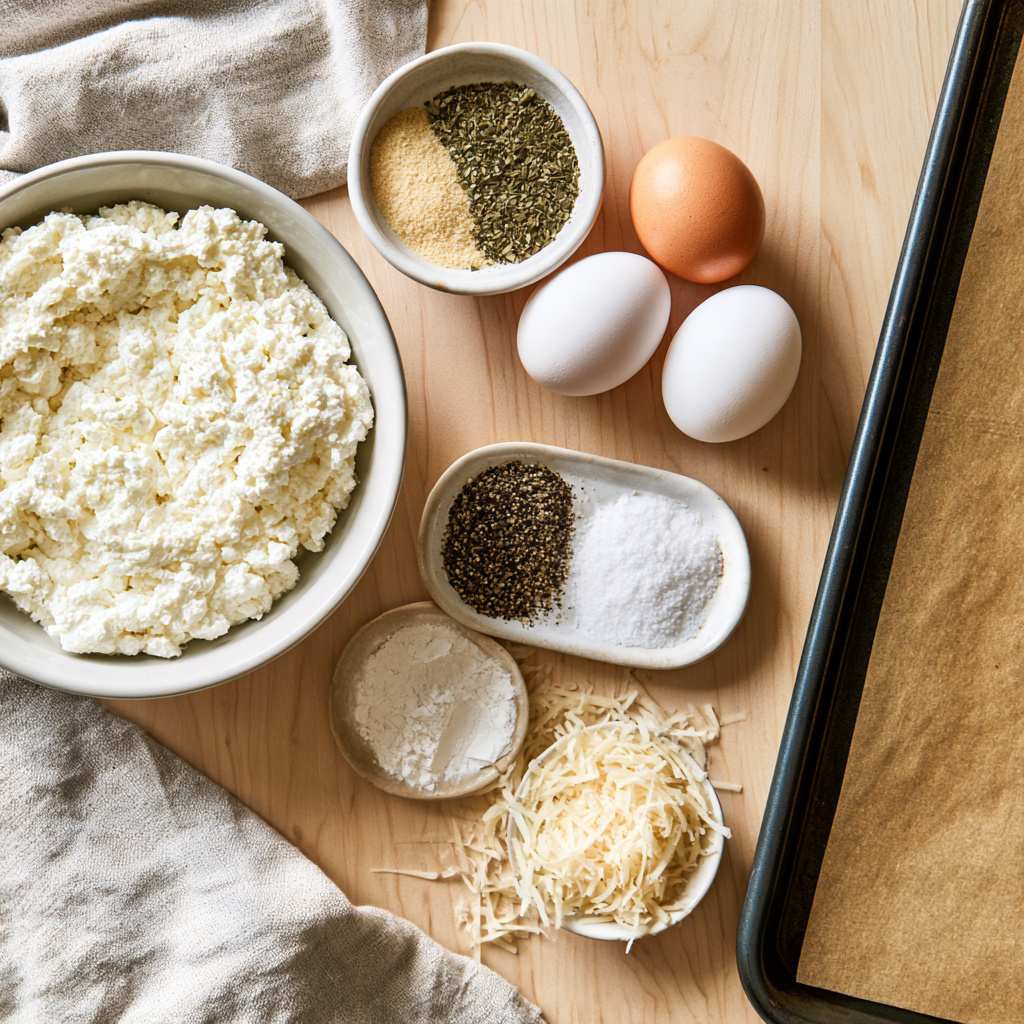
Most of the ingredients in this cottage cheese flatbread are straightforward. Three of them are easy to get wrong, so those are the ones worth explaining.
Cottage cheese. Use full-fat (4%) or 2% cottage cheese, not nonfat. Full-fat or 2% gives the flatbread a richer flavor and a better texture, and it browns more evenly. Nonfat cottage cheese works, but the flatbread will be drier and less pliable. Drain any excess liquid from the cottage cheese before adding it to the blender.
Eggs. Use two large eggs. The eggs bind the flatbread and give it structure. Don’t skip them, and don’t substitute egg whites only — the flatbread will turn out dry and rubbery.
Baking powder. A quarter teaspoon of baking powder is what gives the flatbread a lighter, more pliable crumb. It’s a small amount, but it’s the difference between a flatbread that folds into a wrap without cracking and one that feels like a thin omelet.
How to Make It
Step 1: Preheat the oven and prep the pan.
Preheat the oven to 375°F. Line a 9×13-inch quarter sheet pan with parchment paper and spray the parchment generously with nonstick cooking spray. For an extra-crispy crust, sprinkle 1 tablespoon of finely grated Parmesan evenly over the greased parchment.
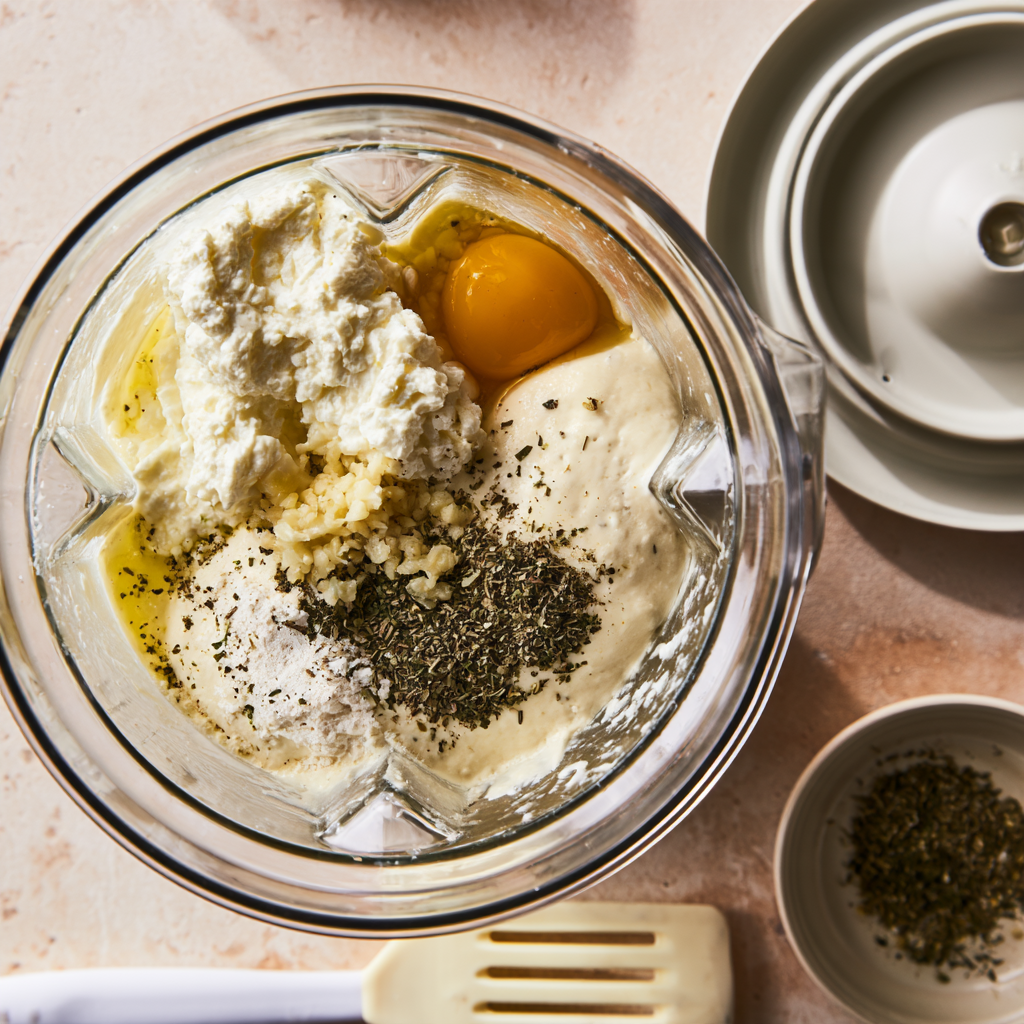
Step 2: Blend the batter.
Add 1 cup cottage cheese, 2 large eggs, ½ teaspoon garlic powder (or 1 teaspoon minced fresh garlic), ½ teaspoon Italian seasoning, ¼ teaspoon baking powder, and a pinch of salt and black pepper to a high-speed blender or food processor. Blend on high for 30 seconds, until completely smooth with no visible curds.
Step 3: Pour and level the batter.
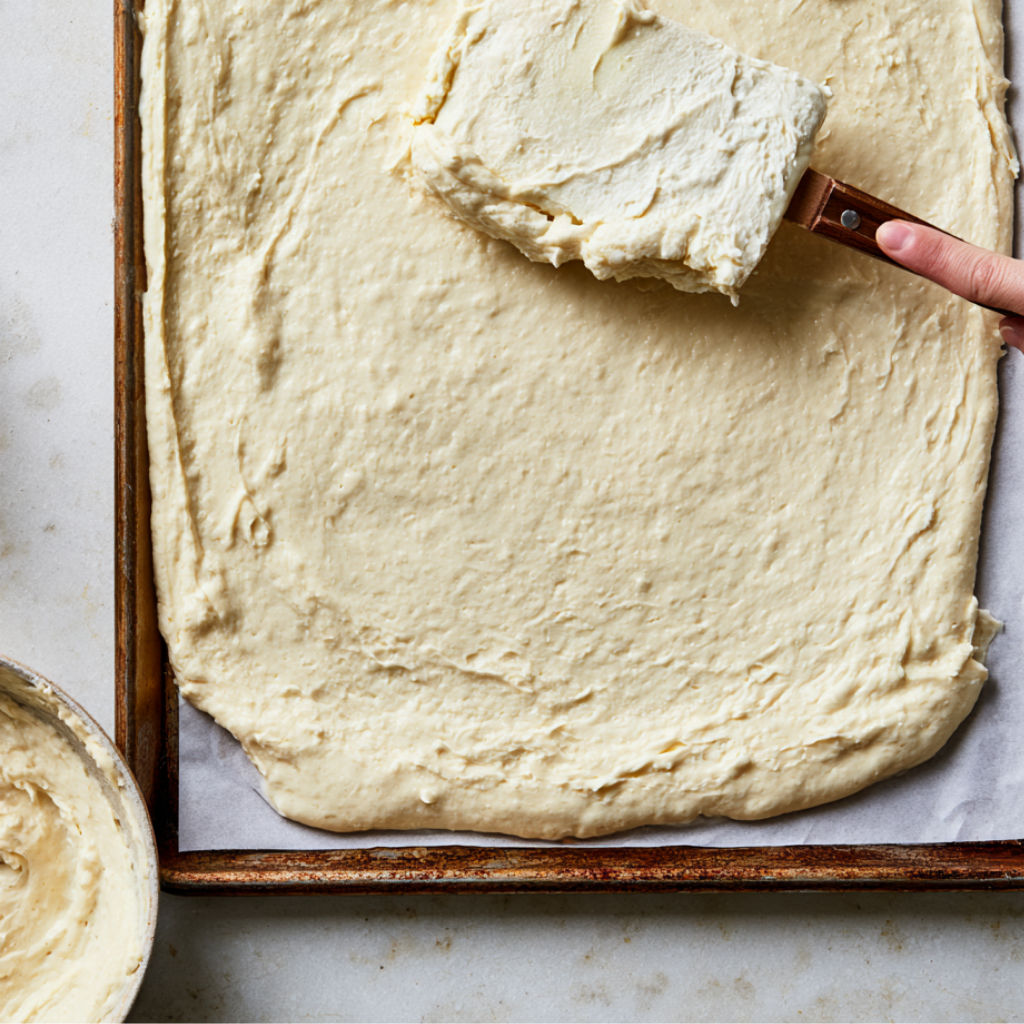
Pour the batter onto the center of the prepared parchment paper. Use an offset spatula or the back of a spoon to spread it into a thin, even 9×12-inch rectangle, about ⅛ to ¼ inch thick. Tap the pan firmly on the counter twice to pop any large surface air bubbles.
Step 4: Bake.
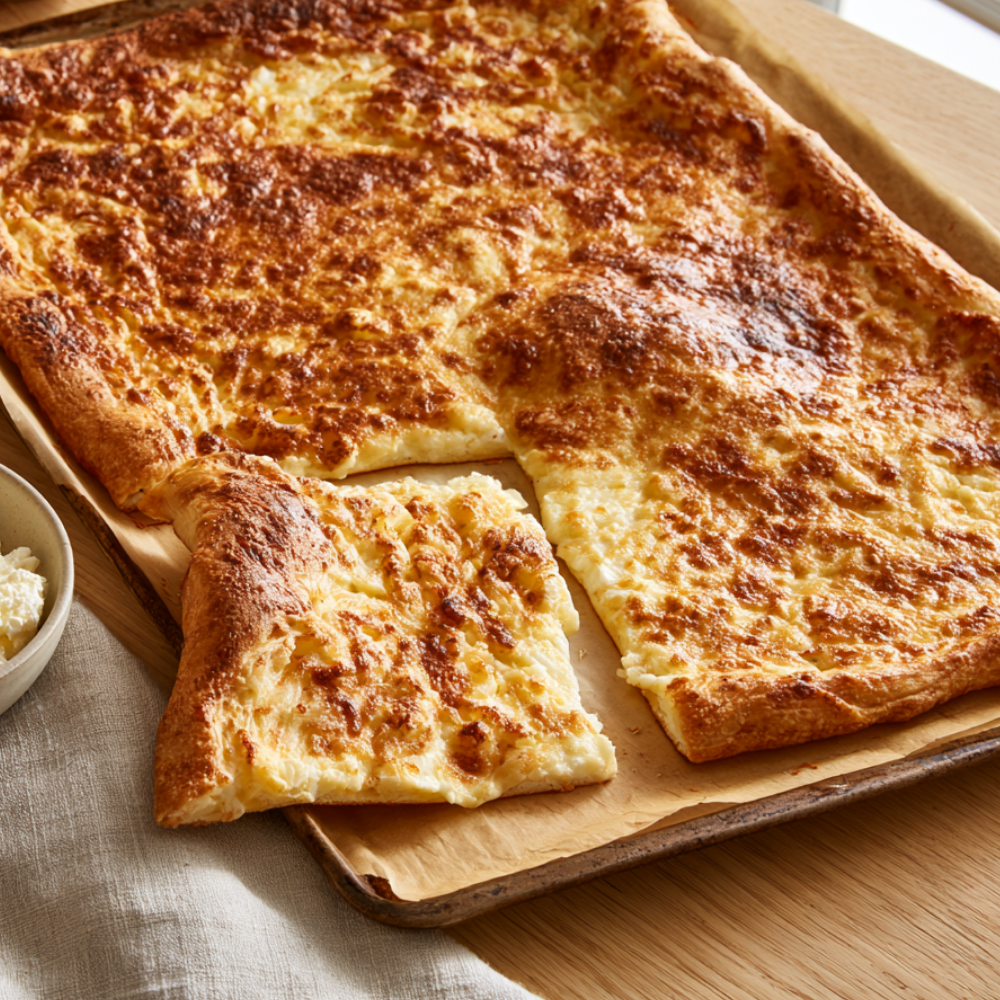
Bake at 375°F for 25 to 30 minutes, until the center is firm and set, the edges are golden brown, and the surface feels matte to the touch. If a large air pocket balloons in the center during baking, gently prick it with a knife or fork.
Step 5: Cool and peel.
Remove the pan from the oven and let the flatbread cool completely in the pan for 10 to 15 minutes. Once cooled, flip the flatbread onto a cutting board and peel the parchment paper away, peeling slowly and flat.
Step 6: Slice and serve.
Slice in half to make two sandwich wraps, or keep it whole for a low-carb pizza crust. Fill with turkey, greens, avocado, or your favorite wrap fillings, roll tightly, and serve.
Tips and Troubleshooting
The flatbread tore when I lifted it. This usually means it was still warm, or it wasn’t baked long enough. Let it cool completely, and bake it until the center is firm to the touch, not wobbly. When you’re ready to release it, flip it onto a cutting board and peel the parchment away.
The flatbread stuck to the parchment. Grease the parchment generously. Spray it with nonstick cooking spray before the batter goes on, and if you’re worried, dust it with a tablespoon of grated Parmesan for an extra-crispy bottom that releases cleanly.
The flatbread turned out rubbery. This usually means it was overbaked or you left out the baking powder. Pull it from the oven as soon as the center is set, and don’t skip the baking powder — it’s what gives the flatbread a softer, more pliable crumb.
A large bubble ballooned up in the center. This is steam from the egg in the batter. Tap the pan on the counter after pouring the batter to pop the surface bubbles before they bake in, and if a large bubble forms during baking, prick it with a knife or fork.
The flatbread tastes like eggs. This usually means the seasonings were too light. Garlic powder and Italian seasoning are what make the flatbread taste like something other than an omelet, so don’t skip them.
Easy Variations
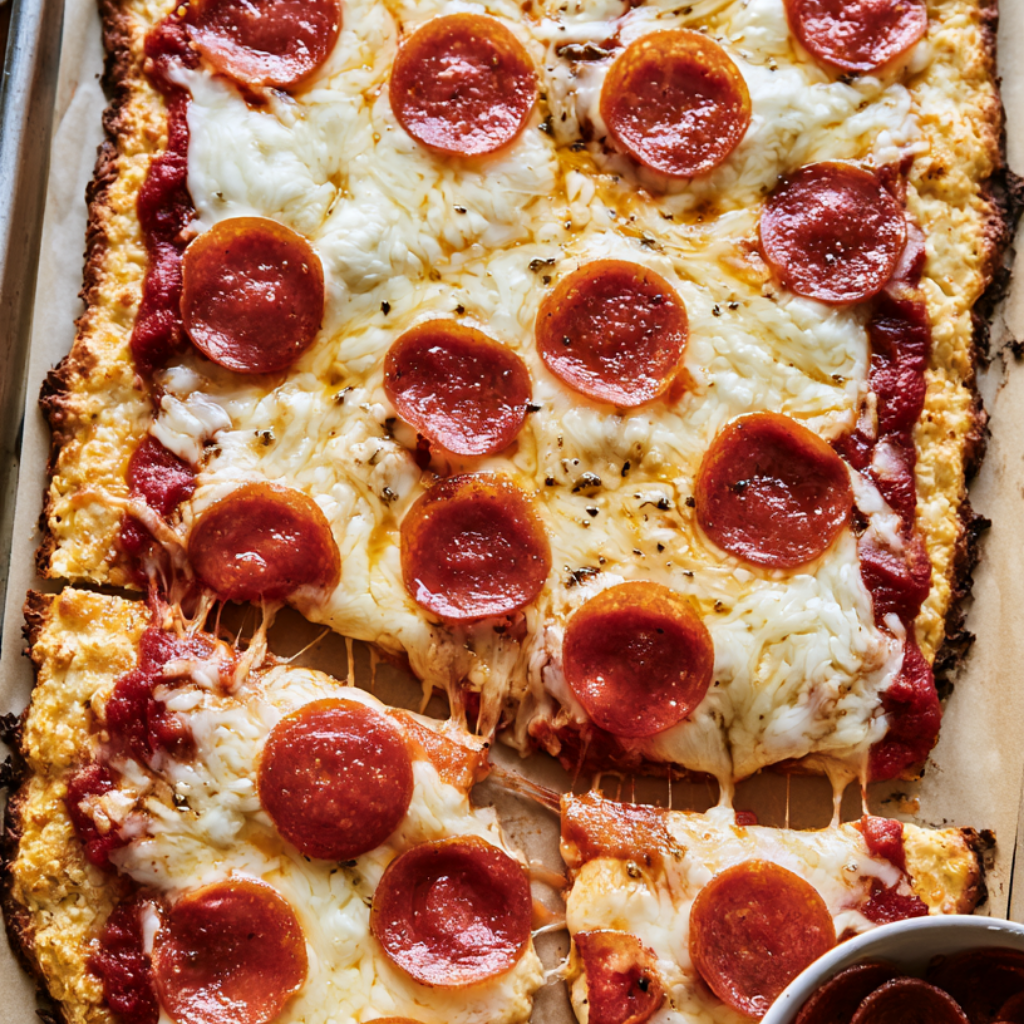
Cottage cheese flatbread pizza. Bake the flatbread as directed, then spread ½ cup of marinara sauce over the top, sprinkle with ½ to ⅔ cup of shredded mozzarella, and add pepperoni or vegetables. Return to a 400°F oven for 4 to 5 minutes, until the cheese is melted and bubbly.
Cottage cheese flatbread wrap. Fill the cooled flatbread with turkey, lettuce, tomato, and Dijon mustard, then roll it up tightly. The flatbread is pliable enough to roll without cracking.
Cottage cheese flatbread sandwich. Use two flatbreads as the top and bottom of a sandwich, or fold a single flatbread around the fillings. It works like a thin, high-protein pita.
Cottage cheese flatbread air fryer. Pour the batter into a parchment-lined air fryer basket and spread it into a smaller, thicker disc. Air fry at 350°F for 10 to 15 minutes, flipping halfway through, until golden and set. The air fryer version cooks faster and gives a crispier edge.
Storage and Make-Ahead
You can make the flatbread up to 3 days ahead and store it in an airtight container in the refrigerator, with sheets of parchment paper between layers to prevent sticking.
Reheat in a 350°F oven for 3 to 5 minutes, or in a toaster, until warmed through and slightly crisp. Avoid the microwave, which makes the flatbread soft and rubbery.
You can freeze the flatbread for up to 1 month. Wrap it tightly in plastic wrap, then place it in a freezer bag. Thaw overnight in the refrigerator and reheat in the oven or toaster.
Store leftovers in the refrigerator within 2 hours of baking. Reheat to 165°F before serving. Discard any flatbread left at room temperature for more than 2 hours.
Viral Cottage Cheese Flatbread Wrap
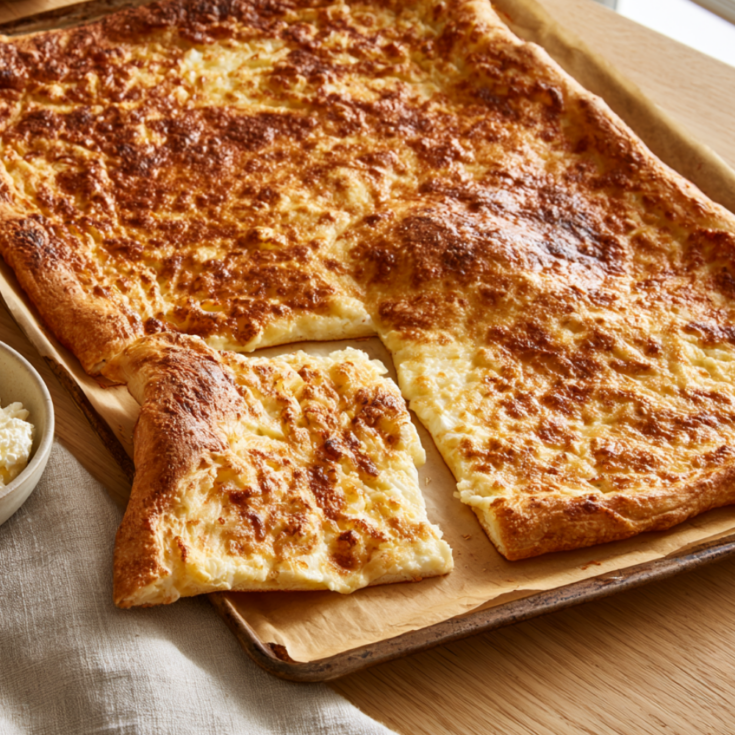
A two-ingredient flatbread made with cottage cheese and eggs, baked until golden and pliable. High-protein, gluten-free, and ready in about 35 minutes.
Ingredients
- 1 cup cottage cheese (2% or full-fat)
- 2 large eggs
- ½ tsp garlic powder (or 1 tsp minced fresh garlic)
- ½ tsp Italian seasoning
- ¼ tsp baking powder
- Pinch of kosher salt
- Pinch of freshly ground black pepper
- Nonstick cooking spray (essential for release)
- Optional: 1 tbsp finely grated Parmesan, for dusting the parchment
Instructions
- Preheat the oven to 375°F. Line a 9x13-inch quarter sheet pan with parchment paper and spray the parchment generously with nonstick cooking spray. If desired, sprinkle 1 tablespoon of grated Parmesan evenly over the greased parchment.
- Add the cottage cheese, eggs, garlic powder, Italian seasoning, baking powder, salt, and black pepper to a high-speed blender or food processor. Blend on high for 30 seconds, until completely smooth with no visible curds.
- Pour the batter onto the prepared parchment paper and spread it into a thin, even 9x12-inch rectangle, about ⅛ to ¼ inch thick. Tap the pan firmly on the counter twice to pop large surface air bubbles.
- Bake at 375°F for 25 to 30 minutes, until the center is firm and set, the edges are golden brown, and the surface feels matte to the touch. If a large air pocket balloons up, prick it gently with a knife or fork.
- Let the flatbread cool completely in the pan for 10 to 15 minutes. Once cooled, flip it onto a cutting board and peel the parchment paper off.
- Slice it in half to make two sandwich wraps, or keep it whole for a low-carb pizza crust.
Notes
Notes: Store in the refrigerator for up to 3 days, with parchment between layers. Reheat in a 350°F oven or toaster. Freeze for up to 1 month. Nutrition information is an estimate.
Nutrition (per half flatbread, estimated): About 160 calories, 18g protein, 4g carbs, 9g fat, 0g fiber, 390mg sodium.
FAQ
What is cottage cheese flatbread made of?
It’s made from cottage cheese and eggs, blended together with seasonings and a little baking powder, then baked into a thin, pliable flatbread. This version uses garlic and Italian seasoning, but you can customize the seasonings.
Does cottage cheese flatbread taste like cottage cheese?
Not really. Once it’s blended smooth and baked with garlic and herbs, it tastes like a light, slightly chewy flatbread. It’s closer to an omelet in texture than to traditional bread, but the seasonings mask the cottage cheese flavor.
Is cottage cheese flatbread gluten free?
Yes. This recipe is naturally gluten-free because it contains no flour or wheat products.
Why does this recipe use baking powder?
A quarter teaspoon of baking powder gives the flatbread a lighter, more pliable crumb so it folds into a wrap without tearing. Without it, the flatbread is more likely to crack.
How do I keep cottage cheese flatbread from sticking to the parchment?
Generously spray the parchment paper with nonstick cooking spray before adding the batter, and let the flatbread cool completely before peeling the parchment away. Peeling the paper backward off the flatbread is easier than lifting the flatbread off the paper.
More High Protein Meal Recipes You’ll Love
- Cottage Cheese Pizza Bowl — 38g Protein, 5-Minute Lazy Dinner
- Breakfast Pizza Recipe (Cheese Sauce, Not Tomato—18g Protein Per Square!)
- High Protein Chicken Alfredo Bake — 48g Protein, Creamy Cottage Cheese Alfredo
Closing
Make this cottage cheese flatbread when you’re out of bread or craving pizza and want something high in protein instead.
It’s a two-ingredient recipe that takes about 35 minutes, and the technique in the recipe card — the greased parchment, the 375°F oven, the baking powder, and the peel-away release — is what makes it work. I’ve made it a handful of times now, and this is the version I keep coming back to.
If you make the air fryer version or use it as a pizza crust, let me know how it turns out.