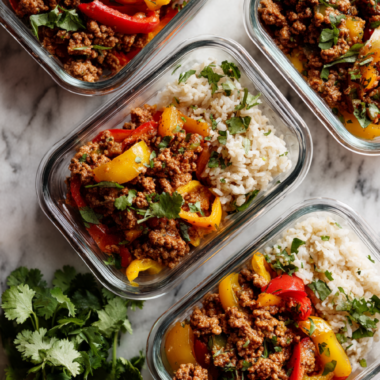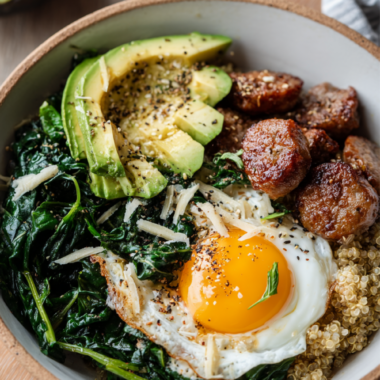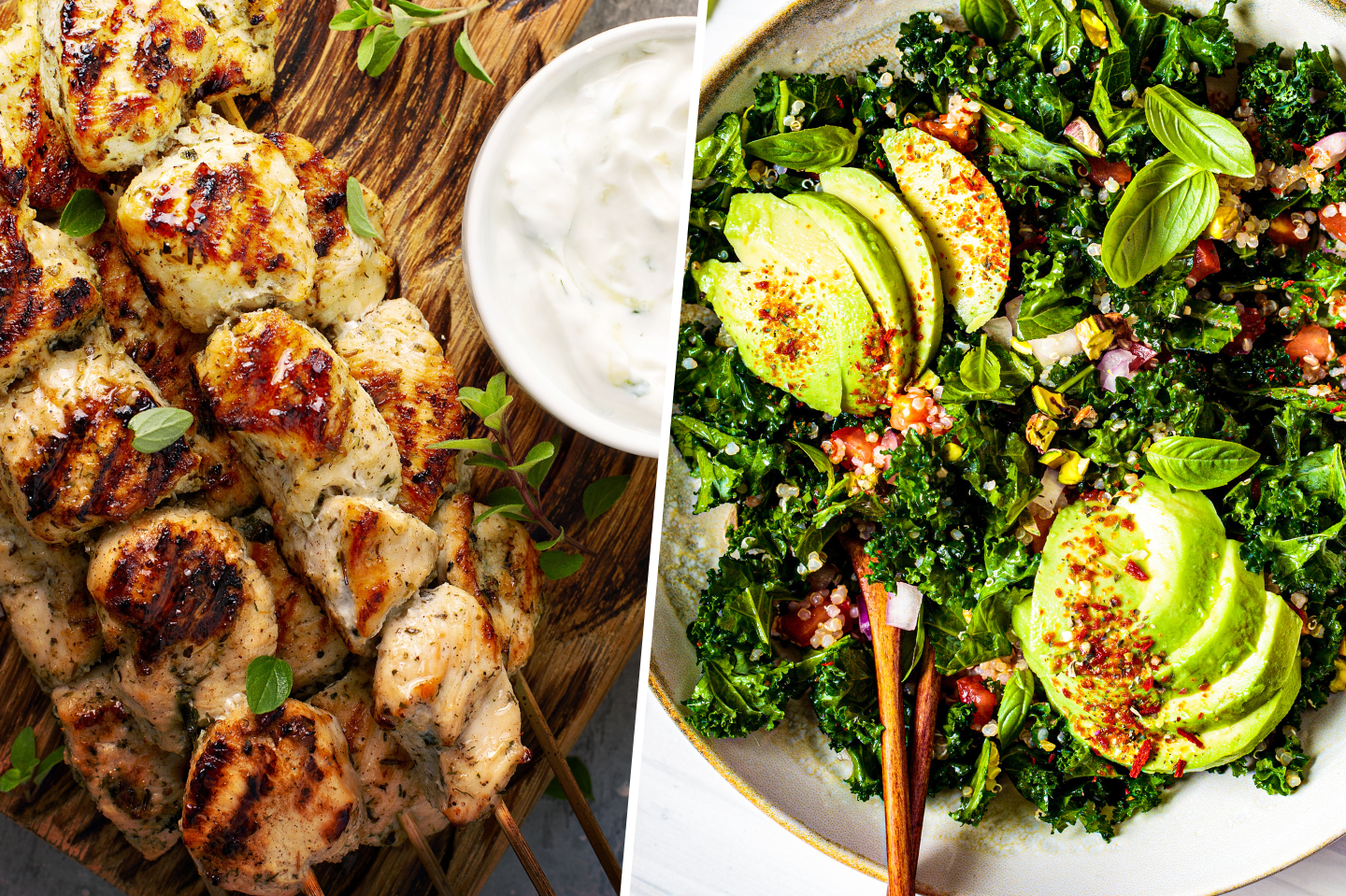
Chicken breast is the most useful thing in my kitchen, and not because it’s the most exciting. It’s because it’s the protein that goes with whatever I’m already making.
A salad becomes dinner.
A bowl of rice becomes a meal.
A plate of roasted vegetables stops being a side.
I keep a rotation of chicken breast recipes for exactly that reason—ones that don’t demand a specific side or sauce, and that fit whatever else is on the table.
I reach for this lemon herb chicken most. It’s pan-seared thin, so it cooks in five minutes, and it finishes in a lemon-butter sauce that’s bright enough for a pile of greens, rich enough to sit on top of quinoa, and light enough not to fight whatever else is on the plate. It’s not a dish that needs a recipe built around it.
It’s a dish that makes whatever you already have into dinner.
This is practically a routine menu in our household, and the technique that makes it work is the same one restaurants use for cutlets: slice the breast thin, sear it hard in a hot pan, and finish it in a sauce built from the browned bits.
Thin cutlets keep the chicken juicy in five minutes flat, and swirling in cold butter off the heat turns the pan drippings into a glossy sauce instead of a greasy one. Get those two things right, and this chicken works with anything you put next to it.
Why This Recipe Works
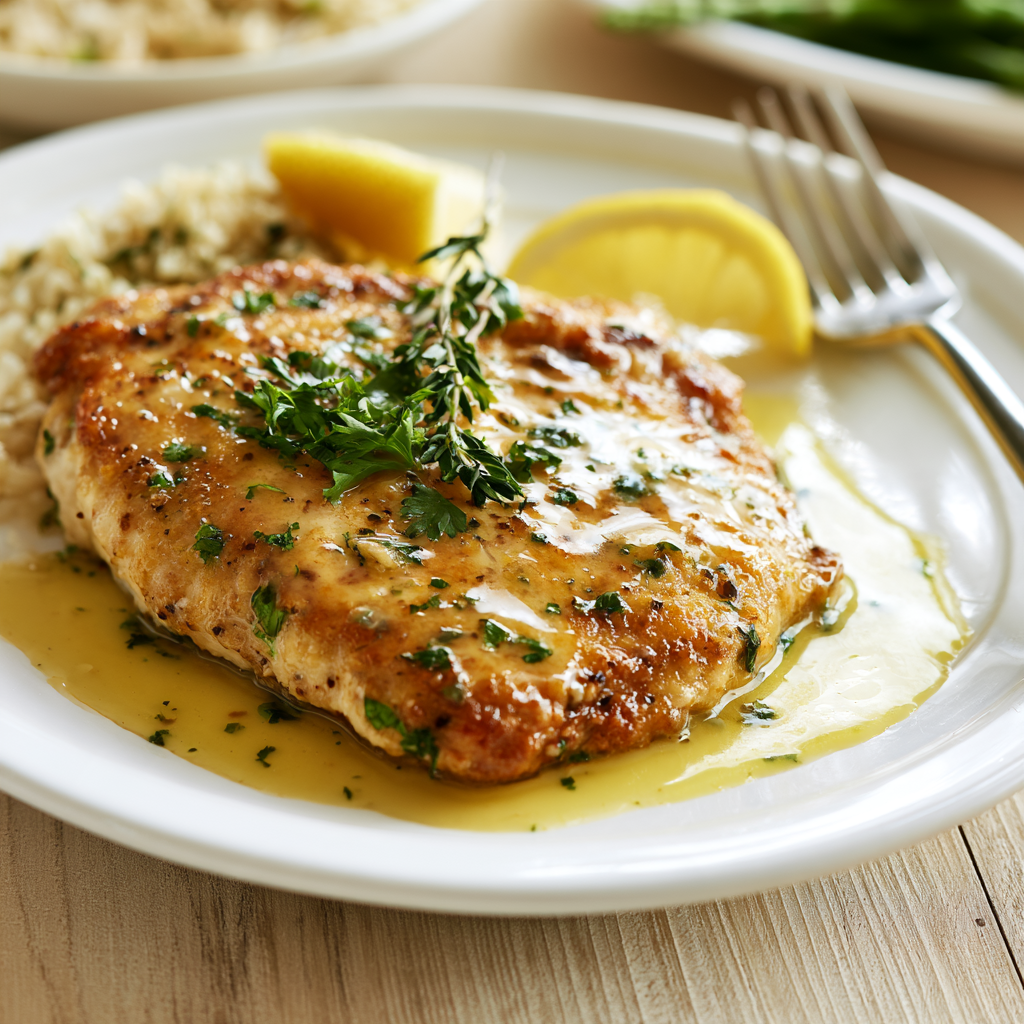
Thin cutlets are what make a fifteen-minute chicken breast possible. A whole breast is an inch and a half thick in the middle and takes 10 to 12 minutes per side, which is enough time for the exterior to dry out. Slice horizontally into two half-inch cutlets; each cooks in about five minutes total and stays juicy from edge to center.
Dusting with flour is what gives you the golden crust the sauce clings to. A light coating of flour browns in the hot oil and creates a surface the lemon butter sauce can grip. Without it, the sauce slides off the smooth chicken. Shake off the excess so the flour doesn’t burn.
Searing undisturbed for three minutes is what builds the fond that flavors the sauce. Moving the chicken around in the pan prevents browning. Leave it alone for the full three minutes, and you get a deep golden crust and a layer of browned bits on the bottom of the skillet that becomes the base of the sauce when the broth goes in.
The pan comes off the heat before the cold butter goes in. This is the beurre monté step, and it separates a glossy sauce from a greasy one. Whisking cold, cubed butter into the reduced broth off the heat emulsifies it into a velvety sauce. On the heat, the butter melts too fast, and the sauce breaks into fat and liquid.
Add fresh lemon zest to the sauce, and add the juice at the end. The zest carries the lemon oil that gives the sauce its perfume. Add the juice with the broth so it reduces slightly and loses its raw edge, then squeeze in fresh lemon at the very end to bring back the brightness.
The herbs go in with the butter, off the heat. Adding parsley and thyme at the end keeps them green and fragrant. Added earlier, they turn dark and bitter.
Resting the chicken for two minutes before it goes back into the sauce is what keeps the juices in the meat. If you slice straight from the pan, the juices run out onto the plate. Briefly resting under foil lets the juices redistribute, and the chicken stays moist when you coat it in sauce.
Ingredients That Matter
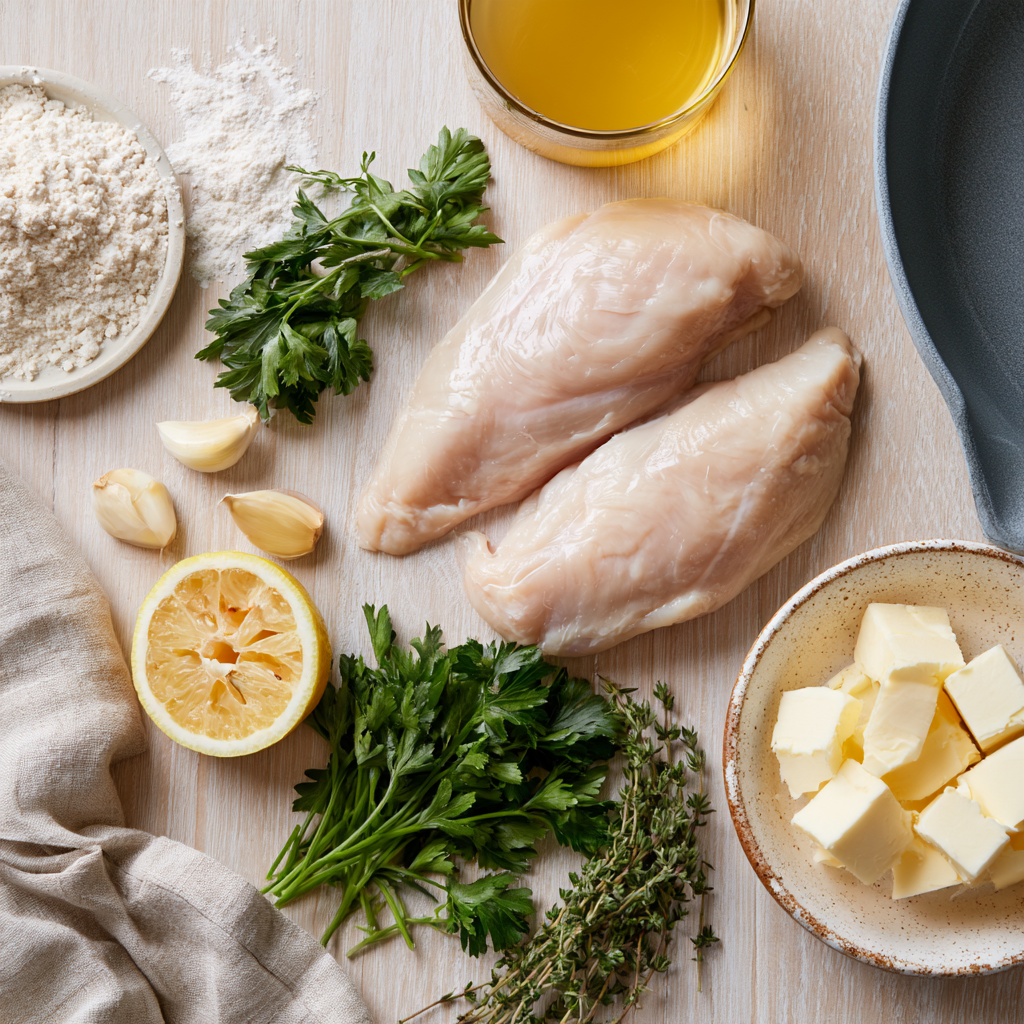
Most of this list is flexible. Three ingredients are easy to get wrong, so those are the ones worth explaining.
Boneless, skinless chicken breasts, sliced into thin cutlets. Look for breasts that are roughly the same size so the cutlets cook evenly. If they’re uneven, pound them to a half-inch thickness between plastic wrap. Thin cutlets are the whole point — thick ones won’t cook through before the outside dries out.
Cold cubed butter, added off the heat. This is the finishing butter, and it has to be cold so it melts gradually into the sauce instead of breaking. Room-temperature butter or a whole stick dropped in will separate into grease. Take the pan completely off the burner and whisk or swirl hard.
Fresh lemon zest and juice, plus fresh herbs. Bottled lemon juice tastes flat and metallic in a butter sauce, and dried herbs don’t have the same brightness. One lemon gives you both zest and juice, and a handful of fresh parsley and thyme makes the sauce taste like more than lemon butter.
How to Make It
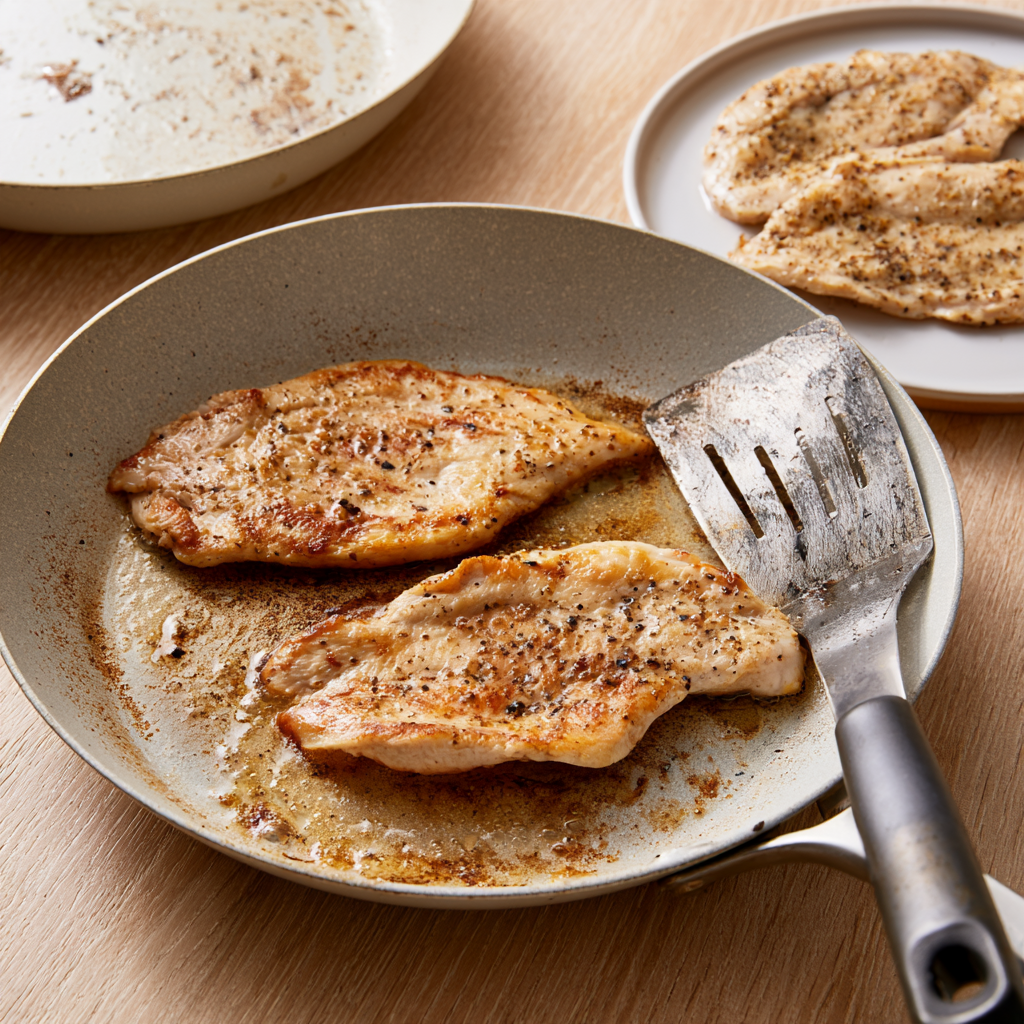
Step 1: Prep and season the chicken.
Slice 2 large boneless, skinless chicken breasts horizontally into 4 thin, even cutlets, or pound them to ½-inch thickness between plastic wrap. Season both sides evenly with kosher salt, black pepper, garlic powder, and dried oregano. Dust lightly with flour and shake off the excess — you want a thin film, not a coating.
Step 2: Sear the chicken.
Heat 1 tablespoon of olive oil in a large skillet over medium-high heat until it shimmers. Add the cutlets in a single layer and sear undisturbed for 3 minutes, until deeply golden brown. Flip and cook for another 2 to 3 minutes, until the internal temperature reaches 160 to 165°F. Transfer to a warm plate and tent loosely with foil.
Step 3: Sauté the garlic.
Reduce the heat to medium. Add 3 minced garlic cloves to the residual oil in the skillet and sauté for 30 seconds, until fragrant and pale gold — do not let it brown.
Step 4: Deglaze and build the sauce.
Pour in ½ cup chicken broth, 2 tablespoons fresh lemon juice, and 1 teaspoon lemon zest. Scrape up the golden bits stuck to the bottom of the pan with a wooden spoon. Simmer for 1 to 2 minutes, until the liquid reduces by about half.
Step 5: Finish with cold butter and herbs.
Turn off the heat. Swirl in 2 tablespoons of cold cubed butter and 2 tablespoons of chopped fresh parsley and thyme, until the butter melts and the sauce turns glossy and velvety. If the sauce looks greasy, the pan was too hot — let it cool for 30 seconds and swirl again.
Step 6: Coat and serve.
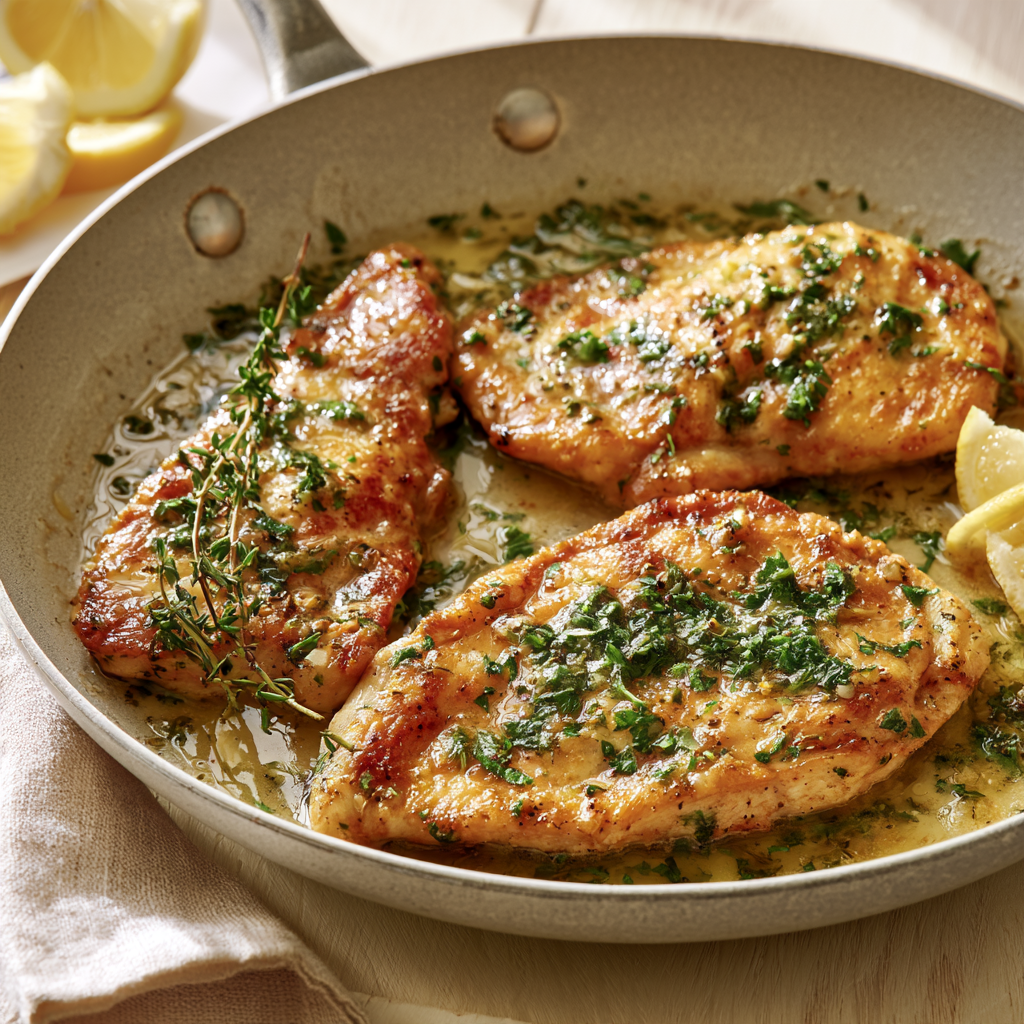
Nestle the chicken cutlets back into the pan with any juices on the plate and spoon the sauce over the top to coat. Serve immediately with extra lemon wedges.
Tips and Troubleshooting
The chicken is dry. It overcooked. Sear to 160 to 165°F and pull it as soon as it hits — carryover cooking brings it up a few degrees as it rests. Thin cutlets cook fast, so start checking at 2 minutes on the second side.
The chicken stuck to the pan. The pan wasn’t hot enough, the flour coating was too thick, or you flipped too early. Wait for the oil to shimmer, shake off the excess flour, and don’t move the cutlets until they release on their own.
The sauce is greasy and separated. The pan was too hot when you added the cold butter, or the butter wasn’t cold. Take the pan completely off the heat before adding it, and swirl hard.
The sauce is too thin. The broth didn’t reduce enough, or you crowded the pan. Simmer the broth down by half before the butter goes in, and use a skillet large enough for the cutlets in a single layer.
The garlic tastes bitter. It browned instead of turning fragrant. Thirty seconds over medium heat is the window — pull the pan off the heat the moment it smells sweet.
The flour coating tastes chalky. Too much flour. Dust lightly and shake off the excess — a thin film is all you need.
The sauce tastes flat. It needs salt or more lemon. Taste after the butter goes in and add a pinch of salt or a squeeze of fresh lemon.
Storage and Make-Ahead
Store the chicken and sauce in a sealed container in the refrigerator for up to 3 days. Reheat gently in a skillet over low heat with a splash of broth, until just warmed through — reheating chicken breast too aggressively dries it out.
You can slice and season the cutlets up to a day ahead and store them in the refrigerator. The sauce is best made fresh, but you can mix the broth, lemon juice, and zest ahead and keep it in a small jar.
I don’t recommend freezing the finished dish. The butter sauce separates on thawing, and the chicken turns watery. If you have leftover chicken without sauce, it freezes well for up to 3 months.
Store leftovers in the refrigerator within 2 hours of cooking, and discard anything left at room temperature for more than 2 hours.
Lemon Herb Chicken — Pan-Seared Cutlets with Lemon Butter Sauce
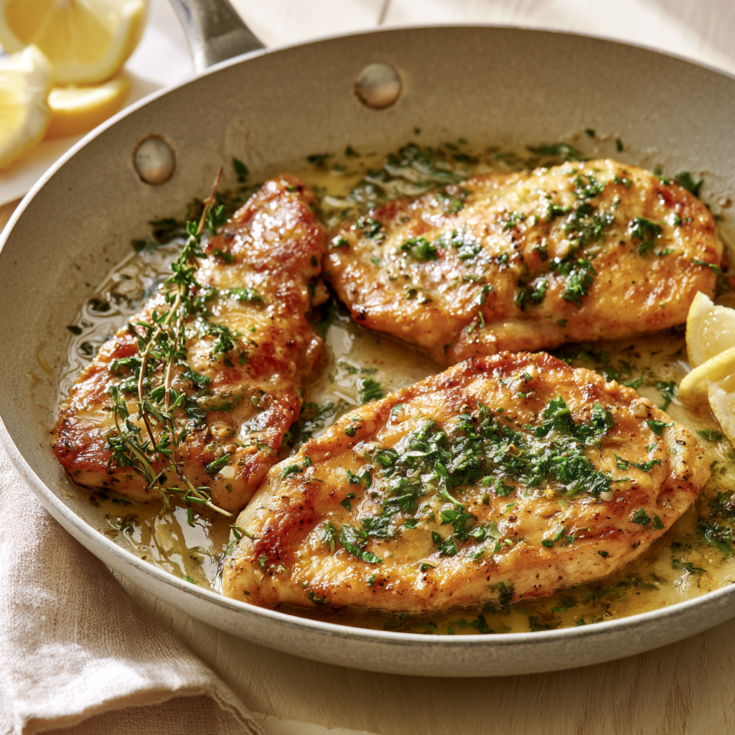
Thin chicken cutlets, seared golden and finished in a glossy lemon-garlic butter sauce with fresh parsley and thyme. One skillet, fifteen minutes, juicy every time.
Ingredients
- 2 large boneless, skinless chicken breasts, sliced into 4 thin cutlets
- Kosher salt, black pepper, garlic powder, and dried oregano, to season
- 2 tbsp all-purpose flour, for dusting
- 1 tbsp olive oil
- 3 cloves garlic, minced
- ½ cup low-sodium chicken broth
- 2 tbsp fresh lemon juice
- 1 tsp fresh lemon zest
- 2 tbsp cold unsalted butter, cubed
- 2 tbsp chopped fresh parsley and thyme
- Lemon wedges, for serving
Instructions
- Slice the chicken into 4 thin cutlets and season both sides with salt, pepper, garlic powder, and oregano. Dust lightly with flour and shake off the excess.
- Heat the olive oil in a large skillet over medium-high heat. Sear the cutlets in a single layer for 3 minutes, until golden; flip and cook 2 to 3 minutes more, until 160–165°F. Transfer to a plate and tent with foil.
- Reduce the heat to medium. Sauté the garlic in the residual oil for 30 seconds until fragrant, not browned.
- Add the broth, lemon juice, and zest, scraping up the browned bits. Simmer 1 to 2 minutes until reduced by half.
- Turn off the heat. Swirl in the cold cubed butter and fresh herbs until the sauce is glossy and velvety.
- Return the chicken and its juices to the pan and spoon the sauce over the top. Serve with lemon wedges.
Notes
Notes: Leftovers keep refrigerated for up to 3 days; reheat gently with a splash of broth. Not recommended for freezing with the sauce. Nutrition information is an estimate.
Nutrition (per serving, estimated): About 290 calories, 36g protein, 4g carbs, 14g fat, 0g fiber, 420mg sodium.
FAQ
Can I use chicken thighs instead of breasts?
Yes. Boneless, skinless thighs work well and stay juicy, but they take longer to cook — about 5 to 6 minutes per side. Cook them to 175°F, then slice after resting.
Can I make this with dried herbs only?
Yes, but use about a third of the amount and add them with the garlic so they have a moment to bloom. Fresh herbs are better here, though — the sauce is simple enough that the herbs matter.
What if I don’t have fresh lemon?
Bottled lemon juice works in a pinch, but the zest is what carries the lemon flavor, and bottled juice tastes flat. If you only have bottled, add an extra pinch of zest-free lemon pepper or a little more butter to round it out.
Can I make this dairy-free?
You can sear the chicken in olive oil and finish the sauce with a dairy-free butter substitute, but it won’t emulsify the same way. I’d use a tablespoon of olive oil whisked in off the heat instead, and accept a thinner sauce.
Can I bake the chicken instead of pan-searing?
Yes. Bake the cutlets at 425°F for 12 to 15 minutes, then make the pan sauce in a skillet on the stovetop. The sear creates the fond, so the baked version will taste slightly different.
What do you serve with lemon herb chicken?
Serve with rice, mashed potatoes, or crusty bread to soak up the sauce, plus a simple green vegetable like asparagus, green beans, or a green salad.
More Chicken Breast Recipes You’ll Love
- What to Make With Chicken Breast — 6 High-Protein Dinners for Cozy Nights
- Juicy Pan-Seared Chicken Breasts with Creamy Mushroom Sauce, 52g Protein
- 5 High-Protein Baked Chicken Breast Recipes — All Under 40 Minutes
- Air Fry Chicken Breast for Quick Dinners (20-Minute Recipe)
Closing
Make this lemon herb chicken on a weeknight when you want a dinner that tastes like it came from a restaurant but takes less time than ordering one.
The technique in the recipe card — thin cutlets, a hard sear, and cold butter swirled in off the heat — is what makes the chicken juicy and the sauce glossy instead of greasy.
This is the recipe I rely on when I want chicken breast that doesn’t taste like chicken breast, and it’s the one I’d recommend.