I bought four sets of meal prep containers before I found ones I stuck with. Two leaked in my bag. One warped in the microwave after a month. The fourth set is still going strong two years later, and it changed how I approach meal prep containers for good.
If you’re building a high-protein meal prep routine, the container matters more than people give it credit for.
The wrong one turns a perfectly good chicken-and-rice bowl into a soggy mess by Wednesday. The right one keeps your protein moist, your veggies crisp, and your fridge organized without a pile of mismatched lids.
Here’s what to look for, what to skip, and three high-protein meals built to fit right into your containers.
What to Look For in Meal Prep Containers
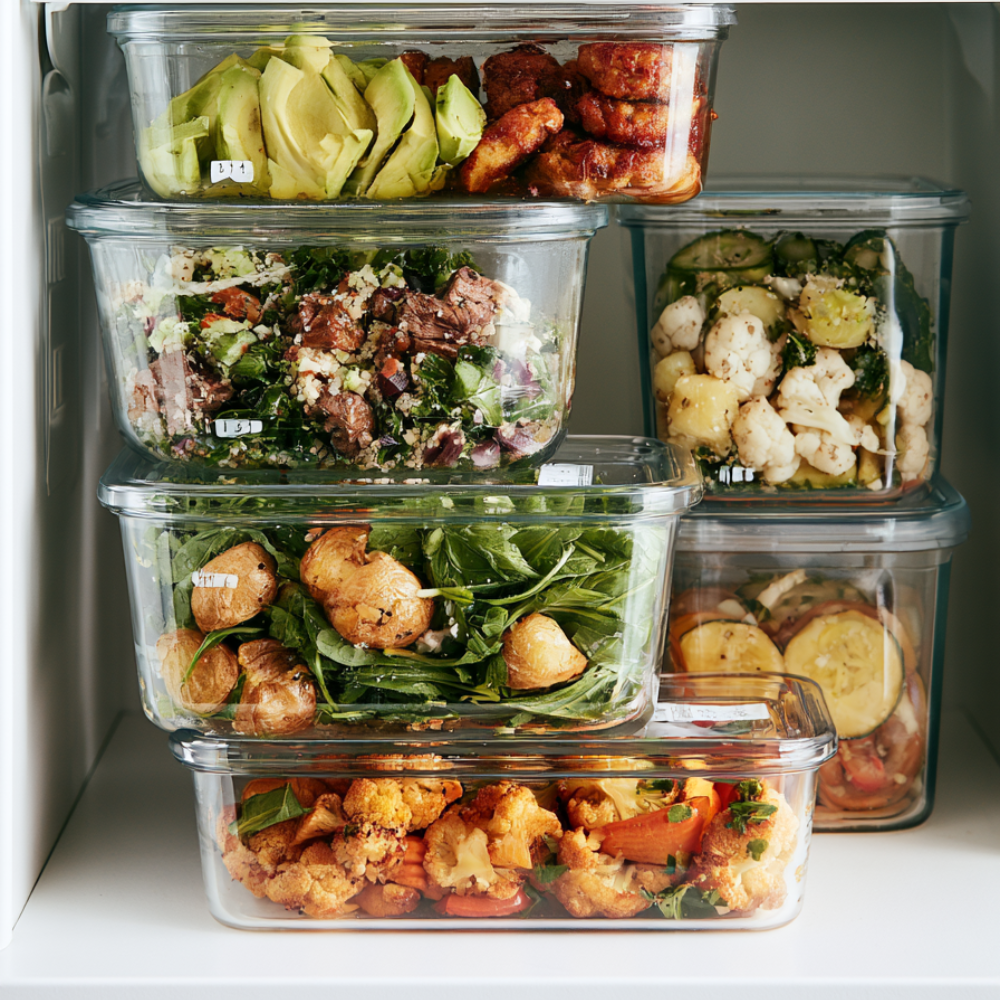
Portion size. Most high-protein meal prep bowls need 30 to 34 ounces to fit a full serving of protein, a carb, and a vegetable without stacking food on top of the lid. Anything smaller and you’ll end up packing two containers per meal.
Compartments (or not). Divided containers keep sauces and starches from turning your greens into mush. Undivided ones give you more room for bowls, soups, and stir-fries where everything mixes anyway. I keep both on hand.
Material: Glass holds up in the microwave and doesn’t stain from tomato sauce or turmeric. Plastic is lighter and cheaper, and better for grab-and-go lunches you’re tossing in a bag. BPA-free is non-negotiable either way.
Leak-proof lids. Snap-lock lids with a silicone gasket beat basic snap lids every time, especially for soups, marinated proteins, or anything with dressing.
Stackability. Look for containers with flat, stackable lids. Your fridge shelf will thank you.
Freezer-safe. If you batch cook for two or three weeks at a time, confirm the container handles freezing without cracking. Glass needs a wide mouth and straight sides to avoid shattering as the contents expand.
Container Types, Ranked by Use Case
Silicone collapsible containers: best if storage space is tight and you want something that folds flat between uses.
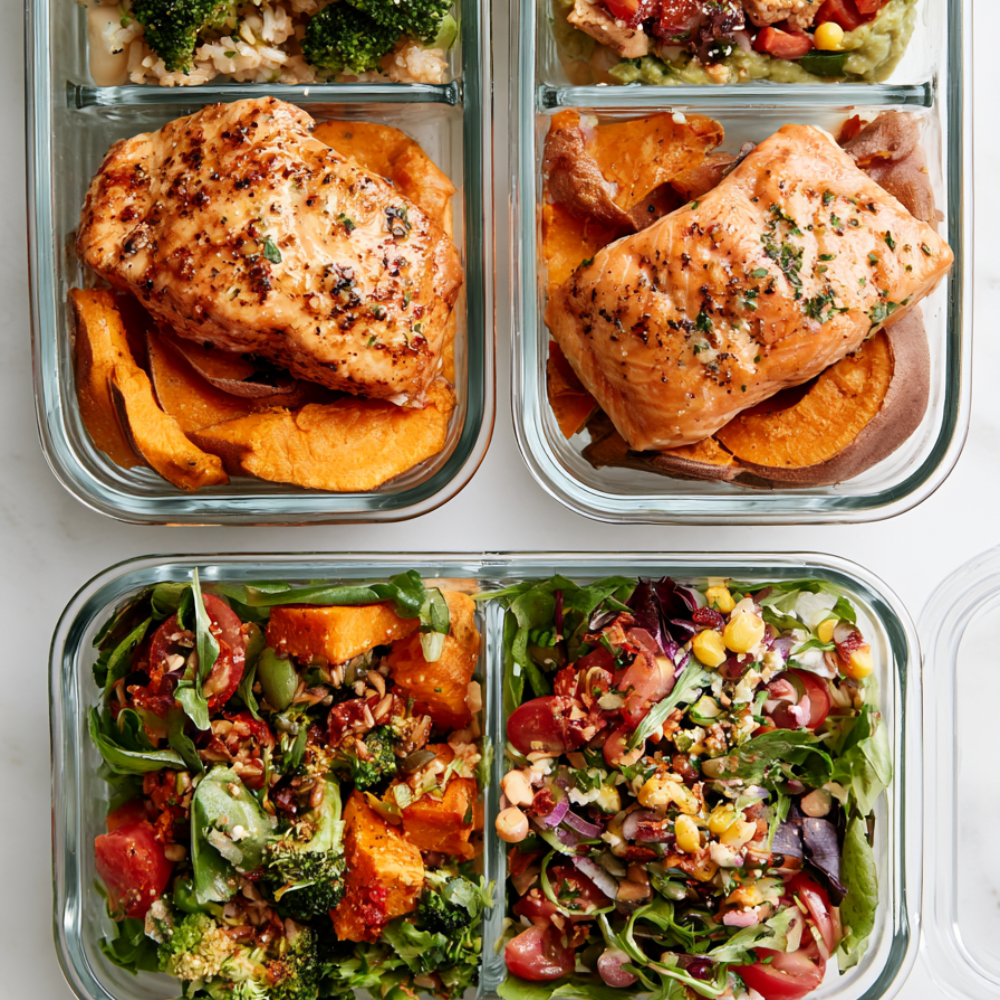
3-compartment glass containers: best for chicken, rice, and veggie combos you want to microwave straight from the fridge.
Undivided glass containers with lids: best for soups, chili, stir-fries, and taco bowls.
Stackable plastic bins with snap lids: best for overnight oats, salads, and anything you’re eating cold.
Mason jars: best for salads with dressing on the bottom and layered breakfast parfaits.
3 High-Protein Meals That Fit Perfectly in Meal Prep Containers
1. Chicken, Rice, and Broccoli Bowls
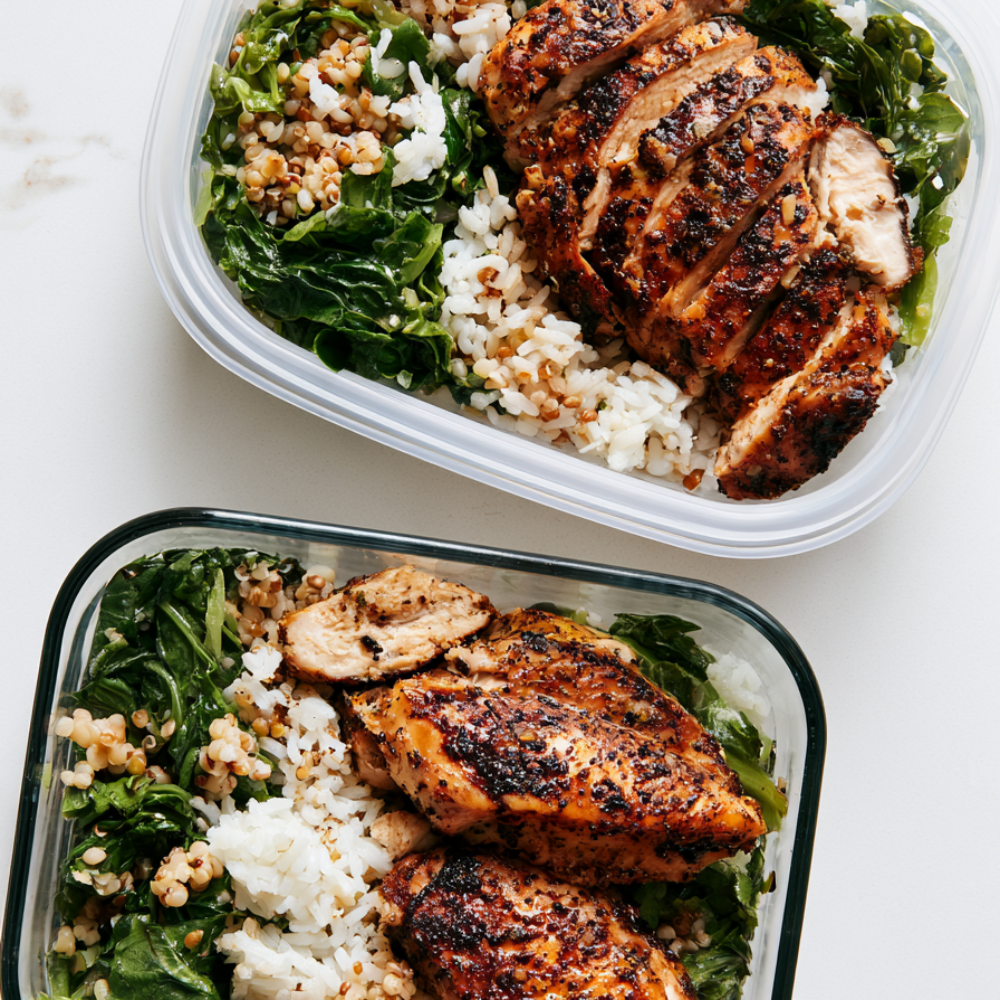
Lean protein, a slow-digesting carb, and a fibrous veggie in one container hit your protein goal without leaving you hungry an hour later. The classic combo that every container needs to handle well — and these bowls do.
- 2 lbs chicken breast, cubed
- 2 cups jasmine rice, cooked
- 4 cups broccoli florets
- 3 tbsp olive oil
- 2 tsp garlic powder, 1 tsp paprika, salt and pepper to taste
Season the chicken and sear it in a hot pan for 6 to 8 minutes, until it reaches 165°F and the outside turns golden brown. Steam the broccoli for 4 minutes, so it still has some bite. Divide the rice, chicken, and broccoli evenly across 4 containers. Keep in the fridge for 4 days.
2. Turkey Taco Bowls
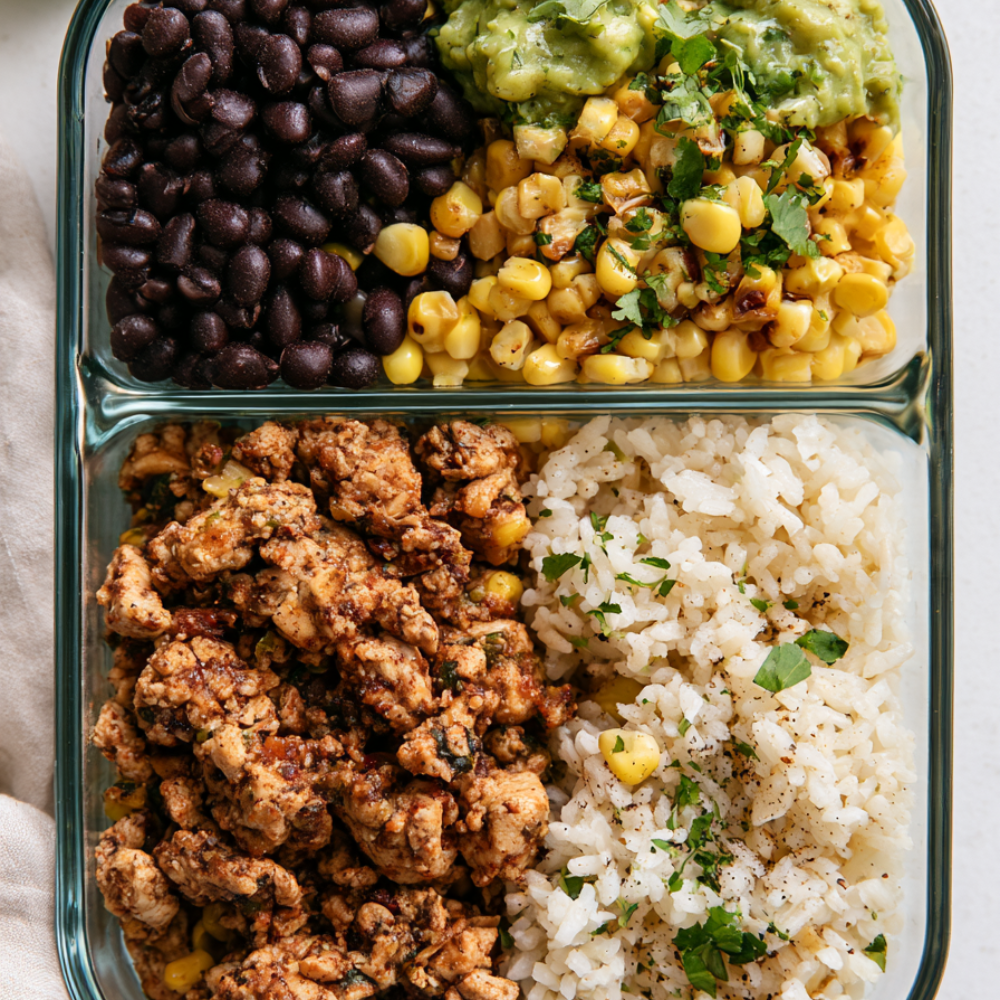
The acid from lime and the fat from cheese balance the lean turkey so the bowl doesn’t taste flat. This is the kind of meal prep that actually tastes like something, not just fuel.
- 1.5 lbs ground turkey
- 1 packet taco seasoning (or 2 tbsp homemade)
- 2 cups cooked rice
- 1 can black beans, drained
- 1 cup corn
- Toppings: shredded cheese, diced tomato, lime wedges
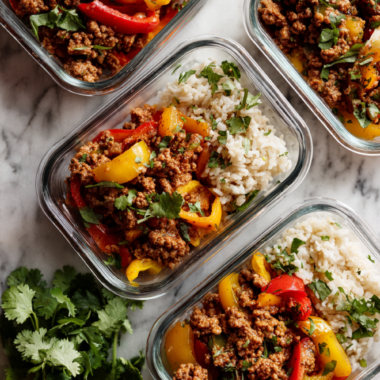
Brown the turkey over medium-high heat until no longer pink, about 8 minutes, breaking it up as it cooks. Stir in the seasoning with a splash of water. Layer rice, beans, corn, and turkey in your containers. Add toppings separately, so they stay fresh. Keeps for 4 days.
3. Salmon and Sweet Potato Bowls
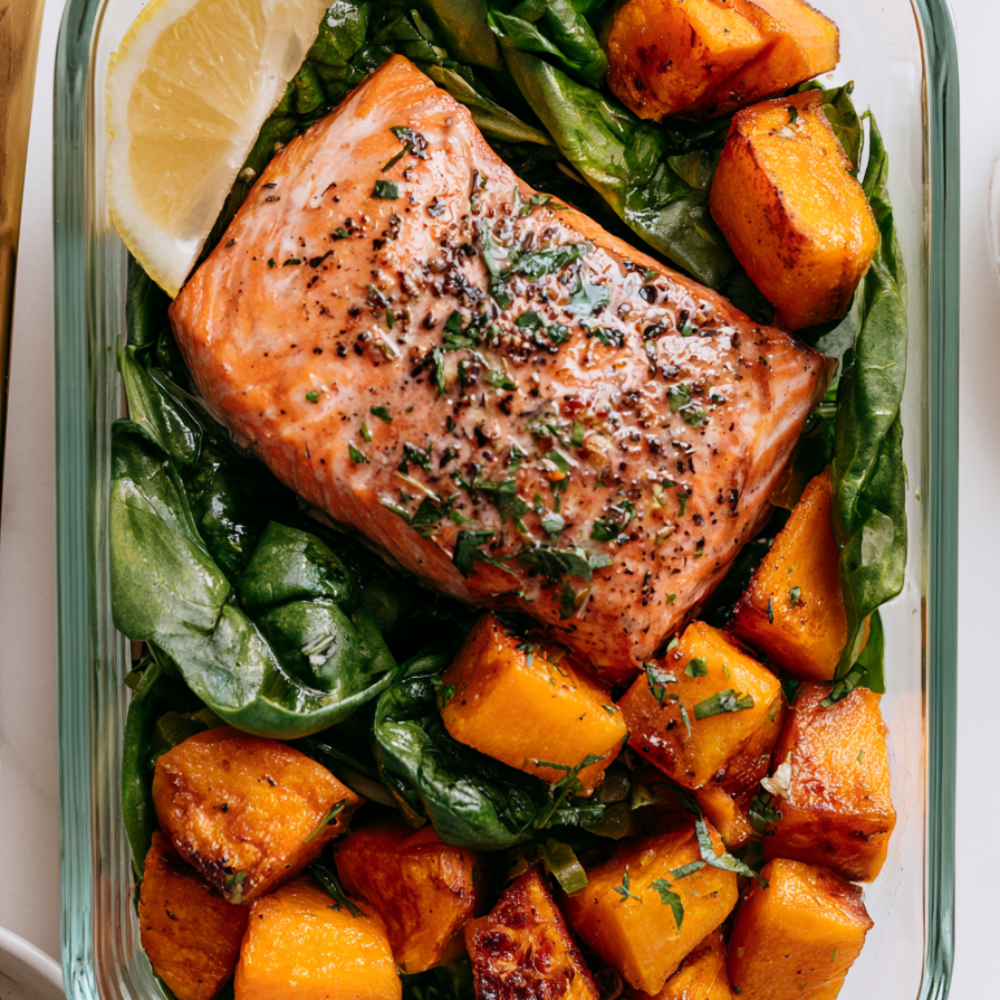
The sweetness of roasted sweet potato plays against the richness of the salmon, and a squeeze of lemon at the end wakes the whole thing up. It’s the kind of meal that feels fresh even on day 3.
- 4 salmon fillets (5-6 oz each)
- 2 large sweet potatoes, cubed
- 4 cups spinach
- 2 tbsp olive oil, 1 lemon, salt and pepper
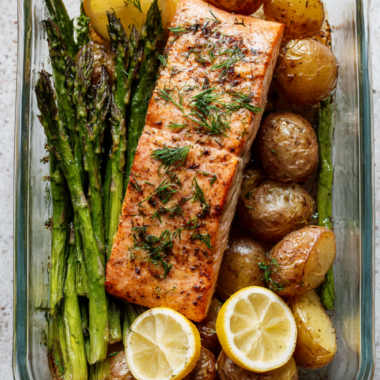
Roast the sweet potatoes at 425°F for 20 minutes, tossed in oil and salt. Add the salmon to the same pan for the last 12 to 15 minutes, until it flakes easily with a fork. Divide spinach, sweet potato, and salmon across containers. Squeeze fresh lemon over each portion before sealing. Keeps for 3 days (fish doesn’t hold as long as chicken or turkey).
Storage Tips That Actually Matter
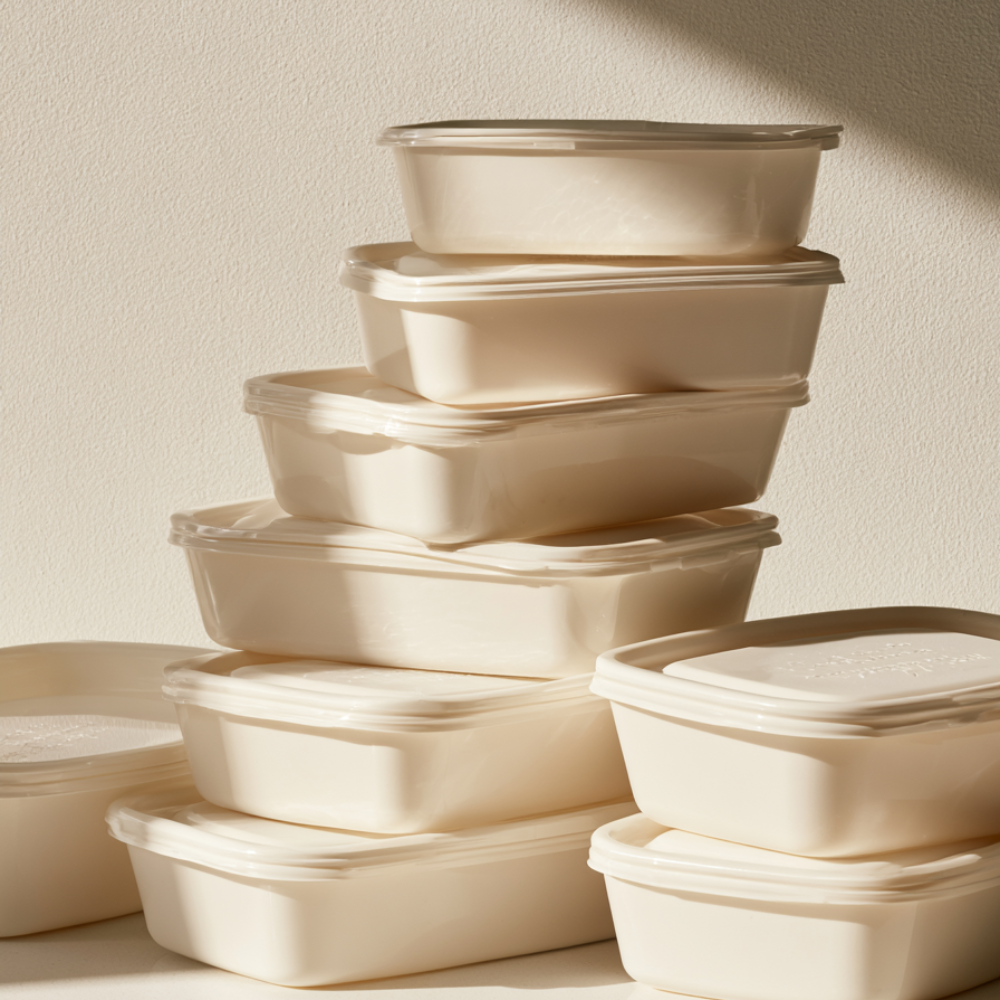
Let food cool for 10 to 15 minutes before sealing the lid. Trapped steam turns rice mushy and makes glass containers sweat, which speeds up spoilage.
Store proteins and sauces separately whenever possible. Dressing and marinades break down texture over four or five days in the fridge.
Label containers with the date you cooked them, especially if you’re batching two proteins in one week. It’s easy to lose track by day 4.
Frequently Asked Questions
How many meal prep containers do I need for a week?
Most people need 8 to 12 for five weekday lunches and dinners, plus a couple extra for snacks or breakfast.
Are glass or plastic containers better for meal prep?
Glass holds up better in the long term and doesn’t stain or retain odors. Plastic is lighter and cheaper, which makes it a solid pick if you’re carrying lunch to work every day.
Can I put meal prep containers straight from the fridge into the microwave?
Glass containers handle this fine. Check that plastic containers are labeled microwave-safe first. Remove any silicone gasket before microwaving if the lid isn’t vented.
How long does high-protein meal prep last in the fridge?
Chicken, turkey, and beef hold for 4 days. Fish is best within 3 days. Cooked rice and roasted vegetables both hold for 4 to 5 days.
Do compartment containers keep food fresher than undivided ones?
They keep textures separate, which matters more than freshness. A crisp veggie next to a saucy protein stays crisp longer in a divided container.
Can I freeze meal prep containers?
Yes, as long as they’re labeled freezer-safe and you leave a little headroom for expansion. Glass needs straight sides. Thin plastic can crack.
What size container works best for high-protein bowls?
32 to 34 ounces fits a full serving of protein, a cup of carbs, and a cup of vegetables without crowding the lid.
Do I need different containers for breakfast versus dinner?
Not really, though mason jars and smaller containers work better for oats, yogurt parfaits, and overnight breakfasts you’re eating cold.
Your Meal Prep System Starts With the Right Container
The recipe matters. The seasoning matters. None of it holds up if your container leaks in your bag or turns your chicken rubbery in the microwave. Get the container right first, and the rest of your high-protein meal prep routine becomes much easier to stick with.