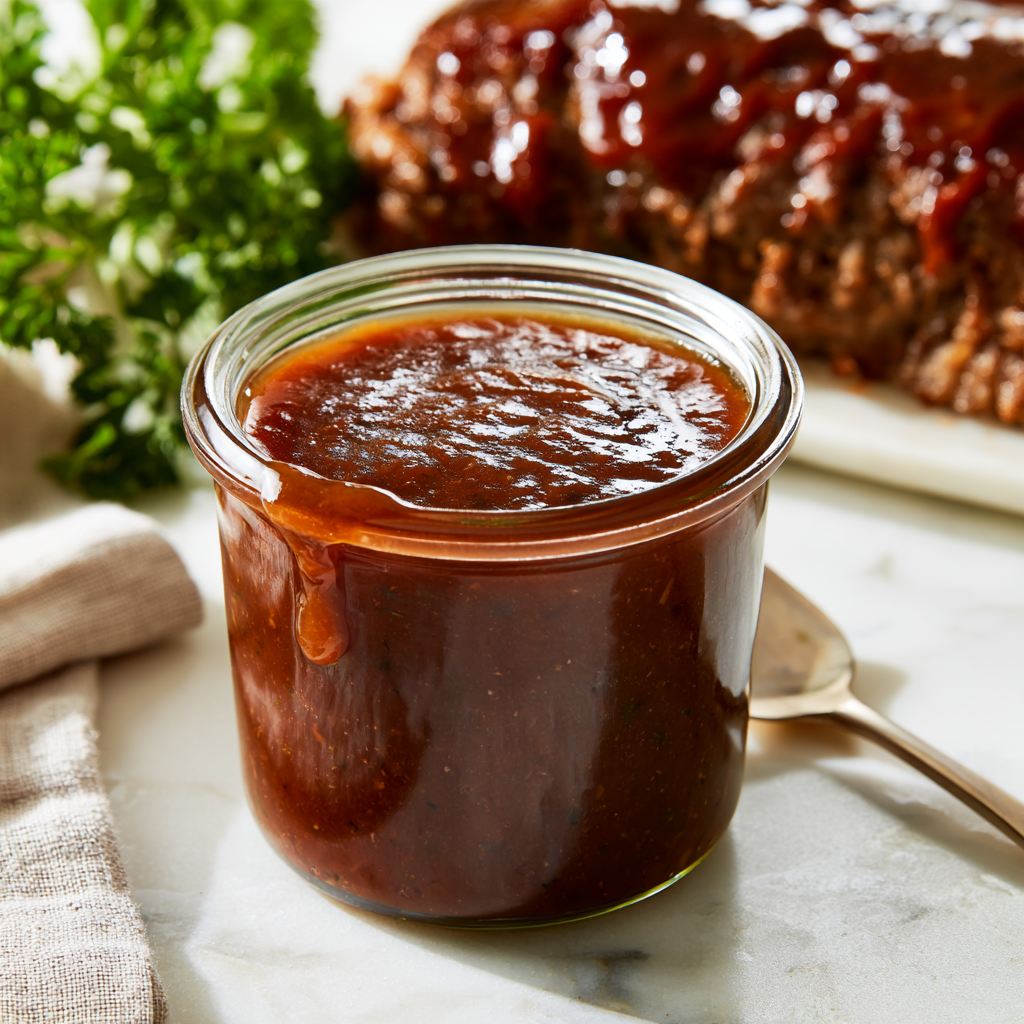

This meatloaf sauce recipe is the difference between a good meatloaf and a great one. It takes five minutes, a handful of pantry ingredients, and one small bowl, and it bakes into a thick, glossy, mahogany-colored glaze that caramelizes on top of the meatloaf, giving every slice that sticky, shiny crust. Ketchup, brown sugar, yellow mustard, Worcestershire sauce, and a splash of apple cider vinegar come together into a sauce that’s sweet, tangy, savory, and just a little sharp.
The sauce does three jobs. It builds a glaze on top of the meatloaf as it bakes.
It adds a sweet-tangy layer that soaks into the meat. And when it mixes with the beef juices in the pan, it becomes a rich, glossy sauce you can spoon over each slice at the table.
Get the balance right, and the meatloaf goes from ordinary to the kind of thing people ask you to bring to every family dinner.
It’s also endlessly adaptable. Don’t have ketchup? Tomato sauce and tomato paste work.
Want it smokier? Add smoked paprika. Prefer it sweeter? Add another tablespoon of brown sugar.
Once you have the base recipe, it’s easy to make it yours, and it works on meatloaf, meatballs, burgers, and grilled chicken.
Why This Recipe Works
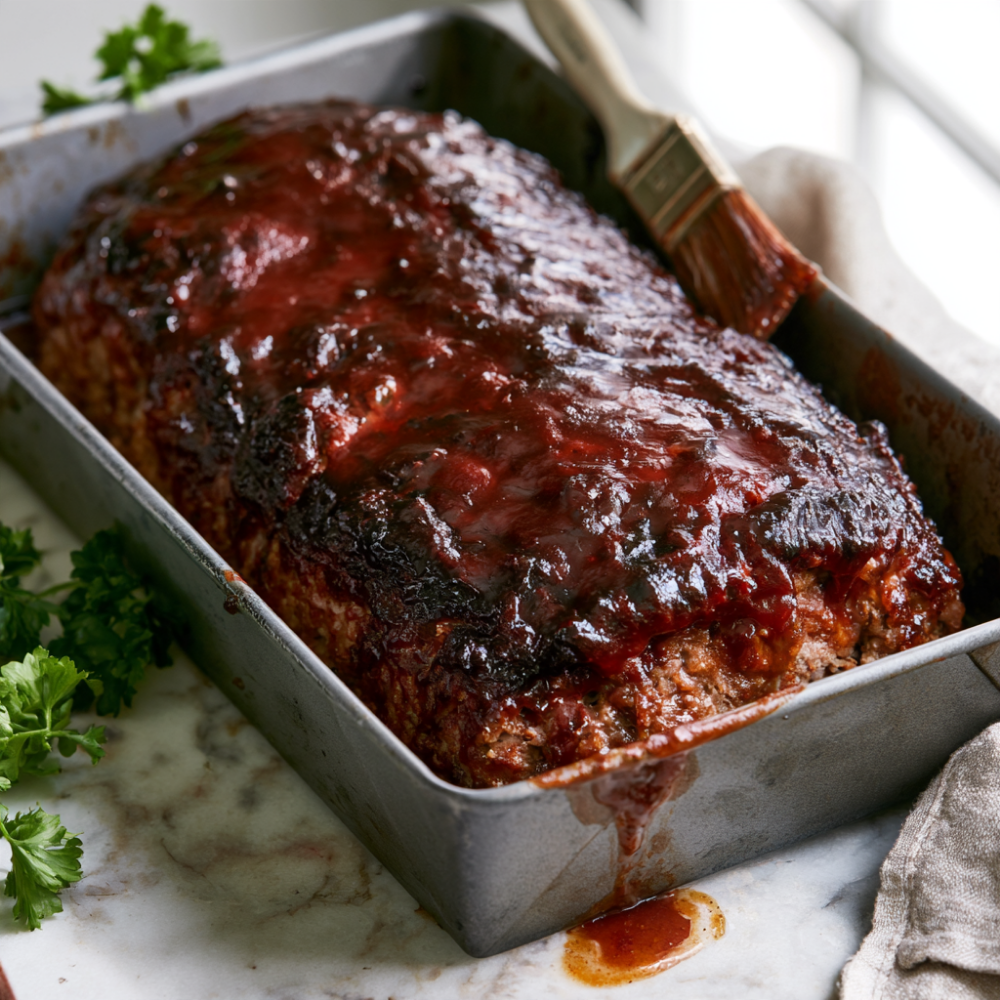
A few small decisions make this meatloaf sauce taste like the version that shows up at the best home-cooked dinners:
Use Ketchup, Brown Sugar, and Yellow Mustard as the Base. This classic trio works because each ingredient brings something the others don’t. Ketchup brings tomato sweetness and acidity, brown sugar brings deep caramel flavor and stickiness, and yellow mustard brings a tangy sharpness that cuts through the sweetness. The combination is balanced before you add anything else.
Add Worcestershire Sauce for Depth. Worcestershire is what makes the sauce taste finished instead of just sweet. It brings umami, a little tang, and a subtle savory note that makes the whole thing taste layered.
Use Apple Cider Vinegar, Not White Vinegar. Apple cider vinegar has a milder, slightly fruity tang that fits the sweet-savory profile. White vinegar is harsher and makes the sauce taste sharp.
Go Light on the Added Salt. Ketchup and Worcestershire sauce are already salty, and the sauce reduces and concentrates as it bakes. Start with a pinch of kosher salt, then taste before adding more. The sauce should taste seasoned, not salty.
Bake the Meatloaf Unglazed First, Then Add the Sauce in Two Layers. This is the biggest upgrade for any meatloaf glaze. Brushing the sauce on raw meatloaf and baking it for a full hour exposes the sugars to prolonged high heat, burning the edges and turning the top black before the center is even cooked through. Baking the meatloaf unglazed for the first 35 to 40 minutes lets it set and cook most of the way through, then two rounds of sauce during the last 15 to 20 minutes build a thick, shiny, multi-layered lacquer without burning.
Rest the Meatloaf for 10 Minutes Before Slicing. The glaze firms up and the juices redistribute during the rest, which means each slice comes out clean instead of falling apart, and the top stays glossy instead of sliding off.
Meatloaf Sauce Recipe
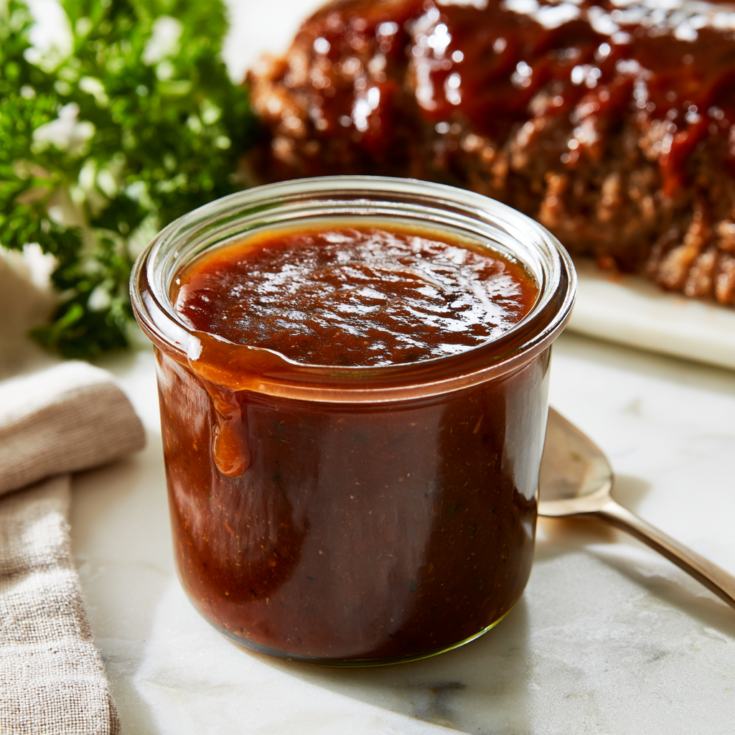
A five-minute meatloaf sauce with ketchup, brown sugar, yellow mustard, Worcestershire sauce, and apple cider vinegar. Sweet, tangy, and it bakes into a thick, glossy, caramelized glaze.
Ingredients
For the Classic Glaze Base
- ¾ cup ketchup
- ¼ cup light brown sugar, packed
- 2 tbsp yellow mustard
- 1 tbsp Worcestershire sauce
- 1 tbsp apple cider vinegar
- ¼ tsp garlic powder
- ¼ tsp onion powder
- ¼ tsp freshly ground black pepper
- Pinch of kosher salt, optional to taste
Optional Flavor Boosters (Pick One)
- Smoky BBQ Style: Add ½ tsp smoked paprika and 1 tsp liquid smoke
- Umami Rich: Add 1 tsp low-sodium soy sauce and 1 tsp molasses
- Kick of Heat: Add 1 tsp sriracha or hot sauce
Instructions
- Whisk everything together. In a small bowl or measuring cup, whisk together the ketchup, brown sugar, yellow mustard, Worcestershire sauce, apple cider vinegar, garlic powder, onion powder, black pepper, and salt if using) until completely smooth and the sugar is dissolved. If using any of the optional flavor boosters, whisk them in now.
- Let it rest for 10 minutes. The sauce tastes good right after mixing, but letting it sit for 10 minutes helps the brown sugar dissolve completely, and the flavors meld. This step is optional but makes a noticeable difference.
- Bake the meatloaf unglazed first. Bake your meatloaf without any sauce for the first 35 to 40 minutes, until the internal temperature reaches about 140°F to 145°F. This lets the meatloaf set and cook most of the way through before the sugars in the sauce ever hit the oven.
- Apply the first glaze layer. Remove the meatloaf from the oven and brush half of the sauce evenly over the top and sides. Return it to the oven and bake for another 10 minutes so the first layer sets and tacks up.
- Apply the second layer for a glossy finish. Brush the remaining sauce over the meatloaf during the final 5 to 10 minutes of baking, until the internal temperature reaches 160°F. The glaze turns deep mahogany, glossy, and caramelized.
- Rest and serve. Let the meatloaf rest for 10 minutes before slicing so the glaze firms up on top and the juices redistribute. Spoon the pan juices over each slice at the table.
Notes
Each serving has about 45 calories and 0g of protein, with roughly 11g of carbs, 0g of fat, and 210mg of sodium. The sauce itself is light — most of the calories come from the sugar, so the number per serving depends on how much sauce you spoon on. This batch makes enough for a 2 to 2½ lb meatloaf and serves 6 to 8 people.
What to Serve With Meatloaf
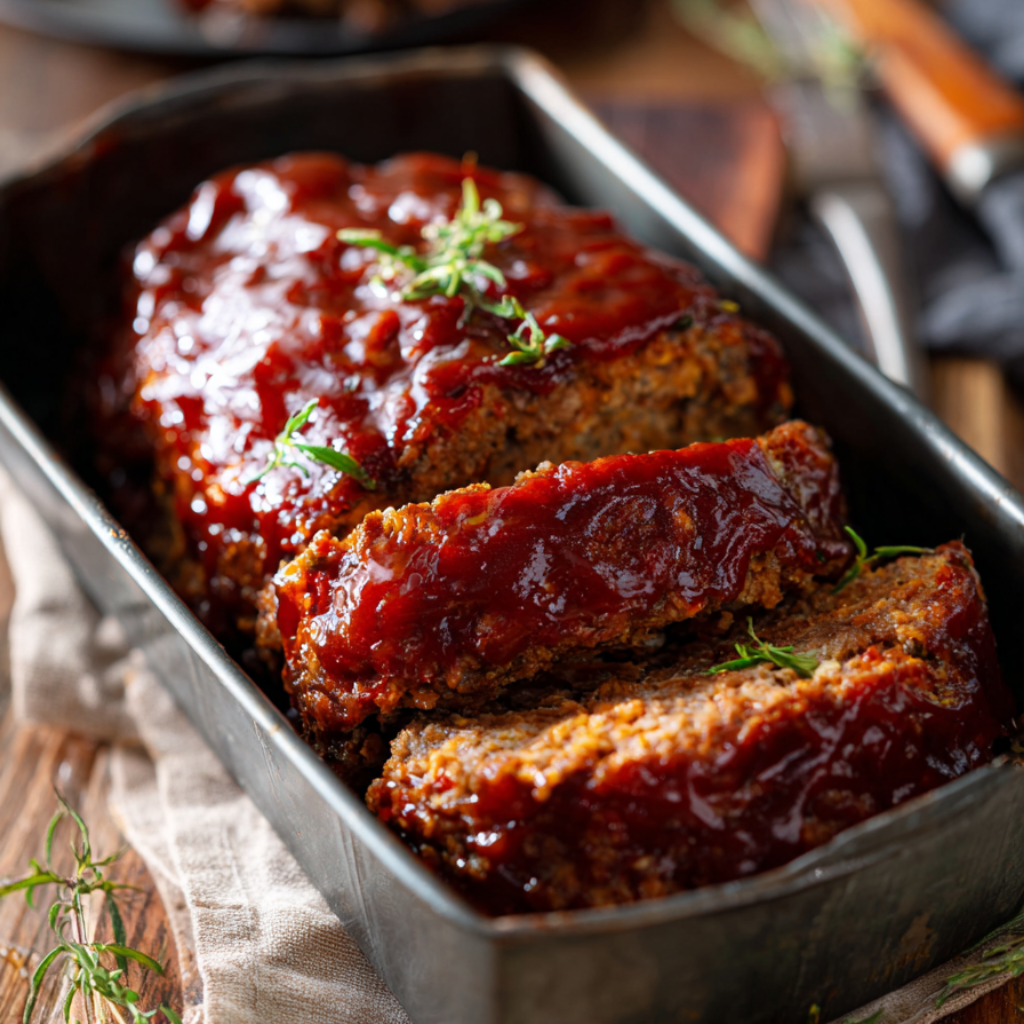
This meatloaf sauce is built for meatloaf, but it also works on:
- Mashed potatoes with butter
- Roasted baby potatoes
- Steamed green beans or roasted broccolini
- Buttered egg noodles
- Macaroni and cheese
- Corn on the cob
- Crusty bread for dipping
Make-Ahead, Storage, and Reheating
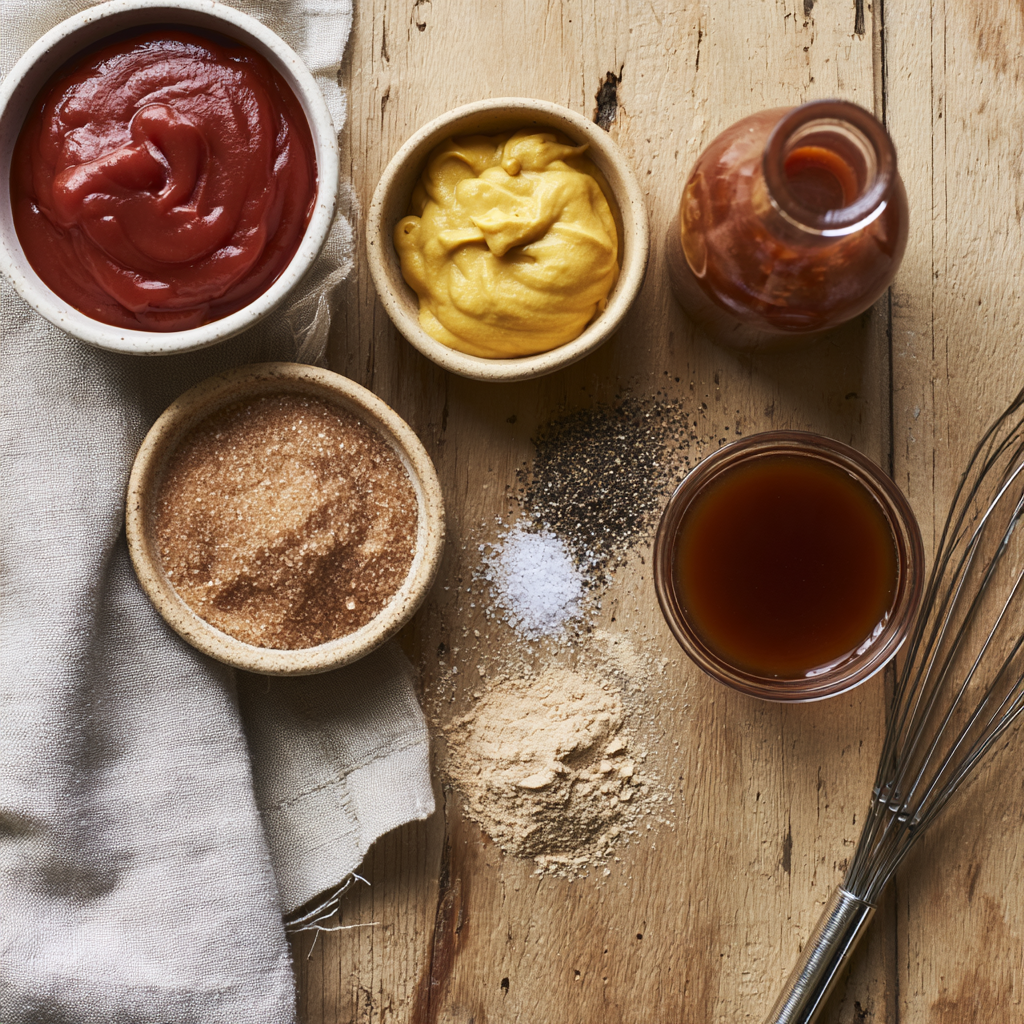
Make Ahead: Make this sauce up to 2 weeks in advance and store it in a sealed jar in the refrigerator.
Refrigerator: Store in a sealed jar for up to 2 weeks. Stir before using.
Freezer: Freeze in a sealed container or ice cube tray for up to 3 months. Thaw overnight in the refrigerator.
Reheating: This sauce doesn’t need reheating. Use it straight from the refrigerator, or warm it gently in a small saucepan if you’re serving it alongside a cooked meatloaf.
Food Safety: Keep the sauce refrigerated at all times. Discard if it develops an off smell or color.
Easy Variations
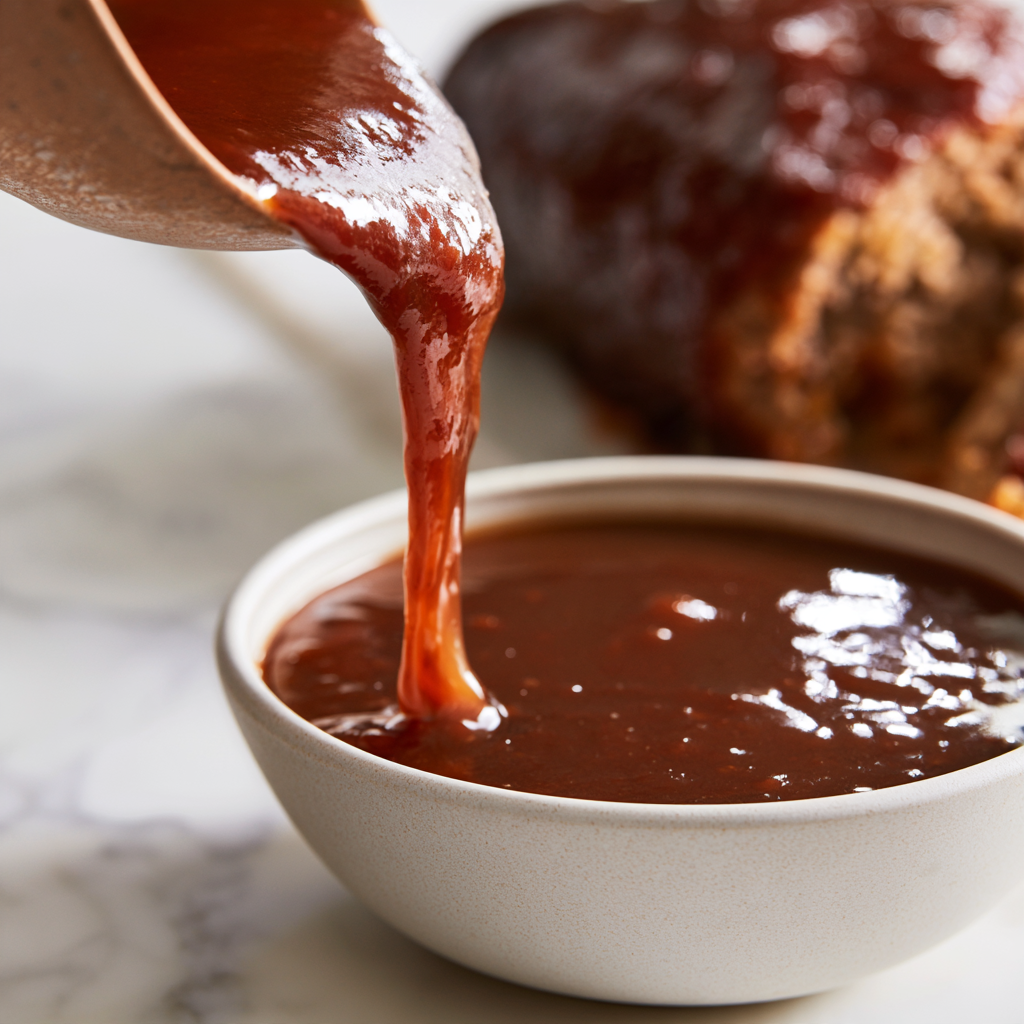
Meatloaf Glaze: Brown Sugar Ketchup. This is the version in the recipe above — a sweet, tangy, slightly sharp glaze made with ketchup, brown sugar, and yellow mustard. It’s the classic combination that most people think of when they hear “meatloaf sauce.”
Meatloaf Gravy Recipe. If you want a thinner, savory sauce for spooning at the table, whisk 2 tablespoons of flour into the pan juices after the meatloaf comes out, then add ½ cup of beef broth and simmer for 3 to 4 minutes until thickened. That gives you a rich, glossy gravy that’s slightly more traditional than a glaze.
Meatloaf Topping Sauce: Brown Sugar. This version leans heavier on the brown sugar — increase the brown sugar to ⅓ cup and reduce the ketchup to ⅔ cup. The sauce becomes thicker, sweeter, and more caramelized, and it’s the version to make if you want the top of the meatloaf to look deeply glazed.
Meatloaf Sauce Without Ketchup. Use ¾ cup tomato sauce and 1 tablespoon tomato paste instead of ketchup. The sauce becomes slightly less sweet and more tomato-forward. Add an extra teaspoon of brown sugar to balance the acidity.
Meatloaf Sauce Without Brown Sugar. Use 2 tablespoons of honey or maple syrup in place of the brown sugar. The sauce becomes slightly less deep in flavor but still works beautifully as a glaze.
Meatloaf Sauce With Tomato Sauce. Swap the ketchup for an equal amount of tomato sauce and add 1 tablespoon of tomato paste for depth. Make this version if you prefer a more Italian-style sauce.
Meatloaf Sauce Recipe: Tomato Paste. Combine 6 tablespoons tomato paste with 6 tablespoons water to make a quick tomato sauce substitute for ketchup, then whisk in the remaining ingredients. The result is a slightly thicker, more concentrated sauce.
Frequently Asked Questions
What is meatloaf sauce made of?
This meatloaf sauce uses ketchup, brown sugar, yellow mustard, Worcestershire sauce, apple cider vinegar, garlic powder, onion powder, black pepper, and a pinch of kosher salt. It’s a sweet, tangy glaze that bakes into a caramelized topping.
Should I put sauce on my meatloaf before or after baking?
Bake the meatloaf unglazed for the first 35 to 40 minutes so it sets and cooks most of the way through. Then brush on half the sauce and bake another 10 minutes, and brush on the rest during the final 5 to 10 minutes. This builds a thick, glossy, multi-layered glaze without burning the sugars.
Can I make meatloaf sauce without ketchup?
Yes. Use ¾ cup tomato sauce plus 1 tablespoon tomato paste instead of ketchup, and add an extra teaspoon brown sugar to balance the acidity.
Can I make meatloaf sauce without brown sugar?
Yes. Use 2 tablespoons of honey or maple syrup in place of the brown sugar. The sauce will be slightly less deep in flavor but still works beautifully.
What’s the difference between meatloaf sauce and meatloaf glaze?
In practice, they’re the same thing—a sweet, tangy sauce brushed over the meatloaf that caramelizes into a glaze. Some people also use the term “meatloaf sauce” for a thinner gravy served at the table.
Can I use this sauce on meatballs?
Yes. Brush it over meatballs during the last 10 minutes of baking, or simmer the meatballs in the sauce on the stovetop for 15 minutes.
Can I use this sauce on burgers?
Yes. Brush it on grilled or pan-seared burgers during the last minute of cooking on each side. It caramelizes quickly and gives the burger a sweet-tangy crust.
Can I make this sauce spicy?
Yes. Add 1 teaspoon of sriracha, ½ teaspoon of cayenne pepper, or 1 minced chipotle in adobo. The sauce becomes smoky and spicy.
Can I make this sauce sweeter?
Yes. Increase the brown sugar to ⅓ cup and reduce the apple cider vinegar to 2 teaspoons. The sauce becomes thicker and more caramelized.
Can I make this sauce smokier?
Yes. Add ½ teaspoon of smoked paprika or a few dashes of liquid smoke. The sauce becomes deeper and more barbecue-forward.
Why did my meatloaf glaze burn?
Almost always because you applied the sauce too early in the bake, and the sugars sat under high heat too long. Bake the meatloaf unglazed for the first 35 to 40 minutes, then brush on the sauce in two layers during the last 15 to 20 minutes to keep the glaze from burning.
How long does meatloaf sauce last?
Up to 2 weeks in a sealed jar in the refrigerator, or up to 3 months in the freezer.
Can I double the recipe?
Yes. Double or triple all the ingredients and store the extra in a jar. It’s a great sauce to keep on hand for meatballs, burgers, and grilled chicken.
More Meatloaf and Comfort Food Recipes You’ll Love
- Garlic Parmesan Chicken Meatloaf Recipe — High Protein, Ultra Juicy
- Meatloaf Muffins Recipe — Easy Kid-Friendly Dinner in 30 Minutes
- French Onion Meatloaf with Gruyère — 30g Protein, Caramelized Onion Gravy
- Copycat Cracker Barrel Meatloaf — 30g Protein, Brown Sugar Glaze
Conclusion
This meatloaf sauce recipe is a five-minute glaze that turns good meatloaf into great meatloaf. Ketchup, brown sugar, yellow mustard, Worcestershire sauce, and apple cider vinegar come together to form a sweet, tangy sauce that bakes into a thick, glossy, mahogany glaze and gives every slice a sticky, caramelized finish.
The three things that make it work are these. Use ketchup, brown sugar, and yellow mustard as the base to balance sweet and tangy.
Go light on the added salt because ketchup and Worcestershire are already salty, and the sauce concentrates as it bakes. And brush the sauce on in two layers during the last 15 to 20 minutes of baking so the glaze caramelizes into a thick lacquer instead of burning.
About 45 calories per serving. Six to eight servings per batch. Ready in 5 minutes, make-ahead friendly, freezer-friendly, and endlessly adaptable with tomato sauce, honey, smoked paprika, or hot sauce.