Christmas dinner has one universal problem: the oven. The turkey or the roast needs it, the potatoes need it, the casseroles need it, and the ham needs it.
Every year I’d find myself doing oven math at 11 am, trying to figure out how a ten-pound ham and a tray of scalloped potatoes could share a single rack without one of them going cold.
The fix was embarrassingly simple. The ham goes in the crockpot. It’s a fully cooked spiral ham, so it doesn’t need to cook — it needs to heat through and soak up a glaze.
A slow cooker does both while the oven stays free for everything else, and it holds the ham at serving temperature until you’re ready to carve.
The glaze is where this version earns its place. Crushed pineapple goes in the bottom of the pot with apple cider vinegar, and the ham sits on top, steaming in the juice as it heats.
On top goes a paste of dark brown sugar, maple syrup, bourbon, Dijon, cinnamon, cloves, and ginger.
At the end, reduce the pineapple juices on the stovetop into a glossy syrup to pour over the sliced ham.
It’s sweet, warm-spiced, and a little boozy, and it tastes like a holiday ham instead of a ham with sugar on it.
And it’s a genuinely high-protein main. Ham runs about 28 grams of protein per serving, and the glaze adds almost nothing to the count. On a board full of high-protein crockpot recipes, this holiday centerpiece earns its spot without any inflation.
Why This Recipe Works
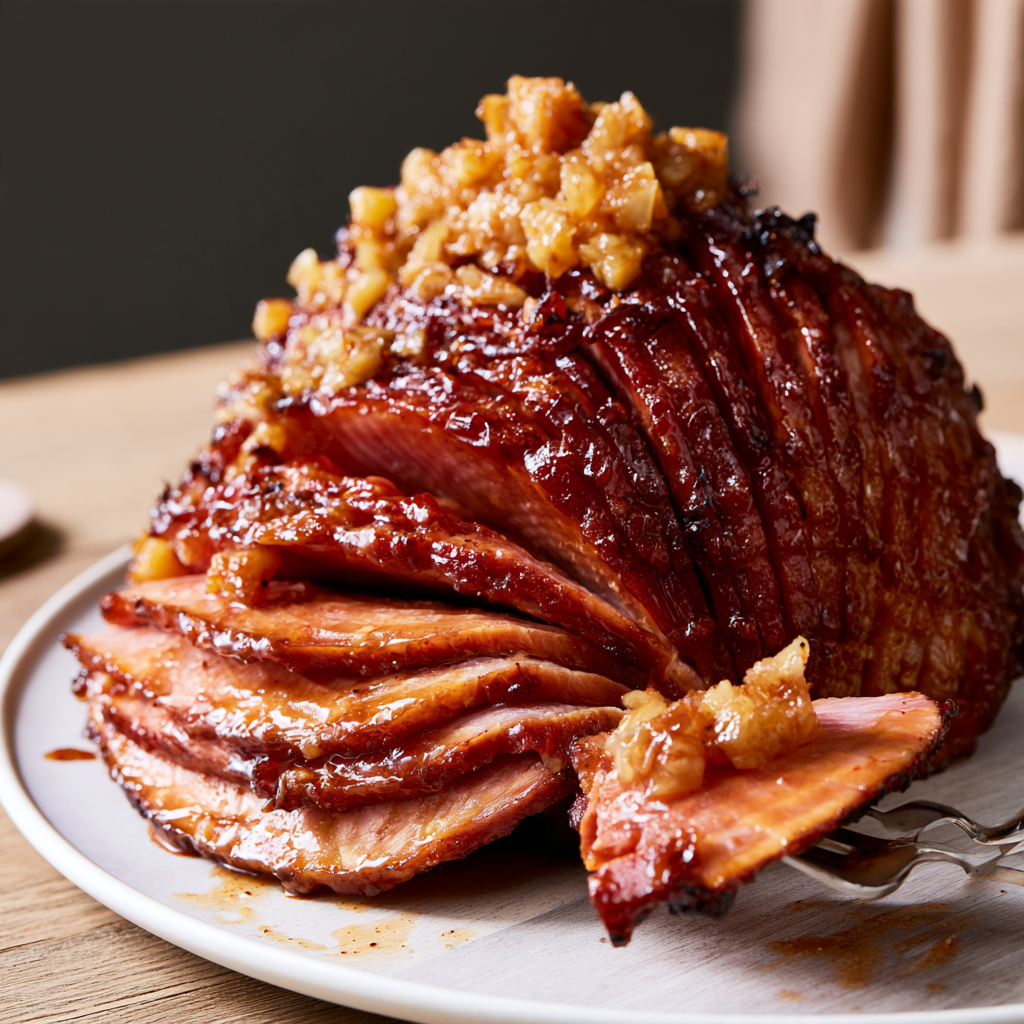
A fully cooked spiral ham only needs to be heated through, not cooked. Most holiday hams are cured and fully cooked before they’re packaged, so the cook time is really just reheating. A slow cooker heats it gently and evenly and holds the ham at temperature until you’re ready to serve. It also avoids drying out like an oven can if you leave it too long.
The crushed pineapple at the bottom of the pot is doing two jobs. The juice steams up around the ham and keeps it moist, and the fruit itself becomes part of the sauce that gets reduced at the end. Draining the can would be a mistake — you need the juice for both the steam and the glaze.
The glaze is a paste, not a liquid, and that matters. A thin glaze runs off the ham and pools in the bottom of the pot. A thick paste — brown sugar, maple, bourbon, mustard, and spices whisked together — clings to the surface and works its way into the spiral cuts. It’s the difference between glazed ham and ham that sat near some glaze.
Bourbon brings more than alcohol; it brings oak and caramel. The alcohol cooks off during the slow cook, but the barrel flavor stays behind and deepens the maple. If you’d rather skip it, orange juice or extra cider vinegar works, but the flavor will be a little brighter and less deep.
Reduce the pan juices at the end because the slow cooker can’t do it. A slow cooker traps moisture, so the liquid never concentrates. Ladling a cup of the pineapple juice into a saucepan and simmering it for five or six minutes turns it into a glossy syrup. Skip this step, and you’ll pour thin juice over the ham instead of a glaze.
Cooking to 140°F and no higher keeps the slices moist. Ham is already cooked, so you’re just bringing it up to serving temperature. Overcooking tightens the muscle fibers and squeezes out moisture, and the spiral slices go dry and stringy.
The foil trick for a tall ham solves a real problem. A spiral ham can be too tall for the lid to seal on a 6-quart cooker. Trimming a piece off the bottom or tenting heavy-duty foil over the top before the lid goes on keeps the steam in and lets the ham cook properly.
Ingredients That Matter
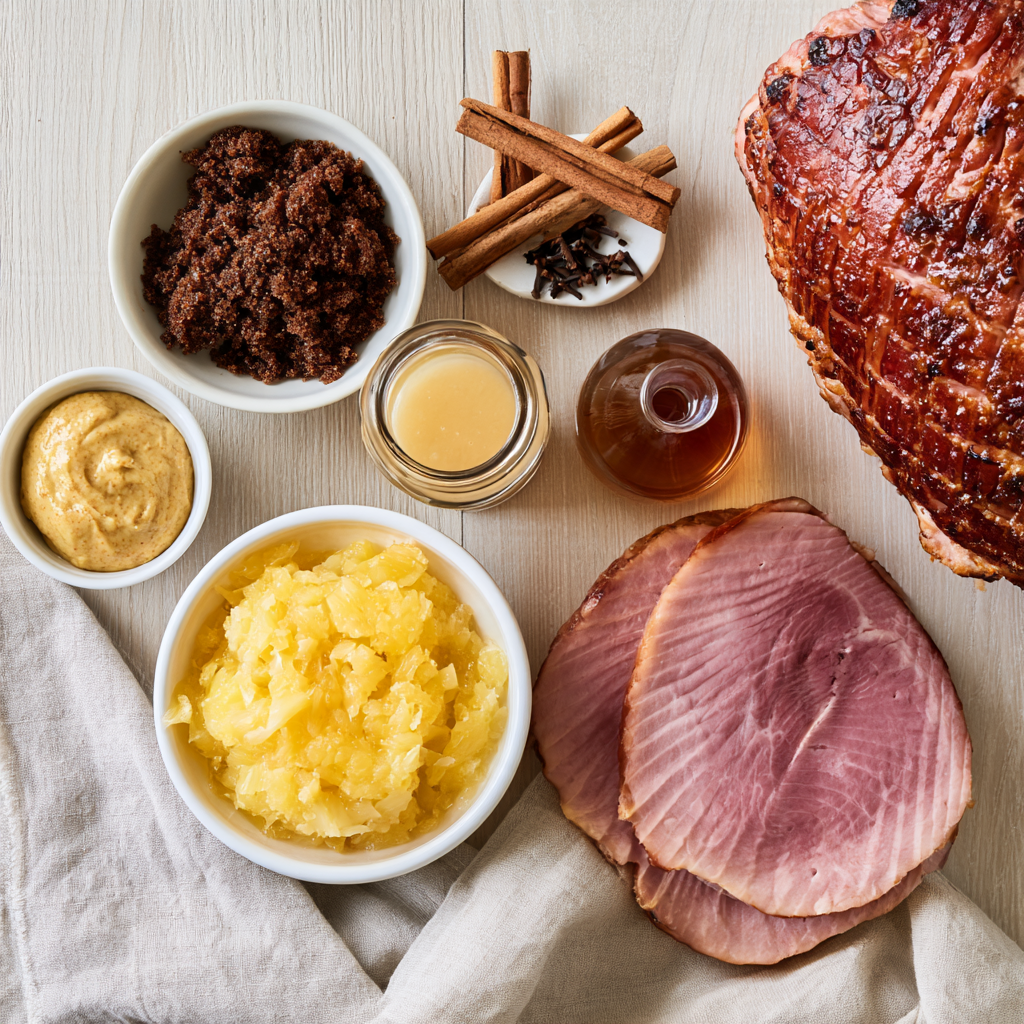
Most of this list is flexible. Three ingredients are easy to get wrong, so those are the ones worth explaining.
A fully cooked spiral-cut ham, 7 to 8 pounds. Look for the label to say “fully cooked” or “ready to eat.” Spiral-cut is easiest because the glaze gets between the slices, and you serve by pulling them apart. If yours is too tall for the pot, trim the bottom or use foil.
Crushed pineapple in 100% juice, not drained. The juice is the steam and the glaze base, and the crushed fruit becomes part of the sauce. Pineapple in heavy syrup works, but it’s much sweeter, so you’ll want to cut the brown sugar back a little. Don’t use chunks — crushed breaks down into the sauce.
Dark brown sugar and pure maple syrup, not light brown sugar and pancake syrup. Dark brown sugar has more molasses, which gives the glaze depth. Pancake syrup is corn syrup with maple flavoring, so it won’t taste the same. Real maple syrup is what makes this taste like holiday ham.
How to Make It
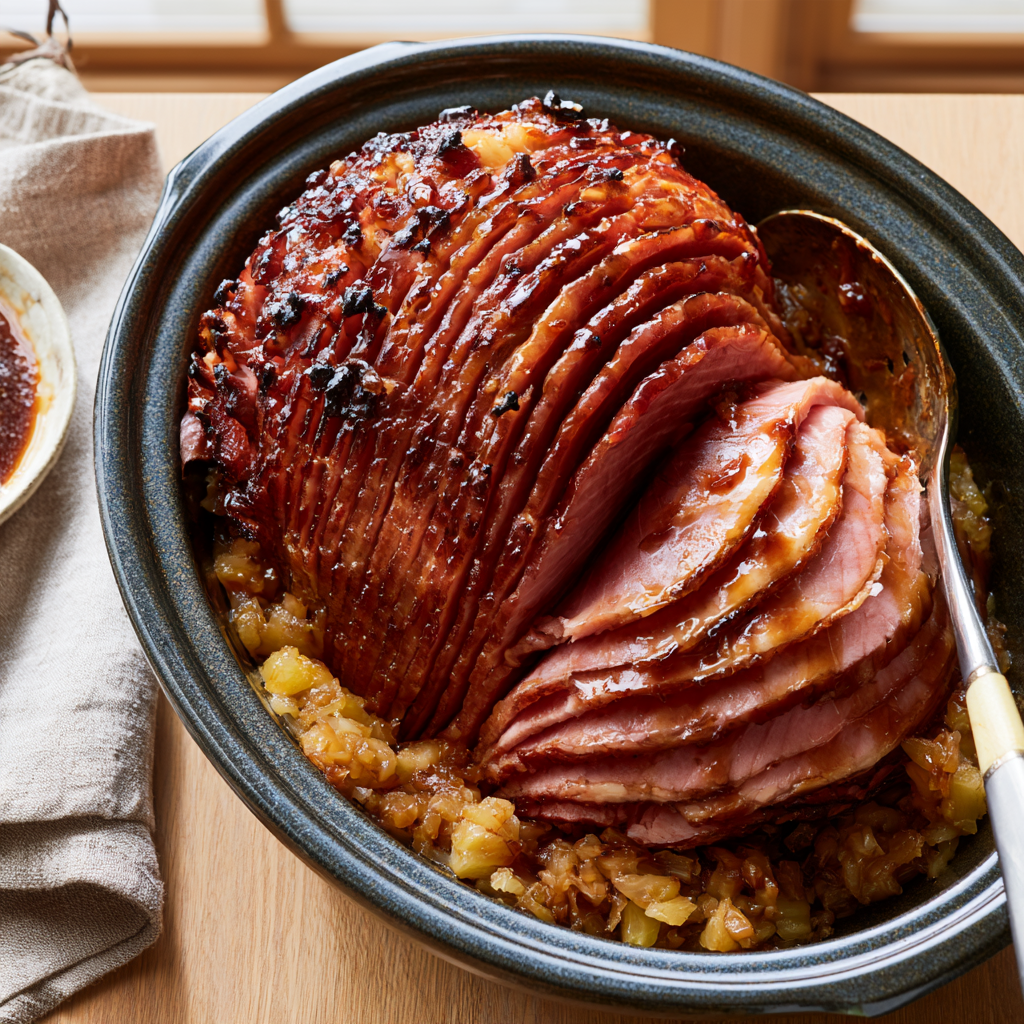
Step 1: Build the base.
Pour 1 can (20 oz) of crushed pineapple, including the juice, and 2 tablespoons of apple cider vinegar into the bottom of a 6- to 8-quart slow cooker. Stir to combine.
Step 2: Mix the glaze paste.
In a bowl, whisk together ¾ cup packed dark brown sugar, ⅓ cup pure maple syrup, 2 tablespoons bourbon, 2 tablespoons Dijon mustard, ½ teaspoon ground cinnamon, ¼ teaspoon ground cloves, and ¼ teaspoon ground ginger until a thick, spreadable paste forms.
Step 3: Position and glaze the ham.
Place the spiral ham cut-side down in the slow cooker over the pineapple base. If the ham is too tall for the lid to seal, trim a piece off the bottom or cover the top with heavy-duty foil before putting the lid on. Rub the glaze paste generously over the top and sides, massaging it into the spiral cuts.
Step 4: Cook on low.
Cover and cook on low for 2 to 3 hours, or on high for 1½ to 2 hours, until an instant-read thermometer in the thickest part reads 140°F. Baste once halfway through with the juices at the bottom of the pot.
Step 5: Reduce the pan glaze.
Transfer the ham to a serving platter and tent loosely with foil. Ladle 1 cup of the pineapple cooking juices into a small saucepan over medium-high heat. Simmer for 5 to 6 minutes, until it reduces into a glossy, thick syrup. Taste and add a splash of bourbon or vinegar if it’s too sweet.
Step 6: Serve.
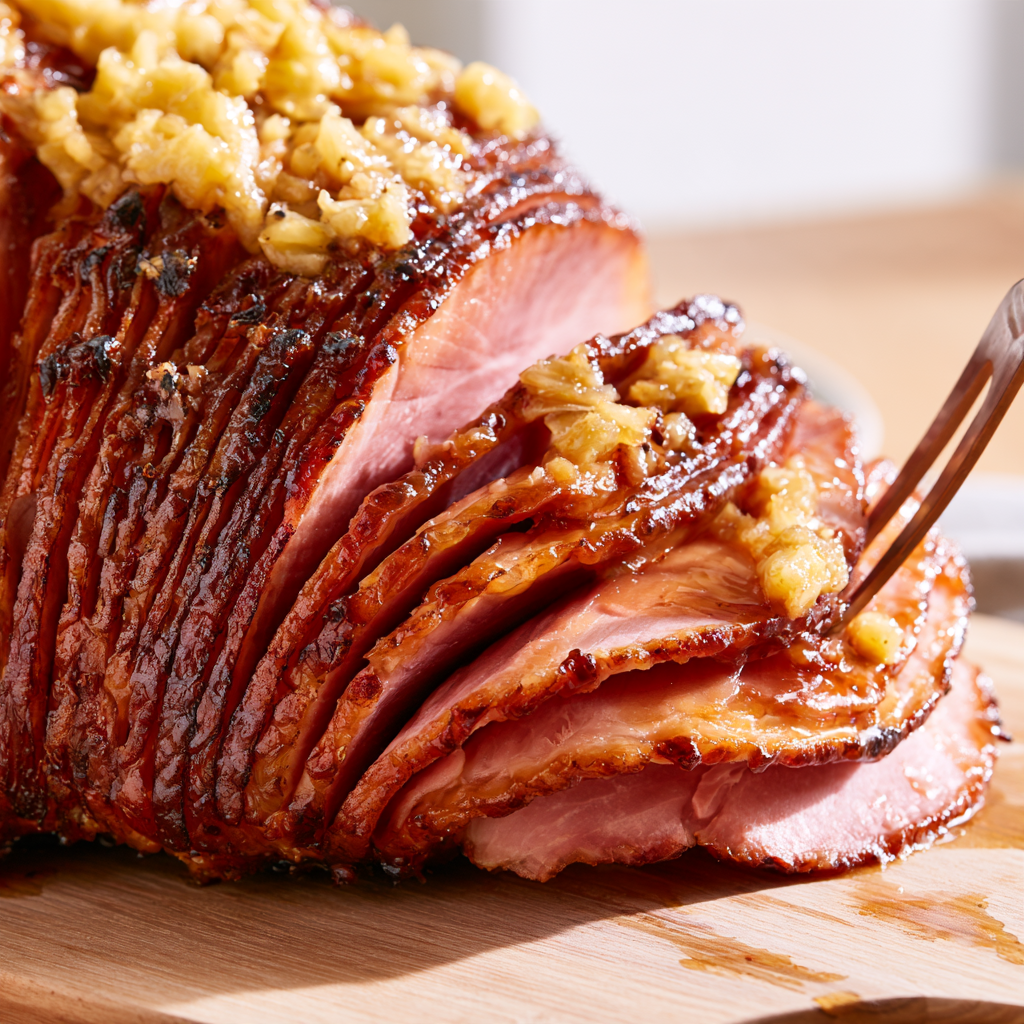
Spoon the warm reduced glaze over the sliced ham, then scatter the pineapple pieces from the pot on top. Serve warm.
Tips and Troubleshooting
The ham is dry. It cooked past 140°F, or the lid didn’t seal, and the steam escaped. Check the temperature at 2 hours and use the foil trick if the ham is too tall for the pot.
The glaze is thin and didn’t coat the ham. The pan juices weren’t reduced enough, or the glaze paste was too loose. Simmer the juices for the full 5 to 6 minutes, until they coat a spoon, and make sure the paste is thick before you put it on the ham.
The glaze burned on top. Slow cookers don’t usually burn, but a very sugary glaze on high heat can catch. Cook on low and baste once halfway through.
The ham is too salty. Some brands are saltier than others. Soak the ham in cold water for 30 minutes before cooking, and taste the reduced glaze before serving — the sweetness should balance it.
The ham didn’t fit in the crockpot. Trim a piece off the bottom, or use a 7- to 8-quart cooker. If it’s still too tall, tent foil over the top and put the lid on as best you can.
There’s too much liquid in the pot. That’s normal — the ham releases juices as it heats. Ladle out the cup you need for the glaze reduction and discard or save the rest.
The glaze tastes too boozy. The alcohol cooks off, but the flavor can be strong for some. Reduce the bourbon to 1 tablespoon, or substitute orange juice.
Storage and Make-Ahead
Store the cooked ham in a sealed container in the refrigerator for up to 5 days. Reheat slices gently in a skillet or in the microwave until just warmed through — ham dries out if you reheat it aggressively.
You can mix the glaze paste up to 3 days ahead and store it in the refrigerator. Make the reduced pan glaze fresh, but it keeps for 2 days.
Leftover ham freezes well for up to 3 months. Freeze slices or chunks in portion-sized bags and thaw overnight in the refrigerator.
Store leftovers in the refrigerator within 2 hours of cooking, and discard anything left at room temperature for more than 2 hours.
FAQ
Can I use a boneless ham instead of spiral-cut?
Yes. A boneless ham works, but score the surface in a diamond pattern so the glaze has somewhere to sit, and add about 30 minutes to the cook time for the same weight.
Can I make this without bourbon?
Yes. Orange juice or extra apple cider vinegar both work. The glaze will be brighter and a little less deep, but it’s still good.
How much ham do I need per person?
Plan on about ¾ pound per person for bone-in and ½ pound for boneless. A 7- to 8-pound spiral ham feeds 12 to 16 with leftovers.
What side dishes go with Christmas ham?
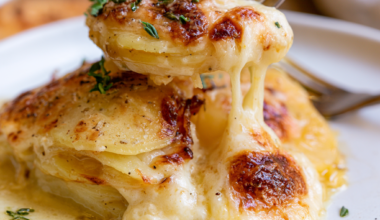
Potato gratin, scalloped potatoes, green bean casserole, roasted Brussels sprouts, honey-glazed carrots, and biscuits. A citrus or fennel salad cuts through the richness.
Is ham high in protein?
Yes. Ham has about 28g of protein per serving, and the glaze adds almost nothing.
Can I use pineapple chunks instead of crushed?
Crushed is better because it breaks down into the sauce. If you only have chunks, pulse them a few times in a food processor, or leave them whole and serve on the side.
More High-Protein Crockpot Recipes You’ll Love
- Crockpot Ham with Brown Sugar Glaze (Easy Holiday Recipe)
- 10 High-Protein Crockpot Hamburger Recipes | Easy Dinners Your Family Will Love
- Crockpot Ham and Beans That Spoon Over Cornbread, Not Into a Bowl
Closing
Make this Christmas ham in the crockpot and give your oven back to the sides.
The technique in the recipe card — the pineapple base for steam, the thick glaze paste worked into the spiral cuts, cooking to 140°F and no further, and reducing the pan juices into a syrup — is what gives you a glazed, caramelized ham without tying up the oven for hours.
This is the version I make now, and it’s the one that lets me actually enjoy Christmas morning instead of doing oven math. If you try it with orange juice instead of bourbon or a boneless ham, let me know how it turns out.