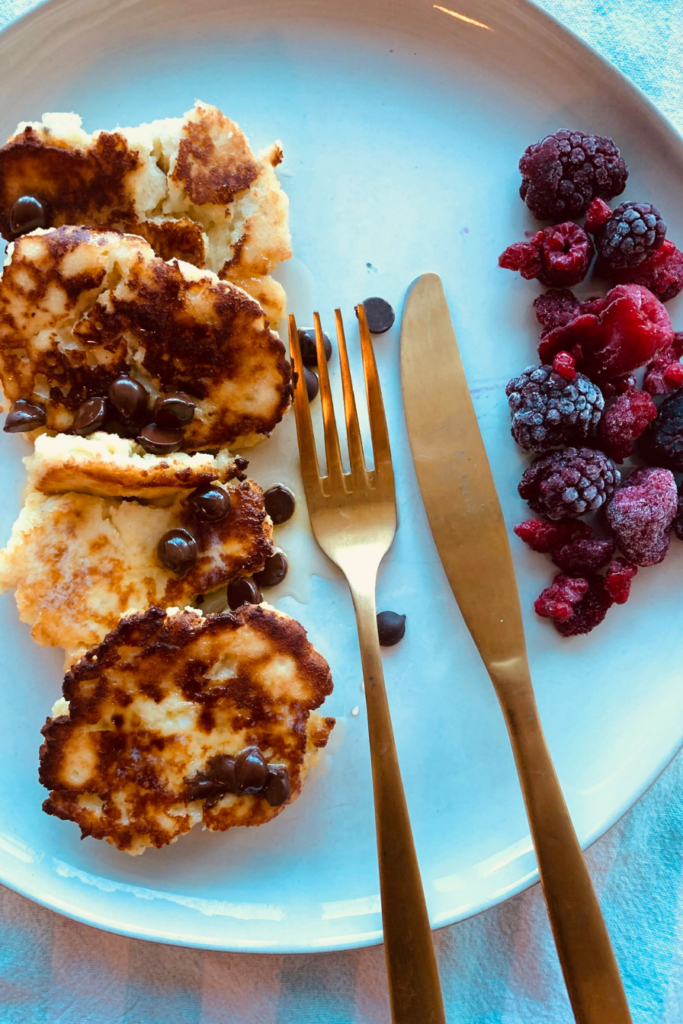
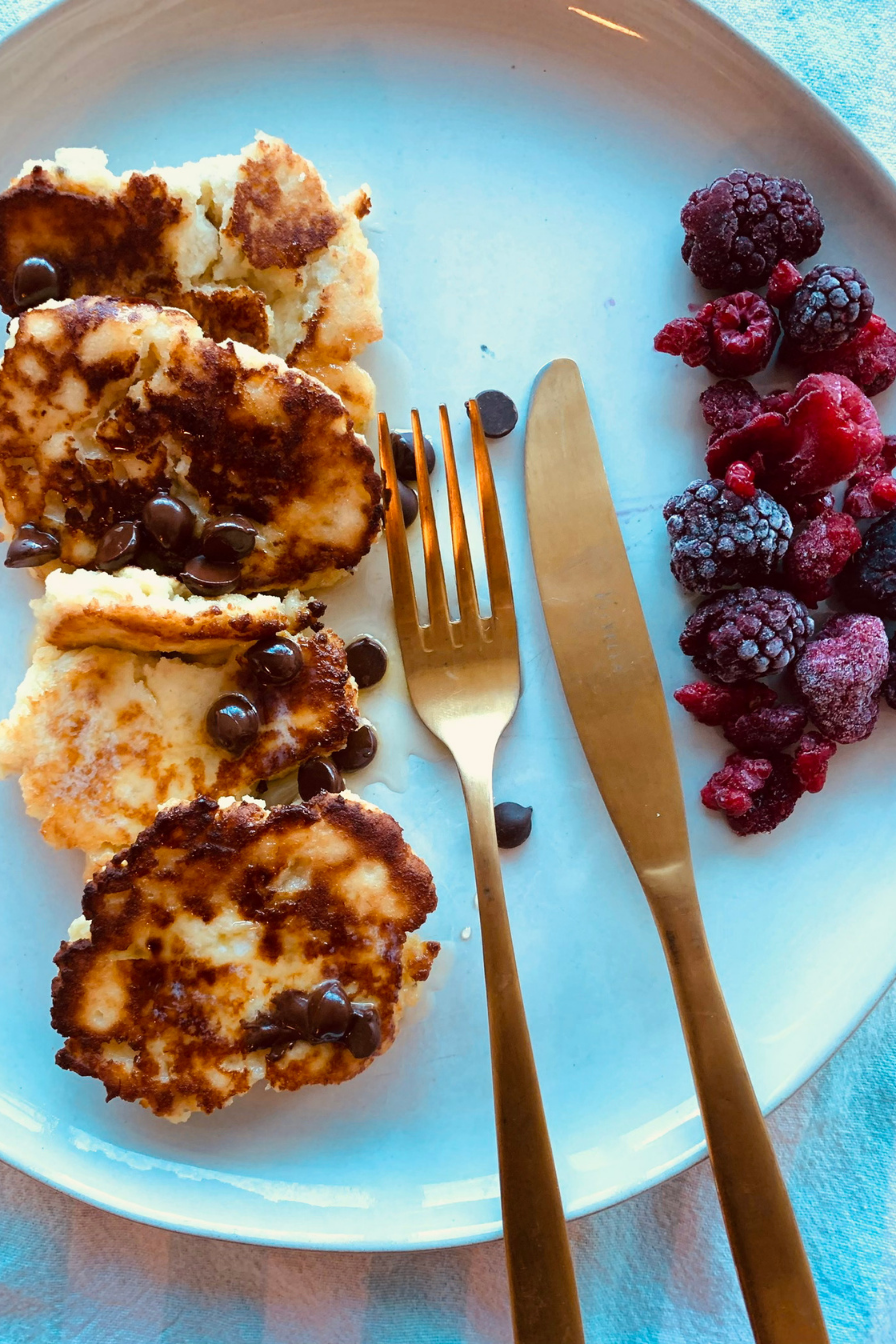
When my child was little, these coconut flour pancakes were the breakfast I made when I wanted something I could feel good about putting on the table. They’re made with just banana, eggs, and coconut flour — no gluten, no added sugar, no pancake mix — and they’re packed with fiber and nutrients in a way that regular pancakes just aren’t. I’d make them small, top them with chocolate chips and fresh berries, and watch them disappear before I’d finished the next batch. Knowing everything that went into them was wholesome and genuinely delicious made them the kind of breakfast I could make on repeat without ever feeling like I was cutting a corner.
One thing I want to be honest about: these are not feather-light, fluffy pancakes. They’re denser than that — grainy from the coconut flour, with a real coconut flavor that comes through in every bite. If you’re a coconut lover, that’s exactly the point. If you’re expecting a diner pancake, they’ll surprise you. What they are is satisfying in a way regular pancakes aren’t — the fiber from the coconut flour and the natural sweetness from the ripe banana keep everyone full past mid-morning, which matters when there’s school to get to and a whole day ahead.
They’re also naturally sweet from the bananas, so I never felt the need for added sugar. I’d pack the leftovers for lunch or snacks, and they held up beautifully. A few minutes in a toaster and they were as good as fresh.
If you’re avoiding gluten, or you’ve run out of pancake mix, or you just have a ripe banana on the counter and no plan, these are the answer. The batch makes about 6 small pancakes, which is one generous serving or two smaller ones, and the whole thing comes together in 15 minutes.
Why This Recipe Works
3-ingredient coconut flour pancakes go wrong in three specific ways: batter that’s too thin to flip, pancakes that fall apart, and a texture that’s either dense and eggy or bland and flavorless. Here’s how this version solves each one.
1. Rest the Batter for 2 to 3 Minutes
Coconut flour absorbs liquid much more aggressively than wheat flour, but it takes a couple of minutes to do it. Mixed and poured immediately, the batter is thin and the pancakes spread too wide and tear when you flip them. Resting the batter for 2 to 3 minutes lets the coconut flour hydrate fully, and the batter thickens into something scoopable and sturdy. That’s the difference between pancakes that hold together and pancakes that fall apart in the pan.
2. Cook on Medium-Low Heat, Not Medium
These pancakes are delicate. The banana sugars caramelize fast, and the eggs and coconut flour don’t have the gluten structure that wheat pancakes have to hold them together under high heat. Medium-low heat cooks the center of the pancake before the outside burns, and it gives the eggs time to set without toughening. The edges should look dry and the center should have small bubbles before you flip.
3. Embrace the Texture the Coconut Flour Gives You
Coconut flour doesn’t produce a light, airy pancake — it produces a denser, slightly grainy one with a real coconut flavor. That’s not a flaw, it’s the character of the flour. The graininess is the fiber, and the fiber is what makes these pancakes satisfying in a way regular pancakes aren’t. If you go into it expecting a diner pancake, you’ll be disappointed. If you go into it expecting something wholesome, coconut-forward, and filling, you’ll get exactly that.
Ingredients That Matter
One medium ripe banana. The browner the spots, the better. A banana with heavy brown spotting is soft, sweet, and wet enough to bind the pancakes — and since the banana is the only sweetener in the recipe, its ripeness is what determines whether the pancakes taste sweet or bland. Mash it until mostly smooth.
Two large eggs. The structure and the lift. Whisk them into the mashed banana until completely emulsified — that’s what gives the pancakes whatever lift they have.
Two tablespoons coconut flour. The thickener and the flavor. Coconut flour is unusually absorbent — it absorbs four to five times its weight in liquid — which is why this recipe only uses two tablespoons. It’s also what gives the pancakes their grainy texture and their coconut flavor. If you love coconut, this is the ingredient that makes the recipe; if you don’t, this isn’t the pancake for you. Don’t substitute with almond flour, which absorbs much less liquid and requires a different ratio (see Substitutions for the almond flour version).
Nonstick cooking spray or coconut oil. For the pan. These pancakes are delicate and will stick to anything that isn’t nonstick.
Optional toppings: fresh berries, chocolate chips, a drizzle of maple syrup, a spoon of nut butter, sliced banana, or a sprinkle of cinnamon. The pancakes are naturally sweet from the banana, so they don’t need syrup — but the toppings are what make them feel like a real breakfast.
How to Make 3-Ingredient Banana Coconut Flour Pancakes
(See the recipe card below — the steps are identical and the card is the single source of truth.)
Tips and Troubleshooting
The pancakes fell apart when I flipped them. The batter was too thin, or the pancakes were too large. Rest the batter 2 to 3 minutes, keep them small (2 tablespoons of batter each), and use a thin spatula.
The pancakes burned before the center cooked. The heat was too high. Cook on medium-low, not medium. Banana sugars caramelize fast and the eggs don’t have gluten to hold up under high heat.
The pancakes taste eggy. The banana wasn’t ripe enough, or the coconut flour was under-measured. Use a banana with heavy brown spotting and measure the coconut flour exactly — too little and the egg dominates.
The pancakes are denser than I expected. That’s the coconut flour — it produces a denser, grainy pancake rather than a light, fluffy one. That’s the character of the recipe, not a mistake. If you want a lighter pancake, see the fluffy version in Substitutions.
The coconut flavor is strong. That’s the point of coconut flour pancakes — the flour carries a real coconut flavor. If you want a milder version, use almond flour instead (see Substitutions).
The batter is too thin. The banana was small, or the coconut flour absorbed less liquid than expected. Add 1 more teaspoon of coconut flour.
The batter is too thick. The banana was very large, or the coconut flour absorbed more than expected. Add a splash of milk or water, 1 teaspoon at a time.
The pancakes taste bland. The banana wasn’t ripe enough. Use one with heavy brown spotting; the banana is the only sweetener in the recipe.
Substitutions and Swaps
Coconut flour → almond flour. Use ⅓ cup of almond flour instead of 2 tablespoons of coconut flour. Almond flour absorbs much less liquid, so the ratio is different. The pancakes come out lighter and less coconut-forward — closer to a traditional pancake.
Coconut flour → oat flour. Use ¼ cup of oat flour. This makes the pancakes gluten-free but no longer grain-free, and lighter in texture.
Banana → mashed sweet potato or pumpkin purée. Same quantity. The pancakes are less sweet and need a teaspoon of maple syrup added to the batter.
Dairy-free: this recipe is already dairy-free. If you add milk for consistency, use unsweetened almond or coconut milk.
For a keto version: replace the banana with ¼ cup of pumpkin purée plus a teaspoon of maple syrup (or a keto sweetener), and add a pinch of cinnamon. The carbs drop significantly.
For a fluffier version: add ½ teaspoon of baking powder and 1 tablespoon of almond flour to the batter. The pancakes rise more and are lighter, but they’re no longer a true 3-ingredient recipe.
For an almond flour pancake version: use ⅓ cup of almond flour instead of coconut flour and add 1 extra egg white for lift. This captures the “almond flour pancakes recipe” keyword.
For a coconut flour waffle version: cook the batter in a waffle iron instead of a skillet. The result is a soft, banana-sweet waffle with the same grainy coconut texture.
Storage and Reheat
Refrigerate cooked pancakes stacked between sheets of parchment paper in a glass airtight container for up to 2 days.
Reheat in a toaster on the lowest setting or in a dry skillet over low heat for 1 minute per side. Avoid microwaving on high heat — the pancakes turn rubbery.
Freeze cooked pancakes in a single layer on a baking sheet until firm, then transfer to a freezer bag for up to 2 months. Reheat from frozen in a toaster.
Food safety: store leftovers within 2 hours of cooking. Discard anything left at room temperature longer than 2 hours.
3-Ingredient Banana Coconut Flour Pancakes
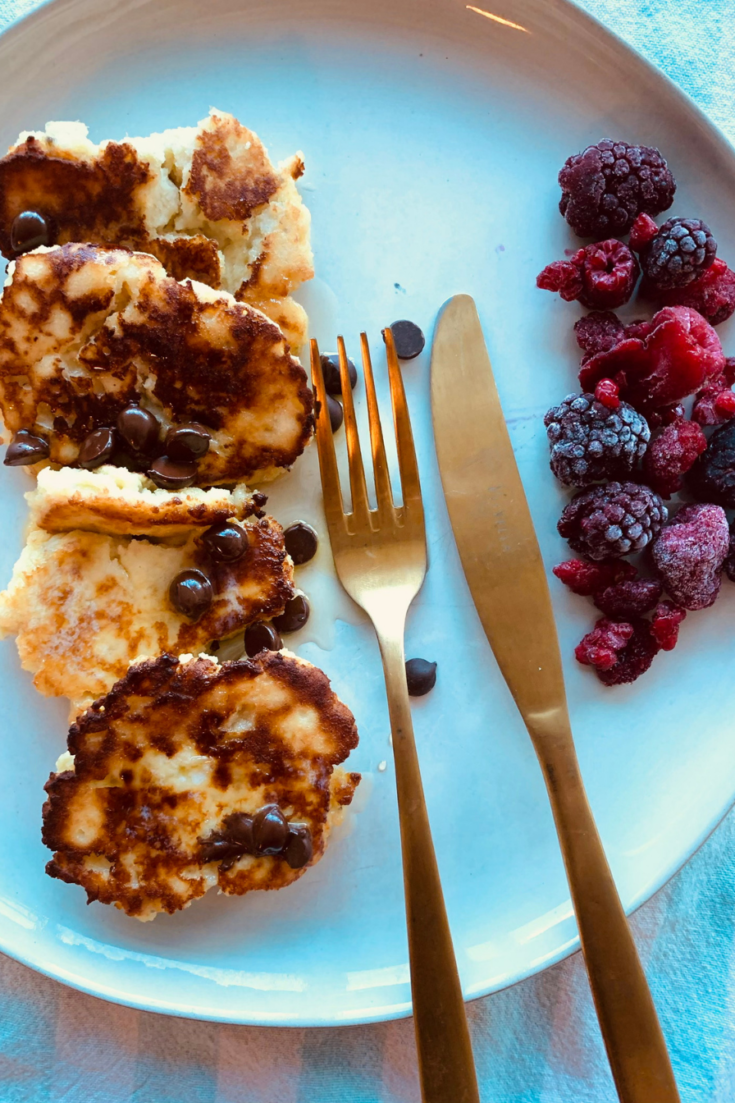
Tender, naturally sweet pancakes made with just ripe banana, eggs, and coconut flour — gluten-free, grain-free, and ready in 15 minutes.
Ingredients
- 1 medium ripe banana (the browner the spots, the sweeter the pancakes)
- 2 large eggs
- 2 tablespoons coconut flour
- Nonstick cooking spray or coconut oil, for the pan
Instructions
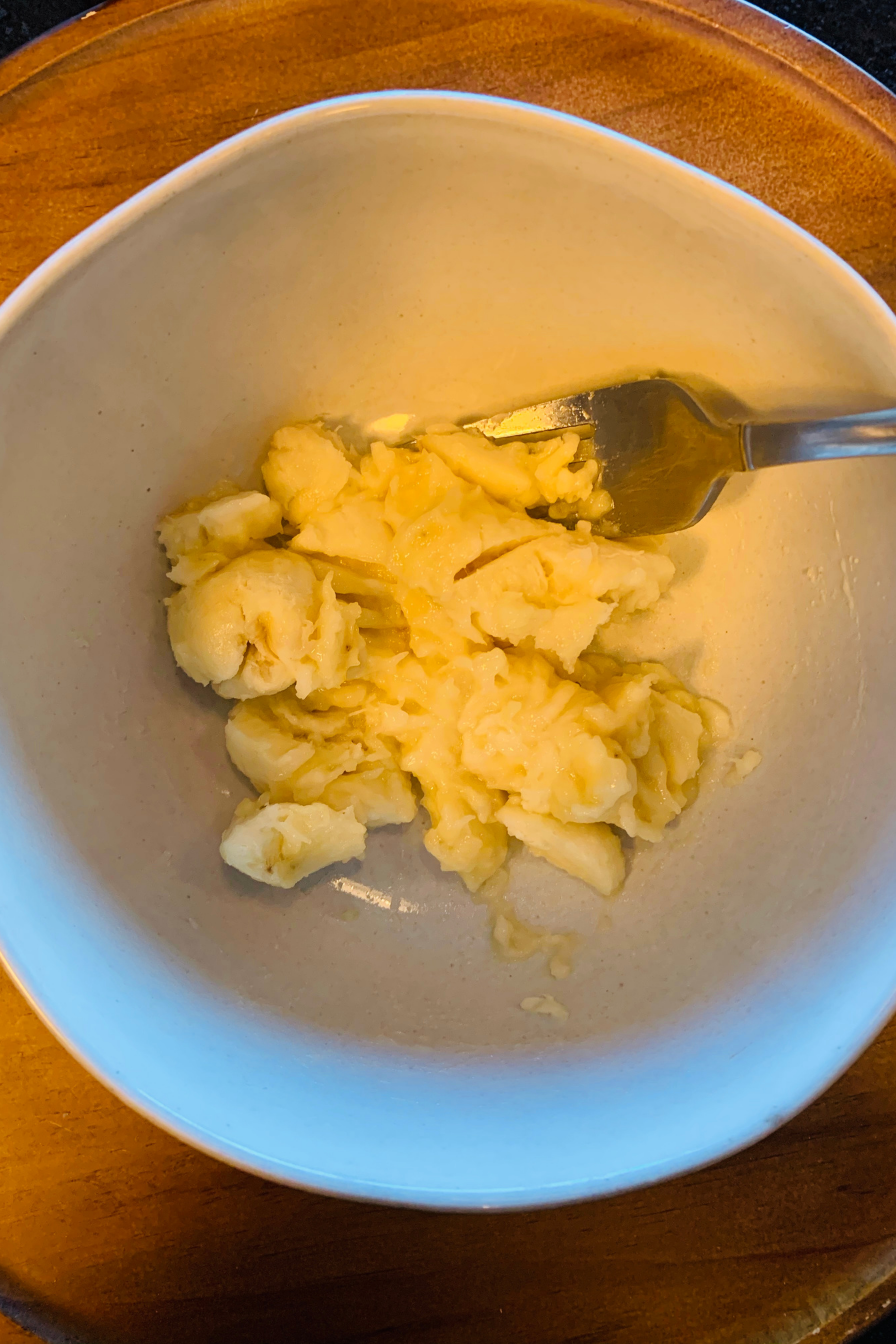
- Mash the Banana: In a medium bowl, mash the peeled banana with a fork until mostly smooth, leaving small pieces for texture.
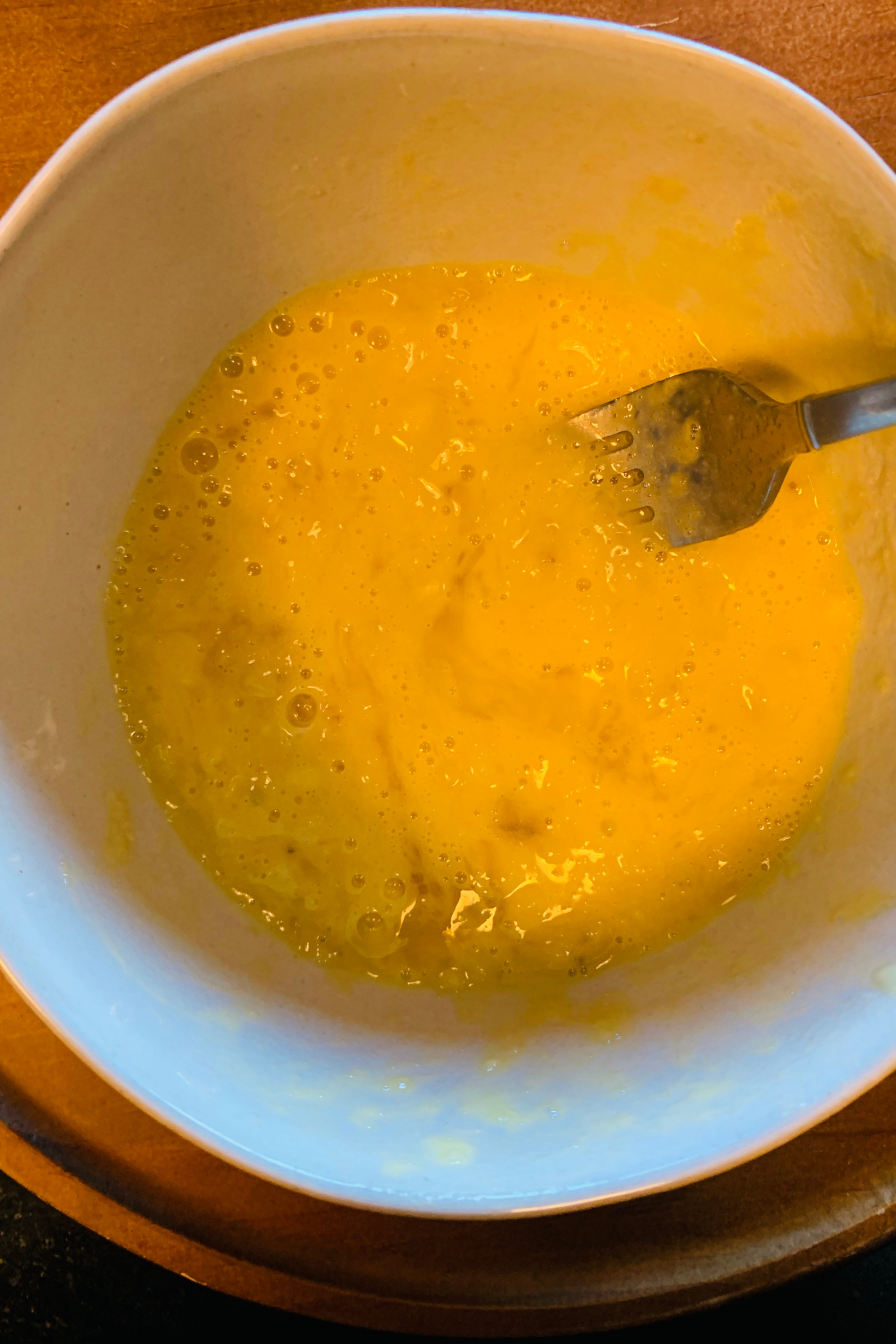
- Whisk in the Eggs: Add the 2 eggs and whisk until completely emulsified and smooth.
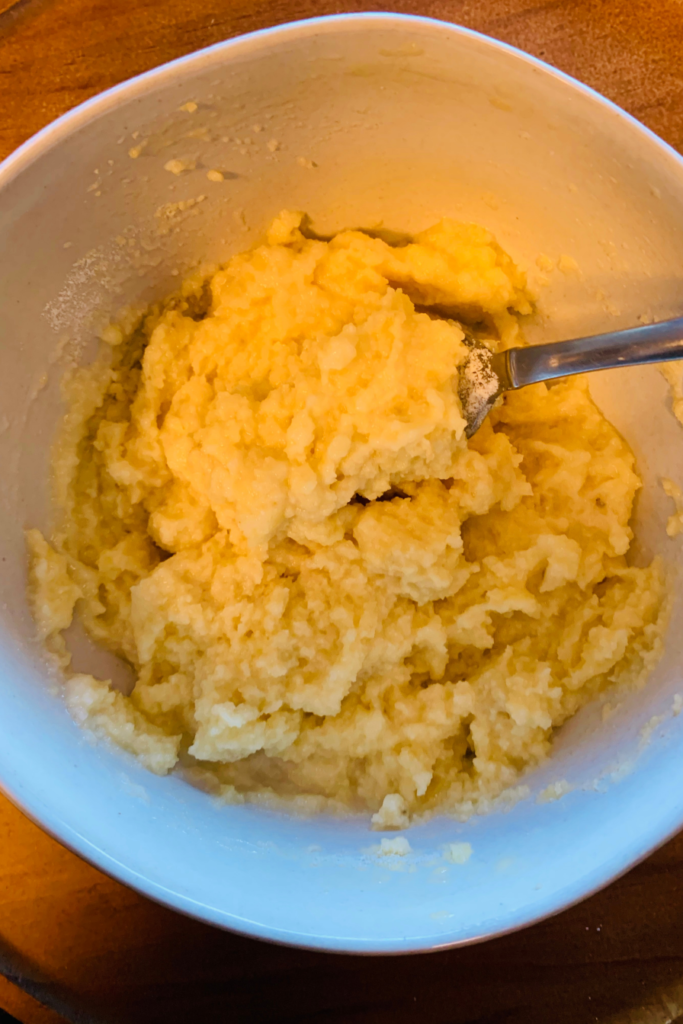
- Add the Coconut Flour: Add the coconut flour and mix until just combined. Don't overmix.
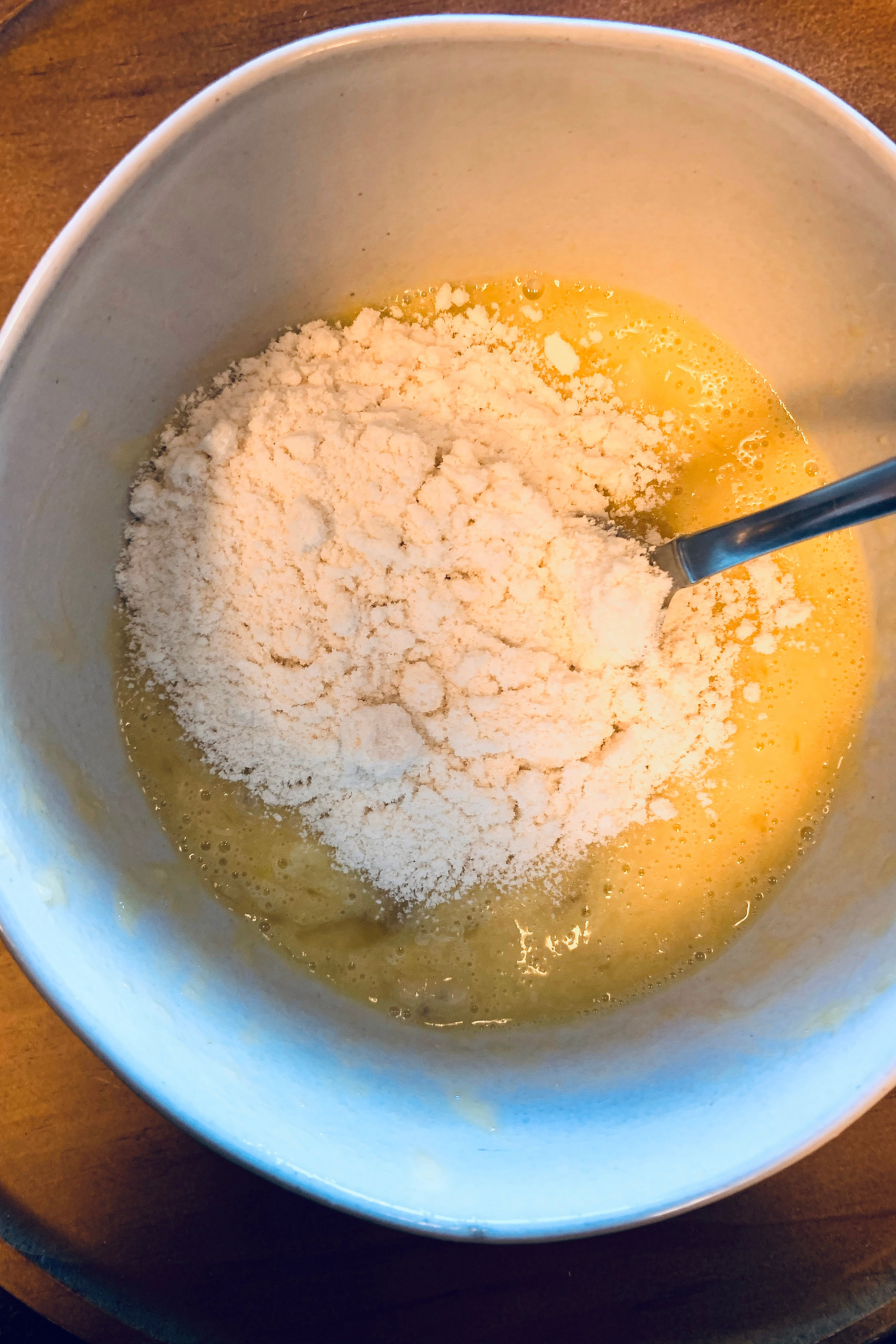
- Rest the Batter: Let the batter rest on the counter 2 to 3 minutes. The coconut flour absorbs moisture during this time, and the batter thickens into something scoopable.
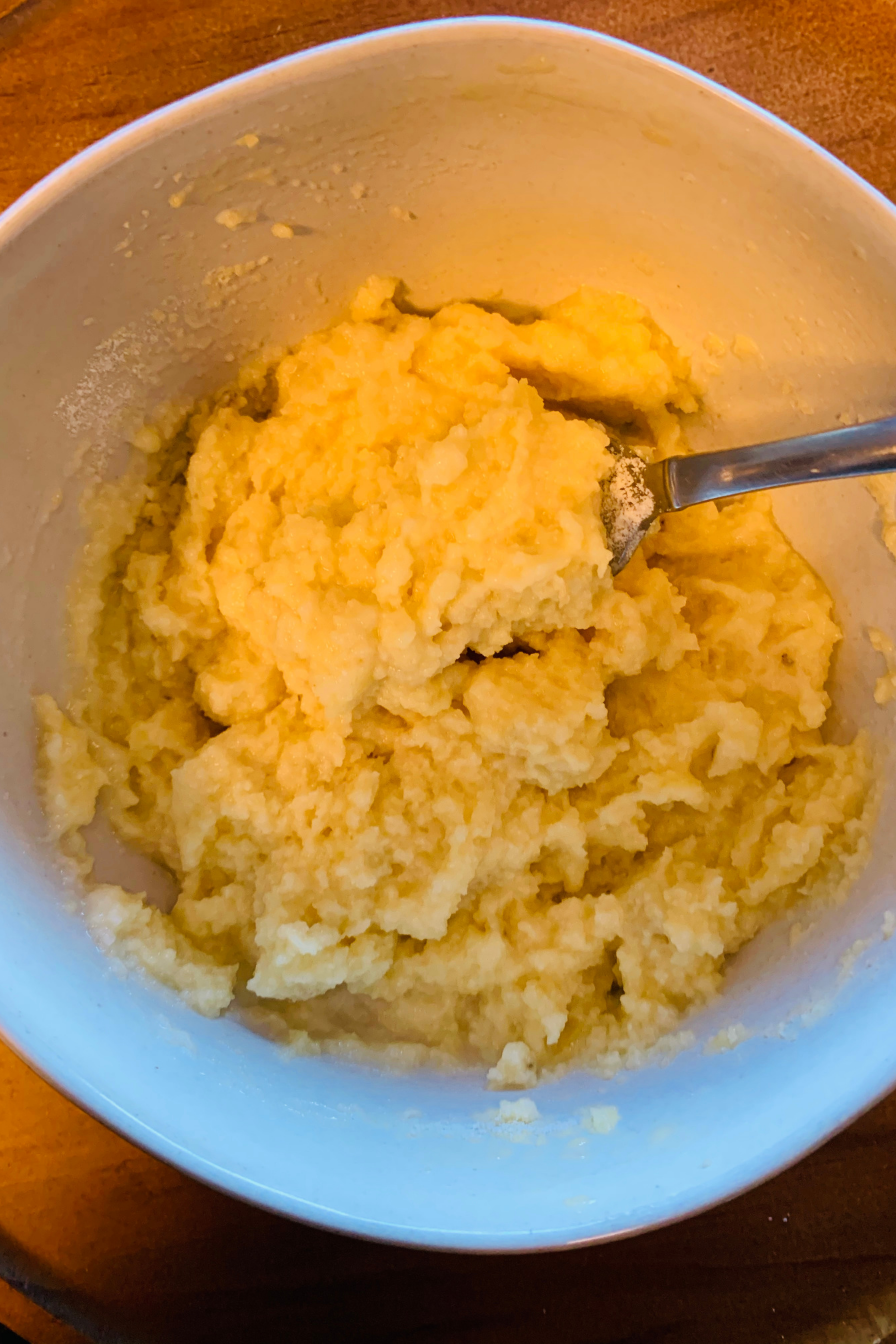
- Heat the Pan: Lightly coat a nonstick skillet with cooking spray or coconut oil and place over medium-low heat. Medium-low is essential — high heat burns the banana sugars before the center sets.
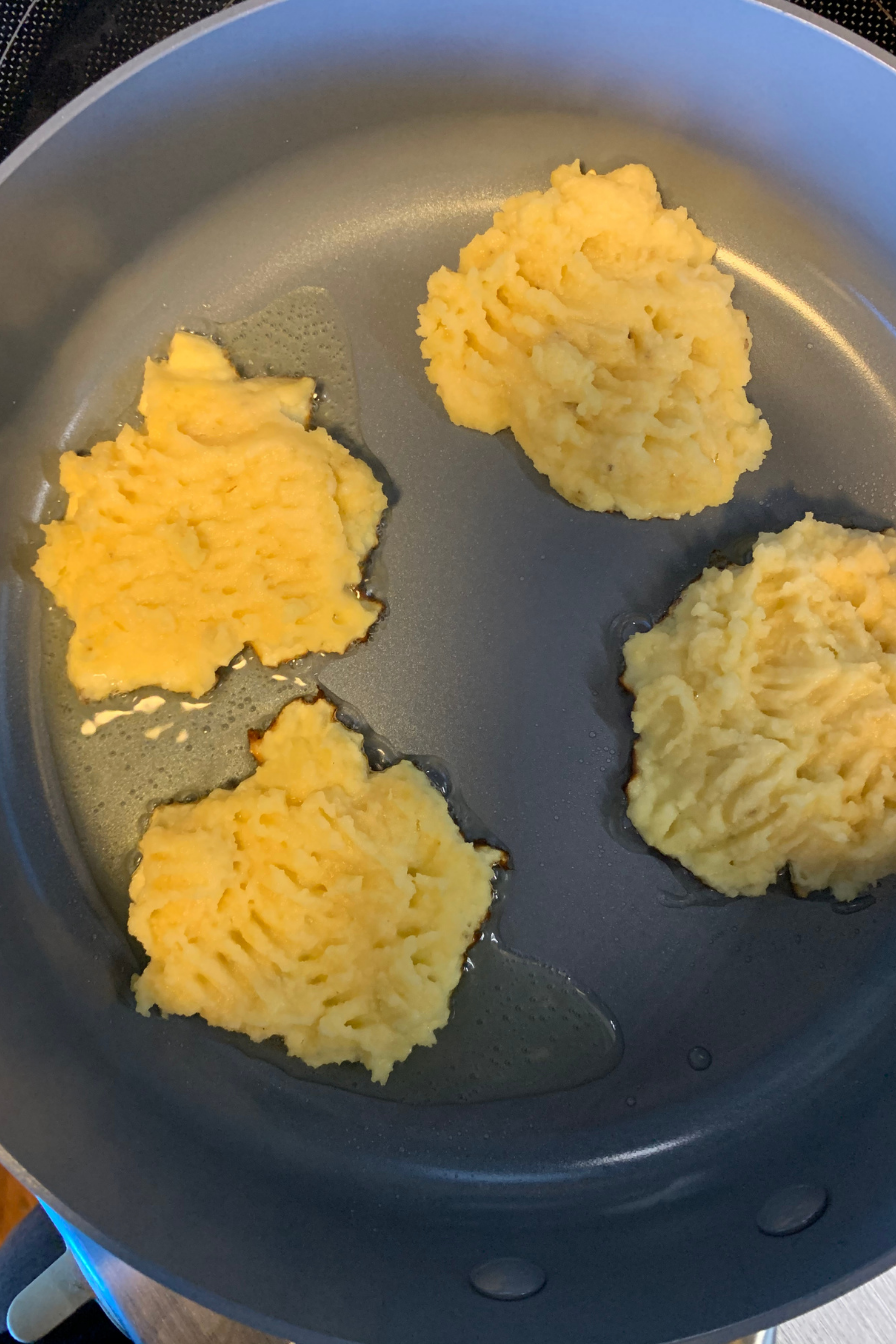
- Cook the Pancakes: Spoon 2 tablespoons of batter per pancake into the hot skillet, leaving space between each. Cook 2 to 3 minutes, until the edges look dry and set and small bubbles form on top. Carefully slide a thin spatula underneath, flip, and cook another 1 to 2 minutes, until golden and cooked through.
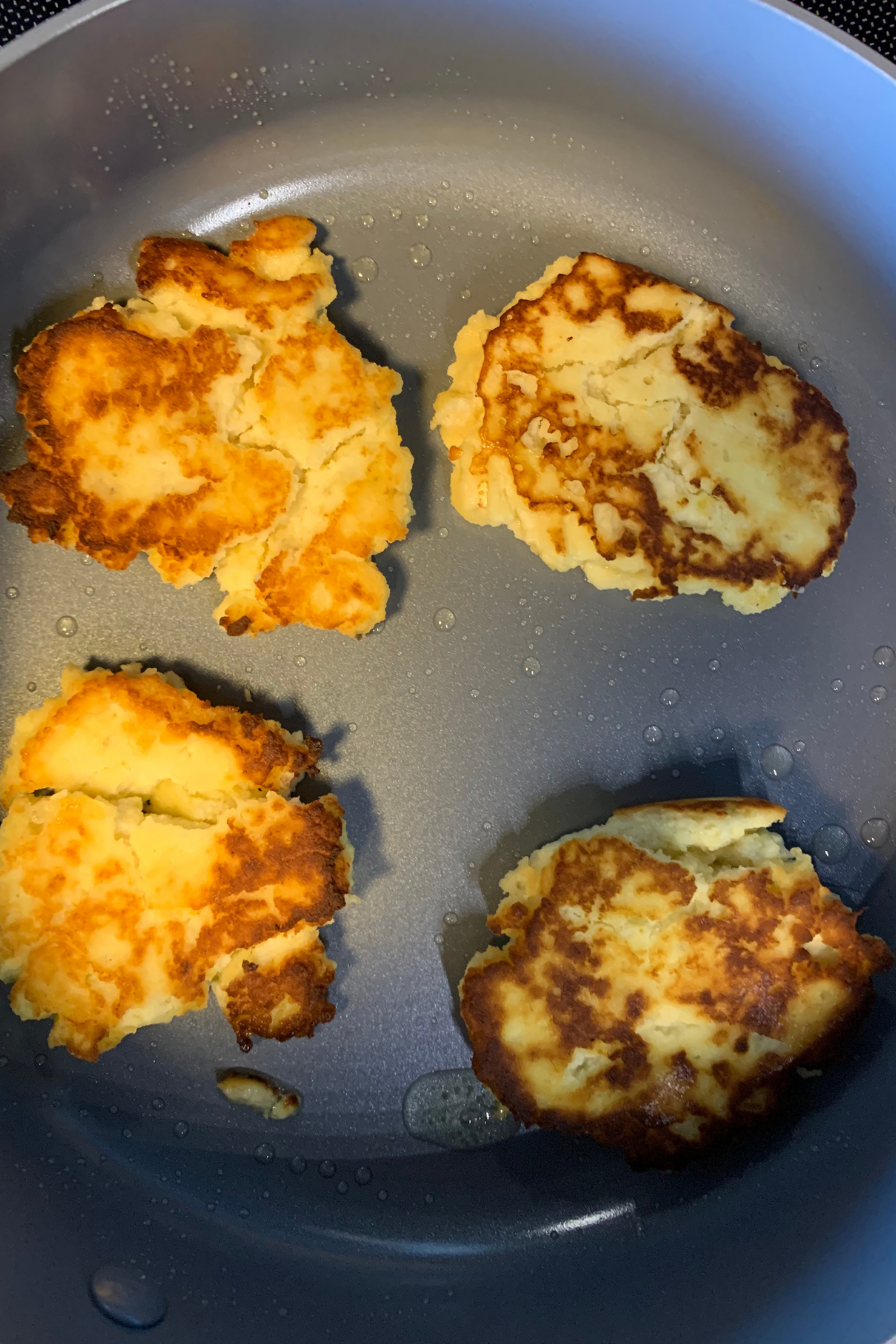
- Serve: Stack on a plate and serve warm with fresh berries, chocolate chips, or sliced banana.
Notes
Estimated per serving (full batch): 320 calories · 14g protein · 30g carbs · 14g fat · 6g fiber · 180mg sodium
Frequently Asked Questions
Are these pancakes light and fluffy?
No, and I want to be upfront about that. They’re denser and slightly grainy, with a real coconut flavor from the coconut flour. That’s the character of coconut flour — it absorbs much more liquid than wheat flour and produces a heartier pancake. If you want a lighter pancake, use almond flour instead (see Substitutions).
Can I use almond flour instead of coconut flour?
Yes, but the ratio is different. Use ⅓ cup of almond flour instead of 2 tablespoons of coconut flour. Almond flour absorbs much less liquid, so the batter needs more of it. The pancakes come out lighter and less coconut-forward.
Why did my pancakes fall apart?
The batter was too thin, or the pancakes were too large. Rest the batter 2 to 3 minutes, keep them small (2 tablespoons of batter each), and use a thin spatula.
Why did my pancakes taste eggy?
The banana wasn’t ripe enough, or the coconut flour was under-measured. Use a banana with heavy brown spotting and measure the coconut flour exactly.
Can I make these without banana?
You can, but the banana is the only sweetener and the main binder. Replace it with ¼ cup of mashed sweet potato or pumpkin purée and add a teaspoon of maple syrup. The pancakes are less sweet and need more coconut flour to bind.
Are these gluten-free?
Yes. Coconut flour, eggs, and bananas are all naturally gluten-free. These are also grain-free and dairy-free.
How many pancakes does this make?
Six small (3-inch) pancakes, using 2 tablespoons of batter each. That’s one generous serving or two smaller ones.
Can I make these ahead for meal prep?
Yes. Cook them fully, cool them, and stack between sheets of parchment paper in an airtight container for up to 2 days. Reheat in a toaster on the lowest setting.
More Gluten-Free Breakfast Recipes You’ll Love
3-Ingredient Protein Powder Pancakes — 38g protein, 3 ingredients, 10 minutes.
Chocolate Overnight Oats — 40g protein, brownie-batter texture, 5 minutes.
Blueberry Overnight Oats — 28g protein, 5 minutes, and the mash-and-fold blueberry technique.
Apple Cinnamon Overnight Oats — 38g protein, 5 minutes, and the grated-apple technique.
Overnight Oats With Protein Powder — 38g protein per jar, made in 5 minutes.
Peanut Butter Protein Balls — 12g protein, no-bake, 10 minutes, keeps a week.
Closing
I’ve made these 3-ingredient coconut flour pancakes more times than I can count, and the two things that changed everything for me were resting the batter for 2 to 3 minutes and cooking them on medium-low heat instead of medium.
The first batch I made fell apart in the pan — the rest and the lower heat fixed that completely.
And once I stopped expecting them to be light and fluffy and started appreciating them for what they are — grainy, coconut-forward, and filling — they became the breakfast I actually wanted to make.
If you make the almond flour version or turn them into waffles, let me know how they turn out in the comments.