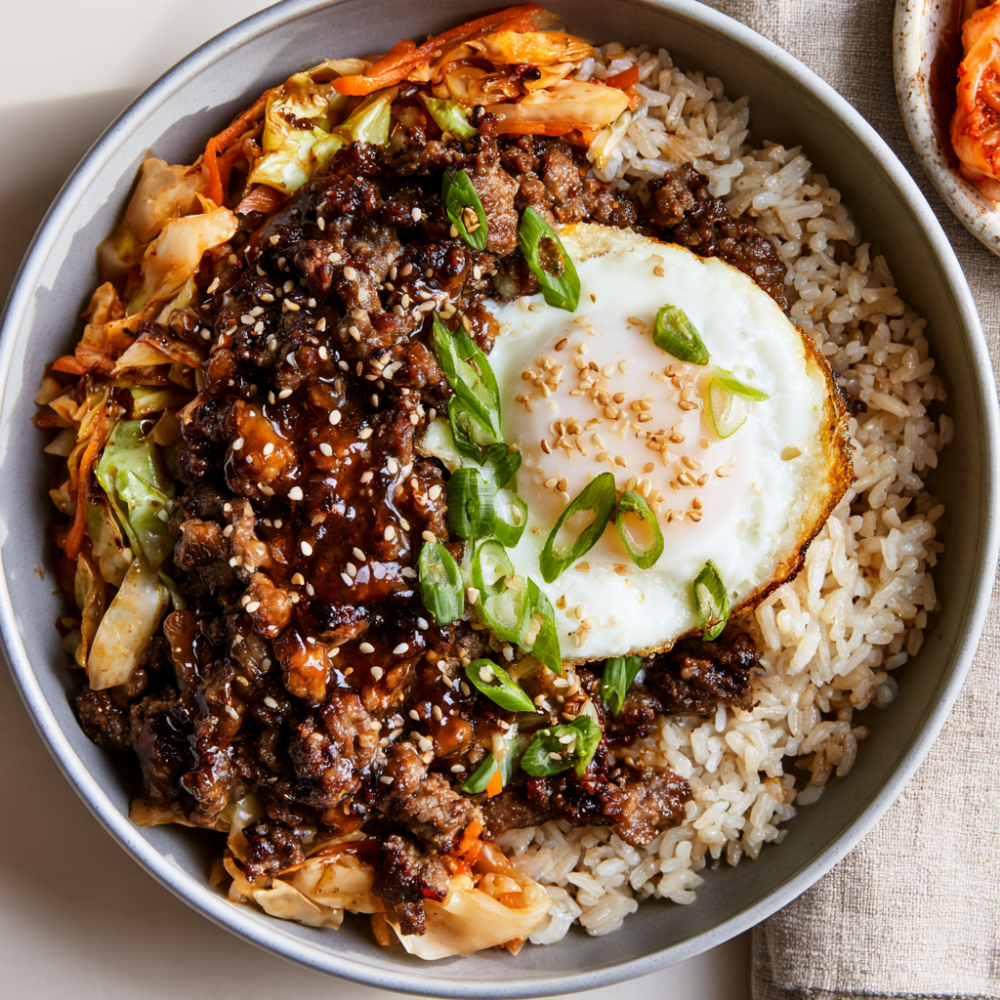

You’re craving Korean BBQ.
The sweet, savory, garlicky beef that comes sizzling off the grill at a restaurant — caramelized at the edges, glossy with sesame, and piled over a bowl of steaming rice.
But it’s a Tuesday night, and you’re not going to marinate ribeye for 24 hours or hunt down a Korean grocery store for the right cut of beef.
This ground beef bulgogi is the answer. It takes everything you love about traditional bulgogi — the soy, the garlic, the ginger, the sesame, the sweetness, the gentle heat — and delivers it in 15 minutes with a pound of ground beef.
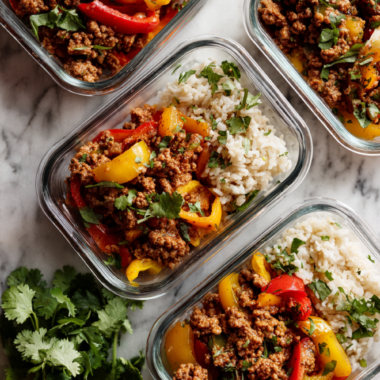
About 32–36 grams of protein per bowl, and it’s built for meal prep containers.
Ground beef is the cheat code.
It doesn’t need marinating time because it absorbs the sauce instantly as it browns. It caramelizes into crispy, savory bits that taste like they came off a grill. And it costs a fraction of what ribeye or sirloin would.
The best part? It’s a genuine 15-minute dinner. Brown the beef, reduce the sauce, toss in a bag of coleslaw mix for crunch and volume, and serve it over rice. One skillet, one pot of rice, and you’ve got dinner on the table before the delivery app even confirms your order.
Two things decide whether this tastes like real bulgogi or sweet ground beef, and neither is optional.
Brown the beef in a single layer without stirring. Let it sit undisturbed for 3–4 minutes before breaking it up. That’s how you get deeply caramelized, crispy bits instead of gray crumbles. The caramelization is where the flavor lives.
Add the cabbage after the sauce has reduced. Cabbage releases water as it cooks. If you add it before the sauce has reduced, it dilutes the glaze, and you end up with a watery skillet instead of a glossy bulgogi coating.
Everything else is forgiving, flexible, and takes about 15 minutes of actual work.
Why This Recipe Works
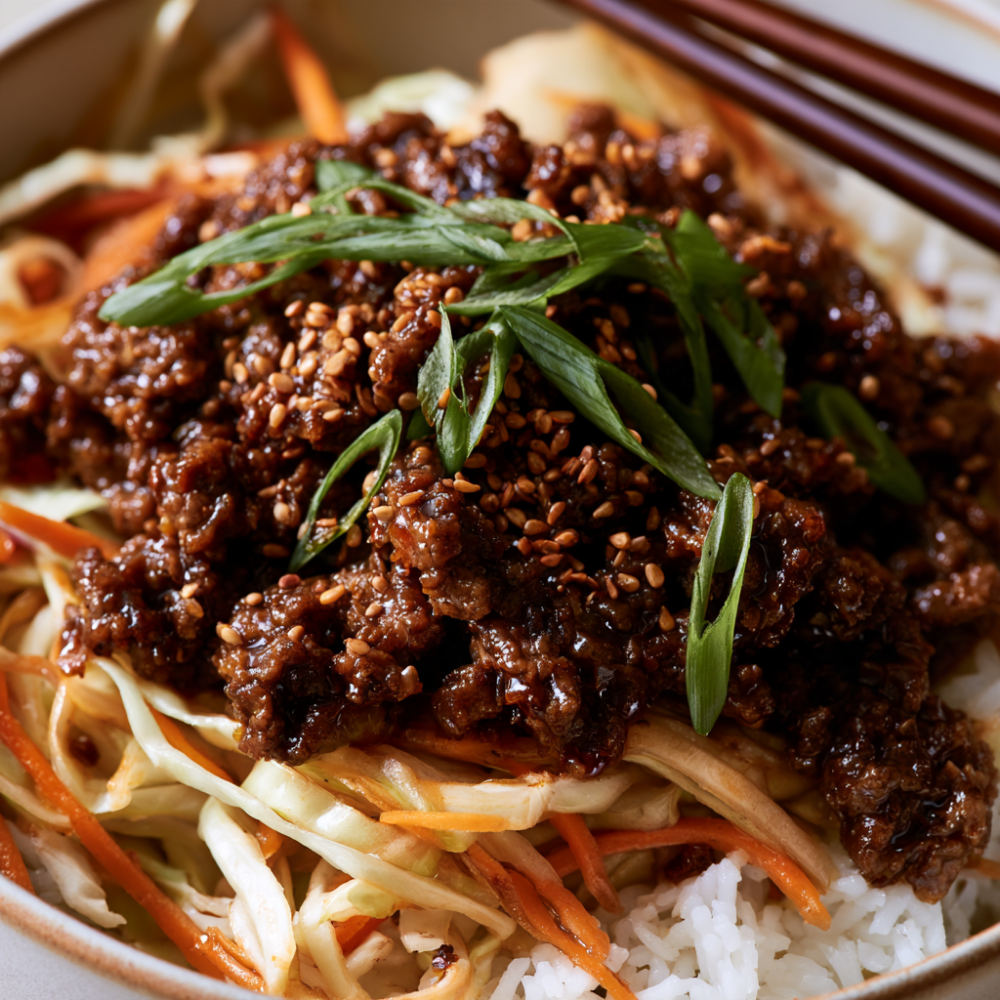
Ground beef absorbs the bulgogi flavors instantly. Traditional bulgogi needs hours of marinating because the beef is sliced thick. Ground beef has infinite surface area, so it takes on the soy, garlic, ginger, and sesame in minutes instead of hours.
Browning the beef builds the flavor base. The crispy, caramelized bits that form when ground beef sits undisturbed in a hot skillet are the closest thing to grill char you can get indoors. They’re what make this taste like Korean BBQ, not just sweet ground beef.
The sauce is balanced, not just sweet. Soy sauce brings salt and umami. Brown sugar brings sweetness. Rice vinegar brings acid. Gochujang brings heat and fermented depth. Sesame oil brings nuttiness. Every flavor in traditional bulgogi is there, and the ratio is controlled so nothing overwhelms anything else.
Grated Asian pear adds authentic sweetness and depth. Traditional bulgogi uses pear for sweetness and natural tenderizing. A grated pear or Fuji apple in the sauce does the same thing and makes the flavor taste more layered than sugar alone.
The coleslaw mix adds volume and crunch without extra work. A bag of pre-shredded cabbage and carrots tossed in during the last few minutes absorbs the sauce and adds fiber, texture, and bulk. It stretches the beef further and makes the bowl feel more substantial.
It’s genuinely a 15-minute recipe. Everything comes together in one skillet while the rice cooks. By the time the rice is done, the bulgogi is ready.
It reheats better than almost any Korean beef recipe. Ground beef in sauce holds up for days. The flavors meld overnight. Day two is better than day one.
It’s budget-friendly. Ground beef, soy sauce, garlic, ginger, and a bag of coleslaw mix. The whole batch costs less than a single Korean BBQ takeout order.
Ground Beef Bulgogi Bowls
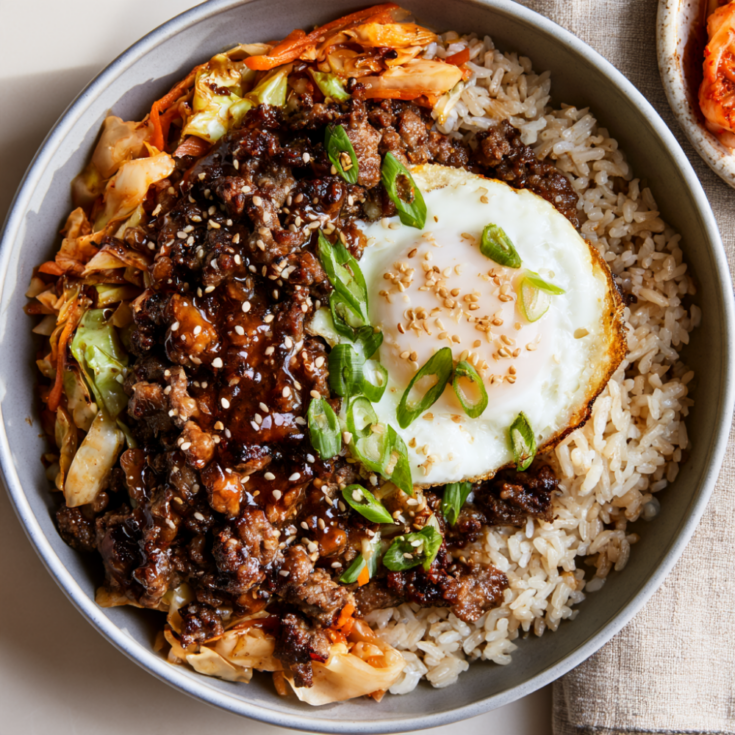
Sweet, savory, garlicky ground beef bulgogi with fresh ginger, Asian pear, sesame, and a gentle gochujang kick.
Simmer the beef with shredded cabbage and carrots until tender-crisp, then serve over steamed rice and finish with toasted sesame seeds and green onions.
Ingredients
For the Bulgogi Sauce:
- ⅓ cup low-sodium soy sauce (or coconut aminos)
- 3 tbsp packed light brown sugar
- 2 tbsp rice vinegar
- 1 tbsp gochujang, plus more to taste
- 2 tbsp water
- 1 tbsp fresh ginger, finely grated
- 5 garlic cloves, finely minced
- 1 small Asian pear, peeled and finely grated (or ½ Fuji apple)
- ½ tsp red pepper flakes, or to taste
- ¼ tsp black pepper
- 2 tsp toasted sesame oil, added at the end
For the Beef and Vegetables:
- 2 lbs 93% lean ground beef
- 1 tbsp olive oil, only if needed
- 1 small yellow onion, finely diced
- 6 cups coleslaw mix (shredded cabbage and carrots)
- 4 green onions, thinly sliced, white and green parts separated
For Serving:
- 6 cups cooked jasmine rice (about 1 cup per serving)
- 2 tbsp toasted sesame seeds
Optional Toppings:
- Fried eggs
- Kimchi
- Thinly sliced cucumber
- Extra gochujang
- Lettuce leaves for lettuce wraps.
Instructions
1. Make the bulgogi sauce. In a medium bowl, whisk together the soy sauce, brown sugar, rice vinegar, gochujang, water, ginger, garlic, grated pear or apple, red pepper flakes, and black pepper. Set aside.
Keep the sesame oil separate. It's stirred in after cooking so its toasted flavor stays noticeable.
2. Brown the beef. Heat a large, heavy 12-inch skillet over medium-high heat. Add the ground beef directly to the hot skillet. If the skillet is particularly dry, add up to 1 tablespoon olive oil.
Spread the beef into an even layer and let it cook undisturbed for 3–4 minutes, until the bottom is deeply browned. Break the beef into bite-size crumbles and continue cooking for another 3–4 minutes, until browned and cooked through.
If the skillet is too crowded for the beef to brown properly, cook it in two batches. If there's a large amount of rendered fat in the skillet, carefully drain most of it before continuing.
3. Cook the onion. Add the diced onion and the white parts of the green onions. Cook for about 3 minutes, stirring occasionally, until the onion softens.
4. Add and reduce the sauce. Pour the prepared bulgogi sauce into the skillet. Stir well, scraping up any browned bits from the bottom of the pan. Bring the mixture to a gentle simmer. Cook for 3–4 minutes, stirring occasionally, until the sauce darkens slightly and begins to cling to the beef.
Don't reduce the sauce until it becomes dry. Leave enough flavorful sauce to coat the cabbage.
5. Add the cabbage and carrots. Add the coleslaw mix to the skillet. Toss thoroughly so the cabbage and carrots become coated with the sauce. Cook for 2–3 minutes, stirring frequently, until the cabbage has softened slightly but still has some bite.
The vegetables will release a little moisture as they cook, loosening the sauce and helping it coat everything evenly. Don't cook the cabbage until completely soft — you want tender-crisp.
6. Finish the bulgogi. Remove the skillet from the heat. Stir in the toasted sesame oil. Taste and adjust if needed.
- For more heat: add gochujang or red pepper flakes.
- For more brightness: add a small splash of rice vinegar.
- For more sweetness: add 1 teaspoon brown sugar or maple syrup at a time.
Because the soy sauce and gochujang both contain salt, taste before adding any additional salt.
7. Assemble the bowls. Divide the cooked rice among 6 bowls. Top each bowl with a generous portion of the beef-and-cabbage mixture. Sprinkle with toasted sesame seeds and the green parts of the green onions. Add kimchi, cucumber, a fried egg, or additional gochujang if desired. Serve immediately.
Notes
Protein per Serving: About 32–36g
Nutrition note: Nutrition varies depending on the ground beef, soy sauce, and rice brands you use. Because the finished recipe contains 2 lbs of 93% lean ground beef, the calorie count will be higher than a 340-calorie estimate once you add the sauce and other ingredients. For the most accurate results, calculate the final nutrition using your specific brands. Estimated protein: ~32–36g per serving.
Make-ahead: You can prepare the beef and cabbage mixture up to 4 days ahead and refrigerate it in an airtight container. You can prepare cooked rice ahead and refrigerate it separately. For the best texture, store the beef mixture and rice separately and assemble the bowls when serving. The flavors often become even more developed after a day in the refrigerator.
Freezer: You can freeze the beef and cabbage mixture without the rice. Cool completely, transfer to freezer-safe containers, and freeze for up to 3 months. Thaw overnight in the refrigerator. Reheat gently in a skillet over medium-low heat or in the microwave, stirring occasionally. Cook fresh rice when possible for the best texture.
Tips for the Best Ground Beef Bulgogi
Use an Asian pear if you can find one. Asian pear gives the sauce a subtle fruity sweetness and helps create the characteristic bulgogi flavor. If you can’t find one, half of a Fuji apple works very well. Finely grate the fruit on a box grater so it disappears into the sauce rather than leaving large pieces. Include the juice that collects on the cutting board — it’s flavor.
Don’t skip browning the beef. The browned beef is one of the most important flavor components in this recipe. Let the meat sit against the hot skillet before breaking it apart. Constant stirring prevents the beef from developing the browned edges that make the finished bowls much more flavorful.
Use a large skillet. Two pounds of ground beef plus six cups of cabbage is a substantial amount of food. A 12-inch skillet or large sauté pan works best. If your pan is crowded, brown the beef in two batches.
Brown the beef before adding the cabbage. This sequence matters. If you add the cabbage before the sauce has reduced, the cabbage releases enough water to dilute the sauce and makes it much harder to get that glossy bulgogi coating.
Don’t overcook the cabbage. Two to three minutes is generally enough. It should be tender enough to eat easily but still have a slight crunch.
Add the sesame oil at the end, off heat. Toasted sesame oil burns at high heat and loses its nutty character. Stirring it in after the skillet comes off the heat keeps its flavor bright and unmistakable.
Use gochujang if you can find it. Korean fermented chili paste adds heat, sweetness, and a deep umami that red pepper flakes alone can’t replicate. You’ll usually find it in the international aisle. If you can’t find it, sriracha or chili garlic sauce works.
Taste before adding salt. Soy sauce and gochujang both carry significant sodium. The recipe has no added salt for a reason — taste the finished bulgogi and adjust as needed.
Adjust the sauce after the cabbage goes in. The cabbage releases moisture as it cooks, so that the sauce will loosen slightly. That’s why we reduce the sauce before adding the cabbage, rather than trying to reduce everything together.
Toast the sesame seeds. 2 minutes in a dry skillet transforms them from flat to nutty. It’s a small step that makes a visible difference.
Cook the rice in broth, not water. Chicken broth or a mix of broth and water gives you seasoned rice instead of plain rice: small upgrade, real difference.
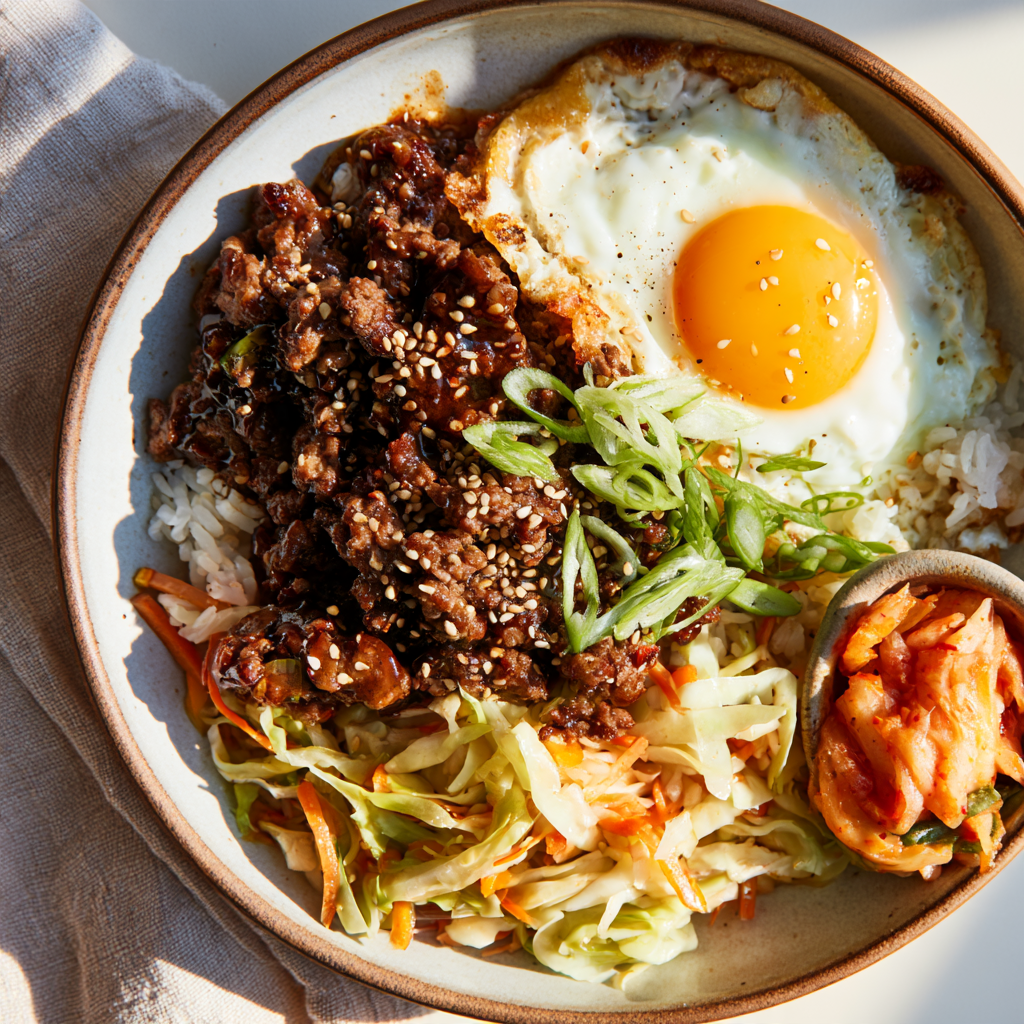
Serve with a fried egg on top. A runny yolk over bulgogi and rice is one of the best things you can eat. It’s optional, but it makes the bowl feel like a full Korean restaurant meal.
Add kimchi on the side. The funk and acidity of kimchi cut through the sweet-savory beef and make every bite taste brighter.
Easy Variations
Ground Beef Kimchi Fried Rice. Combine leftover bulgogi, cooked rice, chopped kimchi, and a splash of soy sauce in a hot skillet. Stir-fry for 4–5 minutes. Top with a fried egg. About 36–40 g of protein per serving.
Korean Beef Rice Bowl Recipe (Sliced Beef Version). Swap the ground beef for 2 lbs of thinly sliced ribeye or sirloin. Marinate the beef in the bulgogi sauce for 30 minutes, then stir-fry over high heat for 3–4 minutes. About 32–36g protein per serving.
Korean Beef Spinach Rice Recipe. Add 5 oz of fresh baby spinach to the skillet during the last minute and stir until wilted. About 34–38g protein per serving.
Quick Korean Beef Rice. Serve the bulgogi over rice with a drizzle of extra sauce, sliced cucumber, and sesame seeds—the fastest version of this recipe.
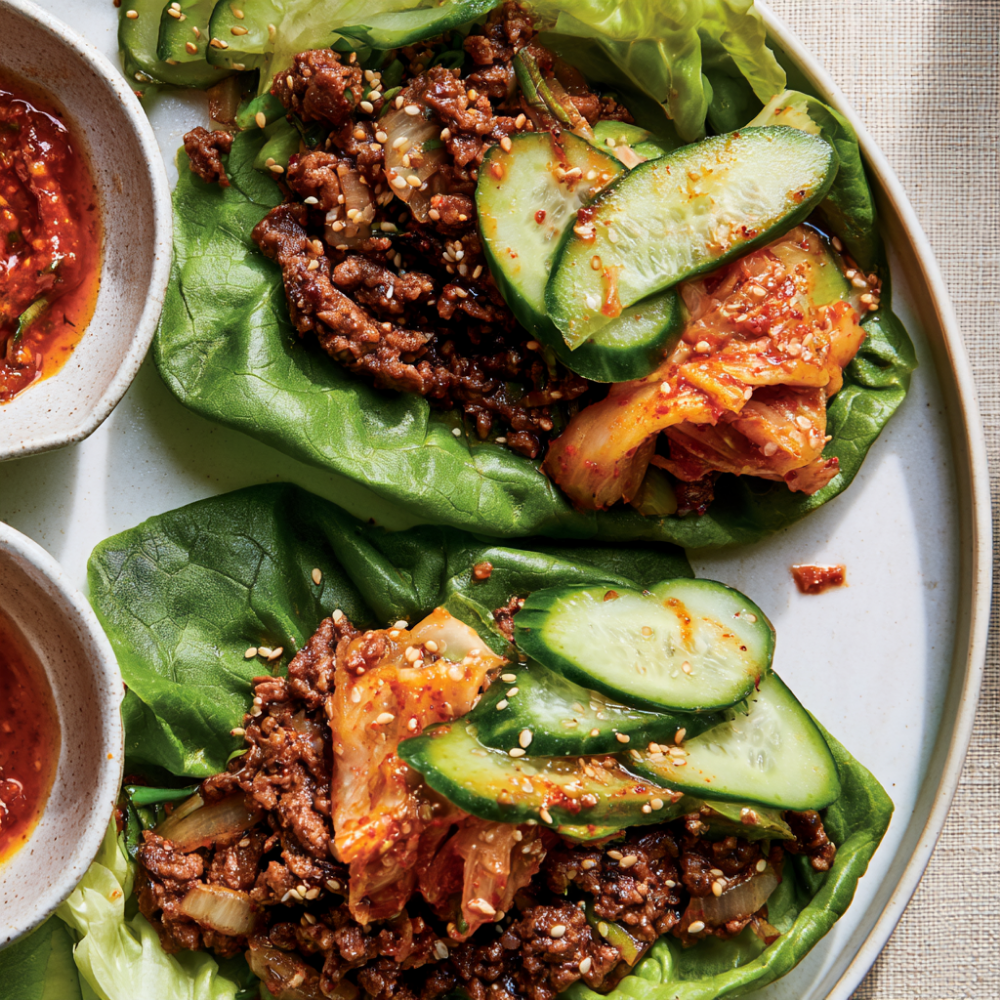
Ground Beef Bulgogi Lettuce Wraps. Skip the rice and serve the bulgogi in butter lettuce cups with kimchi, sliced cucumber, and gochujang. About 32–36g protein per serving.
Korean Beef Bulgogi Tacos. Serve the bulgogi in warm corn tortillas with quick-pickled carrots, cucumber, and a drizzle of sriracha mayo. About 32–36g protein per serving.
Ground Beef Bulgogi with Cauliflower Rice. Swap the jasmine rice for cauliflower rice to cut the carbs significantly. About 32–36g protein per serving.
Korean BBQ Beef Bowls. Add ½ cup of kimchi and a fried egg on top of each bowl. About 36–40g protein per serving.
Beef Bulgogi Dinner Ideas (Family-Style). Serve the bulgogi on a large platter with rice, lettuce cups, kimchi, pickled vegetables, and gochujang on the side. Let everyone build their own bowl.
Simple Korean Beef Meal. Serve the bulgogi over rice with a simple cucumber salad dressed in rice vinegar and sesame oil. About 32–36g protein per serving.
Homemade Korean BBQ Beef. Double the sauce and use it to marinate thinly sliced ribeye for a Korean BBQ-style grilled beef. About 32–36g protein per serving.
Healthy Ground Beef Rice Bowl. Use ground turkey instead of beef and cauliflower rice instead of jasmine rice—about 28–32g protein per serving.
Storage and Food Safety
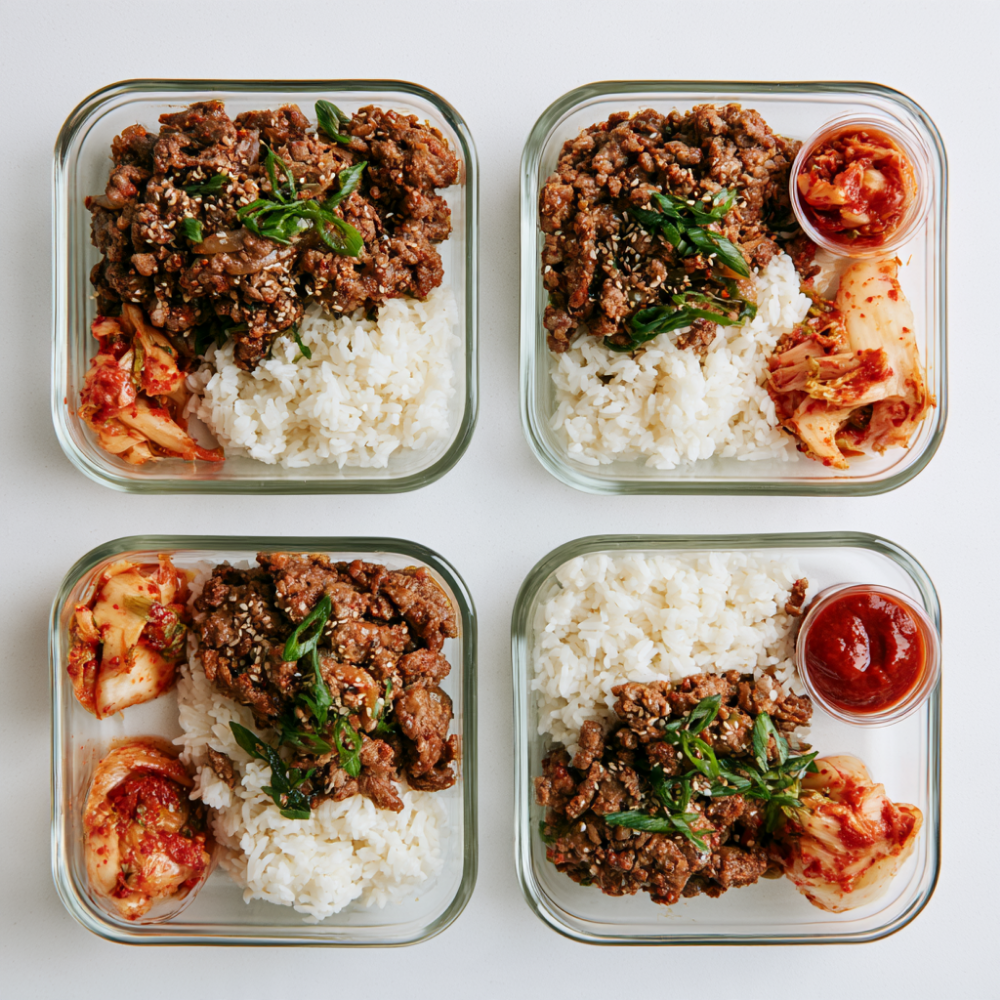
Refrigerator: Store the beef and cabbage mixture and the rice separately in airtight containers for up to 4 days. The bulgogi is even better on day two as the flavors meld.
Freezer: Freeze the beef mixture (without rice) in freezer-safe containers for up to 3 months. Thaw overnight in the refrigerator and reheat gently on the stovetop or in the microwave with a splash of broth.
Reheating: Reheat the bulgogi gently on the stovetop over medium heat or in the microwave at 70% power. Add a splash of soy sauce or broth if the sauce has thickened too much.
Food safety: Cook ground beef to 160°F. Refrigerate leftovers within 2 hours. Reheat leftovers to 165°F throughout.
Frequently Asked Questions
How much protein is in each serving?
About 32–36 grams per serving. Most of it comes from the ground beef (about 28–30g per serving), with the rest from the sauce and any toppings you add.
Can I use ground turkey instead of beef?
Yes. You can substitute ground turkey for the beef, although the finished dish will be leaner and have a milder flavor. For the most flavorful result, use ground turkey with enough fat to avoid a dry texture. About 30–34g protein per serving.
Can I use frozen shredded vegetables?
Yes. A frozen cabbage-and-carrot blend can work, although it will release more moisture than fresh coleslaw mix. Add it after the sauce has reduced and cook until the excess moisture has evaporated enough for the sauce to coat the vegetables.
Is gochujang necessary?
No. The recipe works without it, but gochujang adds a distinctive fermented, savory heat that makes the sauce more complex. If you don’t have it, use a little additional red pepper flakes and add a small amount of extra brown sugar if needed.
Can I use coconut aminos?
Yes, although coconut aminos are generally sweeter and less salty than soy sauce. Start with the recipe as written, then taste before adding more sugar or salt.
Can I make this into lettuce wraps?
Yes. Spoon the finished beef and cabbage mixture into crisp lettuce leaves and top with sesame seeds, green onions, and cucumber.
Can I add a fried egg?
Absolutely. A fried egg makes the bowls especially hearty and adds richness and additional protein.
Can I use brown rice?
Yes. Brown rice works well if you prefer it. Jasmine rice provides a softer, more fragrant pairing, while brown rice gives the bowls a heartier texture.
Can I use cauliflower rice?
Yes. For a lighter bowl, serve the bulgogi over steamed cauliflower rice. The beef and cabbage mixture provides enough sauce and flavor to work well.
Is this recipe gluten-free?
Yes, if you use tamari or coconut aminos instead of regular soy sauce. Check your gochujang, rice vinegar, and any other packaged ingredients.
Can I make this in an Instant Pot?
Yes. Use the sauté function to brown the beef, then add the sauce and pressure cook on high for 5 minutes. Quick-release, add the cabbage and sesame oil, and stir.
Can I double this recipe?
Yes. Use a larger skillet or cook the beef in two batches. Double all ingredients and portion into 12 containers.
How long does this last in the refrigerator?
Up to 4 days in an airtight container.
Can I eat this cold?
Yes. The bulgogi is excellent cold, straight from the refrigerator, in a rice bowl or wrap.
More High-Protein Asian-Inspired Recipes You’ll Love
- Korean Ground Beef (Sweet, Savory & Ready in 15 Minutes)
- Korean Gochujang Beef Bowl: A Quick High-Protein Dinner (5 Ingredients)
- Easy Ground Beef Chow Mein Recipe (High-Protein Takeout Fakeout)
Conclusion
These ground beef bulgogi bowls are the 15-minute Korean BBQ fix you can actually make on a Tuesday. Sweet, savory, garlicky, and a little spicy, with deeply caramelized beef, tender-crisp cabbage, and a bag of coleslaw mix doing the heavy lifting. About 32–36 grams of protein per bowl.
The keys are simple: brown the beef in a single layer without stirring, use gochujang and grated Asian pear if you can find them, reduce the sauce before the cabbage goes in, add the sesame oil off heat, taste before adding salt, and serve over rice cooked in broth. Do that, and you’ll have a bowl that tastes like it came out of a Korean BBQ restaurant but works like meal prep.
Make it on a Sunday, portion it into containers, and you’ve got lunch or dinner handled for most of the week. It’s even better on day two.