If your protein powder only ever ends up blended with milk and ice, you’re missing most of what it can actually do. Beyond the basic shake, protein powder can go into pancakes, no-bake snacks, baked goods, and even savory dishes — as long as you know a few tricks for working with it, since it doesn’t behave exactly like flour or sugar.
These seven ideas span breakfast, snacks, treats, and even a savory use most people never try. Below the recipes, you’ll also find guidance on how much protein powder to add without ruining the texture, and which type of powder works best for each use.
Why This Protein Powder Roundup Works
- Goes beyond the shake. Every recipe here uses protein powder in a genuinely different format — no blenders required for most of them.
- Covers different needs. Breakfast, snacks, treats, and a savory option mean there’s something here whether you’re prepping for the week or want a quick fix.
- Built on real technique. Protein powder absorbs liquid differently than flour, so each recipe accounts for that instead of just swapping it in 1:1.
- A mix of no-bake and baked options. If you don’t want to turn on the oven, several of these need only a bowl and a fridge.
1. Protein Powder Pancakes
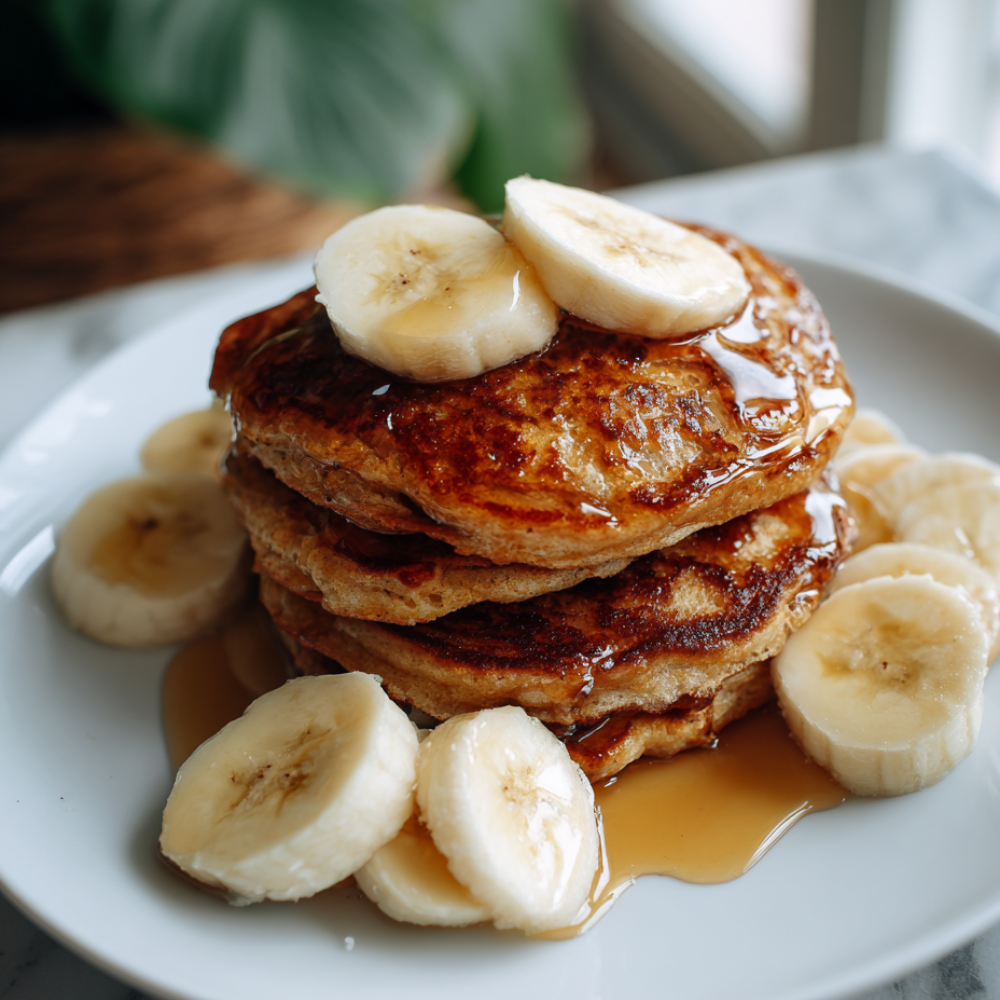
A fall twist on the no-bake protein bite. Rolled oats, pumpkin puree, peanut butter, and protein powder come together into a sweet, spiced snack that tastes like pumpkin pie filling—without turning on the oven. Each ball has about 4 g of protein, and they store beautifully in the fridge or freezer.
Serving Size: 2 servings (about 6 pancakes)
Prep Time: 5 minutes
Cook Time: 10 minutes
Total Time: 15 minutes
Protein per Serving: About 22–26g
Ingredients
- 1 cup oat flour
- 1 scoop (about 30g) vanilla protein powder (whey/casein blend works best)
- 1 tsp baking powder
- ¼ tsp kosher salt
- 1 cup milk of choice (dairy or almond milk)
- 1 large egg
- 2 tbsp plain Greek yogurt (the secret to keeping them tender)
- 1 tsp vanilla extract
- Butter or oil, for the pan
Instructions
- Whisk together the oat flour, protein powder, baking powder, and salt in a medium mixing bowl.
- Add the milk, egg, Greek yogurt, and vanilla extract to the dry ingredients, whisking gently until just combined (a few small lumps are completely fine). Let the batter rest for 2 minutes so the oat flour absorbs the moisture.
- Heat a non-stick skillet or griddle over medium-low heat and lightly coat with butter or oil.
- Pour ¼-cup portions of batter onto the skillet. (Note: Protein batter is thicker than standard pancake batter and won’t bubble as aggressively.
- Cook for 3 to 4 minutes on the first side until the edges look set and dry, then carefully flip.
- Cook for another 2 minutes on the second side until golden brown and cooked through to the center.
- Repeat with the remaining batter, wiping the pan with a little extra butter between batches, and serve warm with your favorite toppings.
- Pro Tips: Keep your heat at medium-low; protein powders contain components that scorch easily if the pan is too hot. If your batter thickens up while sitting, stir in an extra splash of milk 1 tablespoon at a time.
2. No-Bake Pumpkin Protein Balls
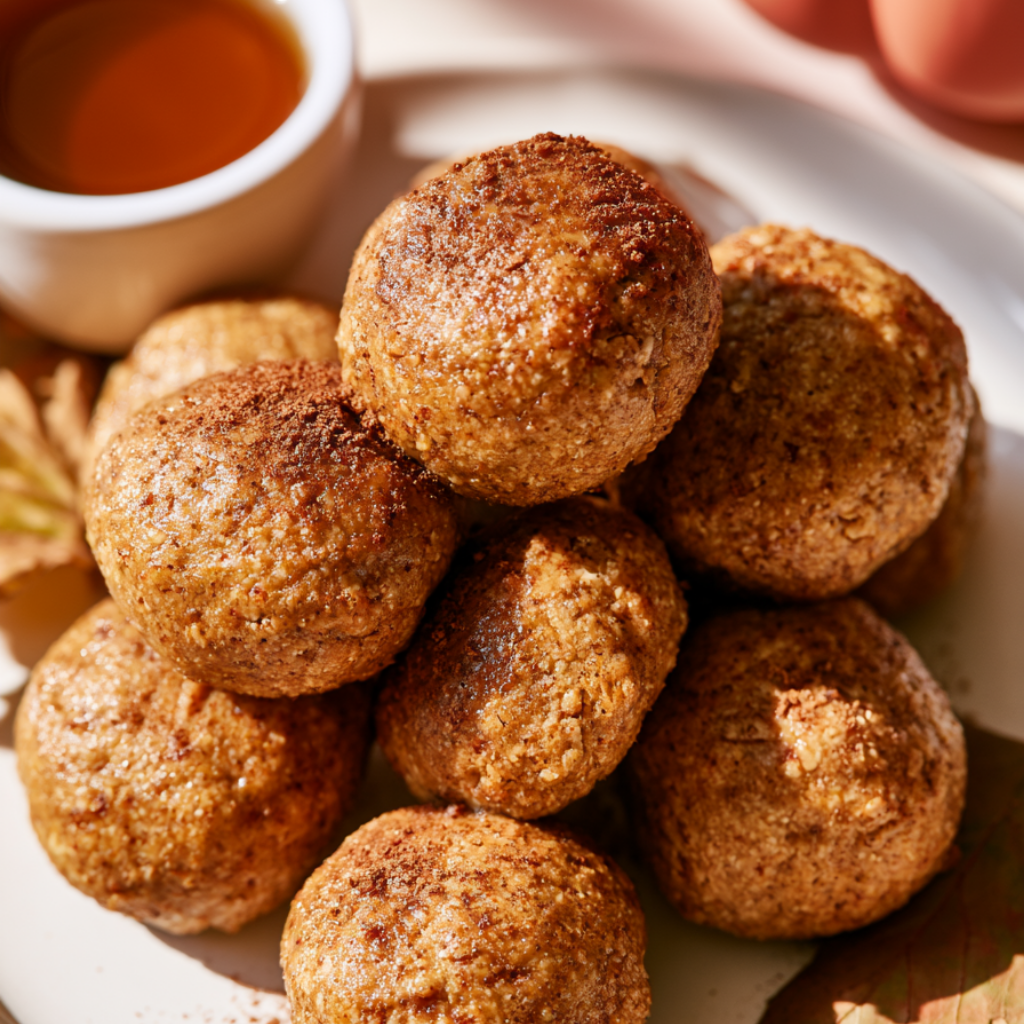
A fall twist on the no-bake protein bite. Rolled oats, pumpkin puree, peanut butter, and protein powder come together in a sweet, spiced snack that tastes like pumpkin pie filling — without turning on the oven. Each ball has about 4g protein, and they store beautifully in the fridge or freezer.
Why readers will love it:
- No-bake, no oven, no blender
- About 4g protein per ball
- Tastes like pumpkin pie in bite-sized form
- Customizable with nuts, seeds, or mini chocolate chips
- Fridge-friendly for 5–7 days and freezer-friendly for up to 3 months
→ Get the full recipe: No-Bake Pumpkin Protein Balls – Easy Fall Snack (4g Protein)
3. Protein Baked Oatmeal Cups
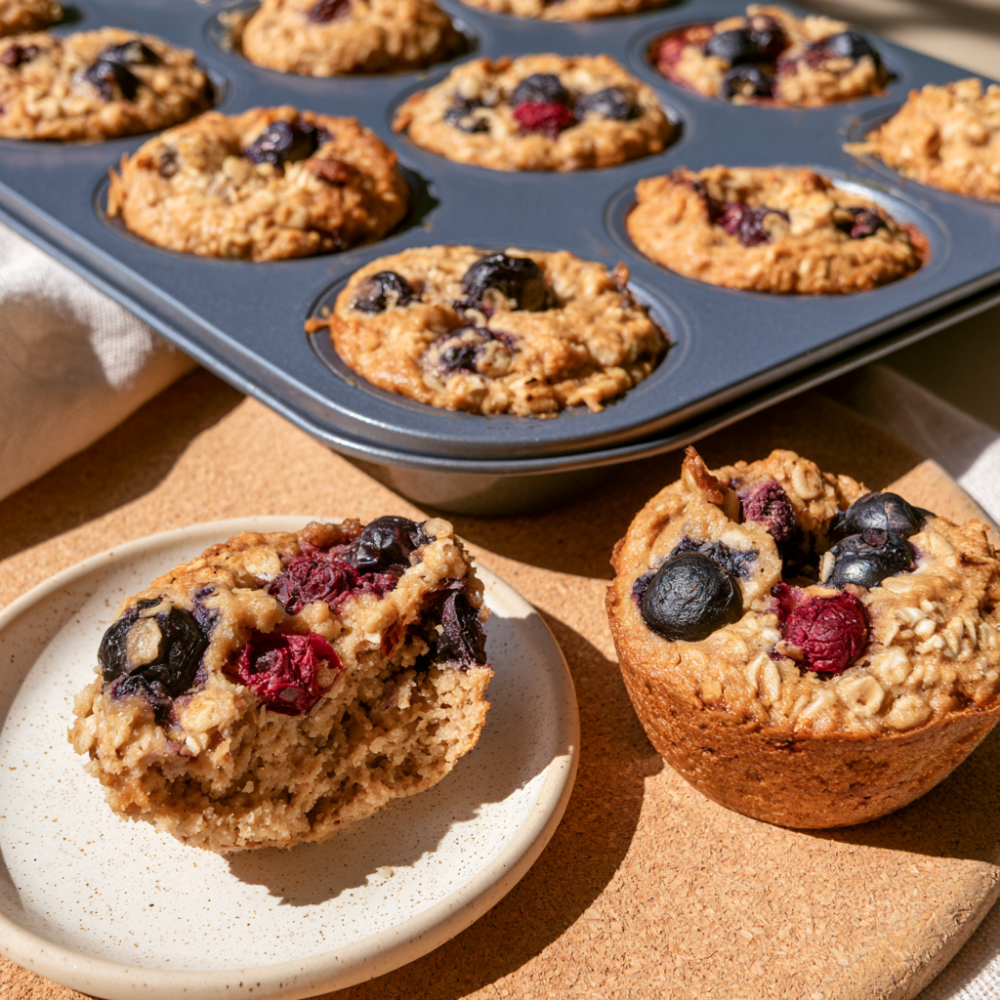
A make-ahead breakfast that bakes in a muffin tin, so portions are already built in. These reheat well for a grab-and-go breakfast through the week.
Servings: 12 cups
Prep Time: 10 minutes
Cook Time: 22 minutes
Protein: About 8–10g per cup
Ingredients
- 2½ cups old-fashioned oats
- 1 scoop (about 30g) vanilla protein powder
- 1 tsp baking powder
- 1 tsp cinnamon
- 2 eggs
- 1¾ cups milk of choice
- ¼ cup honey or maple syrup
- 1 tsp vanilla extract
- 1 cup diced fruit (apples, berries, or bananas)
Instructions
- Preheat the oven to 350°F and grease a 12-cup muffin tin well.
- Whisk together the oats, protein powder, baking powder, and cinnamon in a bowl.
- In a separate bowl, whisk the eggs, milk, honey, and vanilla, then stir into the dry ingredients.
- Fold in the diced fruit and divide the mixture among the muffin cups.
- Bake for 20–22 minutes, until set and lightly golden on top.
Tip: These are meant to be soft and a little custardy, not dry like a muffin — pull them as soon as the centers are set rather than waiting for a deep golden top.
4. High-Protein Crockpot Mashed Potatoes
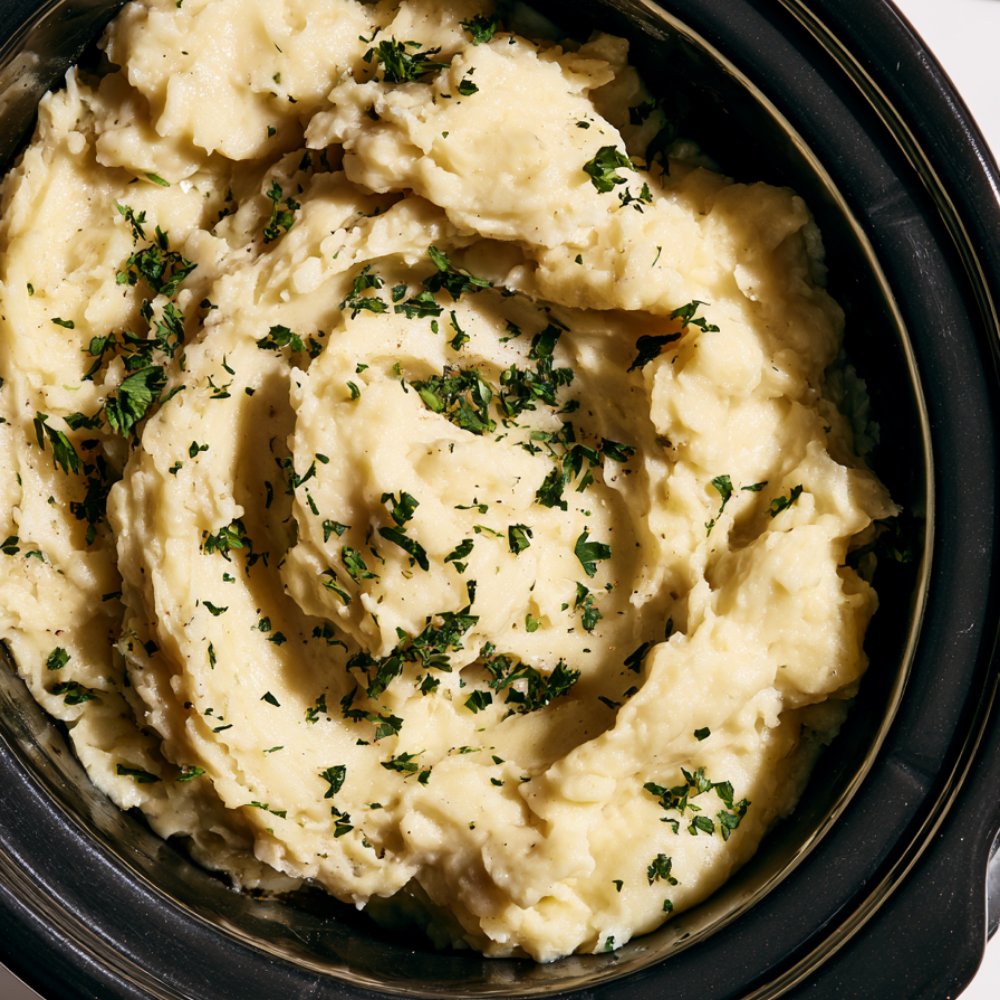
Creamy, buttery mashed potatoes with a real protein boost—without protein powder. Blended cottage cheese, high-protein milk, and Parmesan add 9–12g protein per serving, while the slow cooker does all the work. No Greek yogurt tang, no stovetop babysitting, and you can make them up to 2 days ahead.
Why readers will love it:
- 9–12g protein per serving
- Creamy and buttery, not tangy
- Crockpot-friendly and make-ahead
- Perfect for holidays, potlucks, and meal prep
→ Get the full recipe: High-Protein Crockpot Mashed Potatoes You Can Make Ahead
5. Fudgy Protein Brownies
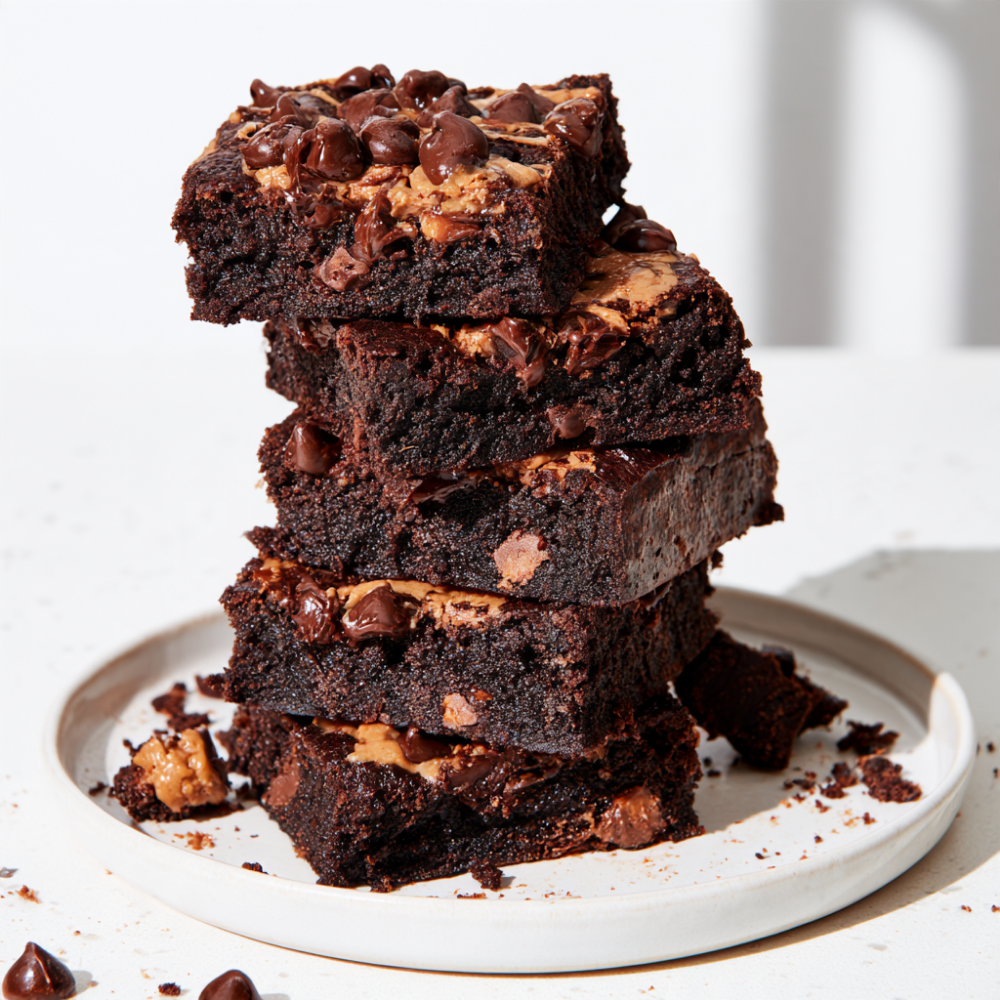
Most protein brownies turn out dry, rubbery, or chalky. These don’t. Melted dark chocolate, Greek yogurt, nut butter, and a moderate amount of protein powder keep the center fudgy and the edges slightly chewy—with about 9–11g protein per brownie. They’re rich, chocolatey, and freezer-friendly.
Why readers will love it:
- Actually fudgy, not chalky
- About 9–11g protein per brownie
- Real melted dark chocolate + cocoa
- Freezer-friendly and easy to troubleshoot
→ Get the full recipe: Fudgy Protein Brownies That Aren’t Dry or Chalky
6. Frozen Protein Yogurt Bark
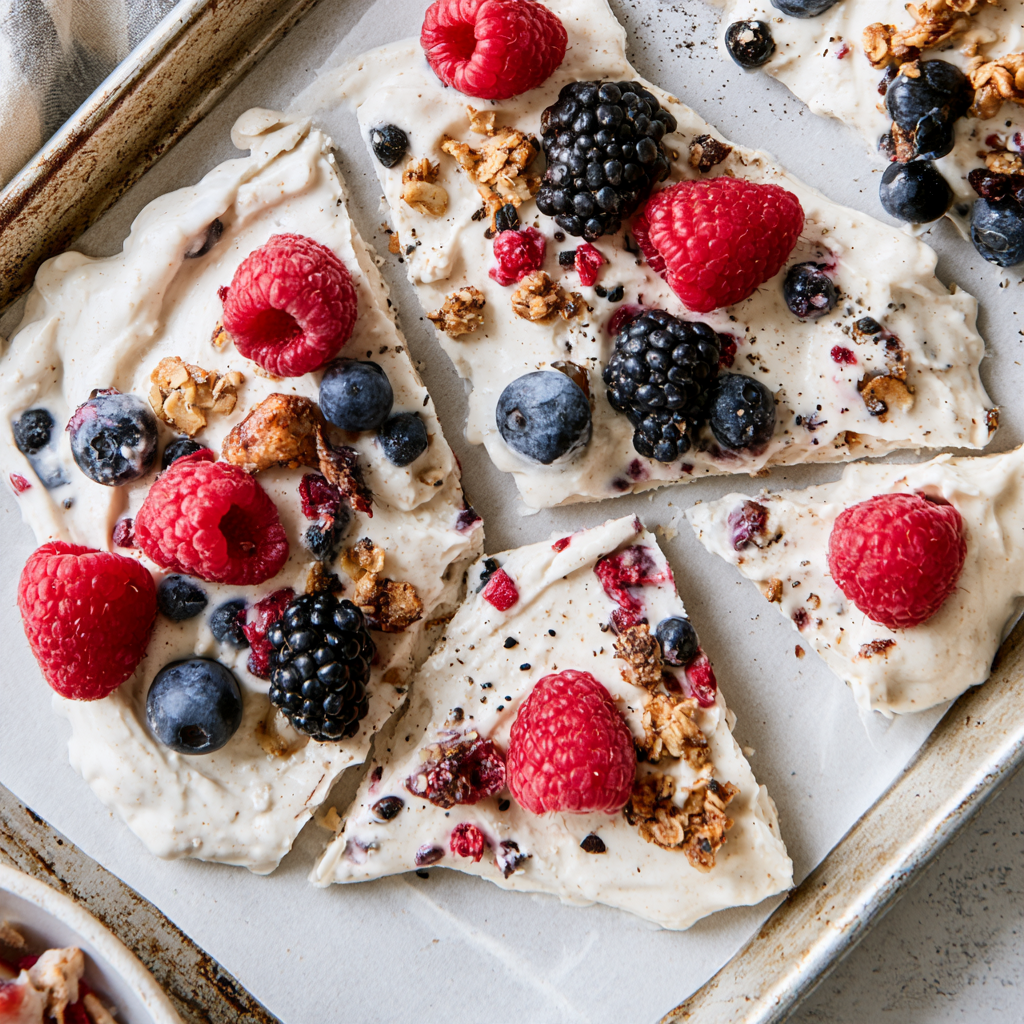
A low-calorie, no-bake snack that’s mostly Greek yogurt and protein powder, frozen into a bark you break apart like candy.
Servings: 6
Prep Time: 10 minutes
Freeze Time: 3 hours
Protein: About 10–12g per serving
Ingredients
- 2 cups plain Greek yogurt
- 1 scoop (about 30g) vanilla protein powder
- 2 tbsp honey
- 1 cup mixed berries, sliced
- 2 tbsp granola or chopped nuts, optional
Instructions
- Whisk together the Greek yogurt, protein powder, and honey until smooth.
- Spread the mixture onto a parchment-lined baking sheet in an even layer, about ½-inch thick.
- Scatter the berries and granola or nuts over the top, pressing them in gently.
- Freeze for at least 3 hours, until solid, then break into pieces.
Tip: Keep pieces in the freezer until just before eating — this bark softens quickly at room temperature since it’s mostly yogurt.
7. Protein Coffee (Proffee)
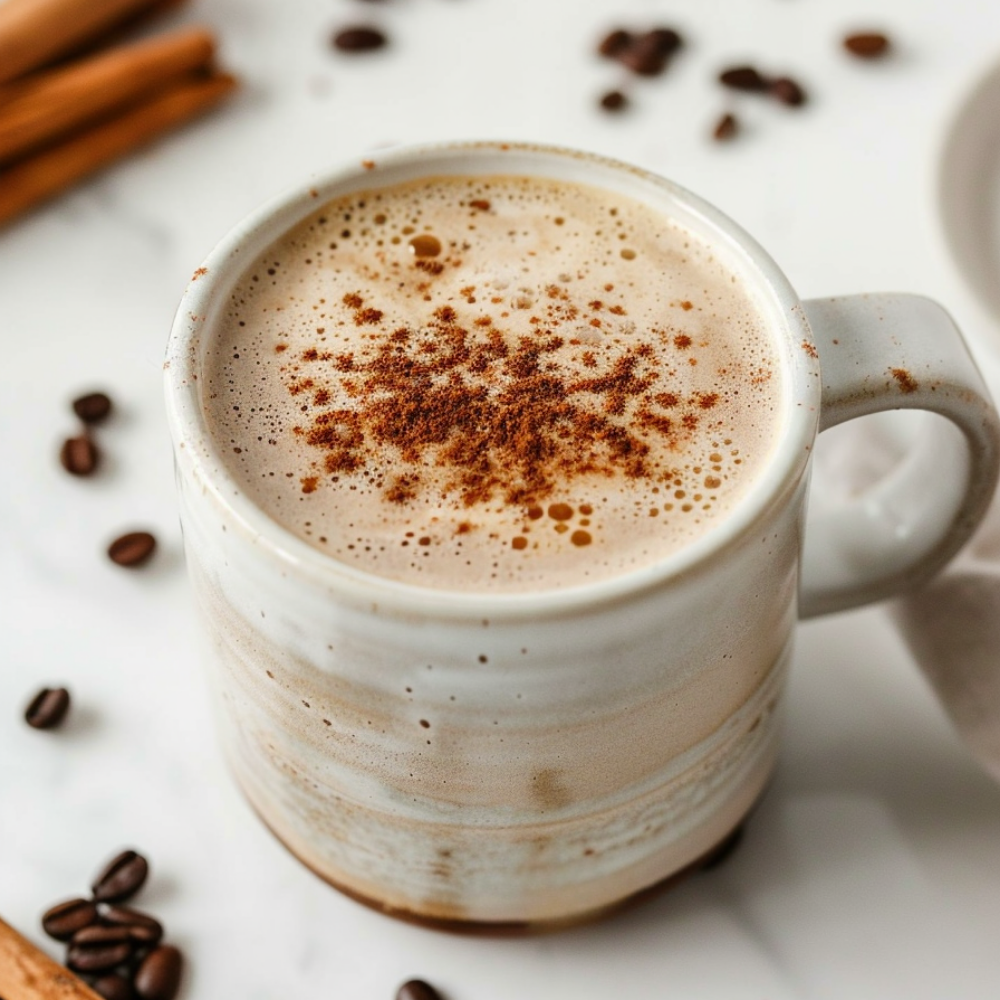
Not a shake, but just as fast. This 5-minute proffee is creamy, smooth, and packs 20g+ protein per serving. Make it hot or iced, and mix the protein powder with cold milk first so it never clumps. It’s the coffee-shop upgrade that actually fits your macros.
Why readers will love it:
- Ready in 5 minutes
- 20g+ protein per serving
- Hot or iced, smooth, no clumps
- Cheaper and higher-protein than a coffee-shop drink
→ Get the full recipe: Protein Coffee (Proffee) — Creamy, 5-Minute High-Protein Snack
How Much Protein Powder to Add to a Recipe
Protein powder isn’t a direct substitute for flour or sugar, and treating it like one is the most common reason protein baking goes wrong.
- In baked goods, protein powder generally works best when it replaces no more than 25–30% of the total flour—swapping in more than that tends to dry things out or make them dense.
- Protein powder absorbs more liquid than flour does, so recipes that add it often need slightly more milk, yogurt, or eggs to compensate.
- In no-bake recipes like energy bites, add liquid gradually rather than all at once — protein powder can make a mixture drier than expected.
- For savory dishes, whisk protein powder into a small amount of liquid first to dissolve it smoothly before adding it to the rest of the dish.
Which Protein Powder Works Best for Which Recipe
- Unflavored protein powder: best for savory dishes like the mashed potatoes above, or anywhere you don’t want to add a sweet flavor.
- Vanilla protein powder: the most versatile for baking and no-bake recipes, since it blends into most flavor profiles without clashing.
- Chocolate protein powder: best reserved for recipes that are already chocolate-forward, like the brownies above, rather than general-purpose baking.
- Whey protein powder generally bakes up lighter than plant-based protein powder, which can add density — either works, but expect some texture differences.
Frequently Asked Questions
Can I add protein powder to any recipe?
Not without some adjustment. Protein powder behaves differently from flour and sugar, so it works best when it replaces only part of the dry ingredients rather than being added on top of a recipe as-is.
Can I add protein powder to muffin mix?
Yes, but start by replacing about a quarter of the flour called for with protein powder rather than adding a full scoop on top of the existing recipe, and expect to add a little extra liquid to compensate.
Is it safe to bake with protein powder?
Yes, most protein powders can be baked at typical oven temperatures without an issue. Very high heat for extended periods can affect texture and browning, but standard baking temperatures (325–375°F) are generally fine.
What’s the best low-calorie way to use protein powder?
The frozen yogurt bark and protein coffee above are both relatively low-calorie options, since they lean on protein powder and yogurt or coffee rather than added fats and sugars.
Does protein powder work in savory dishes?
Yes — unflavored protein powder is the key. It blends into dishes like mashed potatoes, soups, or sauces without adding sweetness, as long as you dissolve it in a bit of liquid first to avoid clumping.
Can I use plant-based protein powder in these recipes?
Yes, in all of them. Plant-based protein powder can bake up slightly denser than whey, so baked goods may have a bit more chew, but the recipes still work.
More High-Protein Recipes You’ll Love
- Banana Protein Muffins
- High-Protein Chocolate Pudding
- Cottage Cheese Breakfast Toast
- Peanut Butter Protein Overnight Oats
Conclusion
Protein powder is far more versatile than a scoop blended into milk. From pancakes and brownies to a savory bowl of mashed potatoes, these seven ideas show you how to cook and bake with it without ending up with something dry, gummy, or clumpy.
Start with the ratios above, pick the protein powder that fits the dish, and you’ll get a lot more mileage out of that tub in your pantry than another round of the same shake.