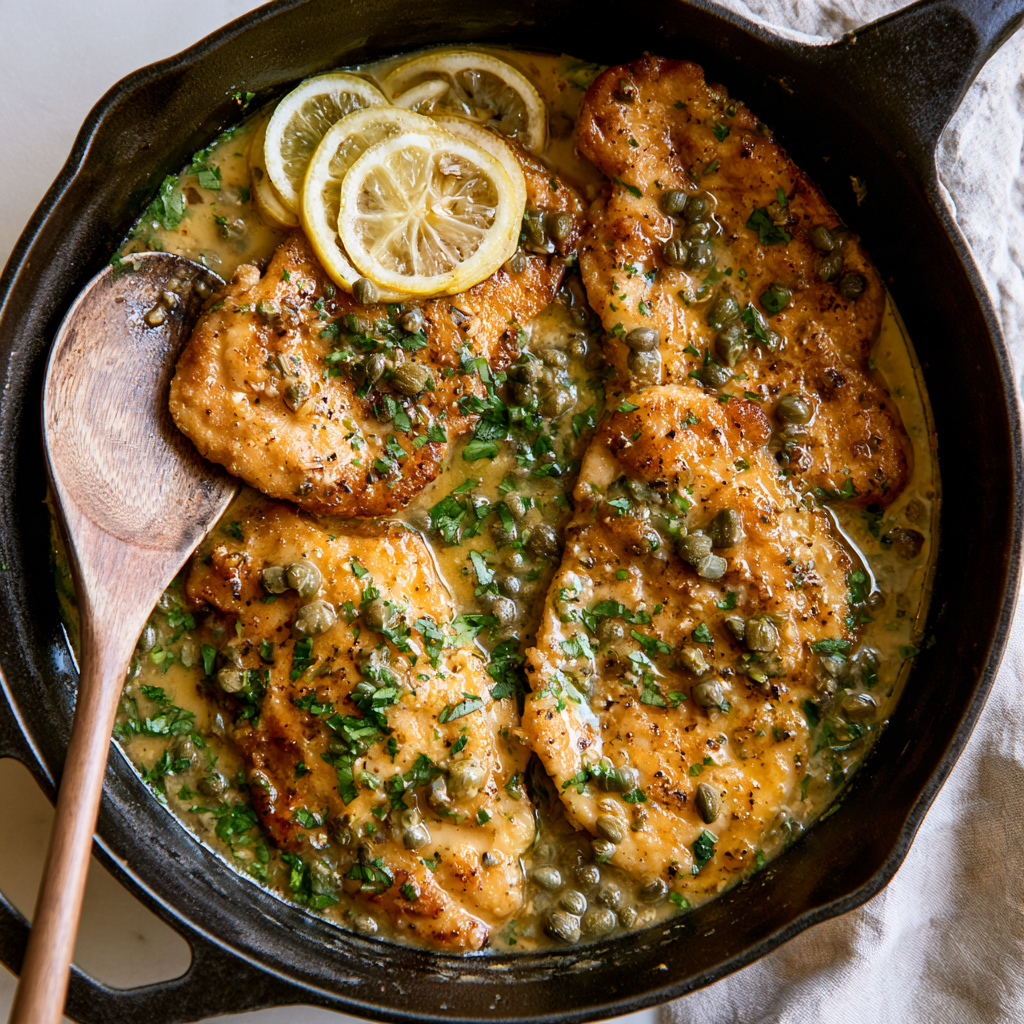
You want the restaurant experience. The one where a golden-seared chicken cutlet arrives sitting in a glossy, bright, lemony sauce with capers scattered across the top. The one you order at an Italian bistro and then spend the rest of the week thinking about.
You don’t want to spend the evening breading, frying, and finishing with half a stick of butter. And you don’t want to feel sluggish an hour after eating it.
This chicken piccata is the answer. Golden, seared chicken cutlets in a bright, tangy lemon-caper pan sauce, finished with just two tablespoons of cold butter off the heat instead of the traditional half stick. About 38–42 grams of protein per serving, and it comes together in 30 minutes in one skillet.
The trick is the sauce. Traditional chicken piccata relies on butter and a heavy flour dredge to build body. This version uses chicken broth, a light flour coating, and a small amount of wine to add depth, then finishes with cold butter off the heat for a glossy, velvety texture. You get the same restaurant-quality finish without the heaviness.
The best part is that it’s a genuine 30-minute meal. Pound the chicken, dredge it, sear it, build the sauce in the same skillet, and serve. One pan. One cutting board. And a plate of chicken piccata that looks like it came out of a restaurant kitchen.
Two things decide whether this turns out restaurant-quality or home-cooked-and-fine, and neither is optional.
Pound the chicken to an even ⅓-inch thickness — not paper-thin. Paper-thin cutlets cook quickly but overcook even faster, especially once they go back into the hot sauce. ⅓-inch gives you the best combination of quick cooking, browning, and tenderness.
Finish with cold butter off the heat. Cold butter swirled into a finished pan sauce emulsifies it and gives it a glossy, velvety texture. Adding butter earlier or over high heat makes the sauce split and turn greasy.
Everything else is forgiving, flexible, and takes about 15 minutes of actual work.
Why This Recipe Works
Chicken cutlets cook in minutes. Pounding chicken breasts to an even ⅓-inch thickness means each cutlet cooks in 3–5 minutes total, then finishes gently in the sauce. That’s what makes the 30-minute claim real, not aspirational.
The flour dredge does two jobs. It gives the chicken a golden crust when seared, and it lightly thickens the pan sauce as it cooks. A thin coating is all you need — too much flour makes the sauce cloudy and pasty.
Build the sauce in the same pan. After the chicken comes out, add the garlic, wine, broth, lemon juice, lemon zest, and capers to the same skillet to pick up all the browned bits left behind. This is where the flavor comes from.
White wine adds depth, but broth does the heavy lifting. A small amount of dry white wine deglazes the pan and adds acidity and complexity. The broth adds body and flavor without making the sauce taste boozy. If you prefer no wine, add an extra splash of broth and a squeeze of lemon.
Capers add briny punch. They’re non-negotiable in chicken piccata. They give the sauce its signature tang and salinity. If you don’t have capers, chopped green olives are the closest substitute.
Lemon zest and juice together give you real lemon flavor. Juice alone gives you acidity. Zest gives you the aromatic oils that make the lemon taste like lemon. Both go in.
Two tablespoons of cold butter at the end is enough. Swirling cold butter into the finished sauce gives it gloss and body. The traditional half-stick is unnecessary and makes the sauce taste heavy.
The chicken finishes gently in the sauce, not on high heat. Once the butter goes in, the skillet comes off the heat. The chicken finishes over low heat, which keeps it tender and prevents the butter sauce from breaking.
It’s a genuine 30-minute one-skillet meal. Everything happens in the same pan. The only other tools you need are a cutting board, a meat mallet, and a plate to hold the chicken while you build the sauce.
Chicken Piccata: 30-Minute Lighter Lemon Caper Chicken
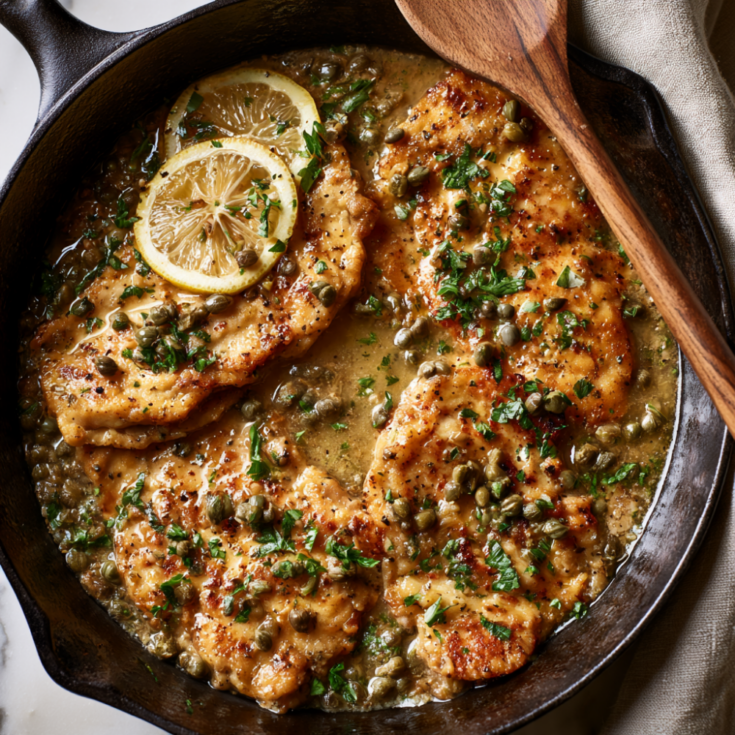
Golden-seared chicken cutlets finished in a bright lemon-caper pan sauce with garlic, white wine, fresh parsley, and a touch of butter. This lighter chicken piccata comes together in one skillet in about 30 minutes and delivers restaurant-style flavor without a heavy cream sauce.
Ingredients
For the Chicken:
- 1½ lbs boneless, skinless chicken breasts (about 4 breasts)
- ⅓ cup all-purpose flour (or arrowroot starch for gluten-free)
- 1 tsp kosher salt
- ½ tsp black pepper
- ½ tsp garlic powder
- ¼ tsp smoked paprika
- 2 tbsp olive oil, divided
For the Lemon-Caper Sauce:
- 1 tbsp unsalted butter
- 4 garlic cloves, finely minced
- ½ cup dry white wine
- 1 cup low-sodium chicken broth
- 3 tbsp fresh lemon juice, plus more to taste
- 1 tsp finely grated lemon zest
- 3 tbsp capers, drained
- ¼ tsp red pepper flakes, optional
- 2 tbsp cold unsalted butter
- ¼ cup fresh parsley, chopped, divided
For Serving:
- Cooked spaghetti, linguine, or angel hair
- Mashed potatoes or polenta
- Sautéed spinach or a simple green salad
- Lemon wedges or thin lemon slices
Instructions
1. Prepare the chicken. Place each chicken breast between two sheets of plastic wrap or parchment paper. Using a meat mallet or the bottom of a heavy skillet, gently pound the thickest portions to an even ⅓-inch thickness. You don't need to make the chicken paper-thin — a slightly thicker cutlet stays juicier and is easier to cook without drying out. Pat the chicken thoroughly dry with paper towels.
2. Dredge the chicken. In a shallow dish, combine the flour, kosher salt, black pepper, garlic powder, and smoked paprika. Dredge each chicken cutlet lightly in the flour mixture, turning to coat both sides. Shake off the excess flour — the chicken should have a thin, even coating rather than a thick layer. Place the coated chicken on a clean plate.
3. Sear the chicken. Heat 1 tablespoon of olive oil in a large skillet over medium-high heat. When the oil is hot and shimmering, add two chicken cutlets without crowding the pan. Cook for about 2–3 minutes on the first side, then turn and cook for another 1–2 minutes, until golden brown. Transfer the chicken to a plate. Add the remaining 1 tablespoon olive oil and repeat with the remaining two cutlets.
The chicken does not need to be fully cooked at this stage. It will finish gently in the sauce.
4. Build the pan sauce. Reduce the heat to medium. Add 1 tablespoon butter to the same skillet. Once melted, add the garlic and cook for about 30 seconds, stirring constantly, until fragrant but not browned. Pour in the white wine. Use a wooden spoon or spatula to scrape the browned bits from the bottom of the skillet. Simmer for 1–2 minutes, until the wine has reduced noticeably.
5. Add the broth, lemon, and capers. Add the chicken broth, lemon juice, lemon zest, capers, and red pepper flakes if using. Bring the sauce to a gentle simmer. Cook for about 4–5 minutes, stirring occasionally, until the liquid reduces slightly and the flavors concentrate.
The sauce should still be fairly loose at this point. Don't reduce it until thick or syrupy — you want enough sauce to coat the chicken generously and whatever you're serving it over.
6. Finish the sauce. Remove the skillet from the heat. Add the cold butter and gently swirl the skillet until the butter melts into the sauce. Stir in half of the parsley. Taste the sauce.
- If it needs more brightness, add 1 teaspoon lemon juice at a time.
- If it tastes too sharp, add 1 tablespoon or 2 tablespoons chicken broth.
Taste before adding additional salt — capers and broth already contribute salt.
7. Finish cooking the chicken. Return the chicken and any accumulated juices to the skillet. Spoon the sauce over the chicken. Reduce the heat to low and simmer gently for 1–3 minutes, turning the chicken once, until cooked through and reaching 165°F in the thickest part.
Do not let the sauce boil aggressively during this step. A gentle simmer keeps the chicken tender and helps prevent the butter sauce from breaking.
8. Serve. Transfer the chicken to plates or a serving platter. Spoon plenty of lemon-caper sauce over each cutlet. Sprinkle with the remaining parsley. Serve immediately with pasta, mashed potatoes, polenta, sautéed spinach, or a simple green salad. Serve lemon wedges on the side for anyone who wants extra brightness.
Notes
Protein per Serving: About 38–42g
Nutrition note: Nutrition varies depending on the chicken, flour, olive oil, broth, and butter you use. For the most accurate nutrition information, calculate the recipe using your specific brands and the actual amounts of sauce and oil you use. The estimate below does not include pasta or other sides.
Make-ahead: Chicken piccata is best freshly cooked, but you can store leftovers in an airtight container in the refrigerator for up to 4 days. For the best texture, store the chicken and sauce together but keep pasta or other sides separate. Reheat gently in a skillet over low heat with a splash of chicken broth, or microwave individual portions at about 70% power, stopping to turn the chicken and spoon sauce over it as needed. Avoid overheating, because the chicken can become dry and the butter sauce can separate.
Freezer: You can freeze the cooked chicken and sauce for up to 3 months. Cool completely, transfer to a freezer-safe container, and freeze. Thaw overnight in the refrigerator. Reheat gently in a covered skillet over low heat with a splash of chicken broth. The sauce may separate slightly after freezing and thawing—gently whisk in a tablespoon of warm broth while reheating to help bring it back together. Cook fresh pasta or another side when serving.
Tips for the Best Chicken Piccata
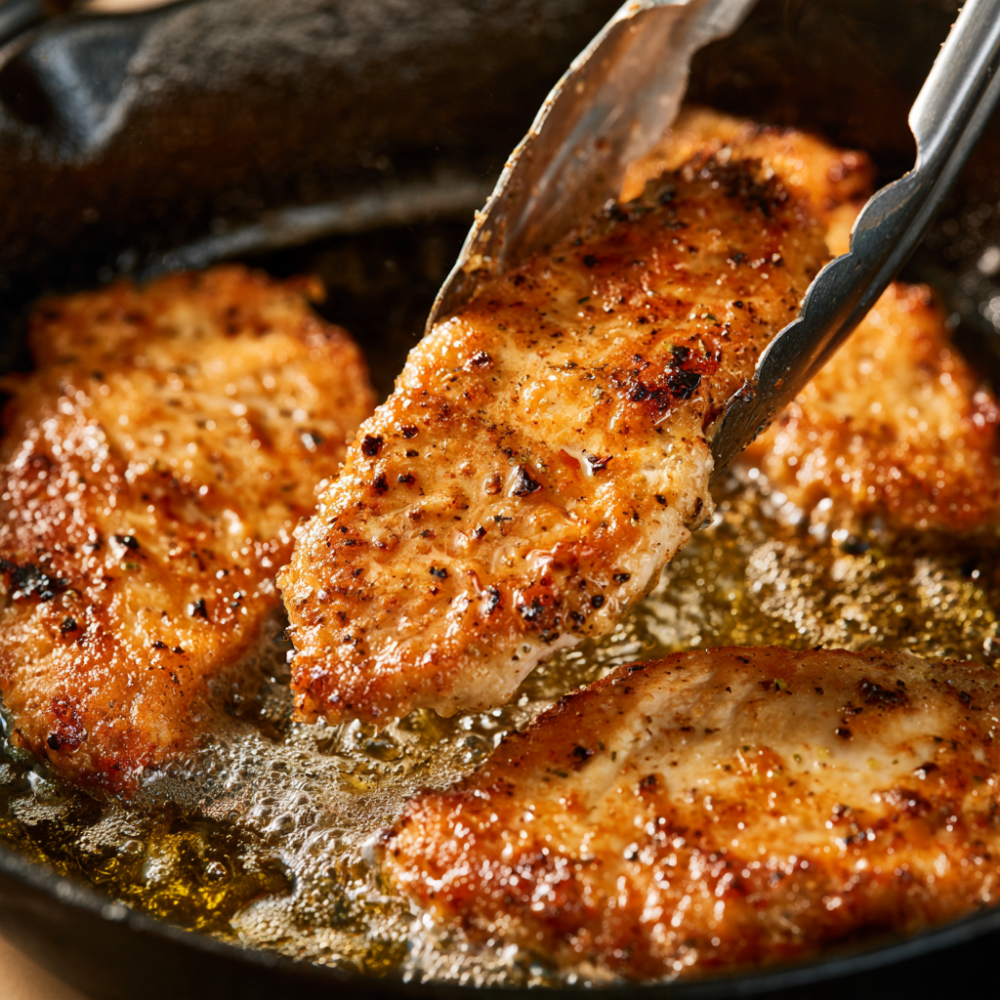
Don’t pound the chicken too thin. Very thin chicken cooks quickly but is also much easier to overcook. An even thickness of about ⅓ inch gives you the best combination of quick cooking, browning, and tenderness.
Dry the chicken before dredging. Moisture prevents the flour from adhering and creates steam instead of a crust.
Keep the flour coating light. A thin flour coating is all you need. Too much flour can make the sauce cloudy or overly thick and can prevent the chicken from developing a clean golden crust.
Use a large skillet. The chicken needs enough room to make good contact with the pan. If your skillet is not large enough to comfortably hold two cutlets without crowding, cook them one at a time.
Don’t let the garlic brown. Garlic goes from fragrant to bitter in about 15 seconds. Thirty seconds over medium heat is enough.
Use a dry white wine you’d actually drink. Pinot Grigio, Sauvignon Blanc, or an unoaked Chardonnay all work. If you don’t want to use wine, substitute ½ cup of low-sodium chicken broth plus an extra teaspoon of lemon juice added at the end.
Add the lemon zest, not just the juice. Zest gives you the aromatic oils that make lemon taste like lemon. Juice alone gives you acidity.
Leave the capers whole. Whole capers give you much better texture than chopped ones. For a crispy caper garnish, drain a small handful, pat dry, and fry in a little olive oil for 1–2 minutes until they bloom, then scatter over the finished dish.
Reduce the sauce slightly, not aggressively. The sauce should still be fairly loose before the butter goes in. It thickens as it sits and as the chicken finishes.
Don’t boil the butter sauce. Once you add the cold butter, keep the sauce off the heat while incorporating it. When the chicken goes back into the pan, use low heat and a gentle simmer rather than a hard boil.
Taste the sauce before adding more salt. Capers, chicken broth, and butter all contribute flavor, and capers can vary significantly in saltiness. Taste first, then add salt only if needed.
Want a thicker sauce? For a slightly thicker piccata sauce, leave the chicken out of the skillet and simmer the sauce for another 1–2 minutes before adding the butter. Don’t add extra flour directly to the finished sauce.
Serve over something that soaks up the sauce: pasta, mashed potatoes, polenta, or crusty bread. The sauce is the star — don’t waste it.
Add a squeeze of fresh lemon at the very end. Off heat, right before serving. It brightens the whole dish and keeps it from tasting flat.
Easy Variations
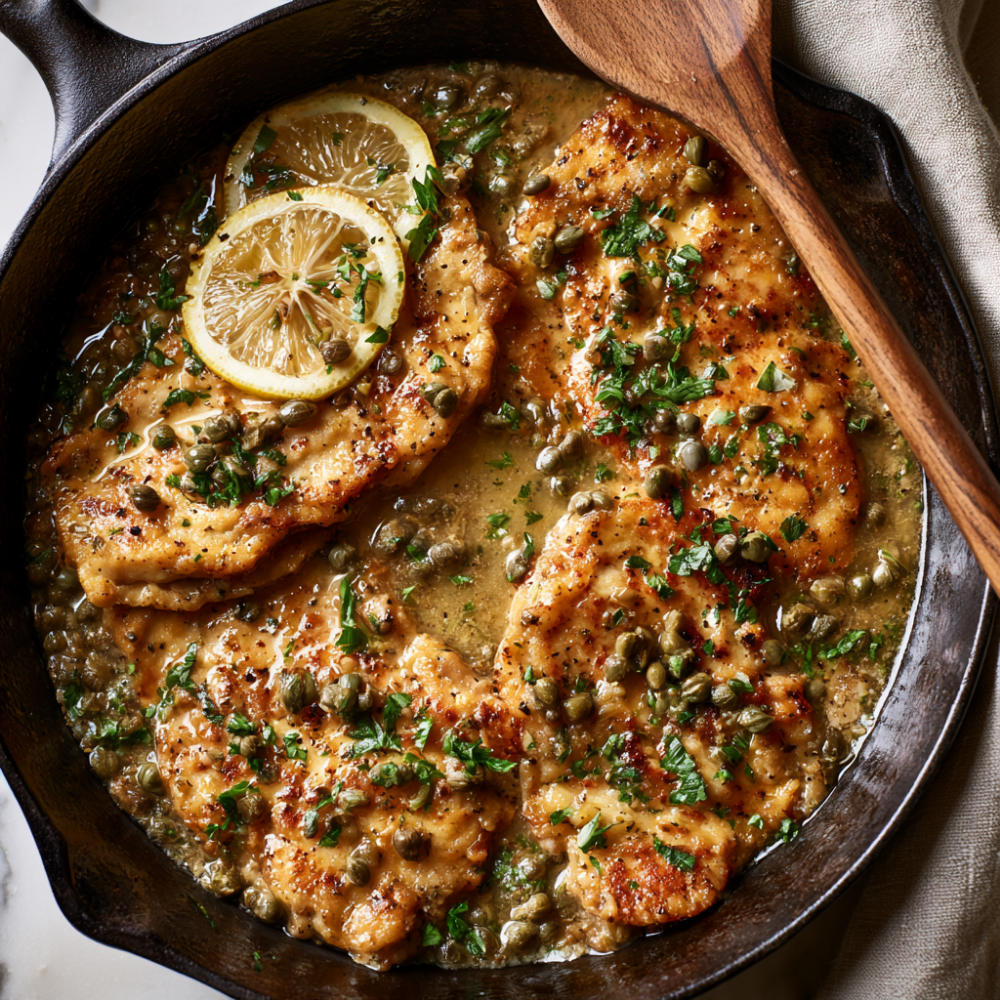
Creamy Chicken Piccata. Add ¼ cup of heavy cream or full-fat Greek yogurt after the broth reduces. Simmer for 1 more minute, then finish with butter and lemon as directed. About 38–42g protein per serving.
Chicken Piccata Pasta. Cook 12 oz of spaghetti or linguine according to package directions. Toss the drained pasta with the finished sauce and sliced chicken. Add a splash of pasta water to loosen the sauce if needed. Spoon some piccata sauce over the pasta and the chicken. About 34–38g protein per serving.
Chicken Piccata with Parmesan Crust. Add ¼ cup of grated Parmesan to the flour dredge. The crust becomes crispier and more savory. About 40–44g protein per serving.
Chicken Francese. Skip the flour dredge and instead dip the cutlets in beaten egg, then dredge in flour. Sear as directed. The sauce stays the same. About 38–42g protein per serving.
Crispy Parmesan-Crusted Lemon Chicken. Use panko breadcrumbs mixed with Parmesan instead of flour. Pan-fry until deeply golden. Serve with the same lemon-caper sauce. About 40–44g protein per serving.
Chicken Piccata with Zucchini Noodles. Serve over spiralized zucchini instead of pasta. The sauce soaks into the noodles beautifully. About 38–42g protein per serving.
Chicken Piccata with Cauliflower Mash. Serve over garlic-parmesan cauliflower mash for a lower-carb version. About 38–42g protein per serving.
What Goes With Chicken Piccata
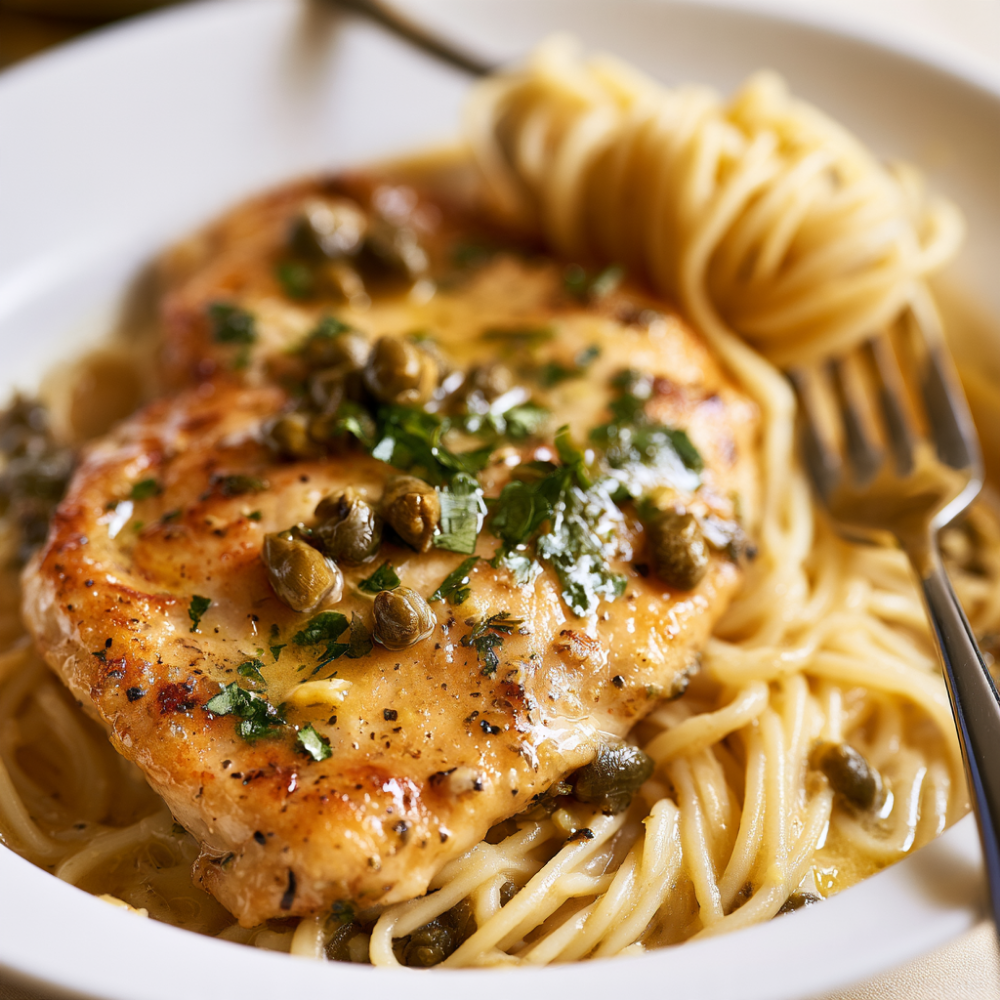
This dish is a complete meal on its own, but it also pairs well with:
- Spaghetti, linguine, or angel hair pasta
- Creamy mashed potatoes
- Creamy polenta
- Crusty Italian bread for soaking up the sauce
- Roasted broccolini with garlic
- A simple arugula salad with lemon vinaigrette
- Sautéed spinach with lemon and garlic
- Risotto
Storage and Food Safety
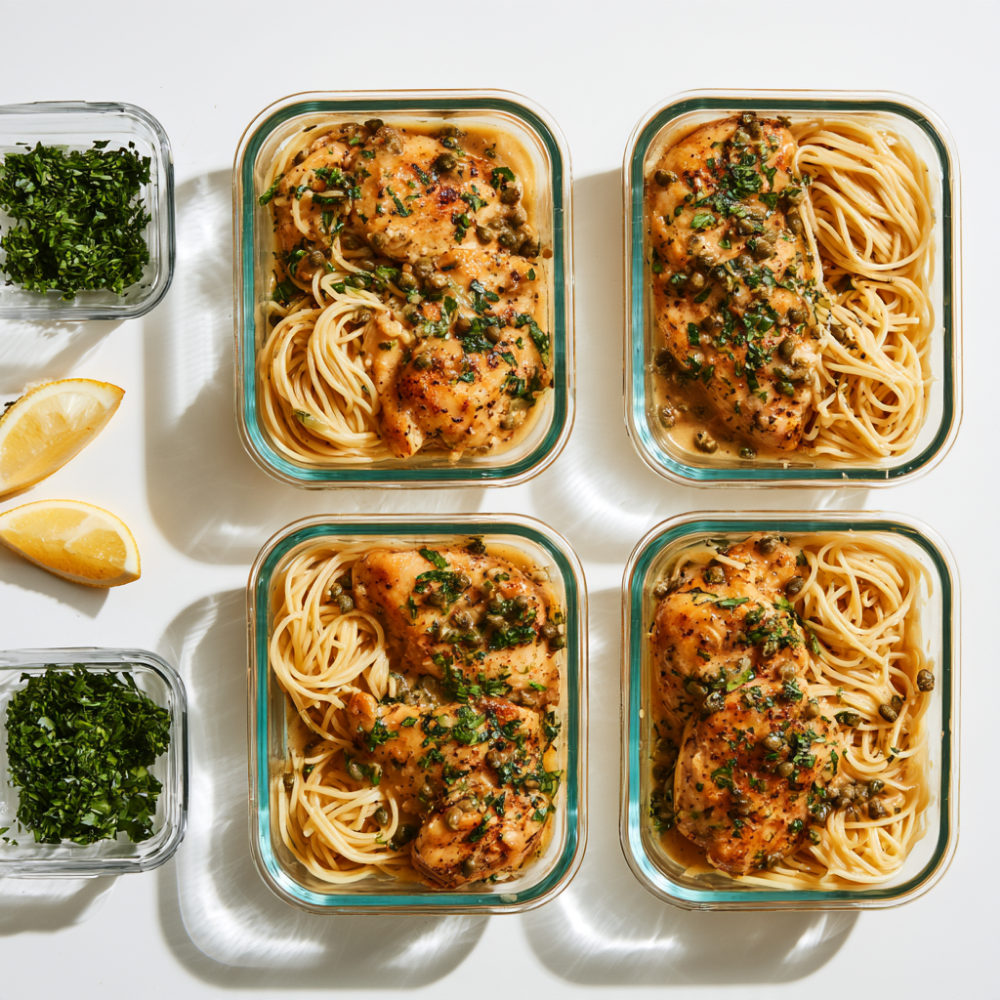
Refrigerator: Store the chicken and sauce together in an airtight container for up to 4 days. Keep any pasta or sides separate.
Freezer: The chicken and sauce freeze well for up to 3 months. Cool completely, then transfer to a freezer-safe container. Thaw overnight in the refrigerator before reheating. The sauce may separate slightly after freezing — whisk in a tablespoon of warm broth and a small piece of butter to bring it back together. Do not freeze pasta with the sauce.
Reheating: Reheat gently on the stovetop over low heat with a splash of broth, or in the microwave at 70% power in 60-second intervals. High heat will split the sauce and dry out the chicken.
Food safety: Cook chicken to 165°F. Refrigerate leftovers within 2 hours. Reheat leftovers to 165°F throughout.
Frequently Asked Questions
What is chicken piccata?
Chicken piccata is an Italian-American dish of seared chicken cutlets in a pan sauce made with lemon juice, capers, butter, and white wine. It’s typically served over pasta, mashed potatoes, or polenta.
How much protein is in each serving?
About 38–42 grams per serving. Most of it comes from the chicken (about 36g per serving), with the rest from the butter, broth, and capers.
Can I make chicken piccata without wine?
Yes. Replace the ½ cup wine with an additional ½ cup low-sodium chicken broth. To replace some of the wine’s acidity and complexity, add an extra teaspoon of lemon juice after the sauce has reduced, then adjust to taste.
Can I make this without flour?
Yes, but the sauce will be thinner, and the chicken won’t have the same golden crust. Use gluten-free all-purpose flour or arrowroot starch instead. If using arrowroot, use the same amount, but shake off the excess well, because arrowroot can create a slightly heavier coating if applied too thickly.
Why did my chicken turn out dry?
Two likely reasons: the cutlets were pounded too thin, or they were overcooked during the sear or while finishing in the sauce. Pound to ⅓-inch, sear for 2–3 minutes per side only, and finish over low heat until the chicken reaches 165°F.
Why did my sauce turn out thin?
You didn’t reduce it enough. After adding the broth and lemon juice, simmer until the sauce coats the back of a spoon — usually 4–5 minutes. The flour from the chicken dredge also thickens the sauce, so don’t skip it.
Why did my sauce turn out greasy?
You added the butter over high heat or too early. Add butter off the heat, swirled into the finished sauce. High heat makes the butter split and turn greasy.
Why is my sauce too acidic?
Add a small splash of chicken broth and a little more butter. Taste again before adding anything else. Avoid adding too much sugar, which can make the sauce taste less like classic piccata.
Should I rinse the capers?
Not usually. Drain them well and use them as-is. If your capers are particularly salty, give them a quick rinse under cold water and pat them dry before adding them.
Can I use bottled lemon juice?
Fresh lemon juice is strongly recommended. Because lemon is one of the primary flavors in piccata sauce, fresh juice gives a cleaner and brighter result.
Can I use chicken thighs instead of breasts?
Yes. Boneless, skinless chicken thighs work well but will take slightly longer to cook than thin chicken breast cutlets. Pound them to an even thickness and cook to 165°F.
Can I make this dairy-free?
Yes. Replace the butter with additional olive oil or a dairy-free butter substitute. The sauce will be slightly different but still flavorful.
How do I meal prep this?
Cook the chicken and sauce, then cool completely. Store the chicken and sauce together in one container and any pasta or sides in a separate container. Reheat gently on the stovetop over low heat with a splash of broth. Holds for up to 4 days.
Can I make this ahead for a dinner party?
Yes. Make the chicken and sauce up to 1 day ahead and refrigerate. Reheat gently on the stovetop. The flavor actually improves overnight. Make any pasta or sides fresh the day of serving.
Can I double this recipe?
Yes. Use a larger skillet or cook the chicken in three batches. Double all sauce ingredients, but use a 14-inch skillet or a wide Dutch oven so the sauce reduces properly.
More High-Protein Italian Recipes You’ll Love
- 30-Minute One-Skillet Chicken Marsala (Easy High-Protein Dinner)
- High-Protein Chicken Pot Pie Casserole: All the Comfort, None of the Guilt
- Healthy Chicken Cordon Bleu: High-Protein, Lightened-Up Weeknight Dinner
- This Zesty Italian Chicken Crockpot Recipe Skips the Seasoning Packet
Conclusion
This chicken piccata proves restaurant-quality Italian food doesn’t require a restaurant kitchen.
Golden seared chicken cutlets in a bright, tangy lemon-caper pan sauce, finished with just two tablespoons of cold butter off the heat.
About 38–42 grams of protein per serving, and it comes together in 30 minutes in one skillet.
The keys are simple: pound the chicken to an even ⅓-inch thickness, dry it before dredging with a light coat of flour, sear it in two batches, remove it before building the sauce, don’t let the garlic brown, reduce the sauce slightly before adding cold butter off heat, finish the chicken over low heat, and taste before adding salt.
Do that, and you’ll have a chicken piccata that tastes like something you’d order at a nice Italian restaurant.
Make it on a weeknight when you want something that feels special but comes together in half an hour. Or make it on Sunday and portion it into containers for the week. It’s even better on day two.