Whether you’re making sushi rolls, a baked sushi casserole, a sushi bowl, or crispy rice squares, the rice is what makes or breaks the dish.
Sushi rice that’s both sweet and vinegary — the kind that’s seasoned all the way through, sticky enough to hold together, and glossy enough to look like it came from a restaurant — is what elevates a homemade sushi night from “pretty good” to “this is actually amazing.”
And here’s the thing: making sushi rice at home is incredibly easy.
It comes down to three ingredients for the seasoning — rice vinegar, sugar, and salt — mixed into a simple syrup and folded into cooked short-grain rice.
That’s it.
No special equipment, no complicated technique, and no reason to buy the pre-seasoned packets at the store when you can make it yourself in about 10 minutes.
The recipe I use is 4 tablespoons of sugar, 6 tablespoons of rice vinegar, and 4 grams of salt.
Whisk them together until the sugar and salt dissolve, then fold the mixture into freshly cooked short-grain Japanese rice.
The rice absorbs the seasoning as it cools, and the result is a bowl of rice that’s sweet, tangy, glossy, and ready for whatever you’re making.
This is the rice I use for sushi rolls, for baked sushi, and for any recipe that calls for sushi rice.
Once you’ve made it once, it becomes automatic — and you’ll never go back to the store-bought seasoning packets again.
Why This Method Works
Sushi rice goes wrong in three specific ways: rice that’s too wet or too dry, seasoning that’s too sweet or too sour, and rice that doesn’t hold together when you roll it. Here’s how this method solves each one.
1. Use Short-Grain Japanese Rice
Sushi rice is made with short-grain Japanese rice — the kind labeled “sushi rice,” “Calrose,” or “Koshihikari.” Short-grain rice has a higher starch content than long-grain rice, which is what gives it that slightly sticky texture that holds together in a roll or a bowl. Long-grain rice won’t work — it’s too dry and doesn’t stick.
2. Season the Rice While It’s Still Warm
The seasoned vinegar mixture absorbs into the rice best when the rice is still warm. If you let the rice cool completely before seasoning it, the vinegar sits on the surface instead of soaking in, and the rice tastes uneven. Spread the warm rice in a wide bowl or on a sheet pan, drizzle the seasoning over it, and fold it gently with a rice paddle or spatula while it’s still warm.
3. Fold, Don’t Stir
Sushi rice is folded, not stirred. Stirring smashes the grains together and turns the rice gummy. Folding — using a rice paddle or spatula to lift and turn the rice gently — keeps the grains separate and coated in seasoning without breaking them.
Ingredients That Matter
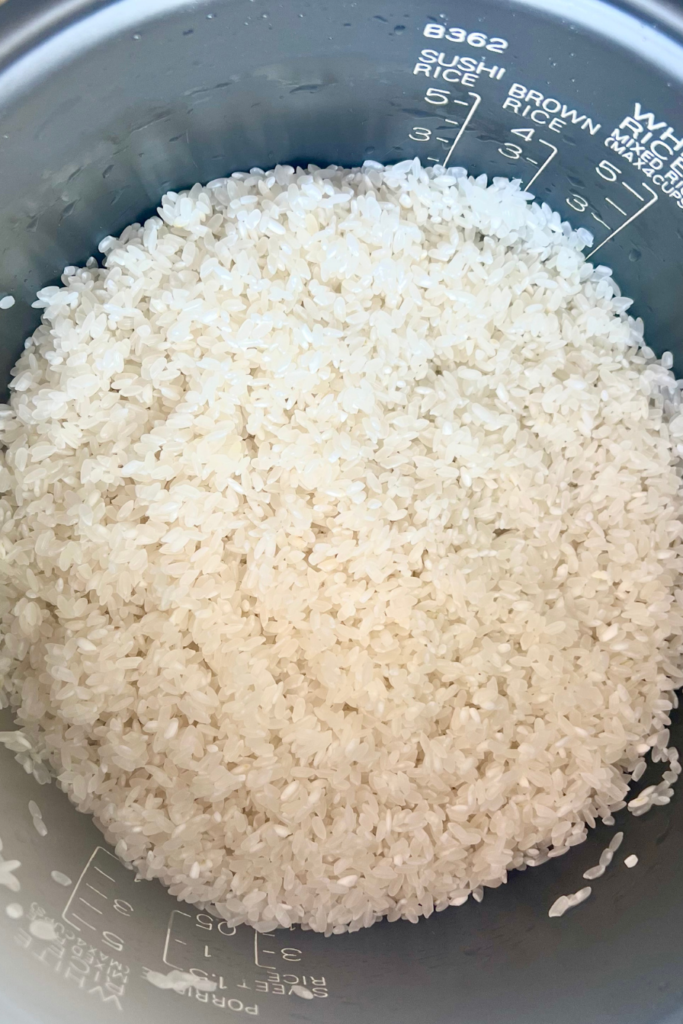
Short-grain Japanese rice. 2 cups of uncooked short-grain rice — the kind labeled “sushi rice,” “Calrose,” or “Koshihikari.” This is the rice that gives sushi rice its sticky texture.
Rice vinegar. 6 tablespoons. The vinegar is the base of the seasoning. Use unseasoned rice vinegar, not seasoned — the seasoned kind already has sugar and salt added and will throw off the balance.
Sugar. 4 tablespoons. The sweetness that balances the vinegar. Granulated sugar dissolves fastest; superfine sugar works even better.
Salt. 4 grams — about ¾ teaspoon of fine sea salt. The salt rounds out the sweetness and brings the whole seasoning into balance.
That’s it. No mirin, no sake, no dashi, no kombu. The three-ingredient seasoning is what makes this recipe so simple, and it’s what most Japanese home cooks use for everyday sushi rice.
How to Make Sushi Rice
(See the recipe card below — the steps are identical and the card is the single source of truth.)
Tips and Troubleshooting
The rice is too wet or too dry. The rice-to-water ratio was off, or the rice wasn’t drained well after rinsing. Use the ratio on your rice package, rinse the rice until the water runs mostly clear, and drain it thoroughly before cooking.
The rice is too sweet. Too much sugar, or the rice was seasoned while it was still too hot and absorbed too much. Use the exact amount of sugar in the recipe, and season the rice while it’s warm, not hot.
The rice is too sour. Too much rice vinegar, or the vinegar wasn’t balanced with enough sugar. Use the exact amounts, and taste the seasoning before you fold it into the rice.
The rice doesn’t hold together. It’s not short-grain rice, or it was overcooked. Use short-grain Japanese rice and cook it according to the package directions.
The rice is gummy. The rice was stirred instead of folded, or it was overcooked. Fold the seasoning into the rice gently with a rice paddle, and don’t overcook the rice.
The seasoning didn’t absorb. The rice was too cool when the seasoning went on. Season the rice while it’s still warm.
The rice tastes bland. Not enough salt, or the seasoning wasn’t whisked until the sugar and salt dissolved. Whisk the seasoning until it’s clear and taste it before folding it into the rice.
The rice dried out overnight. Sushi rice is best the day it’s made. If you’re storing it, cover it with a damp towel and refrigerate it for up to 2 days.
Substitutions and Swaps
Short-grain Japanese rice → Calrose rice or Koshihikari rice. Same quantity. These are both short-grain varieties that work the same way.
Rice vinegar → apple cider vinegar or white wine vinegar. Same quantity. Rice vinegar is the traditional choice, but apple cider and white wine vinegar both work.
Granulated sugar → superfine sugar or caster sugar. Same quantity. Superfine sugar dissolves faster.
For a how to make sushi rice with regular rice version: use short-grain rice if you can find it, or use medium-grain rice as a substitute. Long-grain rice won’t work for sushi.
For a crispy sushi rice version: spread the seasoned rice in a thin layer in a baking dish, refrigerate it until firm, cut it into squares, and pan-fry or air-fry the squares until crispy on the outside.
For a sushi rice bowl version: serve the seasoned rice in a bowl with sliced fish, avocado, cucumber, and a drizzle of soy sauce.
For a baked sushi version: spread the seasoned rice in a baking dish, top with a creamy crab or salmon mixture, and bake until golden.
Storage and Reheat
Refrigerate leftover sushi rice in an airtight container for up to 2 days. Cover it with a damp towel before sealing the container to keep it from drying out.
Reheat in the microwave with a splash of water, covered, for 60 to 90 seconds. The rice won’t be quite as good as freshly made, but it’s fine for a quick meal.
Freezing is not recommended — the texture changes and the rice turns mushy on thawing.
Food safety: store leftovers within 2 hours of cooking. Discard anything left at room temperature longer than 2 hours.
How to Make Sushi Rice
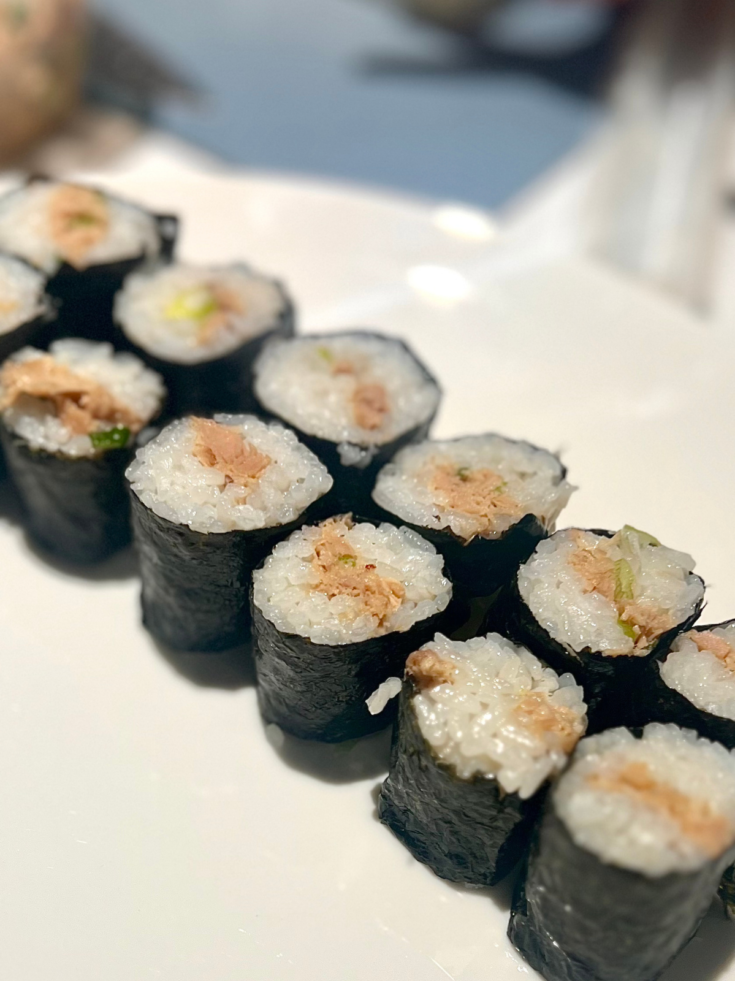
Sushi rice made with short-grain Japanese rice and a three-ingredient seasoning of rice vinegar, sugar, and salt. Sweet, tangy, and glossy — ready in about 10 minutes once the rice is cooked.
Ingredients
- 2 cups uncooked short-grain Japanese rice (such as sushi rice, Calrose, or Koshihikari)
- 6 tablespoons unseasoned rice vinegar
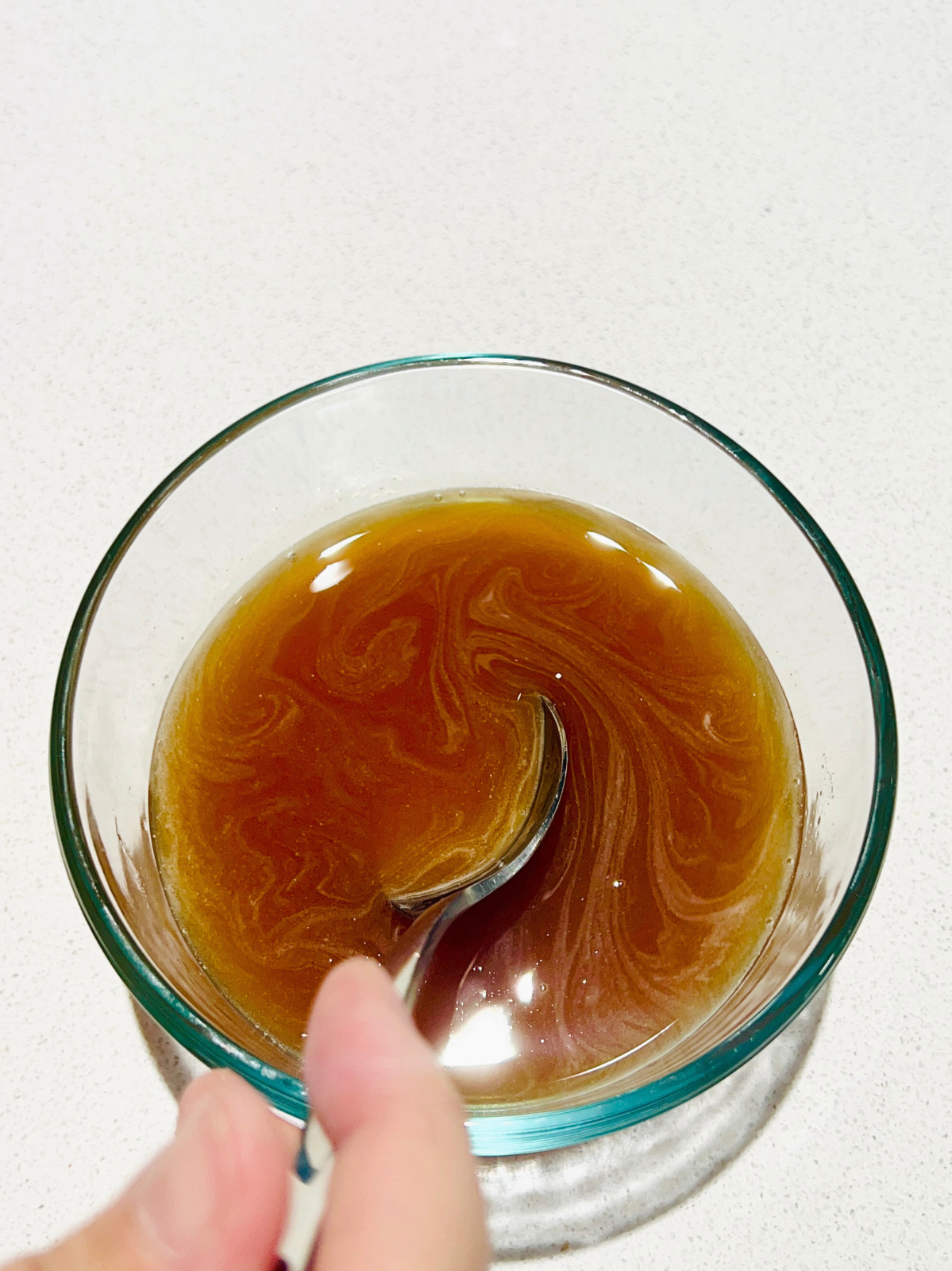
- 4 tablespoons granulated sugar (I used brown sugar in mine, hence the color)
- 4 grams fine sea salt (about ¾ teaspoon)
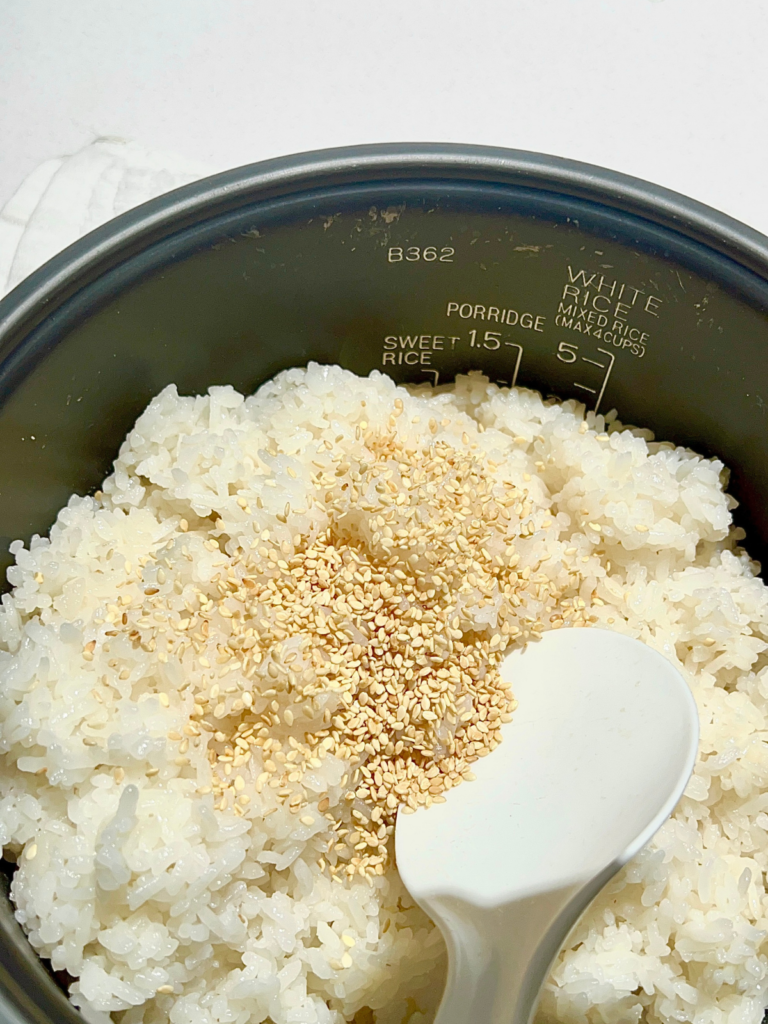
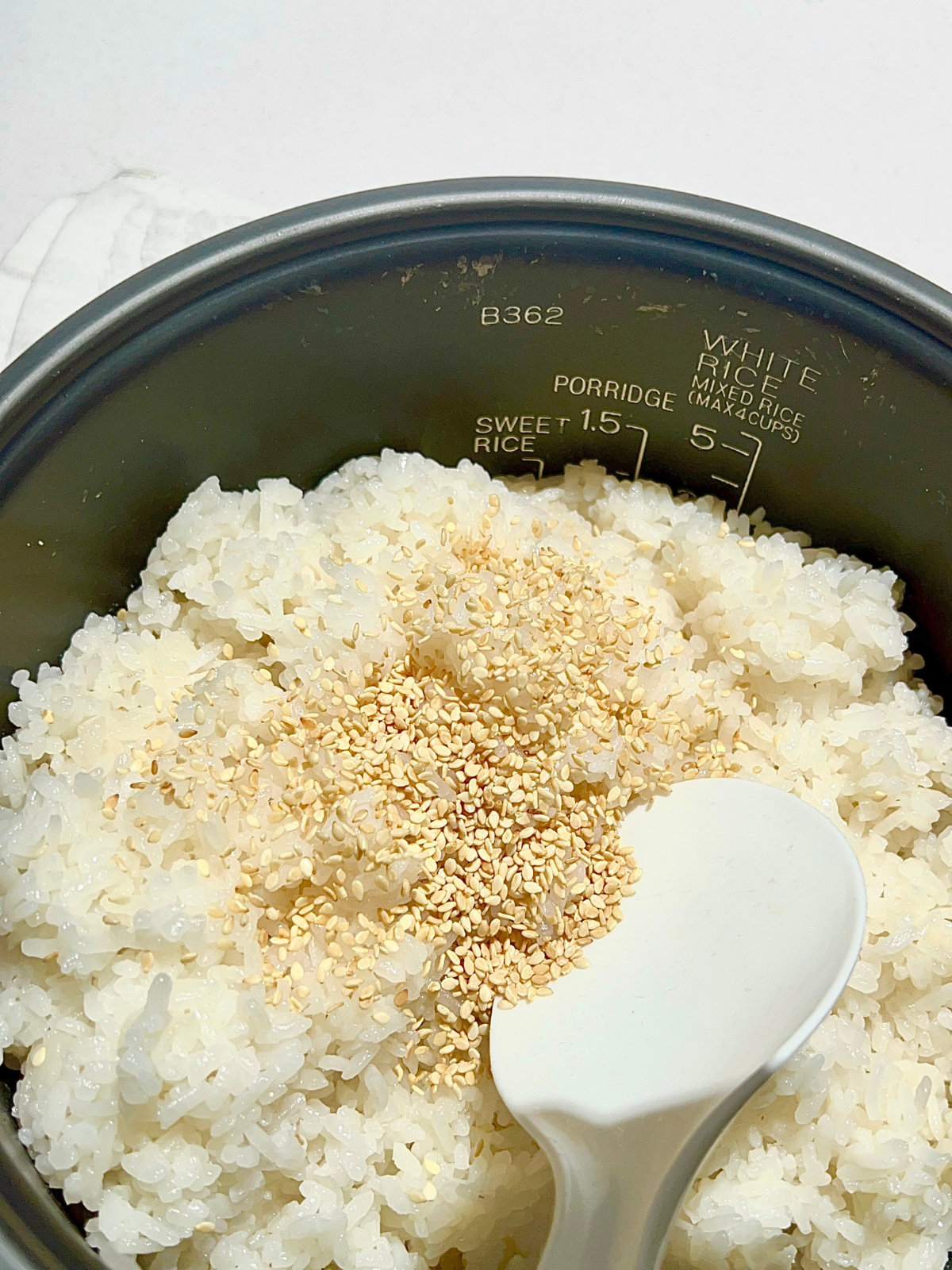
- Optional: 1 tablespoon toasted sesame seeds
Instructions
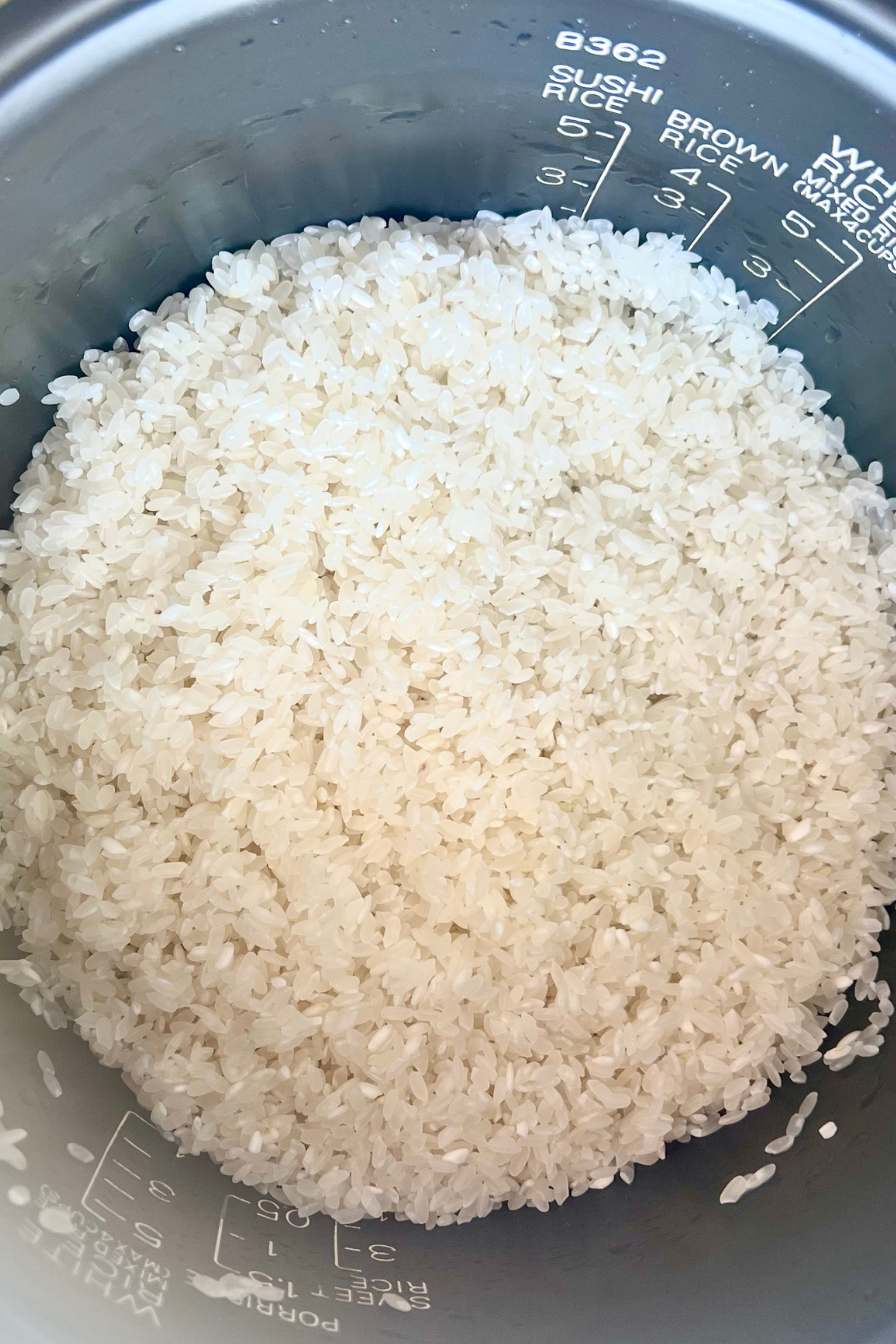
- Cook the Rice: Rinse the rice under cold water until the water runs mostly clear, then cook it according to the package directions or in a rice cooker.
- Make the Seasoning: While the rice cooks, whisk together the rice vinegar, sugar, and salt in a small bowl until the sugar and salt are completely dissolved.
- Fluff the Rice in the Pot: When the rice is done, open the rice cooker and fluff the rice gently from bottom to top with a rice paddle. This releases the steam and keeps the grains separate before the seasoning goes on.
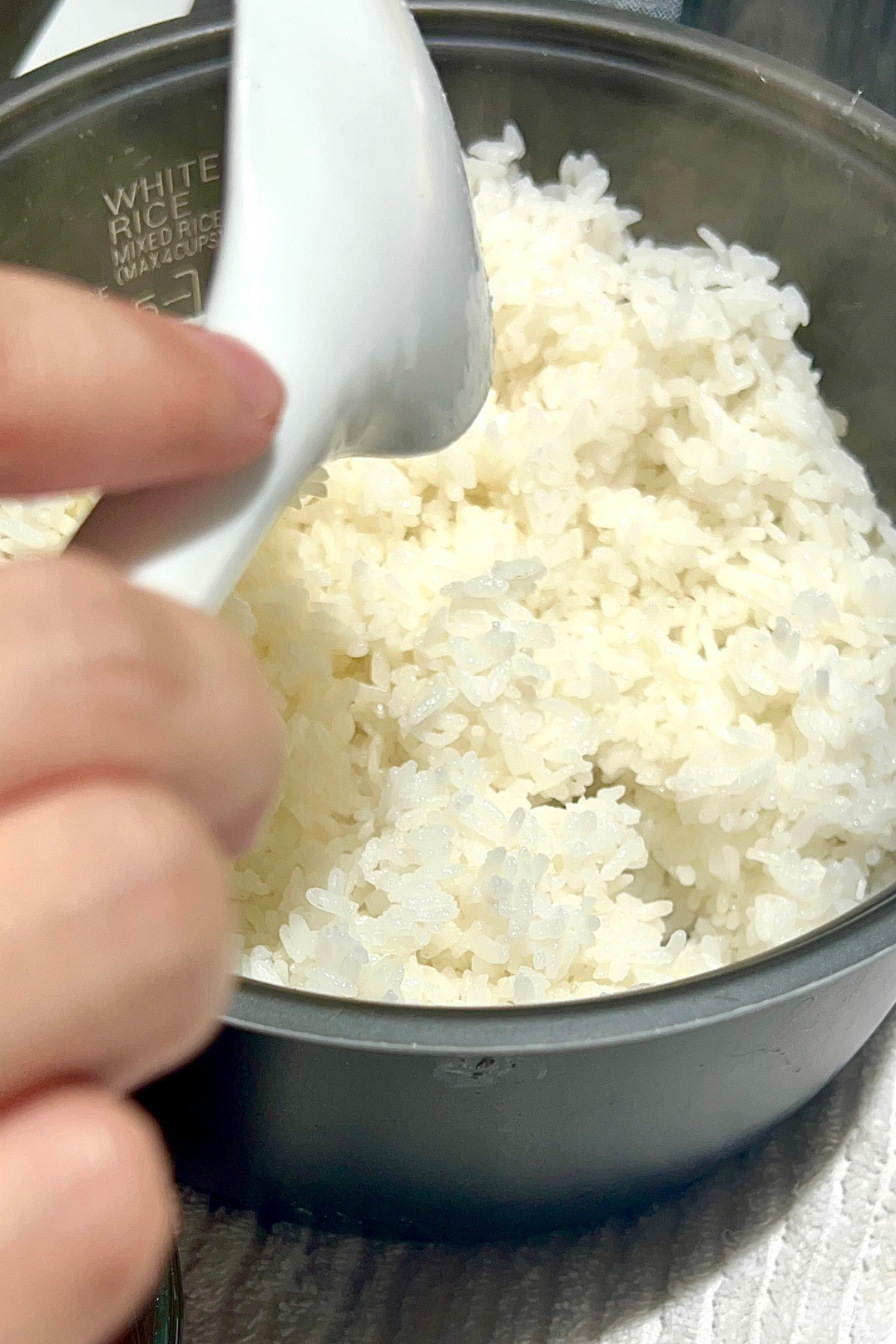
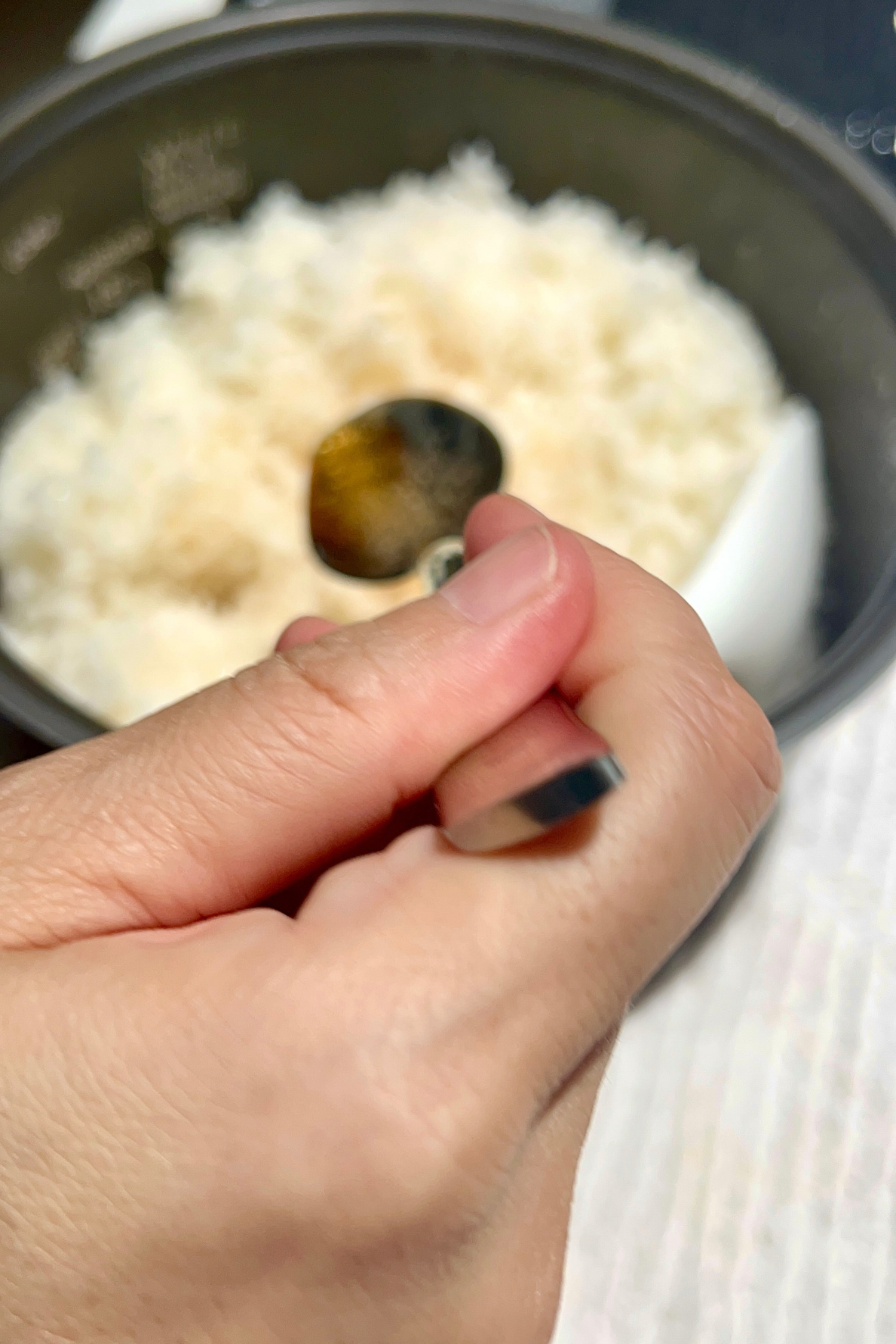
- Season the Rice: Drizzle the seasoning over the warm rice right in the rice cooker (or transfer the rice to a wide, shallow bowl first if you prefer — the transfer is optional). Fold the seasoning in gently with a rice paddle or spatula. Fold — don't stir — so the grains stay separate and coated in seasoning.
- Add Sesame Seeds (Optional): If using, sprinkle the toasted sesame seeds over the rice and fold them in gently.
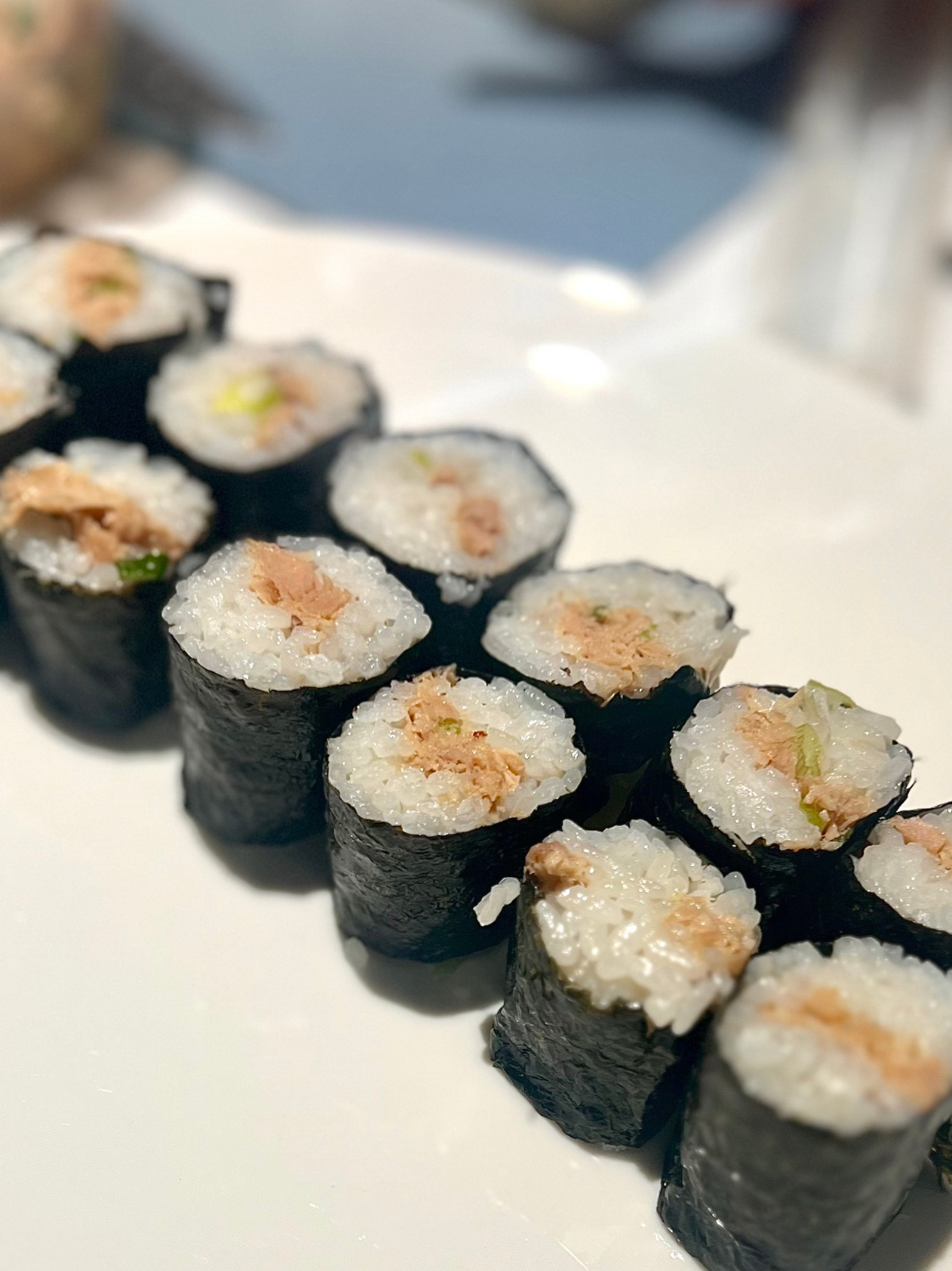
- Cool and Serve: Let the rice cool to room temperature before using it for sushi. The rice absorbs the seasoning as it cools, and the flavor deepens.
Notes
Estimated per serving (about 1 cup seasoned rice): About 240 calories · 4g protein · 50g carbs · 0.5g fat · 1g fiber · 320mg sodium
Nutrition varies by rice variety and portion size. Verify against your labels.
Notes
Use short-grain Japanese rice for the sticky texture that holds together in a roll or bowl.
Season the rice while it’s still warm — the vinegar absorbs best when the rice is warm.
Fold the seasoning into the rice gently with a rice paddle; stirring smashes the grains and turns the rice gummy.
The seasoning is 6 tablespoons of rice vinegar, 4 tablespoons of sugar, and 4 grams of salt — taste it before folding it into the rice and adjust if needed.
The seasoned rice is best the day it’s made; store leftovers covered with a damp towel in the refrigerator for up to 2 days.
Nutrition is an estimate and varies by rice variety and portion size.
Did you make this recipe? Leave a comment on the blog or share a photo on Pinterest.
Frequently Asked Questions
What kind of rice should I use for sushi rice?
Short-grain Japanese rice — the kind labeled “sushi rice,” “Calrose,” or “Koshihikari.” Short-grain rice has a higher starch content than long-grain rice, which is what gives it the sticky texture that holds together in a roll.
Can I make sushi rice with regular rice?
You can, but it won’t have the same sticky texture. Medium-grain rice is the closest substitute; long-grain rice won’t work for sushi because it’s too dry and doesn’t stick.
How much seasoning should I use for 2 cups of rice?
The recipe uses 6 tablespoons of rice vinegar, 4 tablespoons of sugar, and 4 grams of salt for 2 cups of uncooked rice. That’s the classic ratio, and it’s what most Japanese home cooks use.
Do I have to use unseasoned rice vinegar?
Yes. Seasoned rice vinegar already has sugar and salt added, and it will throw off the balance of the seasoning. Use unseasoned rice vinegar.
Why does sushi rice need to be seasoned while it’s warm?
The vinegar absorbs into the rice best when the rice is warm. If you let the rice cool completely before seasoning it, the vinegar sits on the surface instead of soaking in, and the rice tastes uneven.
Why do you fold the rice instead of stirring it?
Stirring smashes the grains together and turns the rice gummy. Folding — using a rice paddle or spatula to lift and turn the rice gently — keeps the grains separate and coated in seasoning without breaking them.
How long does sushi rice last?
Up to 2 days in the refrigerator, covered with a damp towel to keep it from drying out. It’s best the day it’s made.
Can I freeze sushi rice?
Not recommended — the texture changes and the rice turns mushy on thawing.
More Japanese and Rice Recipes You’ll Love
Teriyaki Ground Chicken Bowls — 20-minute meal prep bowls.
Chicken Karaage — crispy Japanese fried chicken.
Soba Noodle Bowl — cold soba with peanut sesame sauce.
Closing
I’ve been making this sushi rice for years, and the thing that changed everything for me was folding the seasoning into the rice while it was still warm instead of waiting for it to cool.
The first batch I made had rice that tasted uneven — some bites were vinegary, some were plain — and the warm-rice fold fixed that completely.
Now it’s the rice I use for sushi rolls, baked sushi, and sushi bowls, and it’s the one I keep coming back to.
If you make the crispy sushi rice version or use it for a sushi bowl, let me know how it turns out in the comments.