Carrot pickle is the condiment I make when I want something bright and crunchy to cut through whatever else is on the plate.
The first batch I made turned out watery and bland — I’d sliced the carrots, poured the vinegar dressing over them, and put them in the fridge.
By the next day the carrots were sitting in a pool of their own liquid and the dressing had diluted into nothing.
The fix was one step: salt the carrots first, let them sit, then squeeze all the water out before the dressing goes on.
That squeeze is the whole technique. Salt draws water out of the carrots through osmosis, and squeezing them dry creates microscopic pockets that pull the sweetened vinegar and olive oil deep into the carrot walls.
The result is carrots that stay crisp, absorb the dressing instead of diluting it, and hold up in the fridge for a week without turning watery.
It’s the difference between a carrot pickle that tastes like something and a carrot pickle that tastes like carrots in vinegar water.
The dressing is simple — rice vinegar, brown sugar, and olive oil. The vinegar brings the tang, the brown sugar balances it, and the olive oil adds a silky mouthfeel and helps your body absorb the beta-carotene from the carrots.
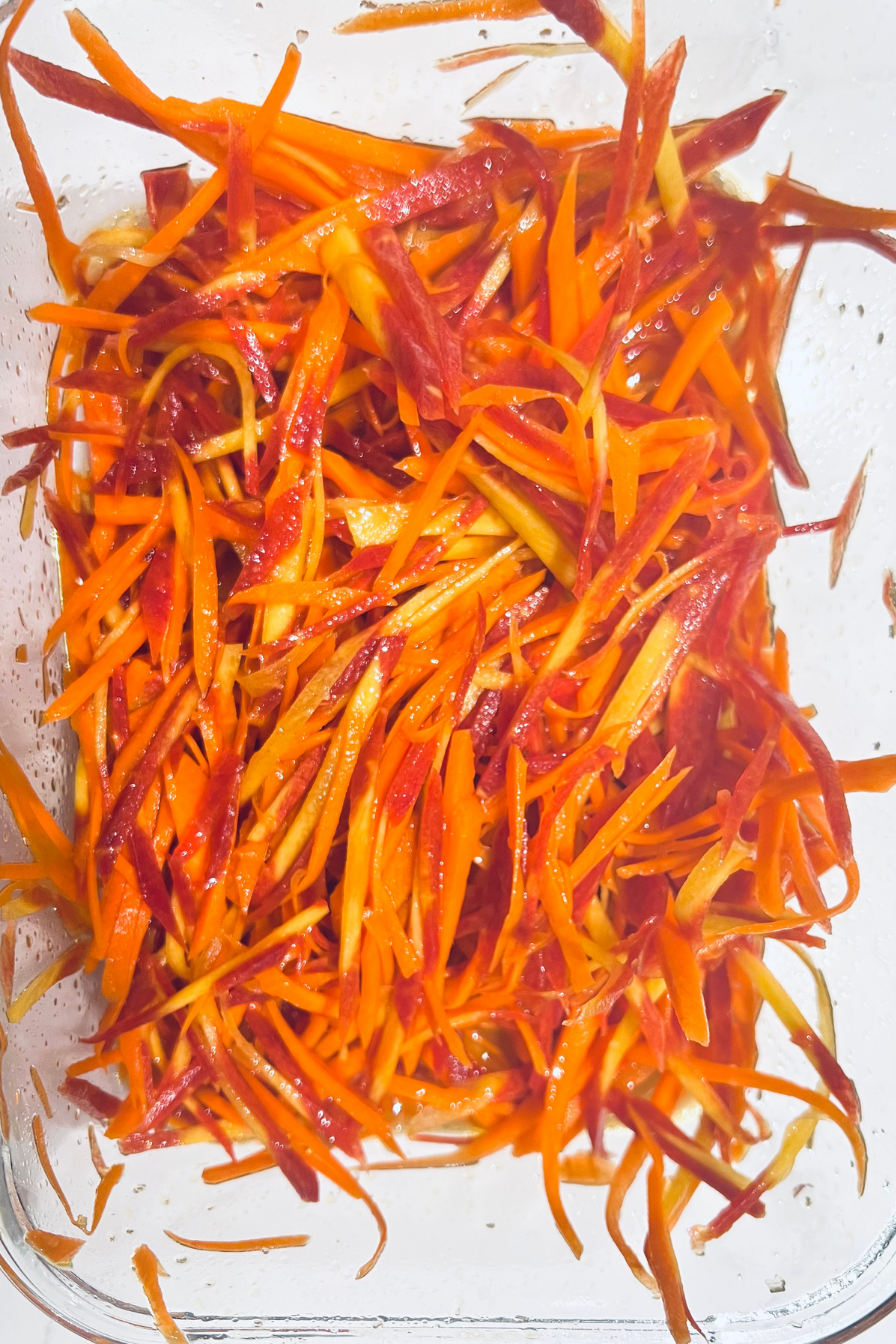
If you use purple carrots alongside orange ones, the salt and the marinade will draw some of the purple color out, and after a few hours in the fridge the whole salad turns a vibrant, jewel-toned magenta.
The recipe makes 4 side servings and takes about 15 minutes of prep, 10 minutes of salting, and 30 minutes to overnight in the fridge. It’s a make-ahead side dish that gets better as it sits, and it’s the kind of thing that earns a permanent spot in the fridge door.
Why This Recipe Works
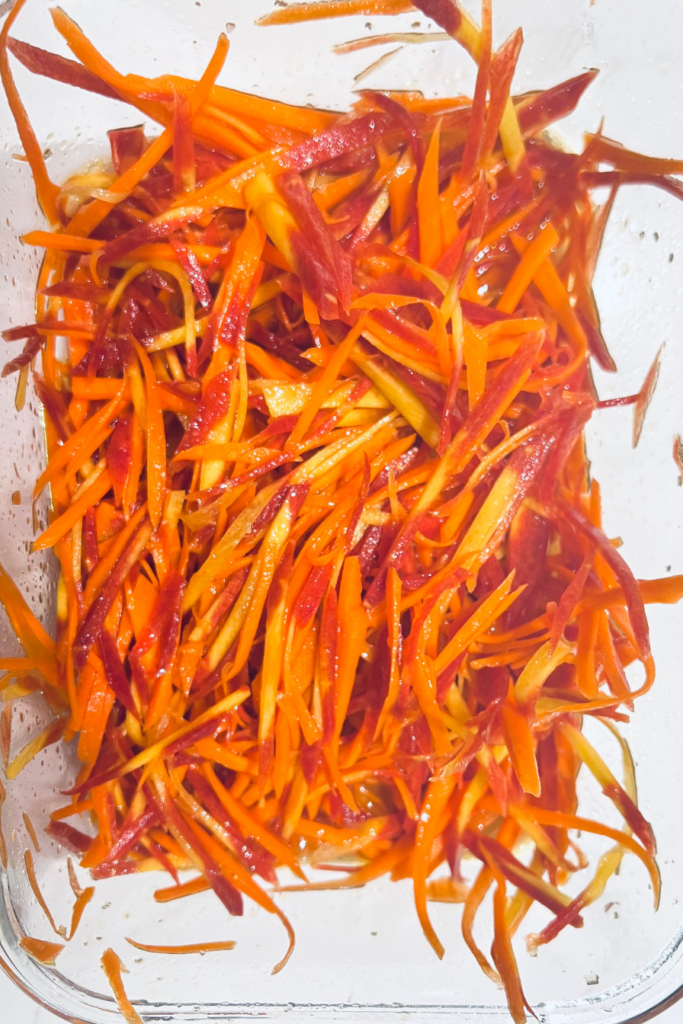
Carrot pickle goes wrong in three specific ways: watery carrots, bland dressing, and carrots that go soft after a day. Here’s how this version solves each one.
1. Salt the Carrots and Squeeze Out the Water
Salting sliced carrots draws the water out through osmosis, and squeezing them dry creates space for the dressing to penetrate. Without that step, the carrots release their water into the dressing over the next day and dilute the whole jar. With it, the carrots absorb the dressing and stay crisp.
2. Use Rice Vinegar and Brown Sugar Together
Rice vinegar is milder and slightly sweeter than white vinegar, which makes it the right base for a quick pickle that’s meant to be eaten, not just used as a garnish. Brown sugar dissolves into the vinegar and adds a deeper sweetness than white sugar — it’s what makes the dressing taste balanced instead of sharp.
3. Let It Marinate at Least 30 Minutes
The carrots need time to absorb the dressing. At 30 minutes, they’re lightly pickled and still very crisp. At 2 to 4 hours, they’ve softened slightly and the flavors have melded. Overnight, they’re a proper pickle — supple, tangy, and deeply flavored. The recipe works at any of those points, but the longer it sits, the better it gets.
Ingredients That Matter
One orange carrot and one purple carrot. Scrubbed and sliced into thin matchsticks or rounds. The two colors are what make this visually striking — the purple bleeds slightly into the marinade, and after a few hours the whole salad turns a jewel-toned magenta. If you can’t find purple carrots, two orange carrots work fine.
Fine sea salt. Two teaspoons, for drawing out the water. Don’t skip this step — it’s the whole technique. Use fine salt so it dissolves evenly.
Rice vinegar. Three tablespoons. Milder and slightly sweeter than white vinegar, and the right base for a quick pickle. Apple cider vinegar works as a substitute.
Brown sugar. Two tablespoons. The sweetness that balances the vinegar. It dissolves into the rice vinegar and gives the dressing a deeper flavor than white sugar.
Extra-virgin olive oil. Two tablespoons. The fat that gives the pickle its silky mouthfeel and helps your body absorb the beta-carotene from the carrots. A good olive oil is worth it here since the flavor comes through.
How to Make Carrot Pickle
(See the recipe card below — the steps are identical and the card is the single source of truth.)
Tips and Troubleshooting
The carrots are watery. They weren’t salted and squeezed, or they weren’t squeezed hard enough. Salt for 10 minutes, then squeeze them in your hands or a clean kitchen towel until no more water comes out.
The pickle tastes bland. The carrots weren’t squeezed, or the dressing didn’t have enough sugar or vinegar. Taste the dressing before pouring it on — it should be balanced and slightly sharp.
The carrots went soft after a day. They weren’t squeezed, or the vinegar was too weak. Rice vinegar has the right acidity; white vinegar is sharper but works too. The squeeze is the bigger factor.
The purple carrot bled everywhere. That’s normal and it’s the point — the purple bleeds into the dressing and gives the whole salad a magenta hue. If you don’t want the bleed, use two orange carrots.
The dressing is too sharp. Too much vinegar, or not enough sugar. Add another teaspoon of brown sugar and taste again.
The dressing is too sweet. Too much brown sugar. Add a splash more vinegar and taste.
The carrots aren’t pickled enough. They need more time in the fridge. Thirty minutes gives you a light pickle; 2 to 4 hours gives you a proper one; overnight is best.
The jar leaked in the fridge. The lid wasn’t tight, or the jar was overfilled. Leave an inch of headroom and seal tightly.
Substitutions and Swaps
Rice vinegar → apple cider vinegar or white wine vinegar. Same quantity. Apple cider is slightly sweeter; white wine vinegar is sharper.
Brown sugar → honey or maple syrup. Same quantity. Honey is slightly sweeter; maple syrup adds a deeper note.
Olive oil → avocado oil or a neutral oil. Same quantity. Olive oil has the most flavor, which is why it’s the default.
Purple carrot → two orange carrots, or a mix of orange and yellow carrots. Same quantity. The color will be less dramatic but the pickle is just as good.
For a Korean pickled carrot version: add 1 teaspoon of gochugaru (Korean chili flakes) and 1 clove of grated garlic to the marinade. Captures the “Korean pickled carrots recipe” keyword.
For a quick pickled shredded carrot version: shred the carrots instead of slicing them into matchsticks. The pickle is ready in 15 minutes instead of 30. Captures the “quick pickled shredded carrots” keyword.
For a pickled sliced carrot version: slice the carrots into thin rounds instead of matchsticks. Captures the “pickled sliced carrots” keyword.
For a charcuterie board version: serve the pickle alongside cured meats, cheese, and crackers. Captures the “best pickles for charcuterie” keyword.
Storage and Reheat
Refrigerate in a glass container for up to 5 to 7 days.
Texture evolution: on day 1, the carrots are sharply crisp and bright. By days 2 and 3, they soften into a supple, tangy pickle while retaining a pleasant bite.
No reheating needed. This is a cold condiment, served straight from the fridge.
Food safety: store in the refrigerator within 2 hours of making. Discard anything that smells off or has been left at room temperature longer than 2 hours.
Sweet & Sour Carrot Pickle
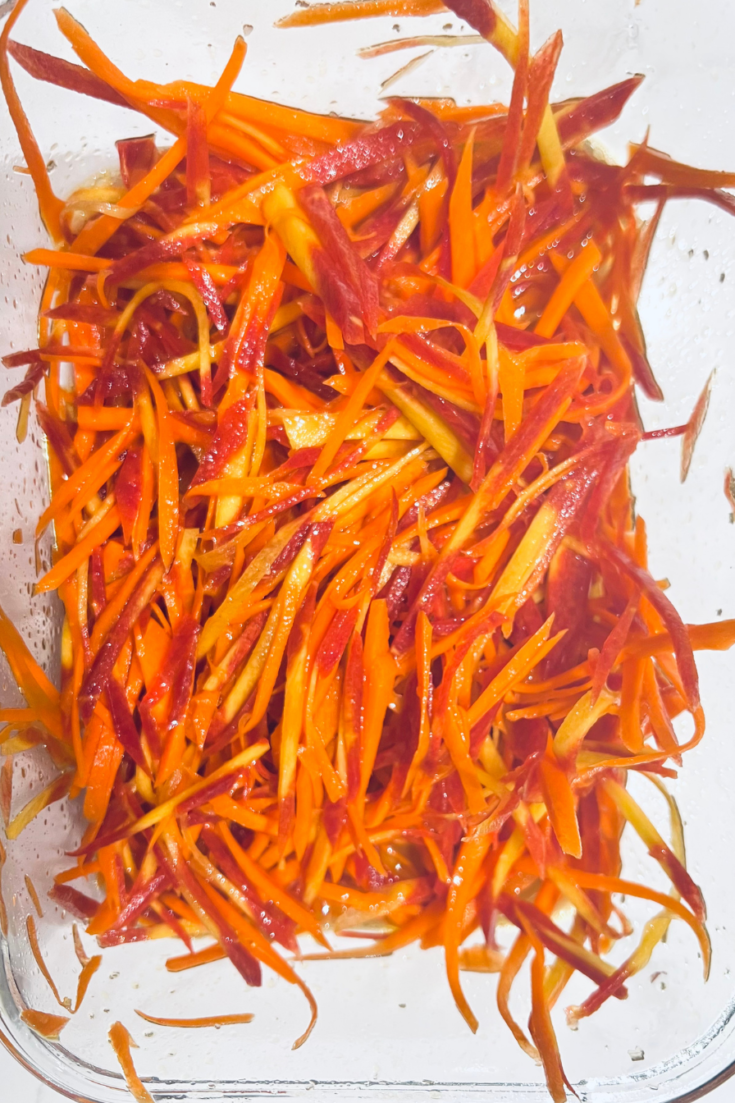
A vibrant, crisp pickled carrot salad with orange and purple carrots in a balanced sweet-and-tangy rice vinegar dressing — a make-ahead side dish that gets better as it marinates.
Ingredients
Carrot Base
- 1 regular orange carrot, scrubbed and finely sliced (julienned or matchsticks)
- 1 purple carrot, scrubbed and finely sliced (julienned or matchsticks)
- 2 teaspoons fine sea salt (for drawing out excess moisture)
Sweet Vinegar Marinade
- 3 tablespoons rice vinegar (or apple cider vinegar)
- 2 tablespoons brown sugar
- 2 tablespoons extra-virgin olive oil
Instructions
- Prep the Carrots: Wash, peel (if desired), and finely slice both the orange and purple carrots into thin matchsticks or uniform thin rounds.
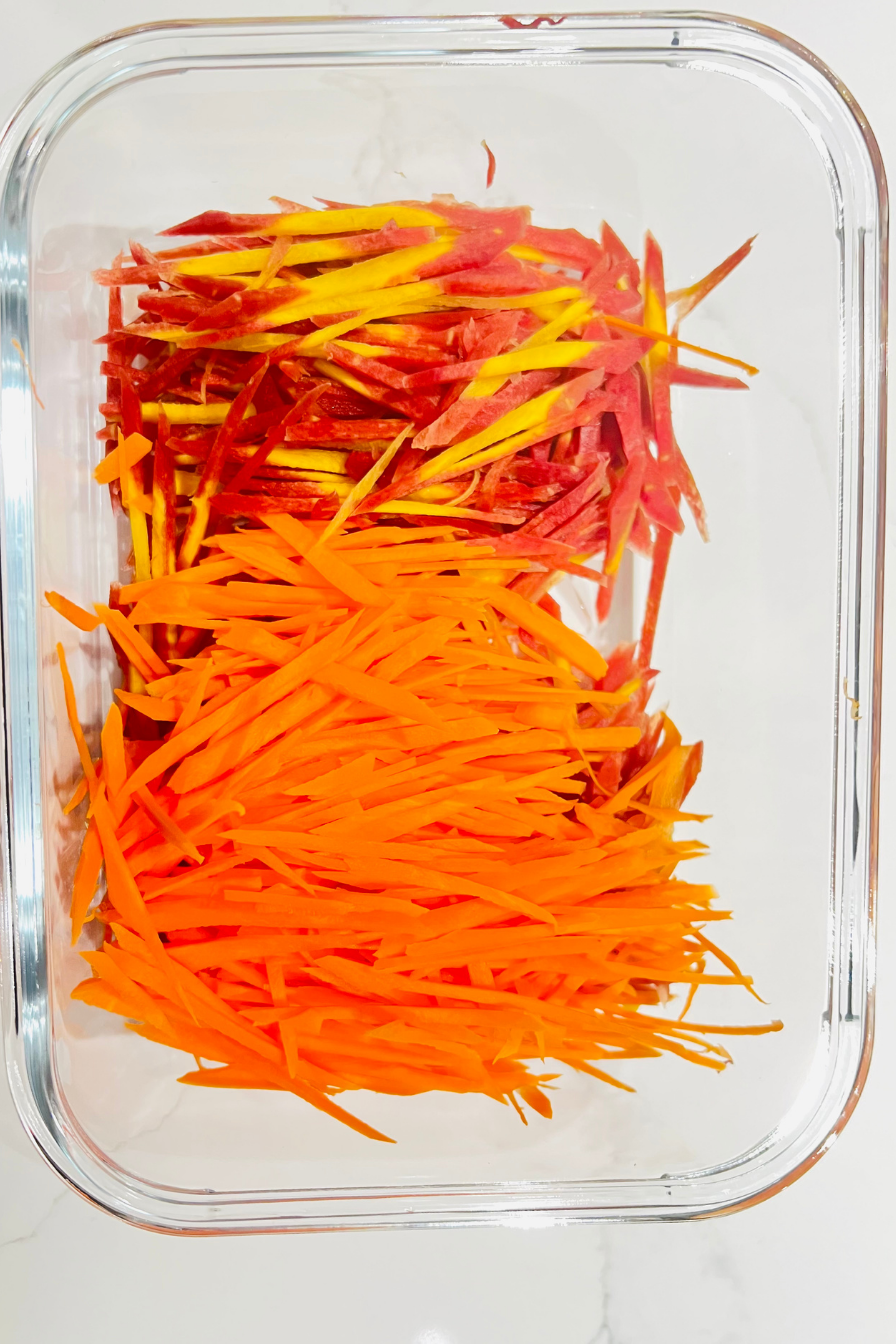
- Salt and Draw Water: Place the sliced carrots in a medium bowl and toss evenly with 2 teaspoons of salt. Let sit at room temperature 10 minutes. The carrots will soften and pool water at the bottom of the bowl.
- Squeeze Dry: Transfer the salted carrots into your hands or a clean kitchen towel and squeeze out as much liquid as possible. Discard the extracted salty water and place the dry carrots back into the bowl.
- Whisk the Marinade: In a small measuring cup or bowl, whisk together the rice vinegar (or apple cider vinegar), brown sugar, and extra-virgin olive oil until the sugar dissolves completely.
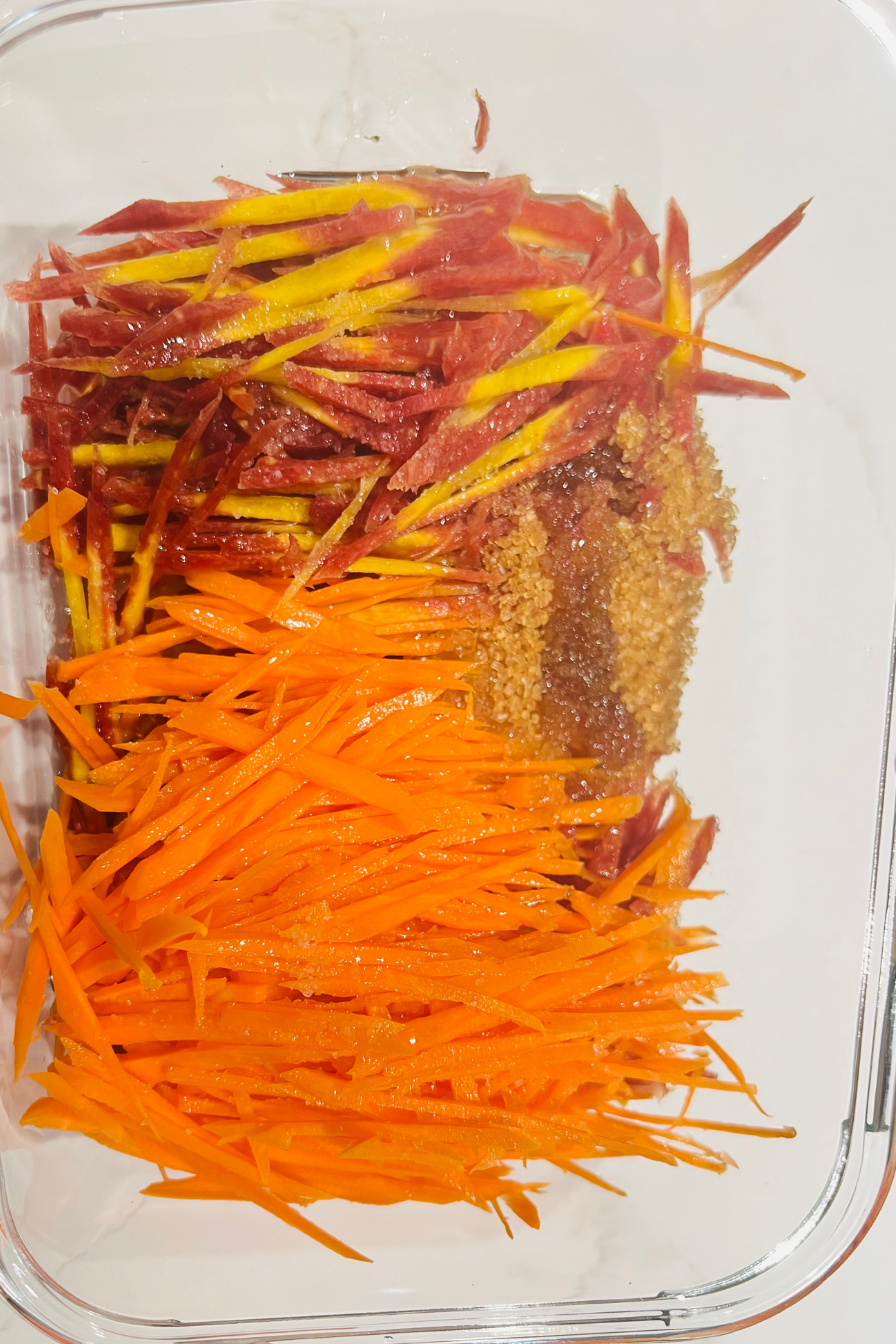
- Pour and Toss: Pour the marinade over the squeezed carrots. Toss thoroughly with tongs or a fork so every slice is coated.
- Marinate in the Fridge: Transfer the carrots and liquid into a glass jar or airtight container. Cover tightly and refrigerate at least 30 minutes before serving (2 to 4 hours is ideal so the flavors meld deeply).
Notes
Estimated per serving (¼ of recipe): 105 calories · 1g protein · 11g carbs · 7g fat · 2g fiber · 320mg sodium
Notes
The salt-and-squeeze step is the whole technique — salting draws the water out of the carrots through osmosis, and squeezing them dry creates pockets that pull the dressing deep into the carrot walls.
Skip it and the carrots release their water into the dressing and the whole jar turns watery. The purple carrot will bleed slightly into the marinade, giving the whole salad a jewel-toned magenta hue after a few hours.
The pickle keeps 5 to 7 days in the fridge; the texture gets softer and more pickle-like the longer it sits. Nutrition is an estimate and varies by carrot size and vinegar brand.
Did you make this recipe? Leave a comment on the blog or share a photo on Pinterest.
Frequently Asked Questions
Why do I need to salt and squeeze the carrots?
Salting draws the water out of the carrots through osmosis, and squeezing them dry creates microscopic pockets that pull the dressing deep into the carrot walls. Without that step, the carrots release their water into the dressing over the next day and dilute the whole jar.
How long does carrot pickle last?
Up to 5 to 7 days in the refrigerator in a sealed glass container.
Can I use regular carrots instead of purple ones?
Yes. Two orange carrots work fine — the color is less dramatic but the pickle is just as good.
Why did my carrots turn soft?
They weren’t salted and squeezed, or the vinegar wasn’t strong enough. Rice vinegar has the right acidity; the squeeze is the bigger factor.
Can I use apple cider vinegar instead of rice vinegar?
Yes. Same quantity. Apple cider vinegar is slightly sweeter; white wine vinegar is sharper.
Can I make this a Korean-style carrot pickle?
Yes. Add 1 teaspoon of gochugaru (Korean chili flakes) and 1 clove of grated garlic to the marinade.
Can I shred the carrots instead of slicing them?
Yes. Shredded carrots pickle faster — 15 minutes instead of 30.
What do you serve carrot pickle with?
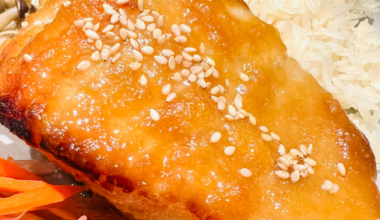
It’s a palate-cleansing side that works with grilled meats, salmon fillets, rice bowls, sandwiches, wraps, and charcuterie boards.
More Meal Prep and Pickle Recipes You’ll Love
Korean Cucumber Salad (Oi Muchim) — Spicy, Tangy & So Easy
Viral Asian Cucumber Salad -Easy, Healthy & No-Cook Recipe
Summer Bliss in a Bowl – Creamy Cucumber Salad Recipe
Closing
I’ve made this carrot pickle more times than I can count, and the two things that changed everything for me were salting and squeezing the carrots before the dressing goes on, and letting it marinate long enough to actually pickle.
The first batch I made was watery and bland — the salt-and-squeeze step and the extra fridge time fixed that completely.
If you make the Korean version with gochugaru or shred the carrots for a faster pickle, let me know how it turns out in the comments.