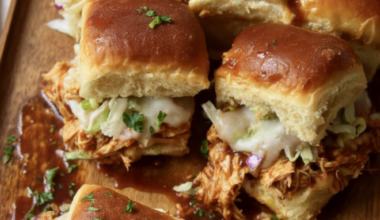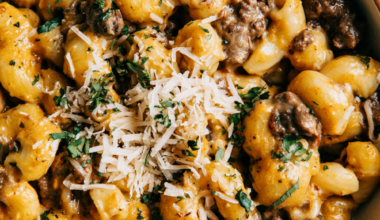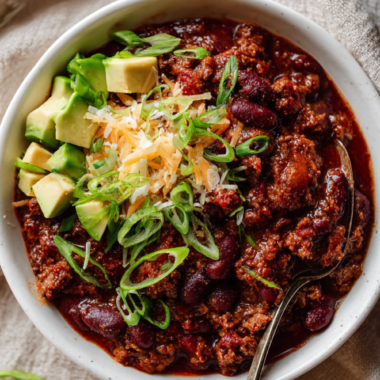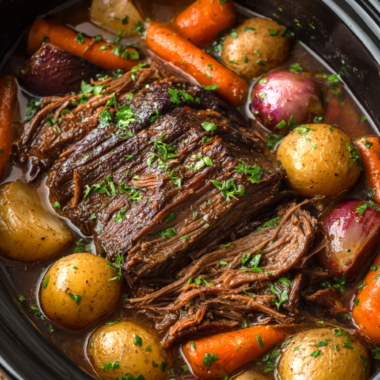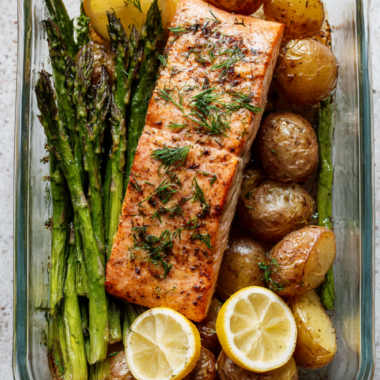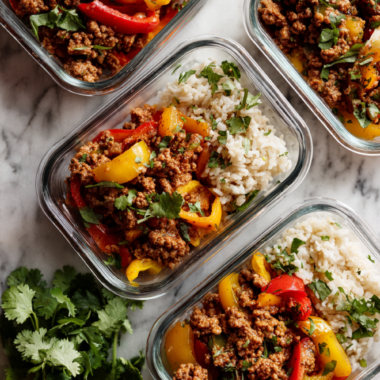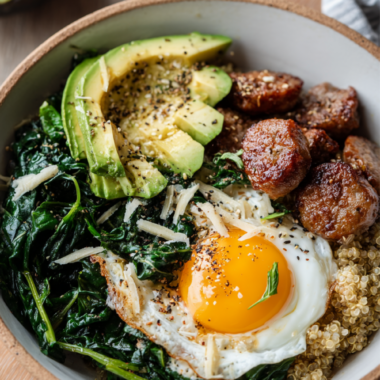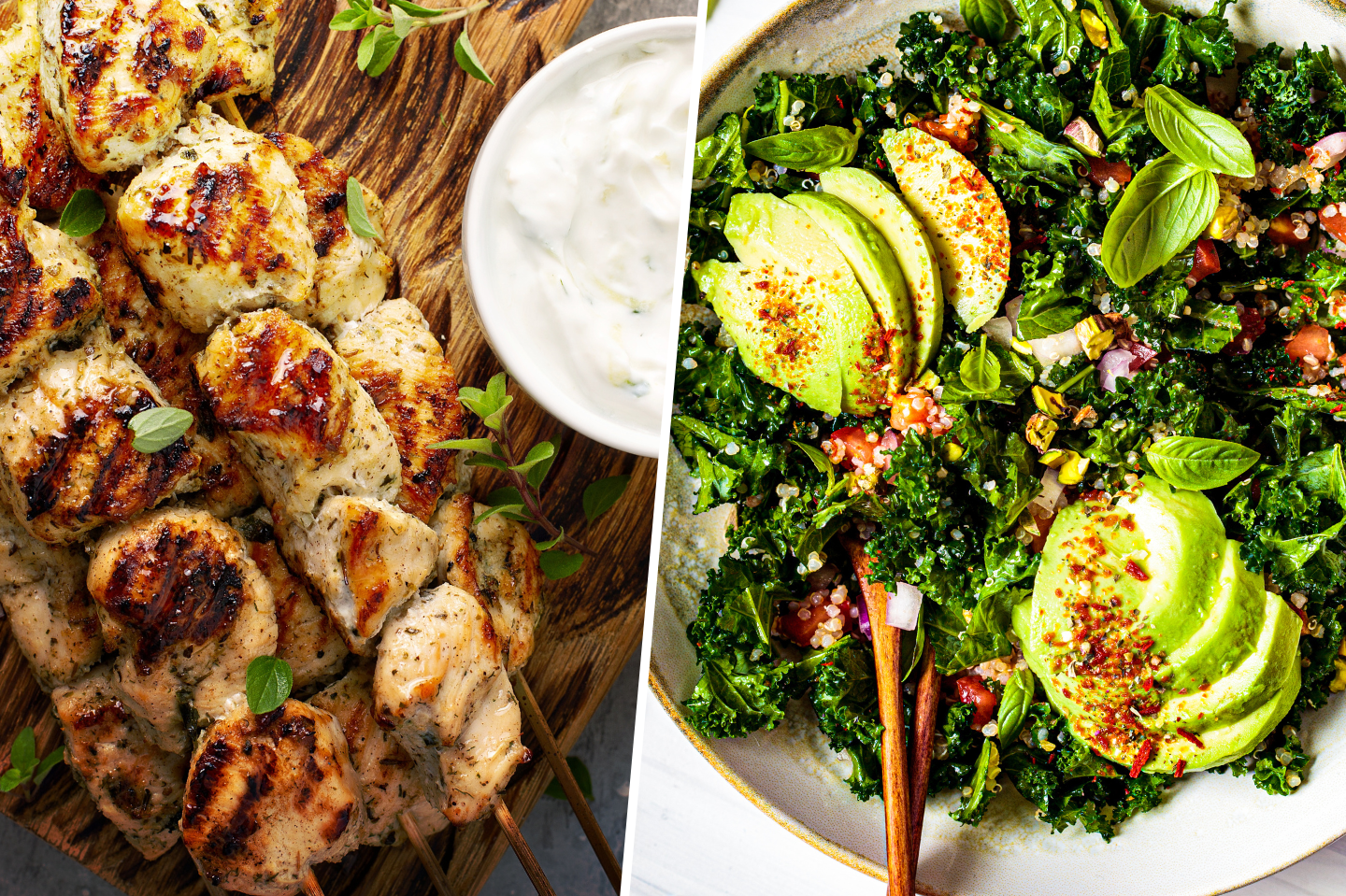

Dinner bowls have taken over meal prep for a reason.
They’re the format that solves everything at once: a base that holds up in the refrigerator, a protein that reheats well, vegetables that stay crisp, and a sauce that ties it all together.
No soggy containers. No sad desk lunches. No 45-minute weeknight cooking session.
These twelve healthy dinner bowls answer the question, “What do I actually want to eat this week?” Some are restaurant-style bowls you can build in 20 minutes.
Some are slow-cooked and shredded.
Some are vegetarian, some are seafood, some are beef. Every one delivers real protein, lands between 22 and 63 grams per bowl, and holds up for 3–4 days in the refrigerator.
The trick is the components.
Every bowl in this list follows the same structure: a grain or green base, a protein, a vegetable, a crunchy topping, and a sauce.
Learn the formula once, and you can build any bowl you want from whatever’s in the refrigerator.
Two things decide whether these bowls stay good all week or turn into a soggy mess by Wednesday, and neither is optional.
Store the components separately. A dressed bowl is good for six hours. An undressed bowl with components stored separately is good for four days. Every recipe below tells you exactly what goes together and what stays apart.
Cool everything completely before it goes in the container. Warm rice, warm protein, and warm vegetables create steam inside the container.
Steam turns into condensation, and condensation turns rice soggy and vegetables limp. Cool on a sheet pan if you’re in a hurry.
Everything else is forgiving, flexible, and takes about 30 minutes of actual work per bowl.
Why These Healthy Dinner Bowls Work
The bowl format is inherently meal-prep friendly. A container holds rice, protein, vegetables, and sauce without mixing them into a casserole. Each component keeps its own texture. That’s why bowls work when casseroles turn mushy.
Protein is built into every bowl, not added as an afterthought. Chicken, salmon, ground beef, ground turkey, tofu, chickpeas, lentils, and eggs are the foundation. Every bowl in this list lands between 22 and 63 grams per serving.
The grain base holds up better than lettuce. Rice, quinoa, farro, and cauliflower rice all reheat without wilting. They also absorb sauce, which means the bowl tastes seasoned instead of dry.
We choose vegetables for their refrigerator lifespan. Roasted sweet potatoes, shredded cabbage, roasted broccoli, cucumber, and pickled vegetables all hold for days. Add delicate greens like fresh spinach.
The sauce is what makes each bowl taste different. A cilantro-lime dressing, a tahini drizzle, a teriyaki glaze, a tzatziki, a buffalo sauce, a peanut-ginger dressing — these are what turn the same base formula into twelve completely different dinners.
They’re genuinely better on day two. Like soups and stews, bowl components meld overnight. The rice absorbs the sauce, the protein takes on the marinade, and the flavors deepen.
They work for every dietary preference. Several of these bowls are vegetarian (two are fully vegan), most are gluten-free or easily made gluten-free, and all of them can be adapted to fit whatever you’re eating this week.
A Quick Note on Building Any Dinner Bowl
Every bowl in this list follows the same six-element structure:
- A grain or green base. Rice, quinoa, farro, cauliflower rice, or massaged kale.
- A protein. Chicken, salmon, beef, turkey, shrimp, tofu, chickpeas, or lentils.
- A roasted or fresh vegetable. Sweet potato, broccoli, Brussels sprouts, cucumber, cabbage.
- Something creamy or salty. Feta, goat cheese, cotija, avocado, or a creamy dressing.
- Something crunchy. Toasted nuts, seeds, crispy chickpeas, or tortilla strips.
- An acid-forward sauce. Cilantro-lime, tahini, tzatziki, teriyaki, buffalo, or gochujang.
Get all six on the plate, and you have a bowl that eats like a meal. Skip one and the bowl feels flat.
1. High-Protein Chicken Meal Prep Burrito Bowl
About 36–40g protein per container | Serves 5 | 30 minutes active
This meal prep bowl started the whole format.
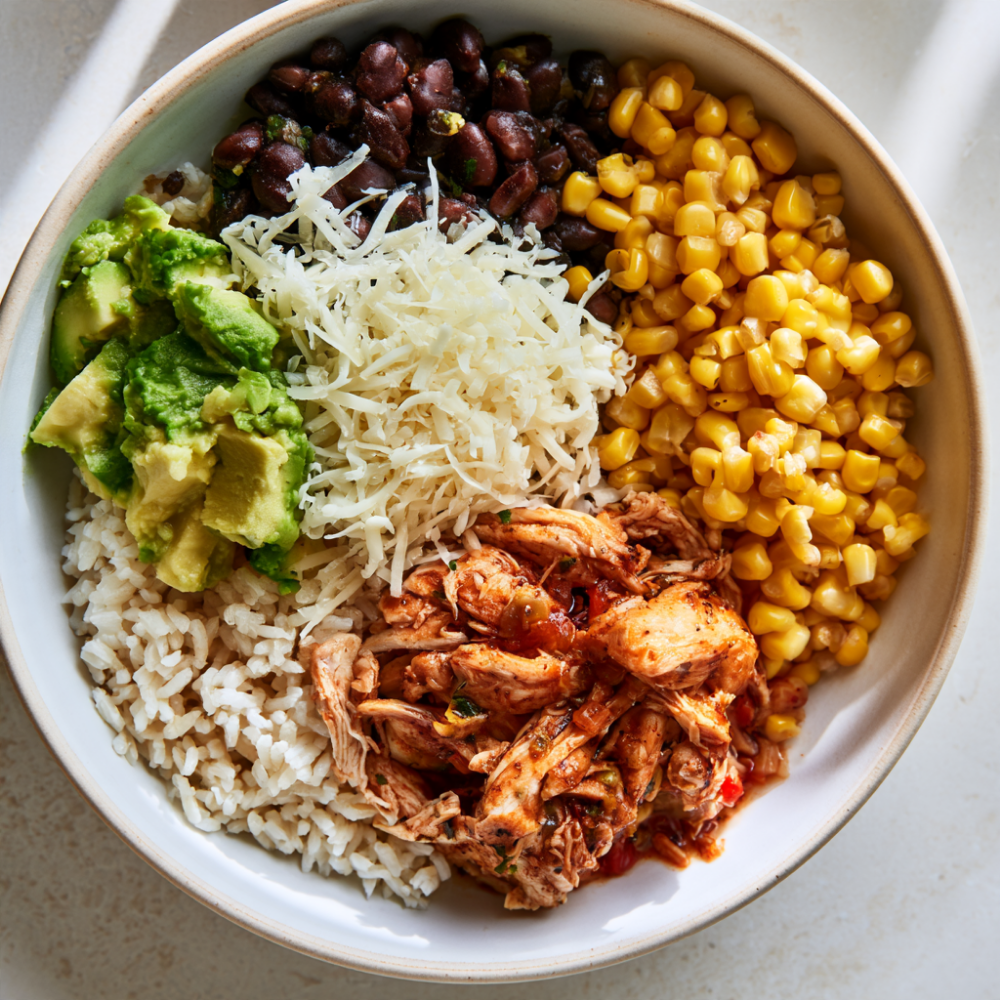
Seasoned shredded chicken (or ground turkey), cilantro-lime rice, black beans, charred fajita veggies, and sweet corn, built to hold up in the refrigerator for five days without turning soggy.
Put Greek yogurt and shredded cheese in condiment cups so they don’t melt into the rice, and add salsa fresh.
The bowl works because every component is designed to hold up in the refrigerator. Charred bell peppers hold their texture.
Cilantro-lime rice absorbs flavor overnight. Black beans add fiber and plant protein. And the protein lands at 36–40 grams per container, which is what makes it a real dinner instead of a sad desk lunch.
The full recipe lives here: High-Protein Chicken Meal Prep Burrito Bowl
2. Teriyaki Salmon Bowl with Edamame & Rice
About 38–42g protein per bowl | Serves 4 | 20 minutes
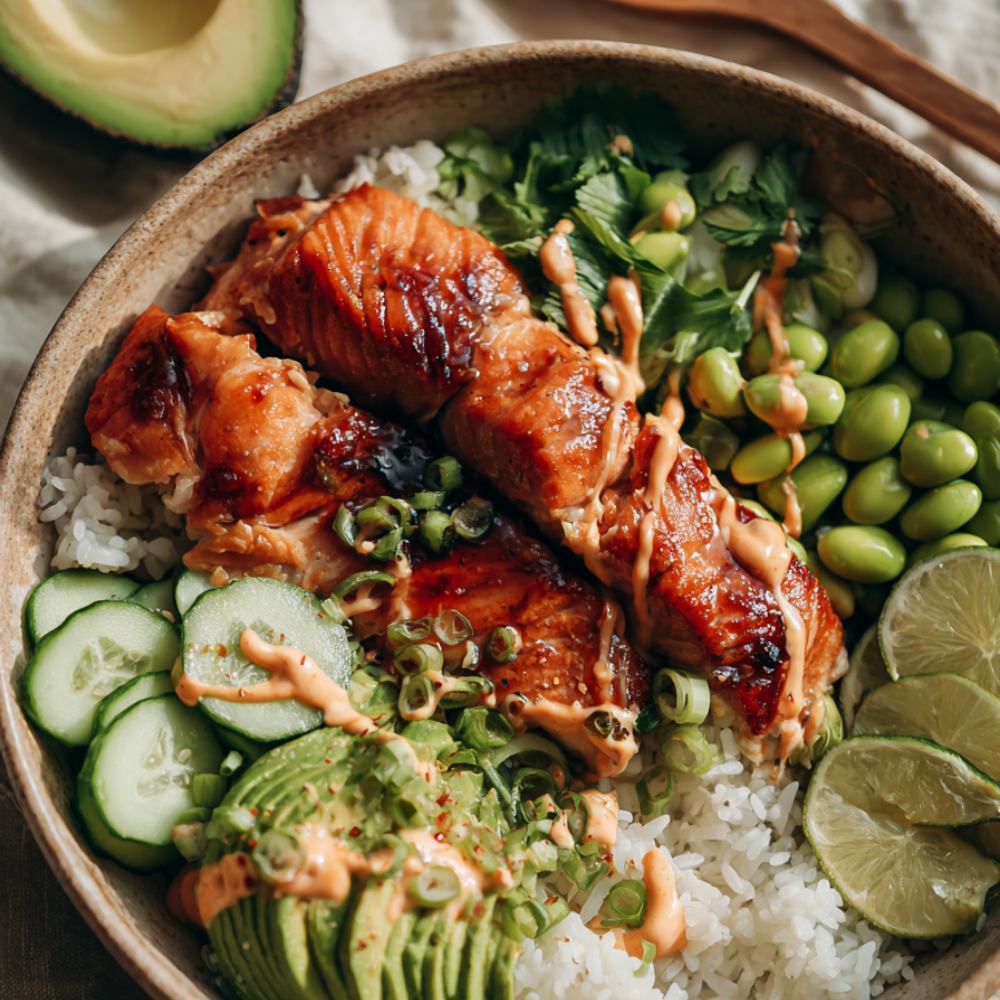
Flaky glazed salmon, protein-packed edamame, and fluffy rice with crisp cucumber and creamy avocado, all drizzled with a homemade teriyaki sauce that’s glossy, sticky, and made without high-fructose corn syrup.
The salmon bakes in 12 minutes while the rice cooks and the sauce simmers.
This bowl proves a healthy dinner can taste like takeout.
The teriyaki sauce is balanced — soy sauce for salt and umami, maple syrup for sweetness, rice vinegar for acid, ginger and garlic for depth.
Edamame adds plant protein, fiber, and a satisfying pop of texture in every bite.
The full recipe lives here: Teriyaki Salmon Bowl with Edamame & Rice
3. Ground Beef Bulgogi Bowls
About 32–36g protein per bowl | Serves 6 | 15 minutes
Sweet, savory, garlicky ground beef bulgogi with fresh ginger, Asian pear, sesame, and a gentle kick of gochujang, served over steamed rice with wilted cabbage and carrots. It’s the dinner that tastes like Korean BBQ but comes together in 15 minutes in one skillet.
The bulgogi bowl works for meal prep because ground beef in sauce holds up for days. The flavors meld overnight. Day two is genuinely better than day one. Serve with kimchi, a fried egg, or sliced cucumber for extra texture.
The full recipe lives here: Ground Beef Bulgogi Bowls
4. Southwest Chicken Salad Bowl with Cilantro-Lime Dressing
About 38–42g protein per bowl | Serves 4 | 25 minutes
Chili-seasoned grilled chicken, crisp romaine, black beans, sweet corn, cherry tomatoes, avocado, red onion, and crunchy tortilla strips, all tossed with a creamy cilantro-lime dressing made from Greek yogurt. It’s the salad that actually fills you up.
This bowl is a great reminder that “dinner bowl” doesn’t have to mean rice. The romaine holds up better than softer greens, and storing the components separately means you can assemble a fresh salad every day of the week. The Greek yogurt dressing adds protein without the heaviness of a mayo-based dressing.
The full recipe lives here: Southwest Chicken Salad with Cilantro-Lime Dressing
5. Mediterranean Chickpea & Quinoa Bowl
About 23–25g protein per bowl | Serves 4 | 45 minutes
Fluffy quinoa, crispy roasted chickpeas, sweet roasted red pepper, cucumber, tender kale, red onion, parsley, and feta come together with a creamy lemon-tahini dressing. The chickpeas provide hearty texture and substance, while the fresh vegetables, herbs, and lemony dressing keep the bowl bright rather than heavy.
The key to this bowl is getting the chickpeas genuinely crispy. Three cans of chickpeas, dried thoroughly and roasted on their own in a pan over high heat, give you the crunch that makes the bowl satisfying. Roast the red pepper in a separate pan so its moisture doesn’t steam the chickpeas.
Servings: 4
Prep Time: 20 minutes
Cook Time: 25 minutes
Total Time: About 45 minutes
Protein per Serving: About 23–25g
Nutrition note: Protein and calories vary by brand. Estimated per bowl: ~640 calories, 23–25g protein, ~72 g carbs, ~28 g fat. Calculate with your specific products for the most accurate numbers.
Ingredients
For the Bowl:
- 2 cups cooked quinoa, cooled slightly
- 3 (15-oz) cans chickpeas, drained, rinsed, and thoroughly dried
- 2 tbsp olive oil, divided
- 1 tsp smoked paprika
- 1 tsp ground cumin
- ½ tsp garlic powder
- 1 tsp kosher salt, divided
- ½ tsp black pepper
- 1 large red bell pepper, cut into 1-inch strips
- 1 bunch lacinato kale, stems removed and finely chopped
- 1 English cucumber, diced
- ¼ small red onion, very thinly sliced
- ½ cup fresh parsley, chopped
- ½ cup crumbled feta
For the Lemon-Tahini Dressing:
- ⅓ cup tahini
- 3 tbsp fresh lemon juice
- 1 small garlic clove, finely grated or minced
- 1 tsp maple syrup
- ½ tsp kosher salt
- ¼ tsp black pepper
- 3–6 tbsp warm water, as needed
Instructions
1. Prepare the chickpeas.
Preheat the oven to 425°F. Drain and rinse the chickpeas, then spread them over a clean kitchen towel or several layers of paper towels. Pat them very dry.
For especially crisp chickpeas, gently rub them between the towels to loosen some of the skins, then remove any loose skins you easily pick off.
Transfer the chickpeas to a large bowl and toss with 1½ tablespoons olive oil, smoked paprika, cumin, garlic powder, ½ teaspoon salt, and black pepper. Spread them on a large baking sheet in a single layer, leaving plenty of space between them.
2. Roast the chickpeas and pepper.
Roast the chickpeas for 20–25 minutes, shaking the pan once halfway through, until browned and crisp.
At the same time, toss the red pepper with the remaining ½ tablespoon olive oil and a small pinch of the remaining salt. Spread the peppers on a separate baking sheet and roast for about 20 minutes, turning once, until tender with browned edges.
Keeping the peppers on a separate pan prevents their moisture from steaming the chickpeas. The chickpeas will become even crisper as they cool for several minutes.
3. Make the tahini dressing.
Whisk together the tahini, lemon juice, garlic, maple syrup, salt, and pepper. The mixture may initially become thick and look slightly grainy. Keep whisking while gradually adding warm water, 1 tablespoon at a time. Continue until the dressing is smooth and creamy and easily drizzles from a spoon. Taste and adjust with another squeeze of lemon or a pinch of salt if needed.
4. Massage the kale.
Place the chopped kale in a large bowl. Add about 1 tablespoon of the dressing and massage the kale with clean hands for 1–2 minutes, until it darkens, softens, and becomes easier to eat. Don’t over-massage it; the kale should remain slightly crisp.
5. Assemble the bowls.
Divide the quinoa among four bowls. Top with the massaged kale, roasted chickpeas, roasted red pepper, cucumber, red onion, parsley, and feta. Drizzle generously with the lemon-tahini dressing. Serve immediately.
Recipe Notes
For meal prep, store the chickpeas separately from the vegetables and dressing. Add the chickpeas just before eating for the best texture.
For the crispiest chickpeas, drying thoroughly matters more than adding extra oil. Do not overcrowd the pan.
If making the components ahead, keep the roasted chickpeas uncovered until completely cool before storing them. Re-crisp them briefly before serving if needed.
The dressing thickens in the refrigerator. Whisk in warm water, 1 teaspoon at a time, until it reaches a pourable consistency.
6. Thai Coconut Curry Lentil Bowl
About 22–25g protein per bowl | Serves 4 | 45 minutes | Vegan
Creamy red lentils simmer with Thai red curry paste, ginger, garlic, and coconut milk until tender and richly flavored. Spoon the curry over jasmine rice with roasted broccoli, edamame, tangy pickled red onion, cilantro, and fresh lime for a satisfying bowl with plenty of contrasting textures.
The edamame is what makes this bowl genuinely filling. Without it, the lentils alone don’t deliver enough protein to justify the “high-protein bowl” label. With it, the bowl lands at 22–25 grams per serving and has a much better texture combination.
Servings: 4
Prep Time: 15 minutes
Cook Time: 30 minutes
Total Time: About 45 minutes
Protein per Serving: About 22–25g
Nutrition note: Protein and calories vary by brand. Estimated per bowl: ~660 calories, 22–25g protein, ~82 g carbs, ~22 g fat. Calculate with your specific products for the most accurate numbers.
Ingredients
For the Roasted Broccoli:
- 4 cups broccoli florets
- 1 tbsp olive oil
- ¼ tsp kosher salt
- ¼ tsp black pepper
For the Curry Lentils:
- 1 tbsp coconut oil or neutral oil
- 1 small yellow onion, finely diced
- 4 cloves garlic, minced
- 1 tbsp fresh ginger, finely grated
- 3 tbsp Thai red curry paste
- 1½ cups dry red lentils, rinsed
- 1 (14-oz) can full-fat coconut milk
- 2½ cups low-sodium vegetable broth
- 1 tbsp low-sodium soy sauce or tamari
- 1 tsp maple syrup
- 1 tbsp fresh lime juice
For the Bowls:
- 3 cups cooked jasmine rice
- 1 cup shelled edamame, cooked
- ½ cup pickled red onion
- ¼ cup fresh cilantro, chopped
- ¼ cup roasted peanuts or cashews, roughly chopped
- Lime wedges
Instructions
1. Roast the broccoli.
Preheat the oven to 425°F. Toss the broccoli with olive oil, salt, and pepper. Spread it over a baking sheet in a single layer and roast for 18–22 minutes, turning once, until the edges are browned and the stems are tender-crisp.
2. Sauté the aromatics.
While the broccoli roasts, heat the coconut oil in a large saucepan or Dutch oven over medium heat. Add the onion and cook for 4–5 minutes, stirring occasionally, until softened. Add the garlic and ginger and cook for about 30 seconds. Stir in the curry paste and cook for 1 minute, stirring constantly, until fragrant.
3. Cook the lentils.
Add the rinsed lentils, coconut milk, vegetable broth, soy sauce, and maple syrup. Stir well and bring to a gentle simmer. Reduce the heat to low and cook uncovered for 18–22 minutes, stirring every few minutes, until the lentils are tender and the curry is thick and creamy.
If the lentils become too thick before they are tender, add ¼ cup broth or water at a time.
4. Finish the curry.
Stir in the lime juice. Taste before adding more salt because curry paste and soy sauce vary considerably in saltiness. If the curry tastes rich but flat, add another teaspoon of lime juice rather than automatically adding more soy sauce.
5. Assemble the bowls.
Divide the jasmine rice among four bowls. Spoon the coconut curry lentils over the rice. Add the roasted broccoli and edamame. Top with pickled red onion, cilantro, and chopped peanuts or cashews. Serve with fresh lime wedges.
Recipe Notes
Add the pickled onion, cilantro, nuts, and lime after reheating for the best texture and freshness.
The curry should be thick enough to sit on the rice rather than run immediately to the bottom of the bowl. It will thicken further as it cools.
Red curry pastes vary significantly in heat and salt. If yours is particularly spicy, start with 2 tablespoons and add more after the lentils have cooked.
For meal prep, store the curry, rice, broccoli, and edamame separately when possible. The lentils thicken considerably when chilled; loosen them with a splash of broth or water while reheating.
7. Greek Chicken Bowl with Tzatziki
About 38–42g protein per bowl | Serves 4 | 35 minutes
Juicy oregano-seasoned chicken thighs are served over fluffy rice with crisp cucumber, juicy tomatoes, red onion, Kalamata olives, feta, and a thick homemade tzatziki.
Bright lemon, garlic, oregano, and fresh dill bring everything together in a bowl that is fresh enough for lunch but substantial enough for dinner.
The chicken thighs are the right choice here — they stay juicy and forgiving in a skillet, and they hold up well in the refrigerator.
The tzatziki is what takes this bowl from good to craveable, and it’s worth making at home. Store-bought works in a pinch, but homemade takes 10 minutes and is noticeably better.
The full recipe lives here: Easy Healthy Greek Chicken Bowls for Meal Prep
8. Buffalo Chicken Meal Prep Bowls
About 60–63g protein per bowl | Serves 4 | 40 minutes
All the flavor of buffalo wings in a bowl you can actually meal prep.
Juicy roasted buffalo chicken, roasted broccoli, shredded carrots, diced celery, and a sprinkle of blue cheese or a ranch drizzle over rice. This bowl proves “healthy dinner” and “buffalo chicken” aren’t mutually exclusive.
The chicken roasts with garlic powder and smoked paprika, then gets tossed in a buffalo-butter sauce that clings to every piece. The broccoli roasts at the same time, so everything comes together in about 40 minutes.
This is one of the highest-protein bowls on the list at 60–63 grams per serving. It’s a genuine meal prep powerhouse.
The full recipe lives here: Buffalo Chicken Meal Prep Bowls — High-Protein Recipe
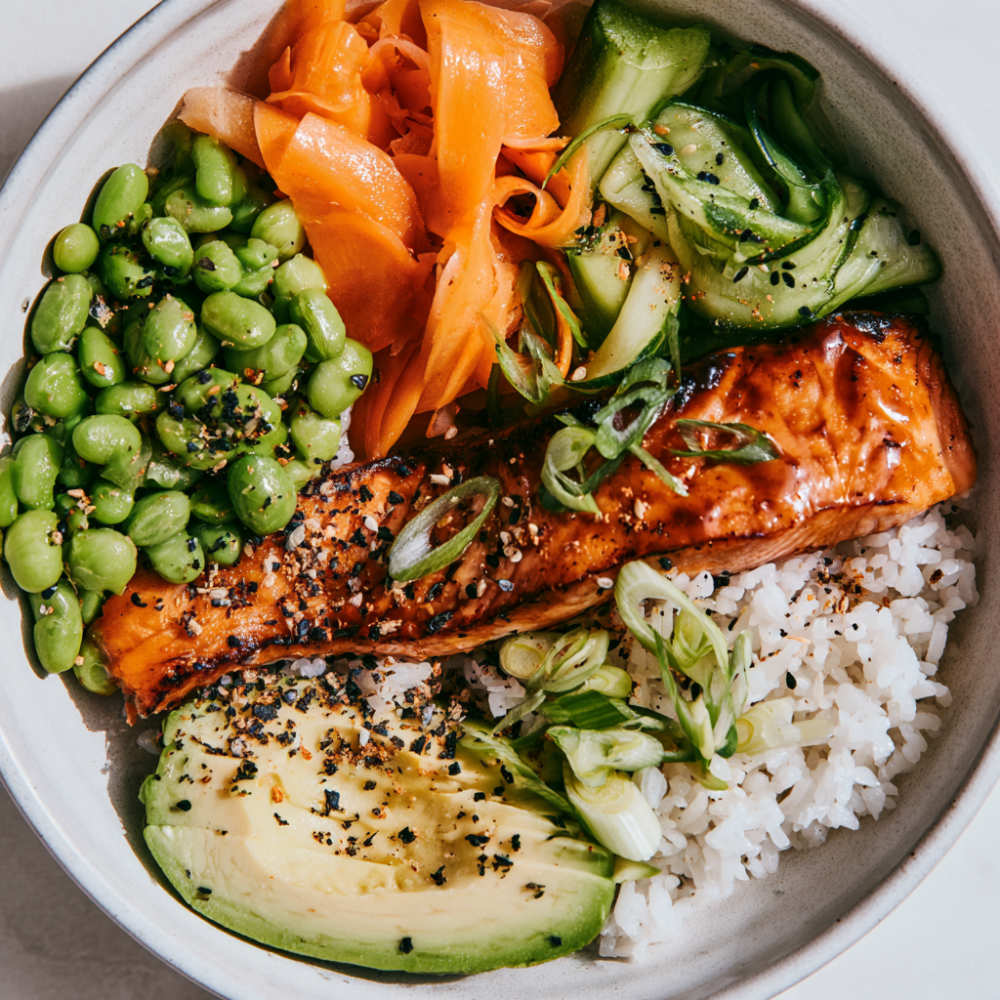
9. Miso Salmon Glow Bowls with Pickled Vegetables
About 35–38g protein per bowl | Serves 4 | 30 minutes
Tender salmon glazed with white miso, maple syrup, ginger, and rice vinegar is broiled until caramelized and glossy, then served over warm rice with edamame, quick-pickled carrots, crisp cucumber, creamy avocado, and furikake.
The combination of savory, sweet, tangy, creamy, and crunchy makes every bite different.
The miso glaze is the star here. It caramelizes under the broiler into something deeply savory and slightly sweet.
The quick-pickled carrots add tang and crunch, and the edamame contributes plant protein and texture.
This is the most photogenic bowl on the list — pink salmon, orange carrots, green edamame, white rice, and creamy avocado. It looks as good as it tastes.
Servings: 4
Prep Time: 15 minutes
Cook Time: 12–15 minutes
Total Time: About 30 minutes
Protein per Serving: About 35–38g
Nutrition note: Protein and calories vary by brand. Estimated per bowl: ~640 calories, 35–38g protein, ~58 g carbs, ~26 g fat. Calculate with your specific products for the most accurate numbers.
Ingredients
For the Quick-Pickled Carrots:
- 1 cup matchstick or very thinly sliced carrots
- ¼ cup rice vinegar
- ¼ cup water
- 1 tsp honey or sugar
- ¼ tsp kosher salt
For the Salmon:
- 4 salmon fillets, 5–6 oz each
- 2 tbsp white miso paste
- 1 tbsp maple syrup
- 1 tbsp rice vinegar
- 1 tsp low-sodium soy sauce
- 1 tsp toasted sesame oil
- 1 tsp fresh ginger, finely grated
- 1 small garlic clove, finely grated
For the Bowls:
- 3 cups cooked jasmine or sushi rice
- 1½ cups shelled edamame, cooked
- 1 English cucumber, thinly sliced
- 1 avocado, sliced
- 2 tbsp furikake
- 2 green onions, thinly sliced
Instructions
1. Quick-pickle the carrots.
Place the carrots in a small bowl or jar. Combine the rice vinegar, water, honey, and salt. Stir until the honey and salt dissolve. Pour over the carrots and let them stand for at least 15 minutes while you prepare the rest of the recipe. Drain before assembling the bowls.
2. Make the miso glaze.
In a small bowl, whisk together the miso, maple syrup, rice vinegar, soy sauce, sesame oil, ginger, and garlic until completely smooth. Set aside 2 tablespoons of the glaze for finishing the salmon after cooking.
3. Prepare the salmon.
Move an oven rack to the upper-middle position, not directly under the broiler. Line a baking sheet with foil and lightly grease it, or use a broiler-safe pan. Pat the salmon dry and place the fillets skin-side down. Brush the tops generously with the remaining miso glaze.
4. Broil the salmon.
Broil the salmon for about 6–10 minutes, depending on thickness, watching closely during the final few minutes. The glaze should become deeply golden and caramelized around the edges without burning. The thickest part of the salmon should reach 145°F for a fully cooked, firm center. If your fillets are particularly thick, move them farther from the broiler and allow a few additional minutes. Let the salmon rest for 2–3 minutes.
5. Assemble the bowls.
Divide the warm rice among four bowls. Arrange the edamame, pickled carrots, cucumber, and avocado around the rice. Place one salmon fillet in each bowl. Drizzle each fillet with a little reserved miso glaze, then sprinkle the bowls with furikake and green onions. Serve immediately.
Recipe Notes
For meal prep, store the salmon, rice, edamame, pickled carrots, cucumber, and avocado separately when possible. Add the avocado shortly before eating to keep it looking fresh.
For the best caramelization, pat the salmon dry before adding the glaze. Excess surface moisture makes it harder for the glaze to brown.
Don’t brush the salmon repeatedly during broiling. One generous coating is enough, and repeated brushing can disturb the caramelized surface.
If you prefer a less sweet glaze, reduce the maple syrup to 2 teaspoons.
You can make the quick-pickled carrots several days ahead and keep them refrigerated.
10. Kimchi Beef Rice Bowls
About 35–38g protein per bowl | Serves 4 | 30 minutes
Brown savory ground beef with garlic and ginger, then coat it in a glossy gochujang-soy sauce with a touch of honey.
Serve over warm jasmine rice with tangy kimchi, garlicky spinach, and a fried egg, then finish with sesame seeds and green onions.
The gochujang sauce is what makes this bowl. A combination of soy sauce, gochujang, honey, ginger, and garlic gives you a rounded Korean-inspired flavor without making the beef overly sweet.
The kimchi adds tang and crunch, and the fried egg becomes part of the sauce when you break the yolk.
Keep the kimchi cold or room temperature rather than cooking it into the beef. It gives the bowl a better contrast against the hot rice and beef.
Servings: 4
Prep Time: 10 minutes
Cook Time: 20 minutes
Total Time: About 30 minutes
Protein per Serving: About 35–38g
Nutrition note: Protein and calories vary by brand. Estimated per bowl: ~620 calories, 35–38g protein, ~52g carbs, ~24g fat. Calculate with your specific products for the most accurate numbers.
Ingredients
For the Beef:
- 1½ lbs 90% lean ground beef
- 1 tsp toasted sesame oil
- 3 cloves garlic, minced
- 1 tbsp fresh ginger, finely grated
- 3 tbsp low-sodium soy sauce
- 1½ tbsp gochujang
- 1 tbsp honey
- 2 tbsp water
- 4 green onions, thinly sliced, white and green parts separated
For the Spinach:
- 5 oz baby spinach
- 1 tsp toasted sesame oil
- 1 small garlic clove, minced
- Pinch of salt
For the Bowls:
- 3 cups cooked jasmine rice
- 1½ cups kimchi, roughly chopped if pieces are large
- 4 large eggs
- 1 tbsp toasted sesame seeds
- Sriracha, optional
Instructions
1. Brown the beef.
Heat a large skillet over medium-high heat. Add the ground beef and cook for 6–8 minutes, breaking it into small crumbles, until deeply browned and no longer pink. If the skillet has a lot of rendered fat, carefully drain most of it, leaving about 1 tablespoon for flavor.
2. Add the aromatics.
Add the garlic and ginger to the beef. Cook for about 30 seconds, stirring constantly, until fragrant.
3. Make the gochujang sauce.
In a small bowl, stir together the soy sauce, gochujang, honey, and water. Pour the mixture into the skillet and stir well to coat the beef. Cook for 2–3 minutes, stirring frequently, until the sauce thickens slightly and clings to the beef. Stir in the white parts of the green onions. Remove from the heat.
4. Sauté the spinach.
While the beef cooks, heat 1 teaspoon sesame oil in a separate skillet over medium heat. Add the garlic and cook for about 15 seconds. Add the spinach and a pinch of salt. Toss for 1–2 minutes, just until the spinach is wilted and still bright green. Remove from the heat.
5. Fry the eggs.
Cook the eggs in a lightly greased skillet until the whites are set and the yolks are cooked to your preference. For bowls, eggs with set whites and slightly runny yolks work particularly well because the yolk becomes part of the sauce.
6. Assemble the bowls.
Divide the warm rice among four bowls. Top each with one-quarter of the beef, kimchi, sautéed spinach, and a fried egg. Sprinkle with sesame seeds and the green parts of the green onions. Add sriracha if desired. Serve immediately.
Recipe Notes
To preserve the texture and live cultures of the kimchi, add it after reheating the beef and rice rather than cooking it into the dish.
Choose kimchi you actually enjoy on its own, since it provides much of the bowl’s flavor.
For a milder bowl, use 1 tablespoon gochujang. For more heat, increase it to 2 tablespoons.
If your kimchi is particularly salty, reduce the soy sauce to 2½ tablespoons.
For meal prep, store the beef, rice, spinach, and kimchi separately in the refrigerator for up to 4 days. Cook the eggs fresh when serving for the best texture.
11. Crispy Tofu & Peanut Sesame Quinoa Crunch Bowls
About 30–33g protein per bowl | Serves 4 | 30 minutes | Vegan & Gluten-Free
This quinoa bowl actually works for meal prep.
Extra-crispy baked tofu over fluffy sesame quinoa with shredded purple cabbage, edamame, shredded carrots, green onions, and peanuts, finished with a creamy peanut-ginger dressing.
It’s fully plant-based, gluten-free, and one of the most satisfying vegan bowls you can make.
The tofu is the star, and it’s crispy thanks to two techniques: oil first, then cornstarch, then baking on a preheated sheet pan.
That’s what gives each cube a thin, brittle crust that stays crisp even after a day in the refrigerator. Cook the quinoa in vegetable broth and finish with sesame oil, tamari, and rice vinegar so it tastes seasoned on its own.
About 30–33 grams of plant protein per bowl from the tofu, quinoa, edamame, and peanut butter.
The full recipe lives here: Crispy Tofu & Peanut Sesame Quinoa Crunch Bowls: High-Protein Meal Prep
12. High-Protein Crockpot Chicken Fajita Bowls
About 59g protein per bowl | Serves 4 | 7 hours on LOW
This meal prep bowl solves the “everyone wants something different” problem. In the morning, add chicken breasts, bell peppers, onions, diced tomatoes, green chiles, and a smoky spice blend to the slow cooker.
By dinnertime, the chicken is tender and shreddable, and everyone builds their own bowl with rice and their favorite toppings.
The crockpot method is what makes this the easiest bowl on the list. Ten minutes of prep in the morning, and dinner is ready when you walk in the door.
It’s also meal-prep friendly — portion it into containers with rice, and lunch is handled for days.
At 59 grams of protein per serving, this is the highest-protein chicken bowl on the list, and it’s also the most versatile. Set out shredded cheese, avocado, lime wedges, cilantro, and sour cream, and let everyone customize.
The full recipe lives here: High-Protein Crockpot Chicken Fajita Bowls for Easy Meal Prep
Tips for the Best Healthy Dinner Bowls
For a healthy, aesthetic dinner bowl, the miso glow bowl and the crispy tofu bowl are the most photogenic.
Store components separately. A dressed bowl is good for six hours; components stored separately are good for four days.
Cool everything completely before it goes in the container. Warm food creates steam, and steam makes rice soggy.
Cook grains in broth instead of water. It’s a small upgrade with a real flavor payoff.
Salt the grain base. A pinch of salt in the rice or quinoa makes a noticeable difference.
Roast vegetables at high heat (425°F), so they caramelize and release less water.
Pat beans, chickpeas, and corn dry before they go in the container.
Keep sauces in small jars. Thin them with a splash of water or broth before using.
Add fresh garnishes (herbs, avocado, crunchy toppings) the morning you’re eating.
Use a mix of textures. Creamy + crunchy + chewy + fresh is what makes a bowl satisfying.
Balance the six elements: grain, protein, vegetable, creamy, crunchy, acid.
Keep it under 5 days. Bowls are best on days 2–4.
Rotate your containers so you’re eating the oldest ones first.
For a healthy, low-calorie dinner bowl, swap rice for cauliflower rice or massaged kale.
For a healthy, low-carb dinner bowl, skip the grain entirely and double the vegetables.
For a healthy vegetarian dinner bowl, choose the chickpea quinoa bowl, the Thai coconut curry lentil bowl, or the crispy tofu quinoa bowl.
For a healthy dinner bowl with ground beef, the bulgogi bowl and kimchi beef bowl are the two best options.
Storage and Food Safety
Refrigerator: Store components separately in airtight containers for up to 4 days. Add fresh garnishes (herbs, avocado, crunchy toppings) the day you’re eating.
Freezer: Cooked proteins and roasted vegetables freeze well for up to 3 months. Cooked rice freezes well if you cool it completely first. Don’t freeze fresh greens, avocado, or creamy dressings.
Reheating: Reheat proteins and grains gently in a skillet or microwave. Serve warm over cool greens for contrast.
Food safety: Cook chicken to 165°F, salmon to 145°F, ground beef to 160°F. Refrigerate leftovers within 2 hours. Reheat leftovers to 165°F.
Frequently Asked Questions
How long do healthy dinner bowls last in the refrigerator?
3–4 days for most components. Cooked rice is best within 4 days per USDA guidance. Fresh garnishes and dressings should be added the day you’re eating.
Why did my bowl turn out soggy?
You stored the components together, or you didn’t cool everything before it went in the container. Store the sauce, dressing, and any wet ingredients separately.
Can I freeze these bowls?
Cooked proteins, roasted vegetables, and cooked rice all freeze well for up to 3 months. Don’t freeze fresh greens, avocado, or creamy dressings. Assemble fresh after thawing.
Which of these bowls are vegetarian?
The Mediterranean Chickpea & Quinoa Bowl, the Thai Coconut Curry Lentil Bowl, and the Crispy Tofu & Peanut Sesame Quinoa Crunch Bowl are all vegetarian. You can also make the chickpea bowl and the tofu bowl fully vegan.
Which of these are the highest in protein?
The Buffalo Chicken Meal Prep Bowl (60–63g), the Crockpot Chicken Fajita Bowl (59g), the Teriyaki Salmon Bowl (38–42g), the Greek Chicken Bowl (38–42g), and the Southwest Chicken Salad Bowl (38–42g).
Can I make these bowls in advance for the whole week?
Yes. Most components hold for 4 days. Make 4–5 bowls on Sunday and rotate through them Monday through Thursday.
What’s the best grain for meal prep bowls?
Rice, quinoa, and farro all hold up for days. Cauliflower rice is a lower-carb option but releases more water.
What’s the best sauce for meal prep bowls?
Cilantro-lime, tahini, tzatziki, teriyaki, buffalo, gochujang, and peanut-ginger are all on this list. The tahini, tzatziki, and peanut-ginger dressings thicken in the refrigerator — thin them with warm water or lemon juice before serving.
Can I eat these bowls cold?
Yes. Several of them — the salmon bowl, chickpea bowl, Greek chicken bowl, and tofu bowl — are excellent cold.
Can I double any of these recipes?
Yes. Double all ingredients and portion into 8 containers.