Japanese cooking has a logic I find endlessly satisfying. A lot of the dishes you know — teriyaki, sukiyaki, nimono, yakitori glaze — are built on the same handful of seasonings: soy sauce, sake, mirin, and sugar.
The proportions change from dish to dish, but the ingredients stay the same, and the savory-sweet balance depends on the ratio.
Teriyaki is the clearest example. The classic ratio is 2:2:2:1 — soy sauce, mirin, sake, and sugar — and that’s it.
Four ingredients, no cornstarch, no bottled thickener, no “teriyaki seasoning” packet.
When you simmer them together, the alcohol cooks off, the sugar dissolves, and the whole thing reduces into a glossy syrup that coats the back of a spoon.
That reduction is what makes teriyaki taste like teriyaki, and many bottled sauces skip this step.
This version makes about a cup and a half, enough to fill a pint mason jar with a little room to spare and keep in the fridge for three weeks.
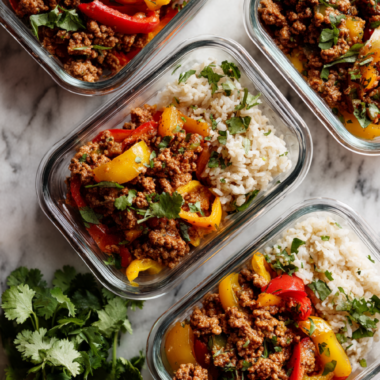
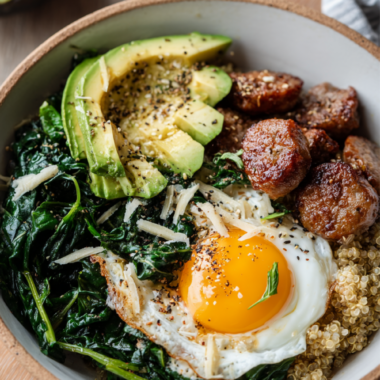
Use it as a marinade, a glaze for chicken or salmon, a finishing sauce for stir-fries and noodles, or a drizzle over rice bowls.
Once you make it, you’ll wonder why you ever bought it.
Why This Recipe Works
The 2:2:2:1 ratio balances the sauce. Equal parts soy sauce, mirin, and sake, with half as much sugar, gives you a sauce that’s savory, slightly sweet, and bright from the alcohol. Change the ratio and the balance shifts — more soy and it’s salty, more sugar and it’s syrupy, less sake and it loses the depth that the fermentation brings.
Mirin and sake aren’t interchangeable; you need both. Mirin is a sweet rice wine with higher sugar content, and it adds sweetness and a glossy body. Sake is drier and brings acidity and umami from the fermentation. Substituting one for the other can make the sauce too sweet or too sharp.
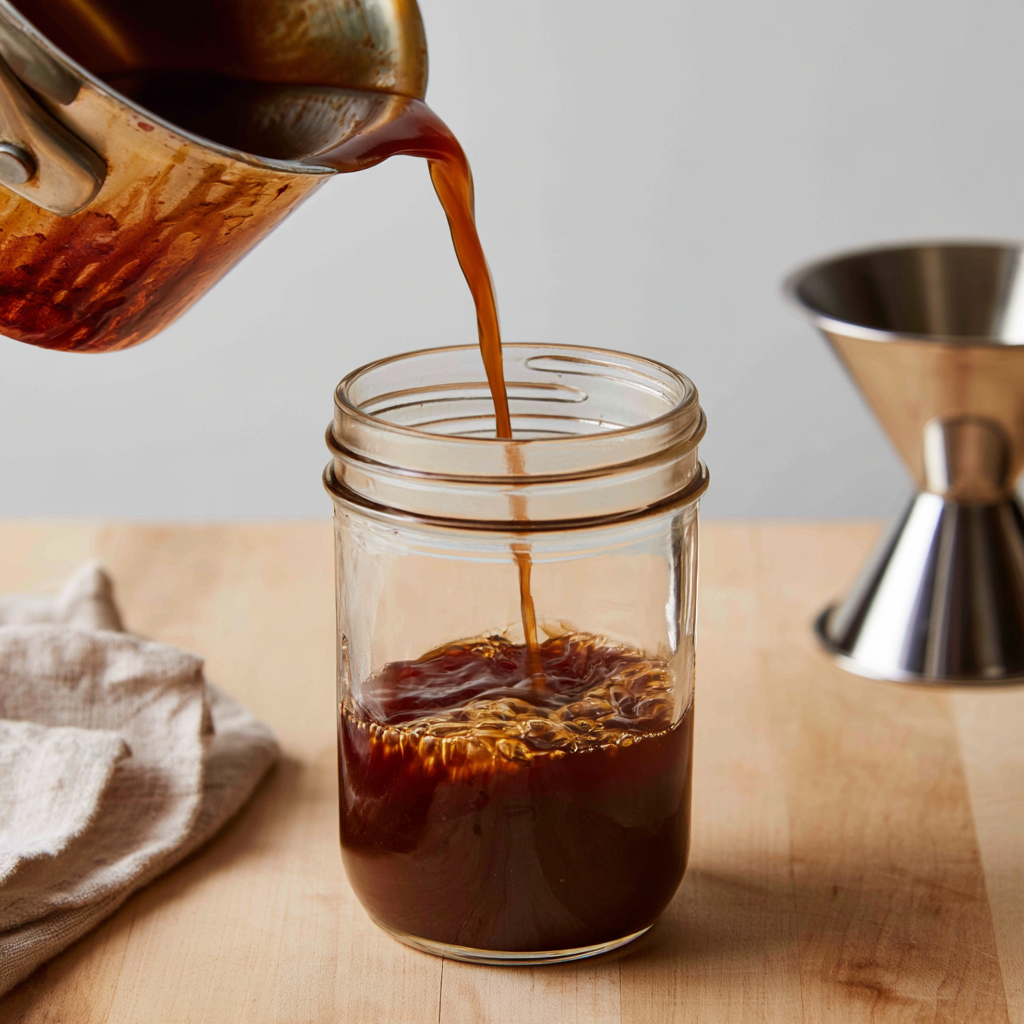
Reducing by about 40% is what turns the liquid into a glaze. The sauce starts thin, and simmering evaporates the alcohol while concentrating the sugars and soy. The finished sauce should coat the back of a spoon and drizzle in a thin stream — if it’s still watery, it needs more time.
No cornstarch, no thickeners. Many homemade teriyaki recipes add cornstarch to thicken the sauce quickly. The reduction method takes a few minutes longer and gives you a natural, glossy glaze that doesn’t turn gluey as it cools.
The optional garlic and ginger are there for depth, not for a different sauce. A smashed garlic clove and a thin slice of ginger steep in the sauce as it simmers and get strained out at the end. They add a subtle aromatic note without turning this into a completely different sauce.
A sterilized mason jar helps it last three weeks. Store the sauce in a clean, sealed jar in the refrigerator for up to three weeks. Sterilize the jar with hot water, then let it dry completely before adding the sauce.
Ingredients That Matter
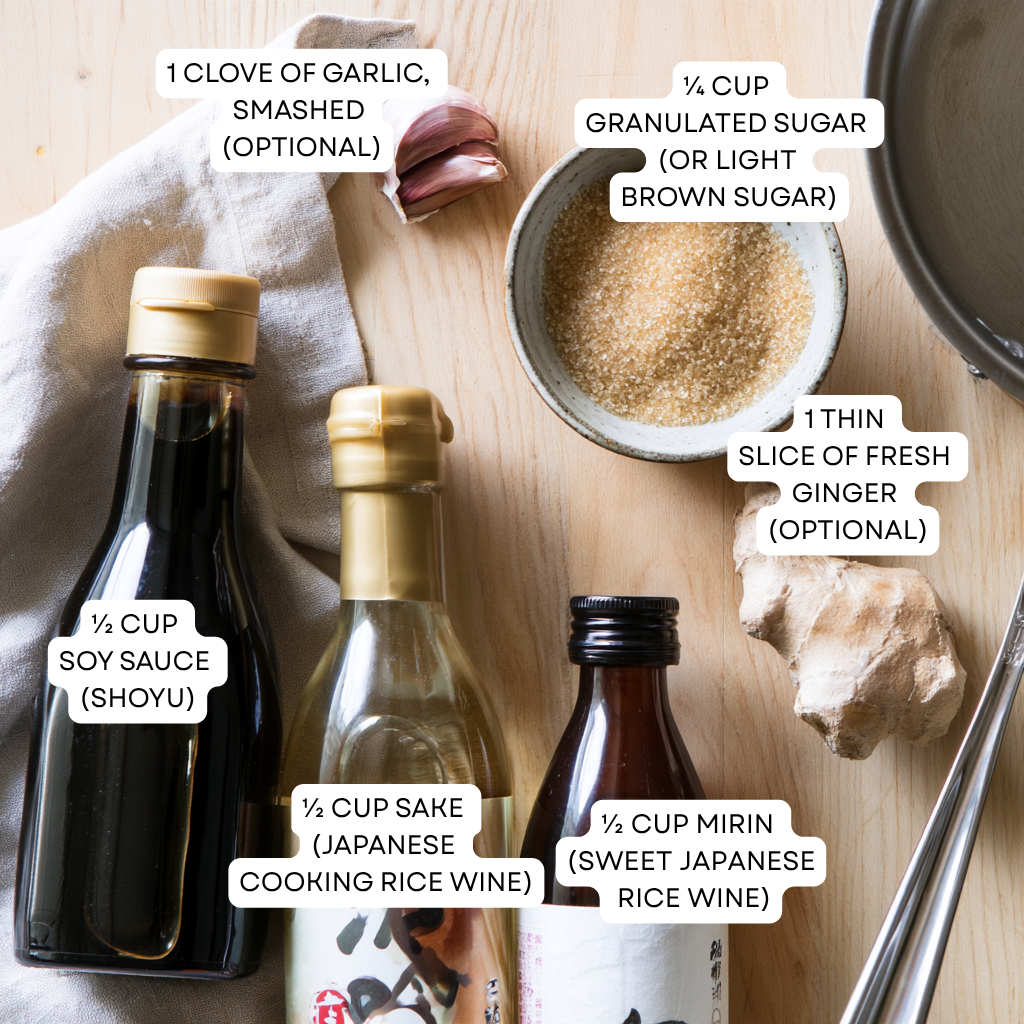
Most of this list is flexible. Three ingredients are easy to get wrong, so those are the ones worth explaining.
Soy sauce (shoyu). This is the savory base and the salt. Use a Japanese soy sauce like Kikkoman for the most authentic flavor. Low-sodium soy sauce works, but you’ll want to taste and adjust — the sauce will be less salty and slightly thinner.
Mirin. Sweet Japanese rice wine, not “mirin seasoning” or “aji-mirin,” which are sweetened syrups with less alcohol and less flavor. Real mirin adds sweetness and a glossy body that nothing else can replicate.
Sake. Japanese rice wine that gives the sauce depth. If you don’t want to cook with alcohol, substitute an equal amount of water plus a teaspoon of rice vinegar, but the flavor will be less complex.
How to Make It
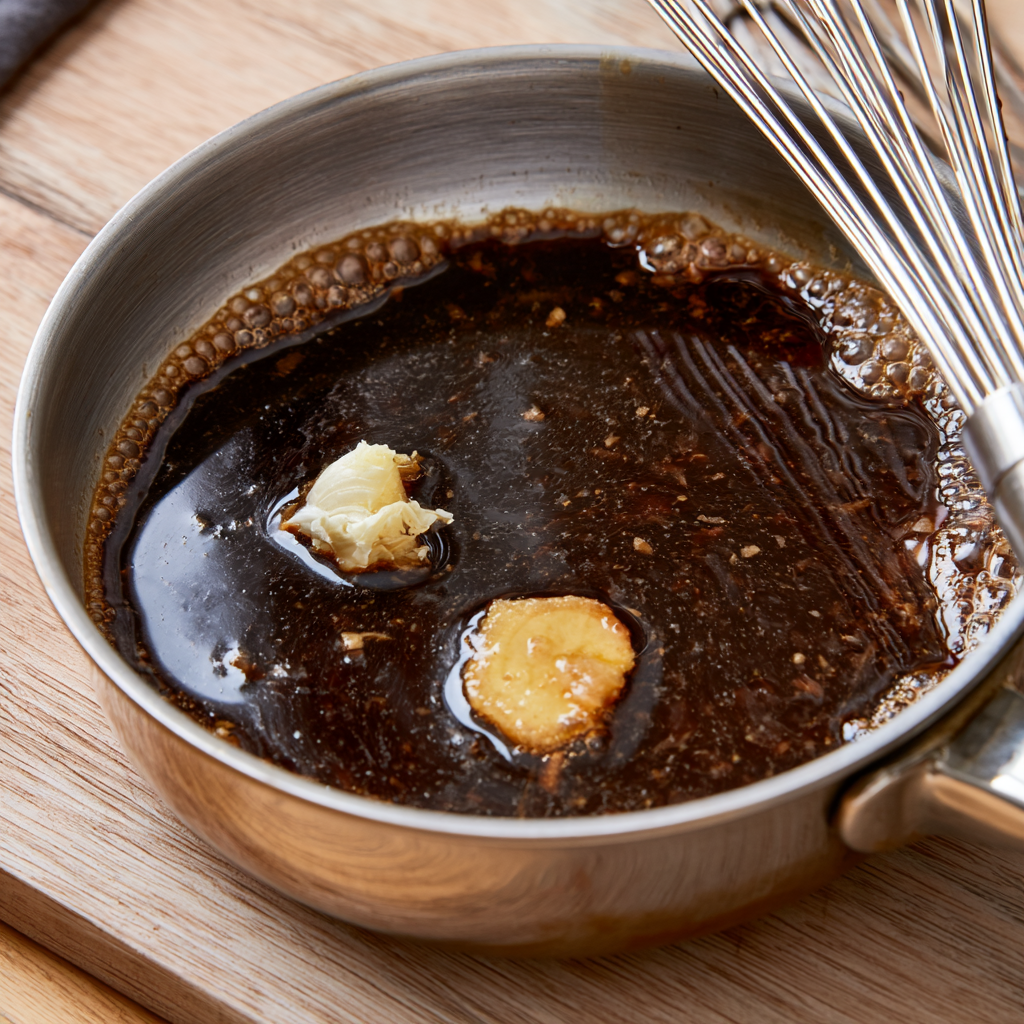
Step 1: Combine the ingredients.
In a small saucepan, combine ½ cup soy sauce, ½ cup mirin, ½ cup sake, and ¼ cup granulated or light brown sugar. Add 1 smashed garlic clove and 1 thin slice of fresh ginger if using. The sugar should be visible at the bottom of the pan before it dissolves.
Step 2: Dissolve the sugar.
Place the saucepan over medium-high heat and whisk continuously until the sugar completely dissolves and the mixture comes to a gentle boil.
Step 3: Simmer and reduce.
Reduce the heat to medium-low and simmer uncovered for 6 to 8 minutes, stirring occasionally, until the alcohol evaporates and the sauce reduces by about 40%. The finished sauce should coat the back of a spoon and drizzle in a thin stream.
Step 4: Strain and cool.
Remove from the heat, discard the garlic and ginger, and let the sauce cool completely. It will thicken slightly as it cools.
Step 5: Store.
Pour into a sterilized glass mason jar, seal, and store. Store in the refrigerator for up to 3 weeks.
Tips and Troubleshooting
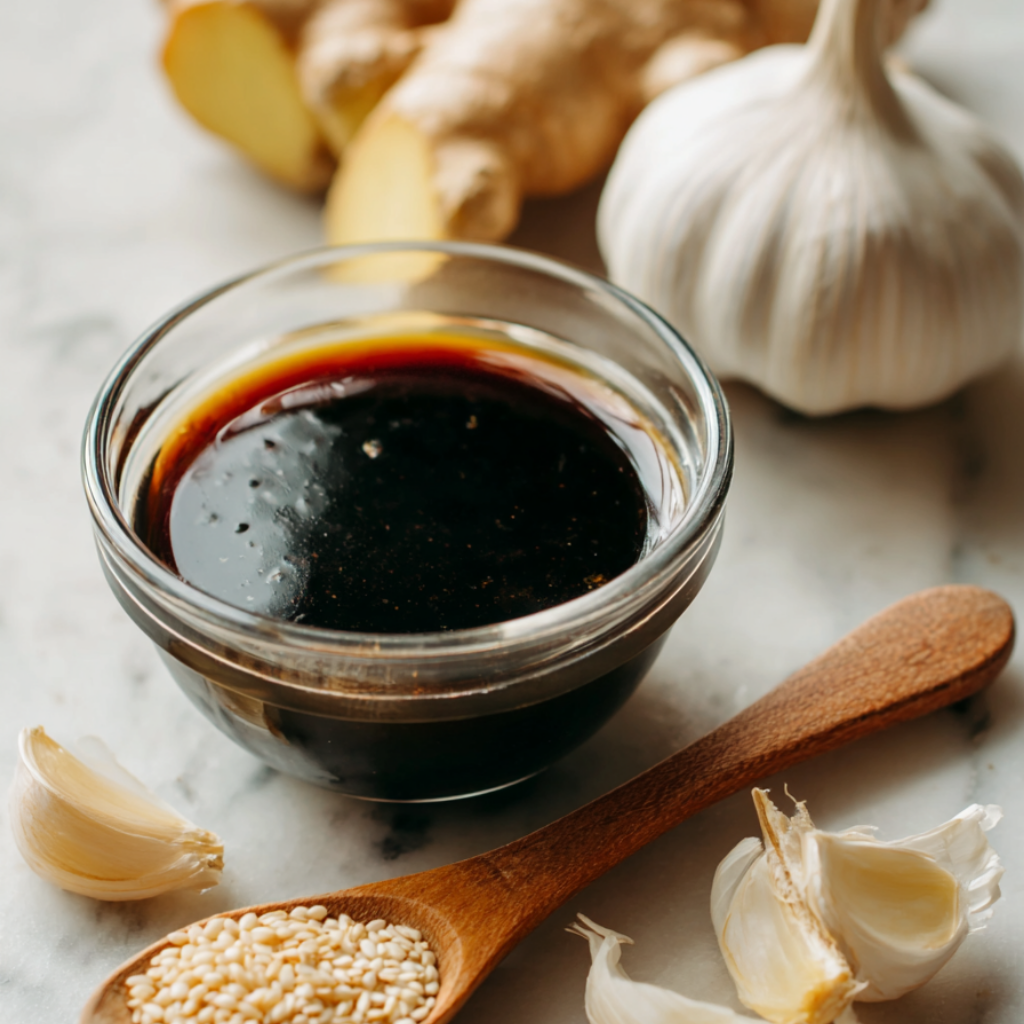
The sauce is too thin. It wasn’t reduced enough. Simmer for another 2 to 3 minutes and check the consistency again.
The sauce is too thick or syrupy. It reduced too far. Whisk in a tablespoon of water at a time until it loosens.
The sauce tastes too salty. You used regular soy sauce instead of low-sodium, or you reduced it too far. Use low-sodium soy sauce next time and taste before reducing past 40%.
The sauce tastes too sweet. The mirin or sugar was too high. Reduce the sugar to 3 tablespoons and taste.
The sauce crystallized in the jar. The sugar wasn’t fully dissolved before you put the sauce in the jar. Whisk continuously until the sugar fully dissolves before taking the sauce off the heat.
The sauce tastes flat. It needs the sake. If you substituted water, add a teaspoon of rice vinegar to restore some acidity.
The jar cracked. It was cold when you added the hot sauce, or it wasn’t tempered. Let the sauce cool to room temperature before pouring it into the jar.
Storage and Make-Ahead
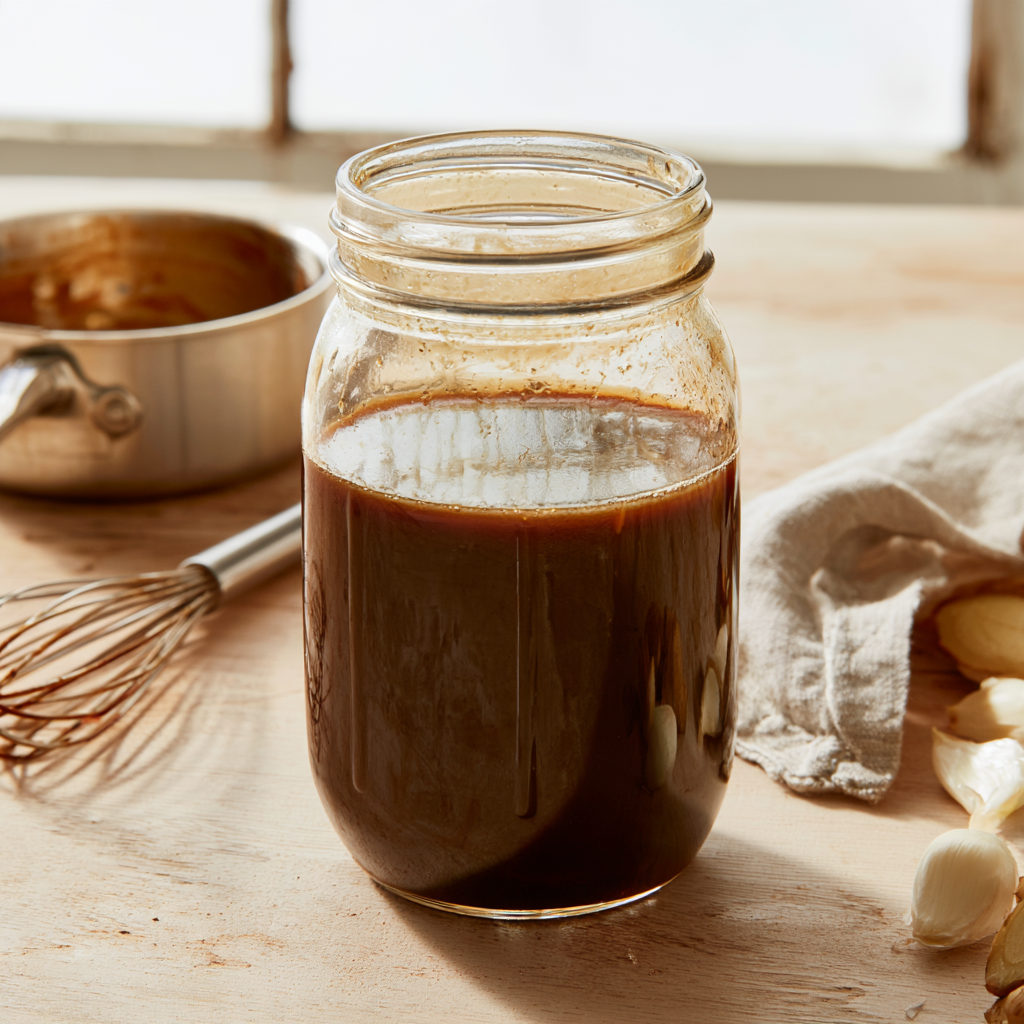
Store the sauce in a sterilized, sealed mason jar in the refrigerator for up to 3 weeks. It does not need to be frozen, and freezing changes the texture of the reduction.
You can make the sauce in a double or triple batch and store it in multiple jars. It’s a good one to have on hand for quick weeknight dinners — a spoonful over chicken, salmon, noodles, or rice is a meal in minutes.
I don’t recommend canning this sauce for shelf-stable storage unless you use a tested recipe. It’s a refrigerator sauce.
Store leftovers in the refrigerator within 2 hours of cooking, and discard anything left at room temperature for more than 2 hours.
FAQ
Can I make this without sake?
Yes. Substitute an equal amount of water plus 1 teaspoon of rice vinegar. The sauce will be slightly less complex but still good.
Can I make this without mirin?
Mirin is harder to substitute. Use ½ cup dry white wine plus 2 tablespoons sugar, or ½ cup rice vinegar plus 3 tablespoons sugar. Neither is exact, but both work in a pinch.
Can I make a keto version?
Yes. Use a keto-friendly soy sauce or coconut aminos and replace the sugar with a granulated keto sweetener. The reduction will still work, but the glaze may be slightly thinner.
Is this a 3-ingredient teriyaki sauce?
No. Three-ingredient versions usually skip the sake, which is what gives the sauce its depth. This is the 4-ingredient version, and it’s worth the extra bottle.
How long does it last?
Up to 3 weeks in a sterilized, sealed jar in the refrigerator.
Can I use this as a marinade?
Yes. It’s excellent for marinating chicken, salmon, or steak. Marinate for at least 30 minutes and up to 4 hours, then grill or sear.
More Meal Prep Ideas for the Week You’ll Love
- Homemade Stir Fry Sauce Recipe — 5 Minutes, Better Than Takeout
- Homemade Bang Bang Sauce — Better Than Takeout, Ready in 5 Minutes
- Meatloaf Sauce Recipe — The 5-Minute Glaze That Makes the Loaf
Closing
Make this homemade teriyaki sauce once, and you’ll have a jar in the fridge that turns a plain piece of chicken or a bowl of rice into dinner.
The technique in the recipe card — the 2:2:2:1 ratio, the gentle simmer, and the 40% reduction — is what gives you a glossy glaze without cornstarch or a bottle.
This is a handy sauce for a quick meal with veggies and your choice of protein.