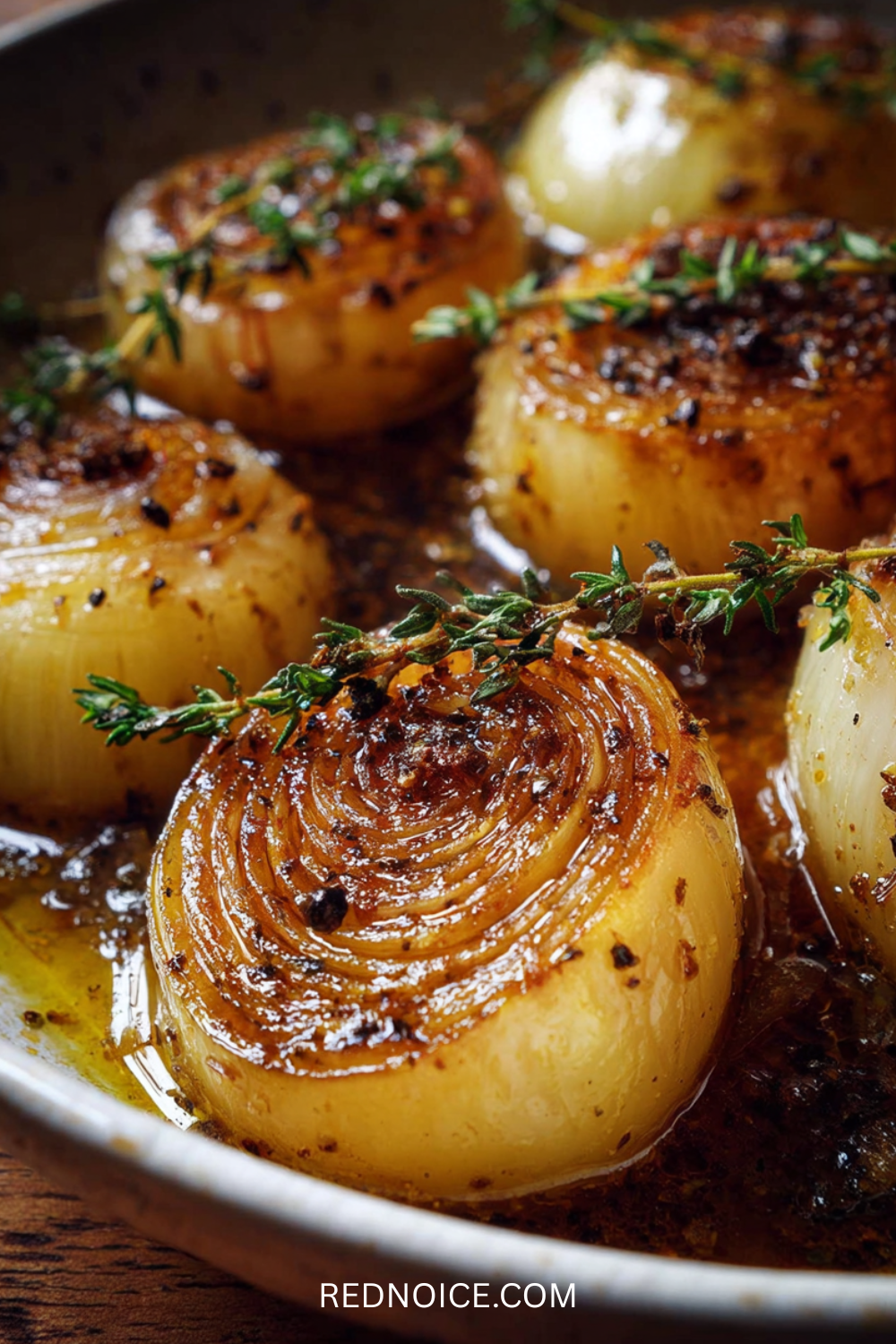

This humble dish has quickly taken over kitchens. The onion boil recipe goes beyond a trend—it’s a revelation in simple, transformative cooking.
Imagine whole onions, slow-simmered in a bath of aromatic broth and butter until they become impossibly tender, sweet, and deeply savory.
This technique opens the door to easy family dinners, offering a stunning side or a satisfying vegetarian main with little effort.
If you want reliable supper ideas or wonder how to recreate the viral onion boil, this guide is your roadmap.
Learning onion boil pays off. We cover both the classic stovetop method and bold variations, like Cajun onion boil and a quick air-fryer finish.
This method proves that the most impressive healthy food dishes often start with just one perfect ingredient.
Why You’ll Love This Onion Boil Recipe (And Why It’s Worth Saving)
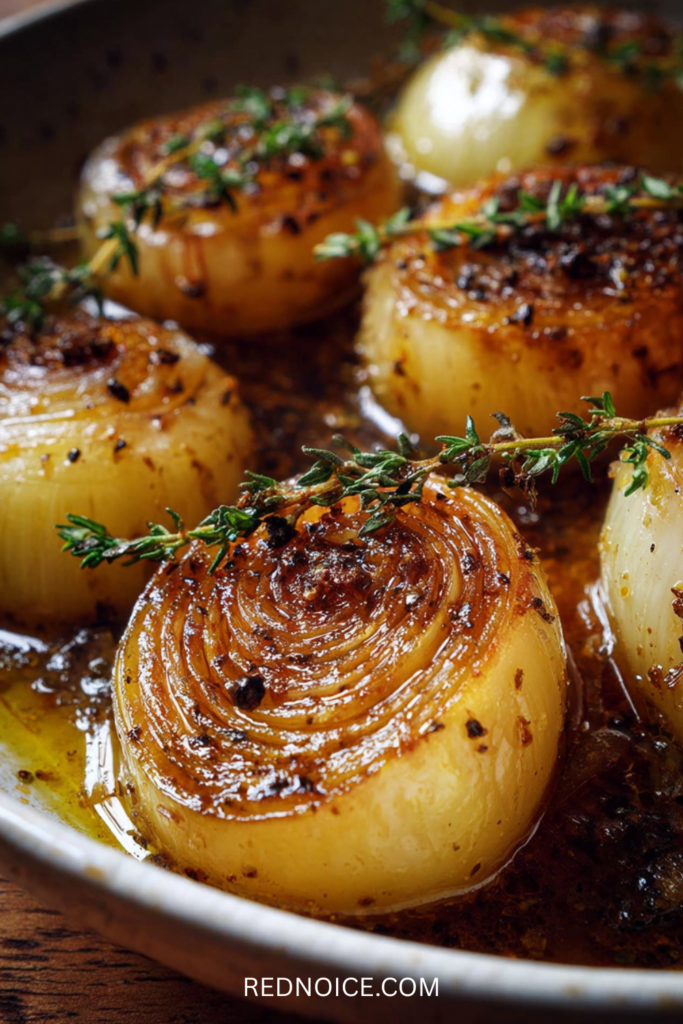
This method stands out in a sea of easy food recipes for its sheer practicality and stunning results.
It’s the kind of technique you’ll return to repeatedly because it consistently delivers restaurant-quality flavor with mostly passive cooking. Here’s exactly what makes it a keeper:
- Unbeatable Depth of Flavor: The process transforms simple boiled onions into something extraordinary. Slow cooking in seasoned liquid allows herbs and spices to penetrate to the very core, creating a complex taste in every bite.
- The Ultimate Versatile Component: A batch can anchor a meal in multiple ways. Serve them whole as a centerpiece, slice them over roasted meat, chop them into soups, or mash them into a luxurious side. They’re perfect as a side dish for a seafood boil.
- Minimal Effort, Maximum Reward: Once your ingredients are in the pot, the oven or stovetop does the heavy lifting. This makes it ideal for lazy dinners or busy nights when you need easy yet impressive dinner ideas.
- A platter of glossy, whole onions is naturally beautiful and signals a thoughtful, homemade meal.
- This dish reheats well and often gets better after a day in the fridge. Cook once and enjoy these easy recipes all week.
The Ultimate Onion Boil Recipe
Onion Boil Recipe
The humble onion, elevated. Braised in white wine, butter, and fresh thyme, this Easy Onion Boil is the savory, nutrient-dense side dish you didn't know you needed.
- 4 large yellow or white onions (about 2-3 inches in diameter, 8-10 oz each)
- 3 tablespoons unsalted butter
- 4 cloves garlic (smashed and peeled)
- 3 cups low-sodium chicken or vegetable broth
- 1 cup dry white wine (such as Sauvignon Blanc or additional broth)
- 4-5 sprigs fresh thyme
- 2 bay leaves
- 1 teaspoon kosher salt
- ½ teaspoon freshly ground black pepper
- For serving (optional: Fresh parsley or chives, chopped; crusty bread; flaky sea salt)
- 1. Prepare the Onions: Peel the onions, leaving the root end completely intact. This "handle" is crucial for keeping them together. Using a sharp paring knife, cut a shallow "X" (about ½-inch deep) into the root end of each onion. This allows the flavorful broth to seep into the center.
- 2. Build the Flavor Base: In a large Dutch oven or heavy-bottomed pot with a tight-fitting lid, melt the butter over medium heat. Add the smashed garlic cloves and cook for about 1 minute, until fragrant but not browned.
- 3. Simmer the Onions: Carefully pour in the broth and wine. Add the thyme sprigs, bay leaves, kosher salt, and pepper. Bring the liquid to a gentle simmer.
- Gently place the prepared onions into the pot, root-side down. The liquid should come about halfway up the sides of the onions. If needed, add a splash more broth or water.
- Reduce the heat to low, cover the pot, and simmer the onions gently for 45 to 55 minutes. Avoid lifting the lid frequently to maintain a steady temperature.
- 4. Check for Doneness: The onions are ready when they are completely tender all the way through. Test by inserting a paring knife or skewer into the center of the largest onion—it should slide in with no resistance.
- 5. Reduce the Sauce (Optional but Recommended): Using a slotted spoon, carefully transfer the cooked onions to a serving platter and tent loosely with foil to keep warm.
- Increase the heat under the pot to medium-high. Let the cooking liquid boil, uncovered, for 8-12 minutes, until it has reduced by about half and has a lightly syrupy consistency.
- 6. Serve: Pour the reduced sauce over the warm onions on a serving platter. To serve as a main dish, place each onion in a shallow bowl with the sauce, then pair it with polenta, mashed potatoes, or bread. For a side, slice or chop the onions to accompany meats, seafood, or vegetables. Garnish with chopped fresh herbs and a pinch of flaky sea salt if desired. Serve immediately with crusty bread to soak up the incredible sauce.
Understanding the Core Technique: How to Make an Onion Boil
At its heart, mastering how to make an onion boil is about gentle, moist heat. Unlike high-heat roasting, boiling, or braising, whole onions cook evenly throughout, resulting in a uniform, tender texture that melts in your mouth.
The key is a well-seasoned cooking liquid that serves as a flavor-infuser. As the onions cook, they release natural sugars into the pot, which mingle with broth, herbs, and spices.
This rich liquid then gets reabsorbed, creating seasoned onions that are flavorful from the inside out. It’s a foolproof method for achieving perfect results in the boiled onion recipe every time.
Flavor Variations: Ways to Make This Recipe Your Own
The basic onion boil recipe is a wonderful canvas. Use these ideas to create new whole onion recipes tailored to any occasion.
- The Spicy Cajun Onion Boil: For a true Cajun onion boil, add 2 tablespoons of Cajun seasoning, a halved lemon, and hot sauce to the pot. Add halved baby potatoes and smoked sausage during the last 20 minutes for a hearty meal.
- The “Air Fryer Crisp” Finish: Love caramelized edges? After simmering until just tender, transfer onions to an air fryer basket. Brush with oil and air fry at 400°F for 8-12 minutes until golden—a perfect onion boil air fryer hybrid method.
- The “Egg and Onion Boil” Addition: Inspired by egg-and-onion boil ideas, add 4-6 room-temperature eggs to the pot during the last 10 minutes of simmering for a complete, protein-packed meal.
- The Rich “Steakhouse” Style: Use beef broth as your base. Add Worcestershire sauce and rosemary sprigs. These make an incredible side for roasted meat.
- The Oven-Baked Alternative: For hands-off cooking similar to baked onions, place onions in a baking dish with hot seasoned broth. Cover with foil and bake at 375°F for 1 to 1.5 hours until tender.
How to Serve Your Onion Boil: From Simple to Spectacular
Knowing how to make an onion boil is only half the fun. Here are dinner ideas easy enough for weeknights yet impressive enough for guests.
- As a Stunning Vegetarian Main: Place one or two whole onions in a shallow bowl with reduced cooking liquid. Add creamy polenta or mashed potatoes. Drizzle with olive oil and fresh herbs for a satisfying, delicious snack that turns into a meal.
- The Perfect Partner for Proteins: These are ideal alongside simple roasted meat like chicken or pork chops, with pan-seared fish, or as part of a seafood dish recipe spread.
- Chopped and Incorporated: Once cooled, chop the onions to elevate other dishes. Stir them into pasta sauces, soups, or casseroles for instant flavor. They make fantastic side dishes for seafood boils.
- For lazy dinners, pair a halved onion with bread, cheese, and cured meats for an elegant, customizable board.
Expert Tips, Storage, and Common Questions
Pro Tips for Success:
- Onion Choice Matters: Yellow onions are standard for balanced flavor. For better results (a perfect white boiled onion), use Vidalias or other sweet onions. Red onions work but may tint your broth.
- Gentle Simmer is Key: A low, gentle simmer prevents onions from falling apart. Avoid rolling boils.
- Check for Doneness: Use a knife or skewer. It should meet no resistance in the very center.
How to Store and Reheat:
Let onions and broth cool completely. Store together in an airtight container in the refrigerator for up to 4 days. Reheat gently in a saucepan with a splash of broth to maintain moisture. The flavor often deepens overnight.
Frequently Asked Questions:
Can I make this in a slow cooker?
Absolutely. It’s the ultimate set-it-and-forget-it method. Combine all ingredients in the slow cooker. Cook on LOW for 6-8 hours or HIGH for 3-4 hours until tender.
What’s the difference between boiled and baked onions?
While both are whole onion recipes, boiling cooks onions in liquid for a juicier, more uniformly tender texture. Baked onions, or oven-baked onion recipes, use dry heat, leading to more exterior caramelization.
My cooking liquid is very watery. What can I do?
After removing onions, simmer the liquid uncovered over medium-high heat for 10-15 minutes. It will reduce into a flavorful, slightly syrupy sauce.
Can I add other vegetables?
Yes! Add carrots or potatoes at the beginning. Add green beans or zucchini during the last 10-15 minutes to build a complete boiled food meal.
Mastering this onion boil recipe is about embracing a simpler, more flavorful approach to cooking. It turns a basic pantry staple into the star of the show, providing a reliable path to meals that feel special without being complicated.
This guide offers the foundation, variations, and inspiration you need to make this technique your own. Whether you’re seeking the comfort of buttered onions on a chilly night, the boldness of a Cajun onion boil, or just a dependable, easy-cooking recipe, this method delivers.
Keep this resource handy—it’s the kind of practical, evergreen knowledge that makes home cooking consistently rewarding. The techniques here will serve you for years, proving that sometimes the most impressive meals come from the simplest beginnings.