
You know the Friday feeling. The week has been long, nobody wants to cook, and the easiest move is to pile into the car and go out for Italian — garlic bread, a glass of wine, a bowl of shrimp scampi, and a bill you look at twice on Sunday.
Here is the thing about shrimp scampi. It has a reputation as a restaurant dish, the kind of plate you order because you cannot make it at home.
That reputation is bad. It is garlic, butter, wine, and lemon, and it comes together in the time it takes to boil linguine. Make it properly once and going out for it stops making sense.
And it is a plate you can feel good about on a weeknight. Rich and garlicky and buttery, but with a brightness from the lemon and parsley that keeps it from sitting heavy.
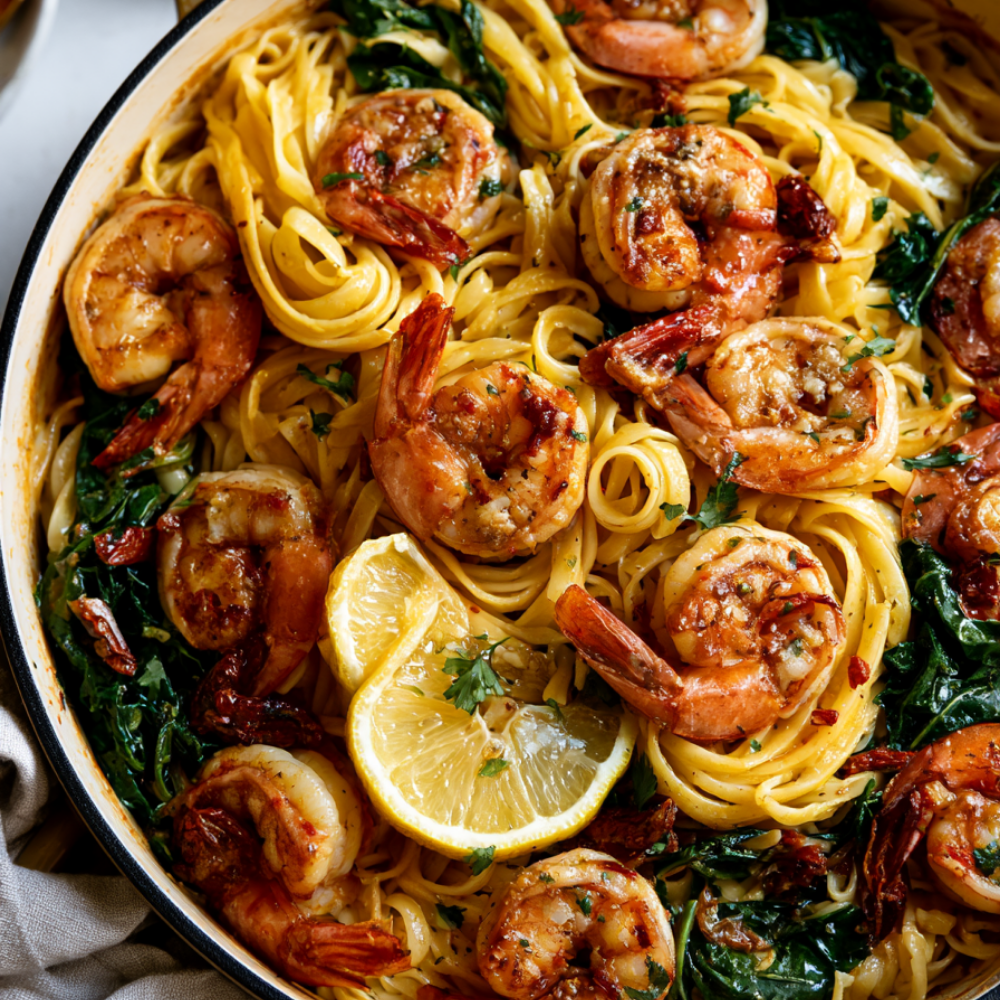
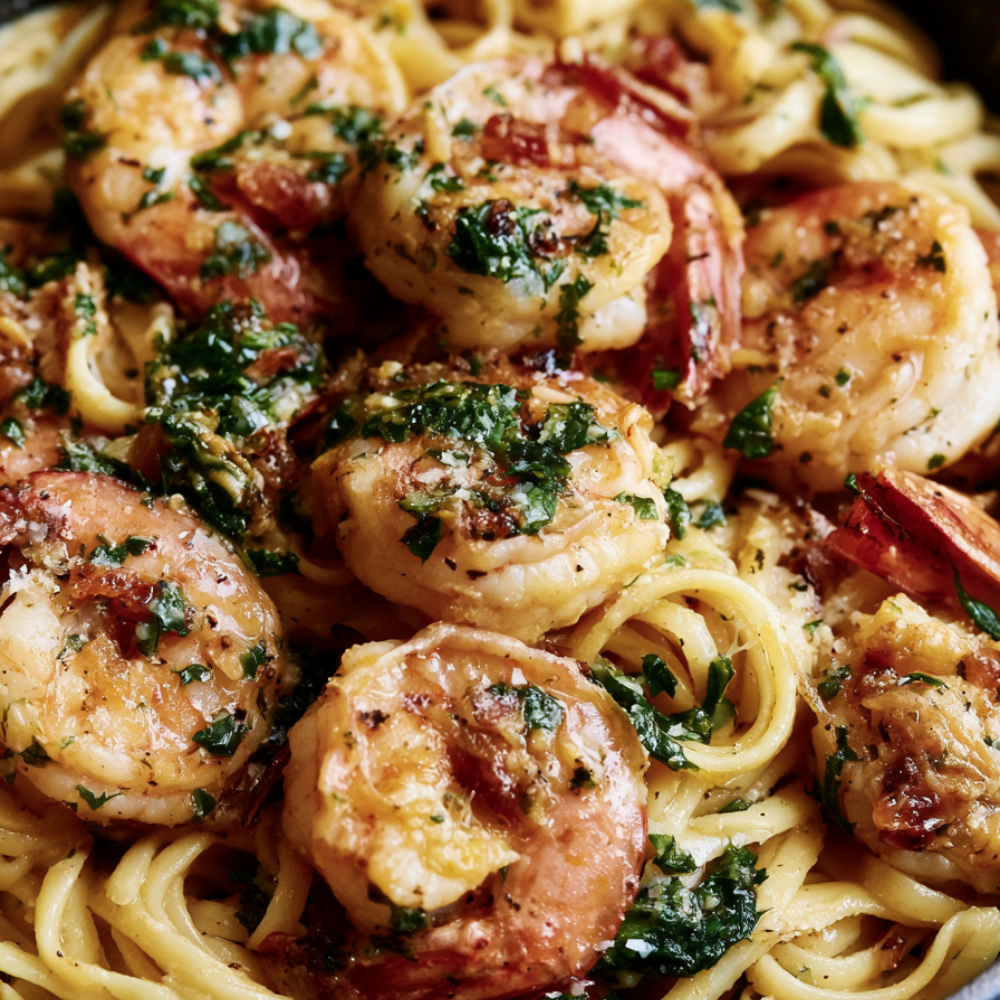
Comfort food that does not leave you needing a nap. A bowl of glossy pasta, plump shrimp, sauce clinging to every strand, and bread to mop up whatever is left.
That is what this recipe is. Thirty minutes, one skillet, and a sauce built with enough body to coat a full pound of pasta — which is the part that actually matters. Shrimp scampi as an appetizer is a light pan of shrimp in a little butter.
The moment you spoon it over linguine, it needs more: wine reduced properly, pasta water stirred in to bind everything together, and the finishing butter whisked in off the heat so the sauce turns glossy instead of greasy.
Forty-two grams of protein per serving. On the table before the delivery app arrives.
Why This Recipe Works
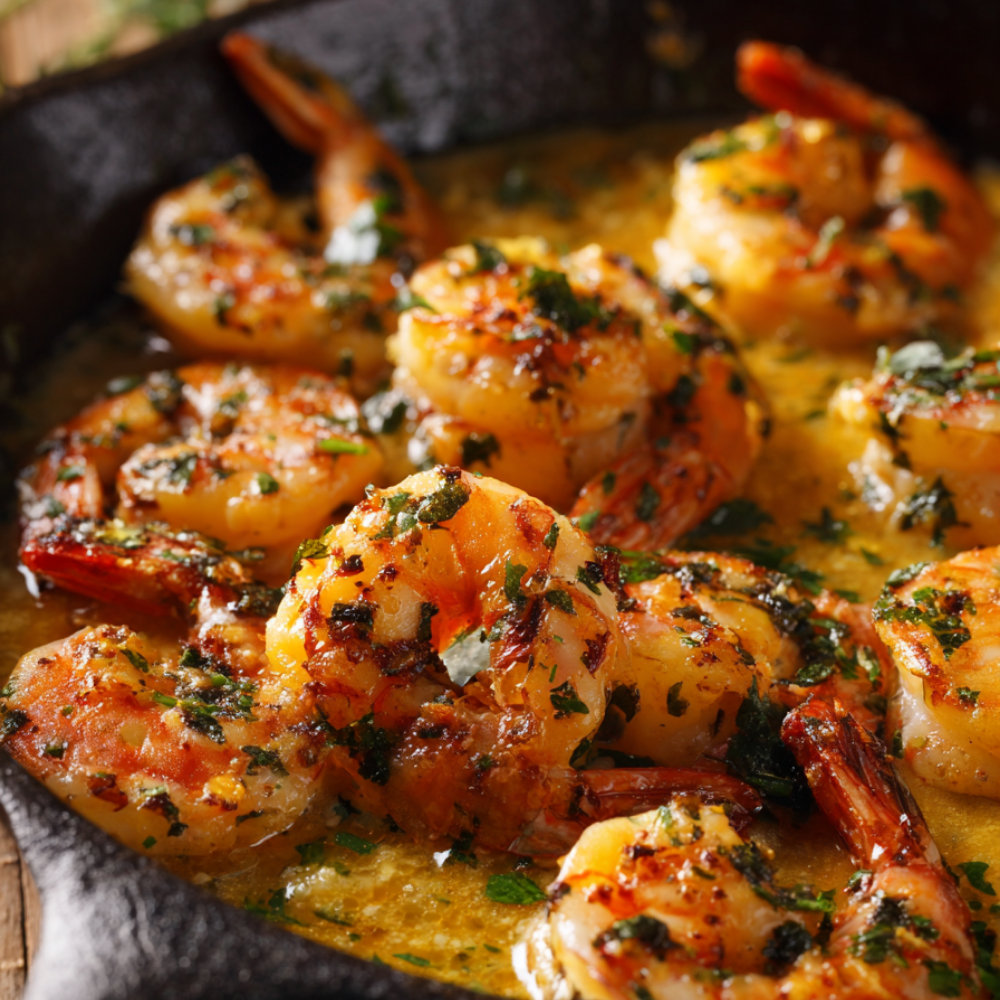
- The shrimp goes in and comes out fast. Shrimp is cooked the moment it turns opaque — about two minutes per side for large shrimp. Pulling it early and returning it to the pan at the end is what keeps it plump instead of rubbery.
- Two-stage butter is what makes scampi sauce glossy. Butter cooked with the garlic at the start builds flavor. Butter whisked in off the heat emulsifies the sauce and gives it shine. Adding the same amount all at once produces a greasy sauce instead of a creamy one.
- The wine reduces by half, not just warms. Reducing cooks off the alcohol and concentrates the fruit, so the sauce tastes like wine instead of tasting sharp.
- Reserved pasta water is what makes the sauce cling. The starch in the water binds the butter, wine, and lemon into a sauce that coats the linguine. Without it, the sauce pools under the pasta.
- Add the lemon juice off the heat. Boiled lemon juice turns bitter and flat. Added at the end, it stays bright and cuts the richness of the butter.
- Red pepper flakes are bloomed in the oil, not sprinkled on top. Thirty seconds in hot fat releases their heat into the sauce instead of leaving it on the surface.
- A whole half cup of parsley is the right amount. It is not a garnish here. It is the herb that makes scampi taste like scampi, and it should be stirred through the pasta, not dusted over the top.
- Garlic is sliced, not minced, if you want the restaurant look. Thin coins of garlic soften in the butter and cling to the pasta. Minced garlic disappears into the sauce but flavors it more evenly. Either works.
- Linguine is the classic pairing, and it is not arbitrary. Flat pasta catches sauce on both sides, which is exactly what an emulsified butter sauce needs.
- The protein math is honest. Shrimp and linguine together deliver about 42g per serving across four generous bowls, with no protein powder and no inflated claims.
Garlic Butter Shrimp Scampi Pasta
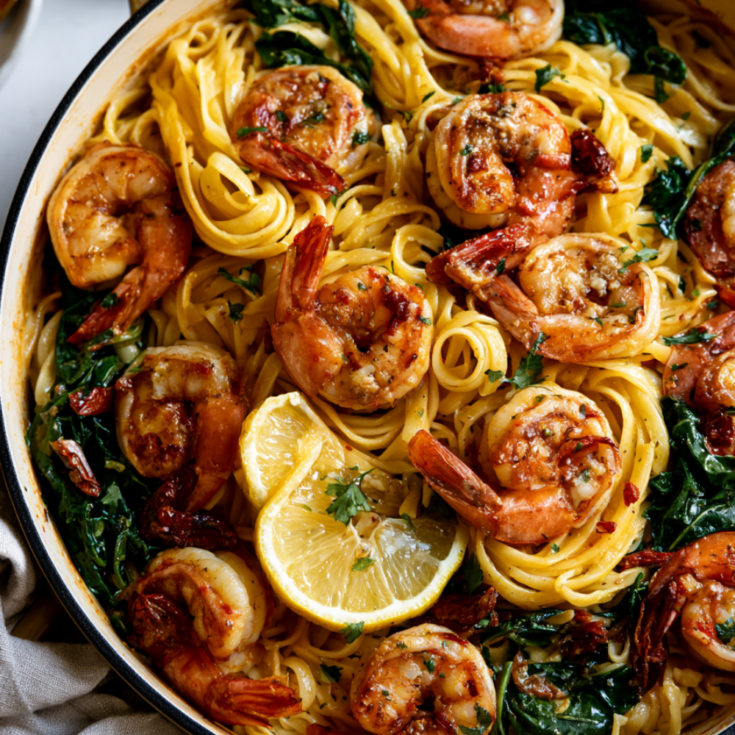
Large shrimp sautéed in garlic butter and white wine, tossed with linguine and a glossy scampi sauce emulsified with pasta water, lemon, and a final whisk of cold butter. Built with extra sauce so every strand gets coated.
Ingredients
For the Pasta
- 12 oz dry linguine
- 1 tbsp kosher salt, for the pasta water
For the Shrimp
- 1½ lbs large shrimp, peeled and deveined, tails on or off
- 1 tsp kosher salt
- ½ tsp black pepper
- ½ tsp smoked paprika
- ¼ tsp garlic powder
For the Scampi Sauce
- 3 tbsp olive oil
- 6 tbsp unsalted butter, divided into 2 tbsp and 4 tbsp
- 8 cloves garlic, thinly sliced or minced
- ½ tsp red pepper flakes
- ¾ cup dry white wine (Sauvignon Blanc, Pinot Grigio, or Chardonnay)
- ¼ cup fresh lemon juice, plus zest of 1 lemon
- 1 cup reserved pasta water, plus more as needed
- ¼ cup freshly grated Parmesan
- ½ cup fresh flat-leaf parsley, chopped
- Flaky salt and black pepper to taste
For Serving
- Extra lemon wedges
- Crusty bread
- Extra Parmesan
Instructions
- Boil the water and cook the pasta. Bring a large pot of water to a rolling boil and salt it generously with 1 tbsp kosher salt. Cook the linguine until just shy of al dente, about 1 minute less than the package directs.
- Reserve the pasta water before you drain. Ladle 2 cups of the starchy cooking water into a measuring cup. Drain the pasta and set it aside. Do not rinse it.
- Season the shrimp. Pat the shrimp completely dry with paper towels. Toss with the kosher salt, black pepper, smoked paprika, and garlic powder.
- Bloom the garlic. Heat the olive oil and 2 tbsp of the butter in a large skillet over medium heat until the butter foams. Add the garlic and red pepper flakes and cook for 45 seconds, until fragrant and just beginning to turn pale gold. Do not let it brown.
- Sear the shrimp. Raise the heat to medium-high. Add the shrimp in a single layer and cook 1½–2 minutes per side, until just opaque and pink. They will not be fully cooked through. Transfer the shrimp to a plate and set aside.
- Reduce the wine. Pour the white wine into the skillet and scrape up all the browned bits from the bottom. Bring to a strong simmer and cook 2–3 minutes, until the wine has reduced by about half.
- Build the sauce. Add ¾ cup of the reserved pasta water and bring to a simmer. Cook 2 minutes, until the liquid has reduced slightly and looks glossy.
- Mount the sauce with butter off the heat. Reduce the heat to low and add the remaining 4 tbsp of butter one piece at a time, whisking constantly, until each piece melts before adding the next. The sauce should look creamy and coat the back of a spoon. If it tightens too much, add pasta water 2 tbsp at a time.
- Finish with lemon and parsley. Off the heat, stir in the lemon juice, lemon zest, Parmesan, and half the parsley. Taste and adjust salt and pepper.
- Toss the pasta. Add the drained linguine to the skillet and toss with tongs until every strand is coated. Add the shrimp and any juices from the plate, and toss again. If the sauce looks thick, add pasta water 2 tbsp at a time until it flows.
- Serve immediately. Divide between four bowls, spooning extra sauce from the pan over the top. Finish with the remaining parsley, flaky salt, and lemon wedges on the side.
Notes
Protein per Serving: 42 g.
Nutrition Note: Protein calculated from 1½ lbs raw large shrimp (≈131g after cooking), 12 oz dry linguine (≈44g), and Parmesan (≈8g), divided by 4 servings. About 640 calories per serving. Sodium depends on how much pasta water you use — it carries the salt from the cooking water.
Tips for the Best Shrimp Scampi Pasta
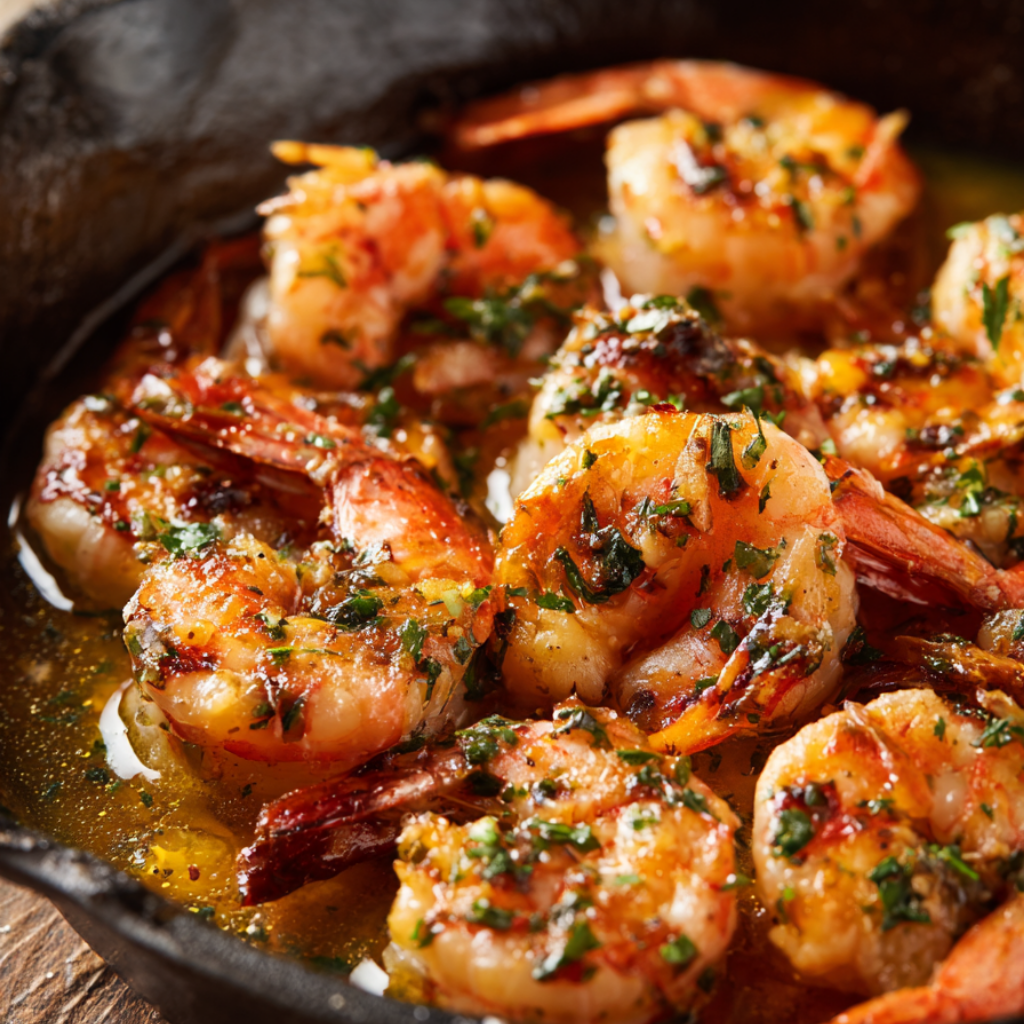
- Salt the pasta water properly. One tablespoon of kosher salt per large pot. It’s your only chance to season the pasta itself.
- Reserve 2 cups of pasta water, even if you only use 1. It is the sauce’s emergency lever, and having extra costs nothing.
- Do not rinse the pasta. Rinsing washes off the surface starch that helps the sauce cling.
- Pat the shrimp bone dry before seasoning. Wet shrimp steam instead of sear, and the seasoning slides off.
- Cook the shrimp 1½–2 minutes per side and pull early. They finish in the sauce’s residual heat. Overcooked shrimp is the single most common way this dish goes wrong.
- Bloom the red pepper flakes in the oil. Thirty seconds in hot fat is what distributes the heat through the sauce.
- Do not brown the garlic. Pale gold is the target. Browned garlic turns the whole pan bitter.
- Reduce the wine by half, not less. Alcohol that stays in the pan tastes sharp and flattens the butter.
- Add the finishing butter off the heat, one piece at a time. This is the emulsification step. If you add it all at once, the sauce breaks.
- Keep pasta water on hand while you toss. If the sauce tightens as the pasta goes in, a splash of pasta water loosens it instantly.
- Use freshly grated Parmesan. Pre-shredded cheese has anti-caking starch that turns the sauce grainy.
- Add the lemon off the heat. Boiled lemon juice turns bitter.
- Toss the pasta in the pan, not in a bowl. The pan is where the sauce is, and tossing emulsifies everything together.
- Serve in warm bowls. A cold bowl pulls the temperature down, and the butter starts to set.
- Eat it right away. This is a 30-minute dish that is best in the first 10 minutes after it comes off the heat.
Troubleshooting
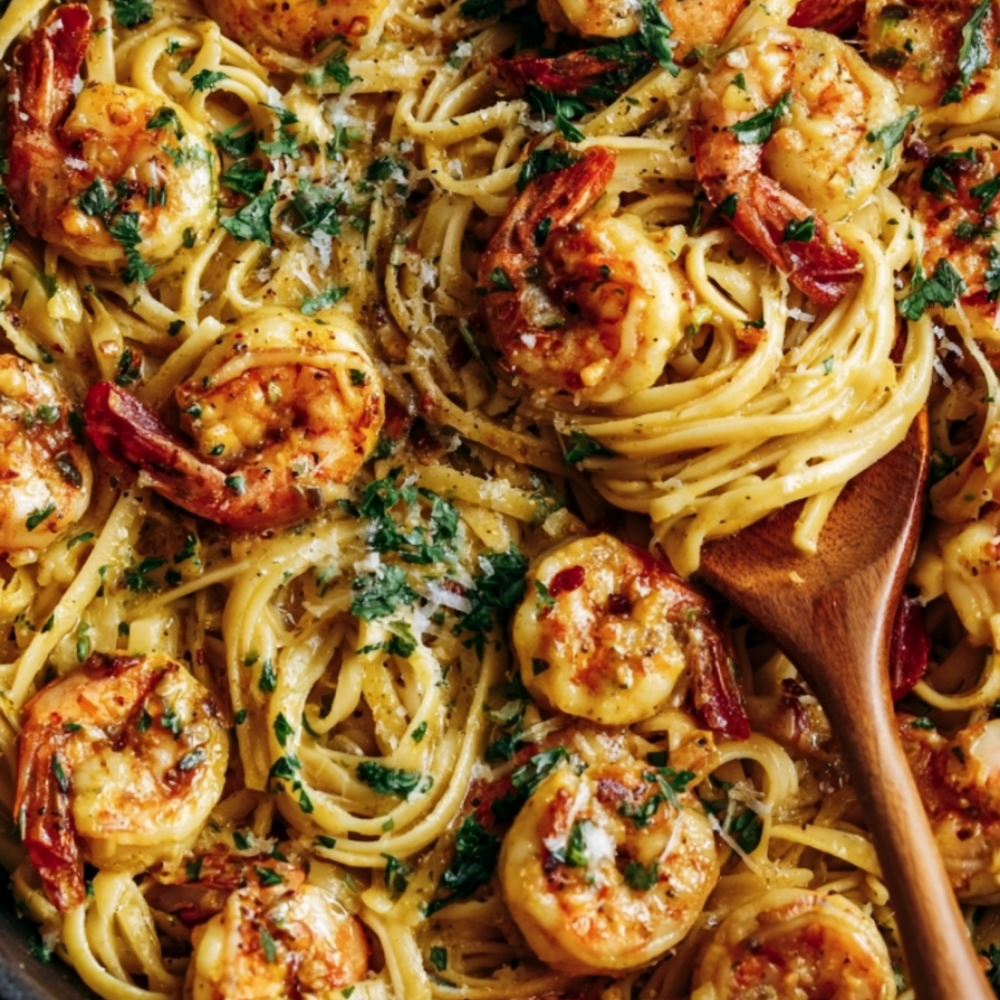
- The sauce looks greasy and separated. You added the finishing butter over heat, or the pan was too hot. Take the pan off the heat and whisk in pasta water 1 tbsp at a time until it comes back together.
- The sauce is thin and pools under the pasta. You didn’t add enough pasta water, or the wine didn’t reduce enough. Add ¼ cup pasta water and toss over low heat for 1 minute.
- The sauce is too thick and clumpy. Too much pasta water reduced too far, or too much Parmesan. Loosen with warm pasta water 2 tbsp at a time.
- The shrimp turned out rubbery. They overcooked. Pull them at 1½ minutes per side and let the sauce finish them.
- The garlic tastes bitter. It browned before the wine went in. Keep the heat at medium and pull it at pale gold.
- The dish tastes flat. Not enough salt, lemon, or both. Add flaky salt and a squeeze of fresh lemon at the table.
- The lemon flavor disappeared. You added it too early or boiled it. Add it off the heat, right before serving.
- The pasta is mushy. It was cooked fully before going into the pan, or it sat in the sauce too long. Cook it 1 minute shy of al dente.
- The shrimp did not sear. They were wet, or the pan was not hot enough. Dry them thoroughly and wait for the butter to foam before adding them.
- The sauce tastes too acidic. Too much wine or lemon without enough butter and pasta water to balance it. Add 1 tbsp butter and ¼ cup pasta water.
- The Parmesan clumped. It was added over high heat. Add it off the heat and stir constantly.
- The leftovers dried out. The pasta absorbed the sauce in the refrigerator. Reheat with a splash of broth or water and a small knob of butter.
Easy Variations
- Shrimp Scampi Without Wine. Replace the wine with ¾ cup low-sodium chicken broth plus 1 tbsp lemon juice and 1 tsp white wine vinegar for acidity.
- Creamy Shrimp Scampi. Add ½ cup heavy cream with the pasta water and simmer 2 minutes before mounting with butter.
- Red Lobster Shrimp Scampi Copycat. Increase the butter to 8 tbsp total, add 1 tsp garlic powder with the fresh garlic, and finish with ½ cup grated Parmesan and a pinch of dried oregano.
- Shrimp Scampi with Zucchini Noodles. Replace the linguine with 4 cups of spiralized zucchini, cooked 2 minutes in the pan, and reduce the pasta water to ¼ cup.
- Chicken Scampi. Replace the shrimp with 1½ lbs of thinly sliced chicken breast, seared 3 minutes per side, and add ¼ cup more pasta water.
- Chicken and Shrimp Scampi. Use 1 lb shrimp and 1 lb chicken breast. Sear the chicken first, then the shrimp, and combine at the end.
Storage and Food Safety
Refrigerator: Store leftovers in an airtight container for up to 2 days. Shrimp does not improve after day two. Reheat gently on the stovetop over medium-low heat with a splash of broth and a small knob of butter. Do not use the microwave — it turns the shrimp rubbery.
Freezer: Not recommended. Shrimp turns rubbery after freezing, and the butter sauce separates on thawing.
Make Ahead: You can make the sauce up to 1 day ahead without the shrimp and butter finish, then reheat and finish fresh. Peel and devein the shrimp up to 1 day ahead and refrigerate. Cook the pasta fresh — this dish is at its best within 10 minutes of finishing.
Food Safety: Cook shrimp until opaque and it reaches an internal temperature of 145°F. Cool leftovers within 2 hours and refrigerate promptly. Do not refreeze shrimp that has been thawed. Reheat leftovers to 145°F.
Frequently Asked Questions
How much protein is in shrimp scampi pasta? About 42g per serving, from the shrimp, linguine, and Parmesan.
Can I make this without wine? Yes. Use ¾ cup low-sodium chicken broth, 1 tbsp lemon juice, and 1 tsp white wine vinegar.
What is the best wine for shrimp scampi? A dry white you would drink — Sauvignon Blanc, Pinot Grigio, or an unoaked Chardonnay. Avoid cooking wine, which is salted.
Can I use frozen shrimp? Yes. Thaw it completely in the refrigerator, then pat it bone dry before seasoning. Wet shrimp will not sear.
What size shrimp should I use? Large or jumbo — 21/25 or 16/20 count per pound. Smaller shrimp cook too fast and get lost in the pasta.
Should I leave the tails on? Tails on look better on the plate but are awkward in a pasta dish. Tails off is easier to eat.
Can I use a different pasta? Yes. Spaghetti, fettuccine, and angel hair all work. Flat pasta catches more sauce, which is why linguine is the classic.
Why is my sauce not coating the pasta? Not enough pasta water, or the pan was too hot, and the butter broke. Add pasta water 2 tbsp at a time and toss over low heat.
Can I make this creamy? Yes. Add ½ cup heavy cream with the pasta water and simmer 2 minutes before mounting with butter.
How do I reheat leftovers? On the stovetop over medium-low with a splash of broth and a knob of butter. Never in the microwave.
Can I add vegetables? Yes. Cherry tomatoes, spinach, or asparagus all work. Add spinach in the last 30 seconds.
What do I serve with it? Crusty bread, a simple green salad with lemon vinaigrette, or roasted broccoli.
Can I double this recipe? Yes, but use a very large skillet or two pans. Crowding the pan steams the shrimp instead of searing them.
Is this gluten-free? Not as written. Use gluten-free linguine, and make sure your wine and broth are gluten-free.
Can I make it dairy-free? Yes. Use olive oil and a dairy-free butter substitute, and skip the Parmesan.
More Shrimp and Seafood Recipes You’ll Love
- Crockpot Olive Garden Chicken Pasta With 40g+ Protein Per Bowl
- Creamy Butternut Squash & Turkey Sausage Pasta Bake
- Healthy Turkey Bolognese Meal-Prep Pasta Bowls
- Easy Pesto Pasta Recipe to Save for a Healthy Dinner
Conclusion
Shrimp scampi is one of the fastest dinners you can make that still feels like something you would order. Garlic, butter, wine, and lemon — four ingredients that turn a pound and a half of shrimp into a plate worth sitting down for.
The pasta version lives or dies on the sauce. Reduce the wine properly. Use pasta water to give it body. Mount the finishing butter off the heat, one piece at a time, so it emulsifies instead of breaking. Add the lemon and parsley last. Toss the pasta in the pan, not in a bowl.
Forty-two grams of protein per serving, thirty minutes start to finish, and enough sauce to coat every strand of linguine.
It is the plate you used to go out for on a Friday night. Make it once, and staying in starts to sound like the better plan.